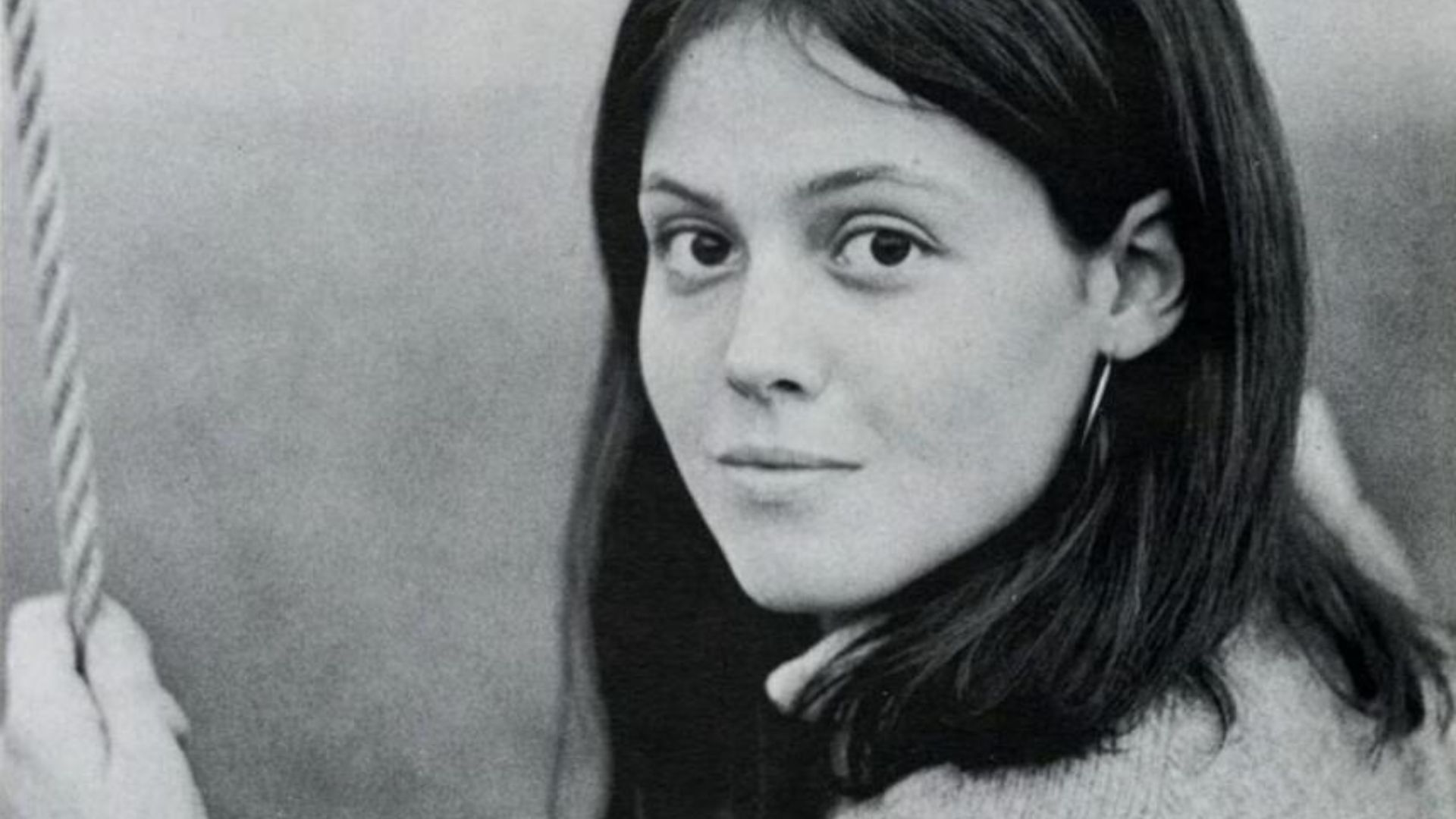
The 1980s gets remembered for shoulder pads, synthesizers, and excess, but the decade’s most lasting cultural force was a generation of women who rewrote what stardom looked like.
Actresses, musicians, and athletes didn’t just survive the era’s noise. They defined it. Many of them are still working, still relevant, still cited as the reason younger artists got into their fields at all.
1. Madonna
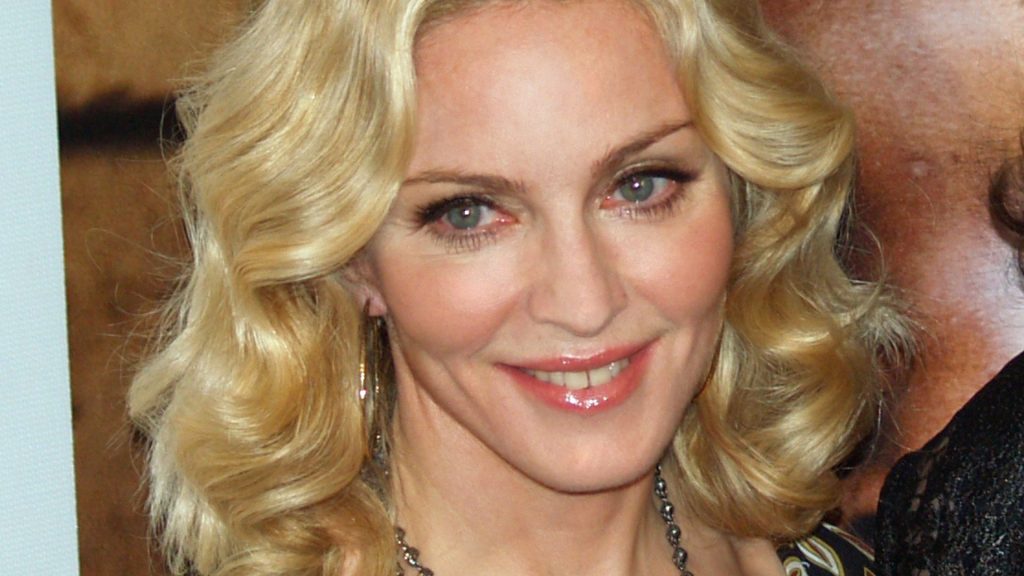
No list starts anywhere else. Madonna Louise Ciccone arrived in New York in 1978 with $35 in her pocket and, by 1984, had become the most discussed woman in popular culture. “Like a Virgin” spent six weeks at number one. The “Material Girl” video created a visual shorthand for the decade that advertisers are still borrowing.
She understood that image and music were inseparable, and she controlled both with a precision that made most of her male counterparts look passive by comparison.
2. Meryl Streep
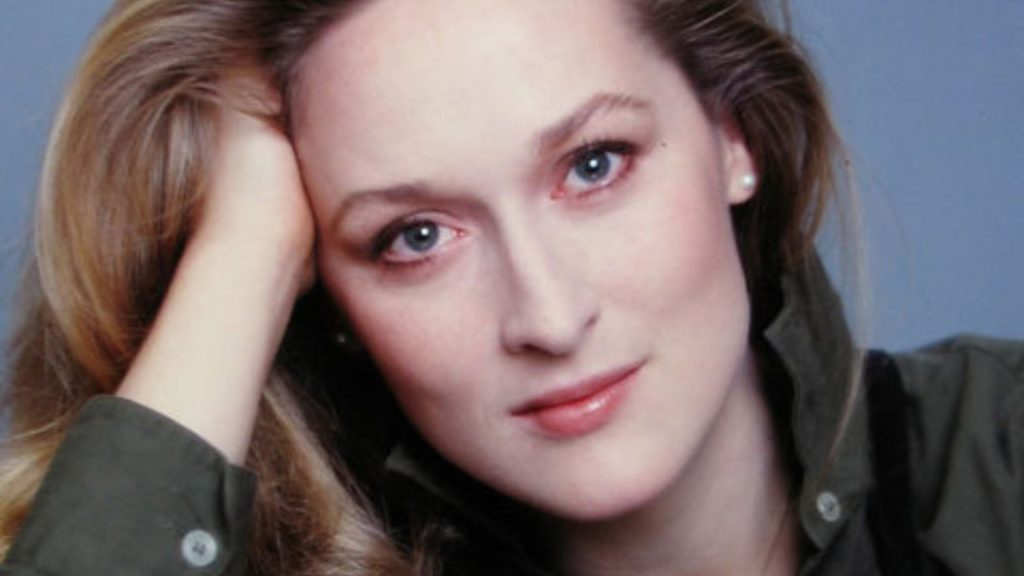
Meryl Streep entered the 1980s already respected and left it as the standard against which dramatic acting gets measured. “Kramer vs. Kramer” won her an Oscar in 1980. “Sophie’s Choice” won her a second in 1983.
The performances were technically staggering, but what made them land was emotional specificity. Sophie Zawistowski wasn’t a symbol of wartime tragedy. She was a fully realized person, and Streep made audiences feel the difference.
3. Tina Turner
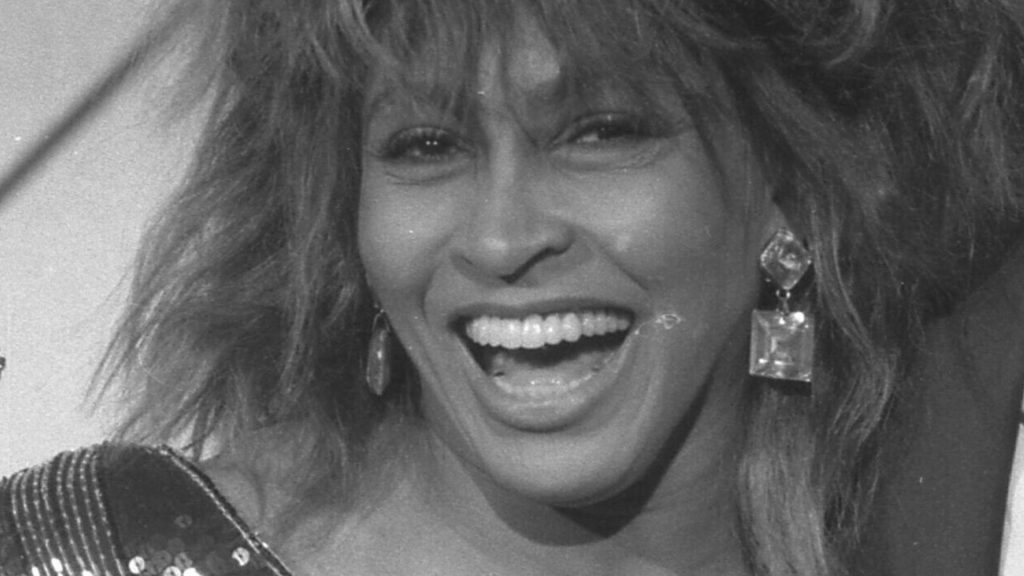
Tina Turner’s comeback is one of the most dramatic career reversals in music history. She was 44 when “What’s Love Got to Do with It” hit number one in 1984, which would have been an unlikely achievement for any artist, let alone one who had spent years escaping an abusive marriage and rebuilding from scratch.
“Private Dancer” sold more than 10 million copies worldwide. The record proved that audiences would follow an artist’s truth over a radio format.
4. Whitney Houston
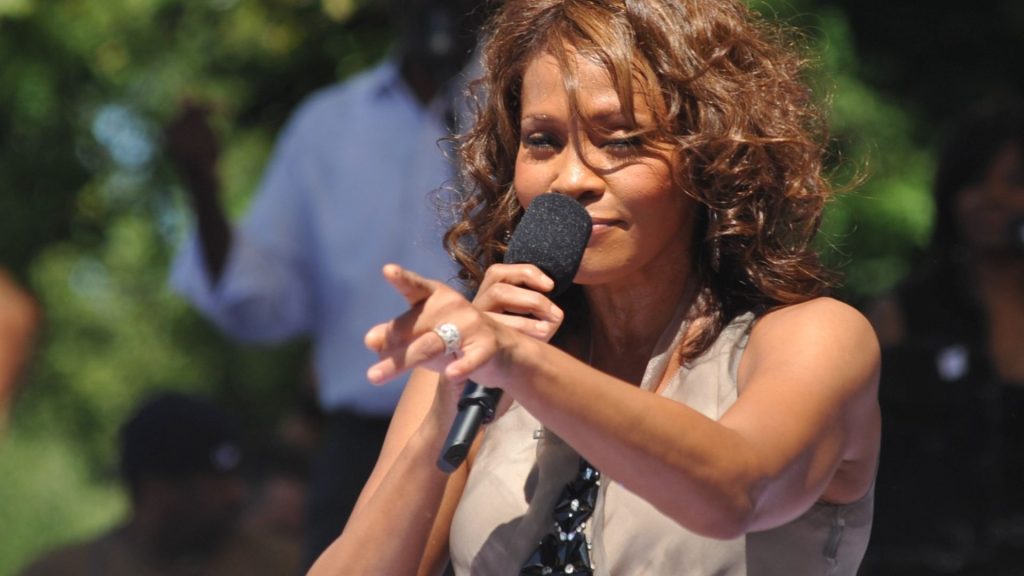
Whitney Houston’s debut album arrived in 1985 and immediately set a new standard for vocal pop. Three consecutive singles reached number one, making her the first female artist to achieve that from a single album.
Her voice was technically flawless, but the recordings also had warmth, which is harder to engineer than range. She was 21 years old and already sounded like someone who had been performing for decades.
5. Jane Fonda
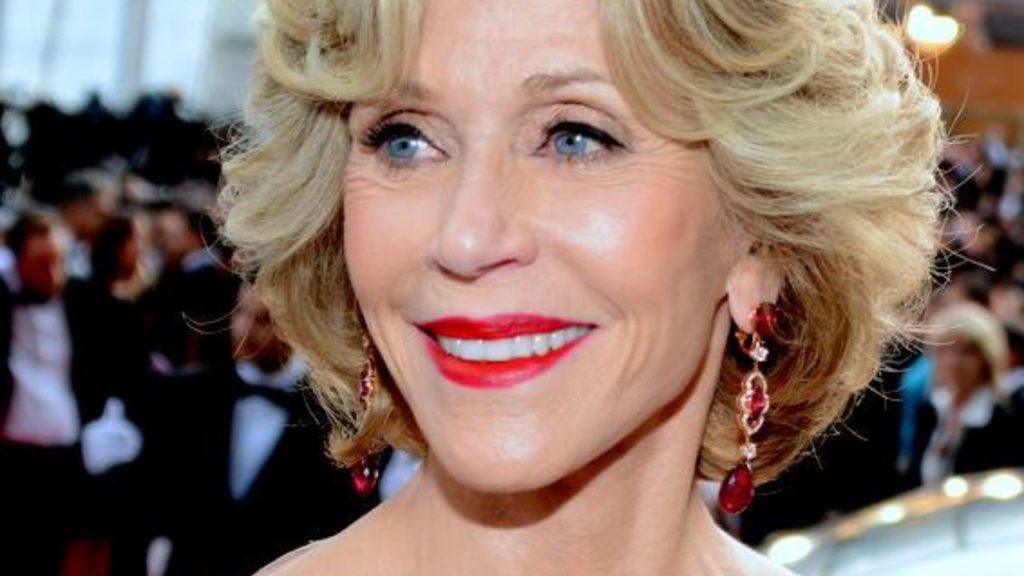
Jane Fonda’s 1982 workout video became the best-selling VHS tape of the decade and helped create the home fitness industry almost by accident. Over the course of the series, which ran through 1995, she sold 17 million copies in total.
What gets overlooked is that Fonda was also producing serious film work during the same period. “On Golden Pond” came out in 1981 and earned her an Academy Award nomination for Best Supporting Actress alongside Henry Fonda, a rare father-daughter pairing that the film used to full effect.
6. Cyndi Lauper
Note: Privacy and publicity rights for individuals depicted may apply.
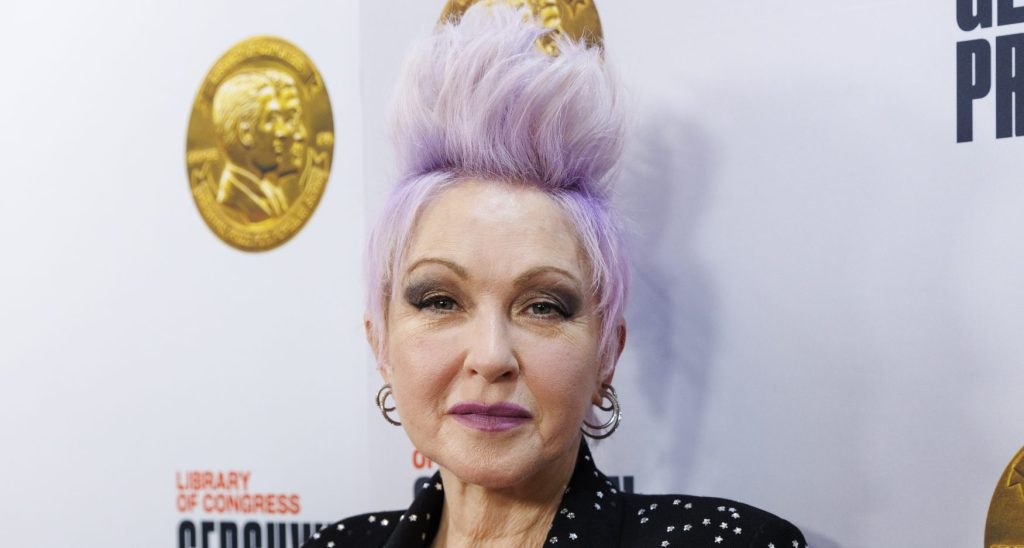
Cyndi Lauper’s “She’s So Unusual” eventually earned a platinum certification several times over and produced four top-five singles, a feat no female debut album had managed before. “Girls Just Want to Have Fun” became an anthem almost instantly, but the album’s range was broader than that single suggested.
Lauper could write a pop hook and deliver a ballad like “Time After Time” with genuine restraint. She and Madonna arrived at the same moment and the press kept trying to pit them against each other. The music made that framing look silly.
7. Oprah Winfrey
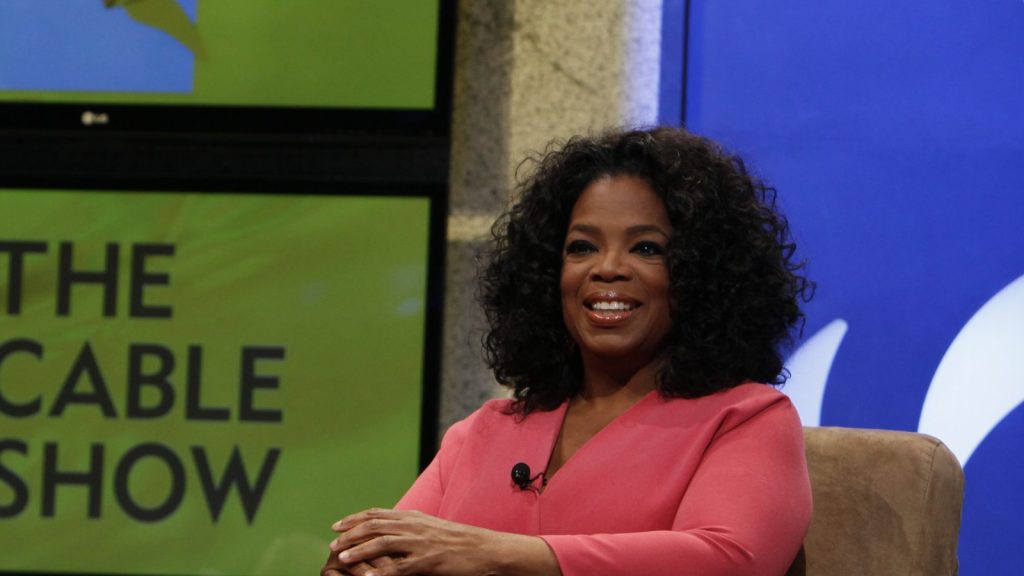
Oprah Winfrey took over a struggling Chicago morning show in 1984 and within a year had turned it into the highest-rated talk program in the city.
“The Oprah Winfrey Show” went national in 1986. Her interview style was direct without being combative, and she brought subjects to daytime television, including abuse, addiction, and race, that the format had largely avoided. Her 1985 acting debut in “The Color Purple” earned her an Oscar nomination for Best Supporting Actress.
8. Sigourney Weaver
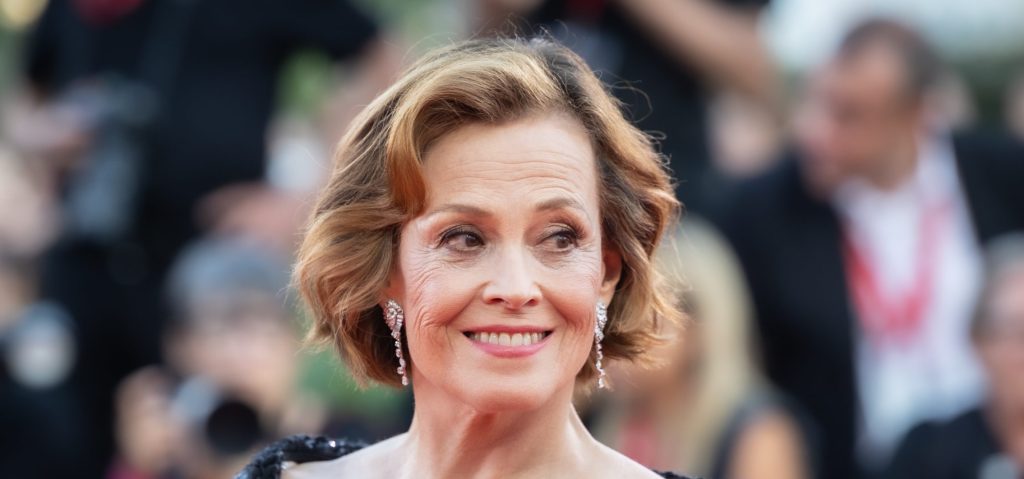
Ellen Ripley in “Alien” technically arrived in 1979, but Sigourney Weaver’s cultural impact hit hardest with “Aliens” in 1986. That performance earned her an Academy Award nomination for Best Actress, the first ever for an actress in an action role.
Hollywood had operated for decades on the assumption that female leads couldn’t carry genre films. “Aliens” made that assumption difficult to defend.
The Lasting Influence
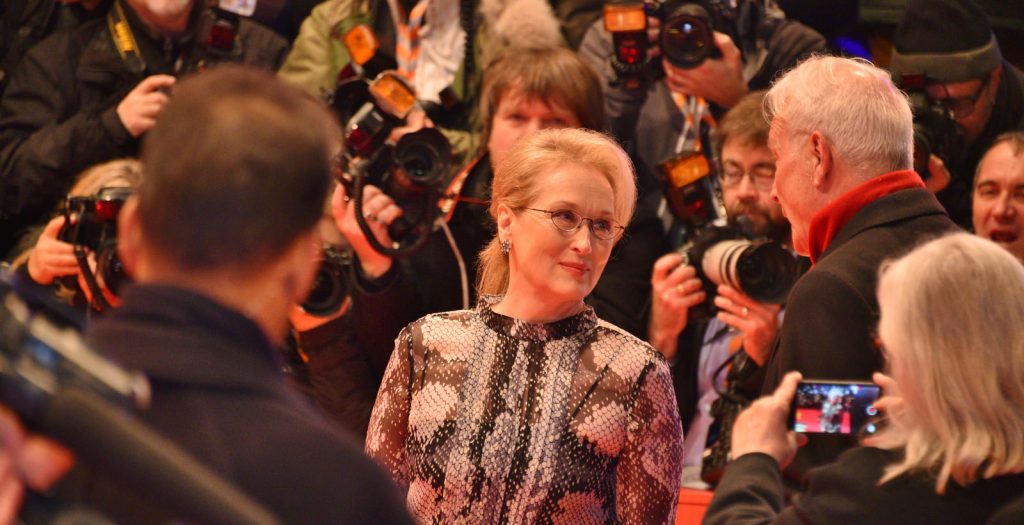
These women didn’t operate as a movement. They worked in different fields, came from different backgrounds, and had very different ideas about what they wanted from their careers. What connected them was a refusal to accept the smaller version of success they were being offered.
The 1980s handed them a cultural moment and they each made something permanent out of it. The artists, athletes, and entertainers who followed them know exactly how much they owe.