Hollywood has never been short on talent, but certain women didn’t just succeed within the system. They bent it, cracked it open, or rebuilt pieces of it entirely. Some fought for roles they deserved decades before the industry caught up. Others changed what stories got told and who got to tell them.
This list covers nine women whose fingerprints are still visible across film and television today, whether through performance, production, writing, or sheer refusal to be overlooked.
1. Katharine Hepburn
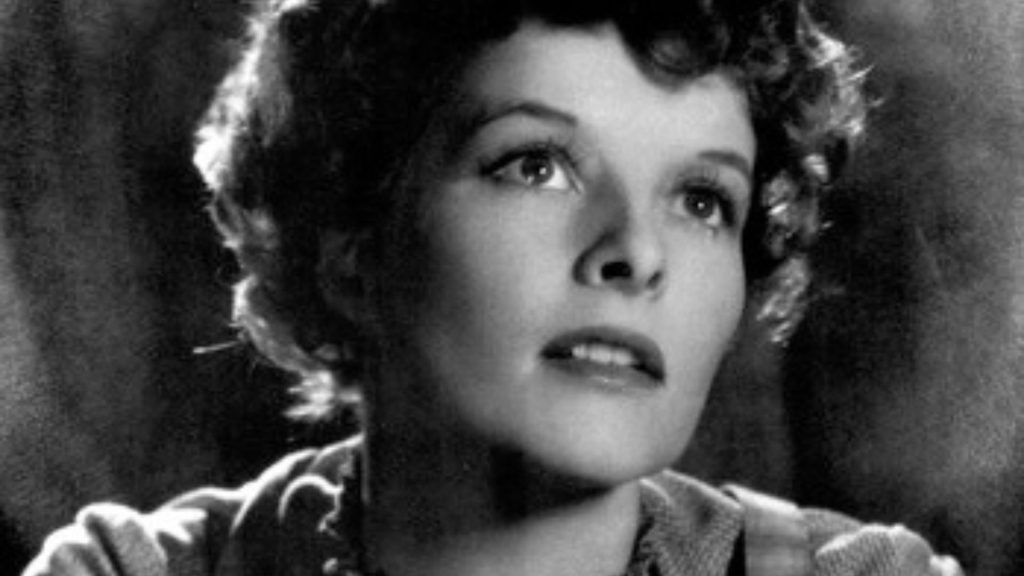
Katharine Hepburn won four Academy Awards for Best Actress, more than anyone else in that category. That statistic alone puts her in a class of her own, but the numbers miss the texture of what she actually did.
Hepburn spent decades playing women who were sharp, independent, and occasionally difficult, at a time when Hollywood’s preferred template for female characters was considerably narrower. She wore trousers on studio lots in the 1930s and clashed openly with producers throughout her career. The industry labeled her “box office poison” in 1938. She came back stronger anyway.
2. Hattie McDaniel
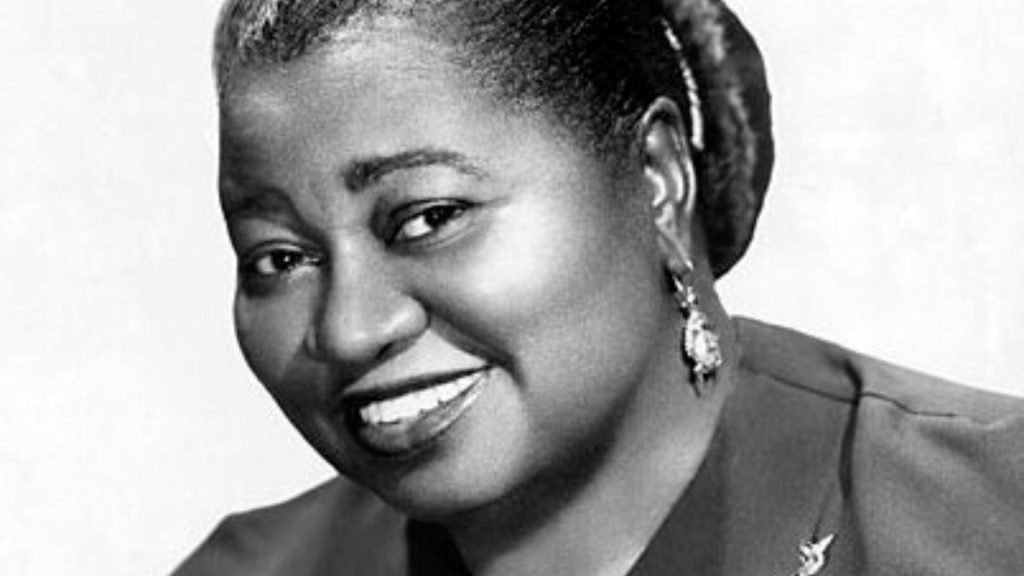
Hattie McDaniel became the first Black American to win an Academy Award when she took home Best Supporting Actress for “Gone with the Wind” in 1940. The ceremony was held at a segregated venue. She sat at a table in the back, separated from her white co-stars.
McDaniel accepted the award anyway, delivered a gracious speech, and kept working. The roles available to her were limited by racism that was structural and largely unchallenged at the time, but within those constraints she gave performances that critics consistently praised. Her win preceded the integration of the Academy Awards ceremony by years.
3. Audrey Hepburn
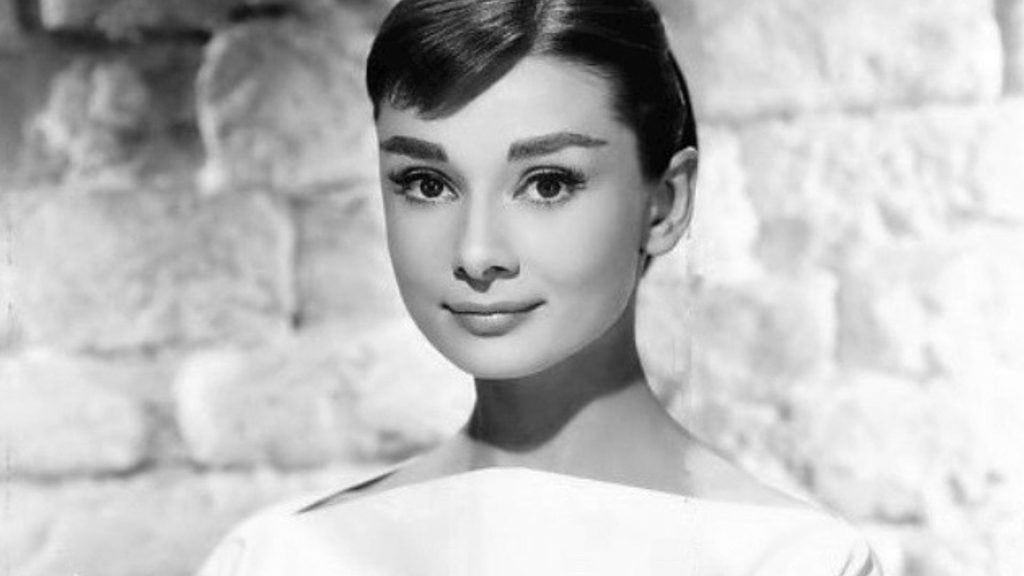
Audrey Hepburn brought something to the screen that studios spent years trying to replicate and never quite managed. Her performances in “Roman Holiday,” “Sabrina,” and “Breakfast at Tiffany’s” established an aesthetic and emotional register that felt entirely her own.
She won an Oscar, a Tony, an Emmy, and a Grammy, placing her in the rare EGOT category. Later in life she became a UNICEF Goodwill Ambassador and devoted most of her final years to humanitarian work in Africa and Latin America. The fashion world still treats her as a reference point more than 30 years after her death.
4. Lucille Ball
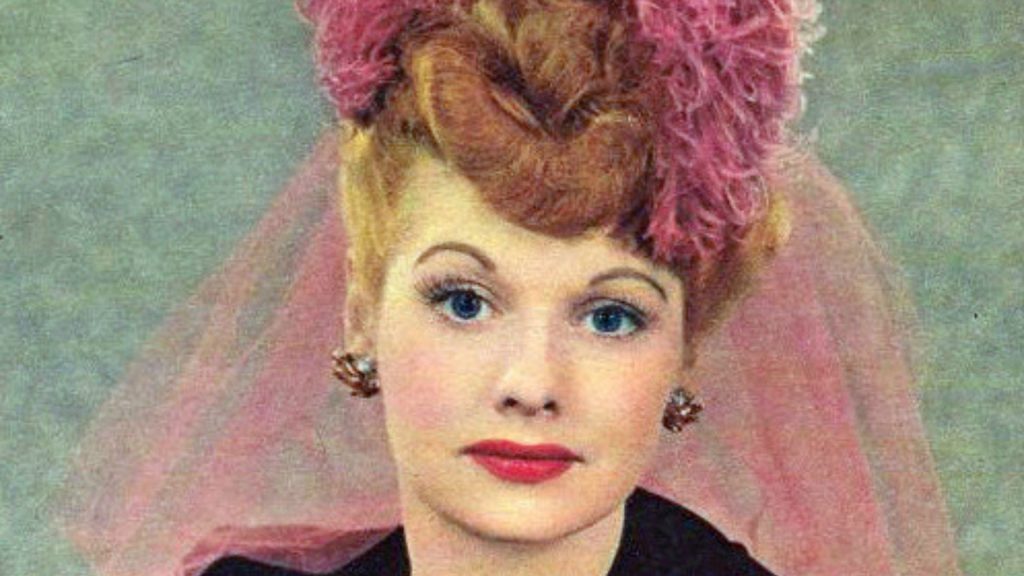
Lucille Ball co-founded Desilu Productions in 1950 with her then-husband Desi Arnaz, and ended up buying him out in 1962 to become sole owner. That made her the first woman to run a major Hollywood studio. Desilu produced “Star Trek” and “Mission: Impossible,” two franchises that have generated billions of dollars in revenue across subsequent decades.
Ball’s influence on television comedy is well-documented, but her business instincts tend to get less credit. She understood production, negotiation, and ownership at a level most of her contemporaries, male or female, did not.
5. Meryl Streep
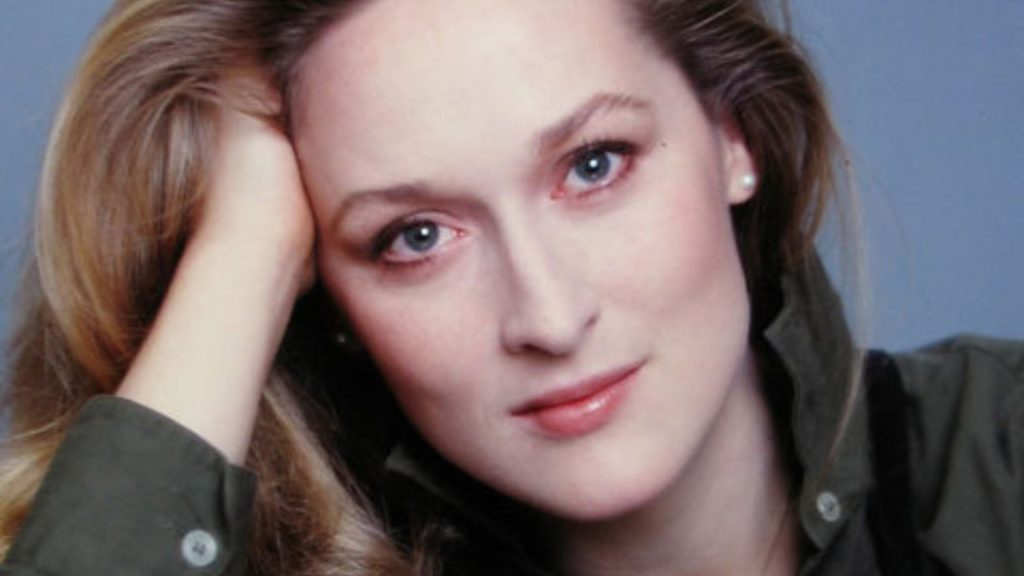
Meryl Streep has been nominated for an Academy Award 21 times and won three. Those numbers are records in both categories. She’s worked consistently across five decades, moving between drama, comedy, and musical performance without any visible drop in quality or credibility.
Directors from Robert Benton to Steven Soderbergh to Nora Ephron have cited her as genuinely different to work with, in terms of preparation and range. Streep has also been outspoken about pay inequality and ageism in the industry, often at moments when it wasn’t especially comfortable to do so.
6. Shonda Rhimes
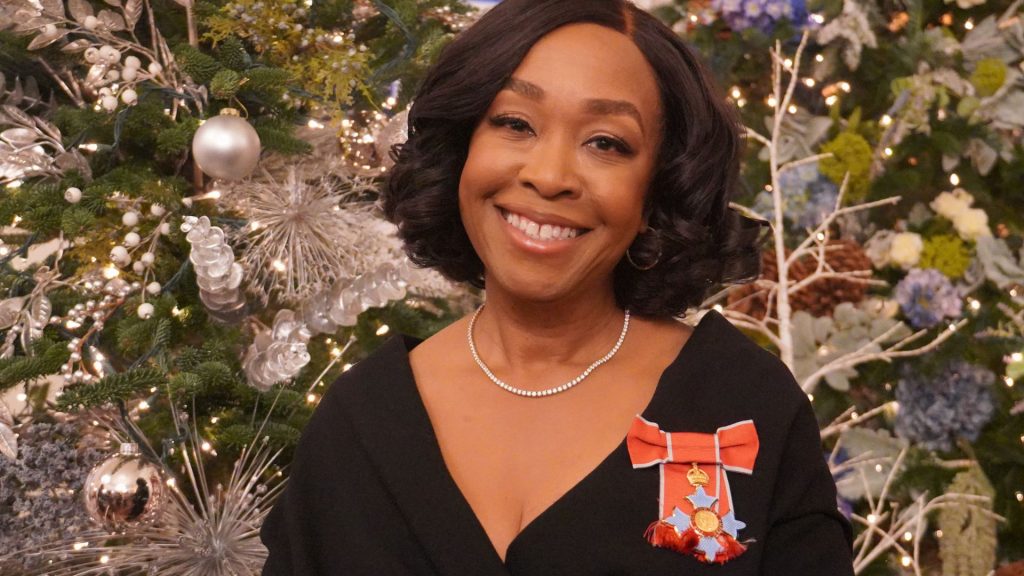
Shonda Rhimes reshaped network television more substantially than almost any other writer-producer of her generation. “Grey’s Anatomy” premiered in 2005 and was still running as of 2026. “Scandal” and “How to Get Away with Murder” followed, giving ABC a Thursday night lineup built almost entirely around her work.
In 2017 she signed a deal with Netflix reported to be worth around $150 million. Rhimes consistently cast Black women in lead roles at a time when network executives routinely questioned whether those shows could attract broad audiences. They did.
7. Kathryn Bigelow
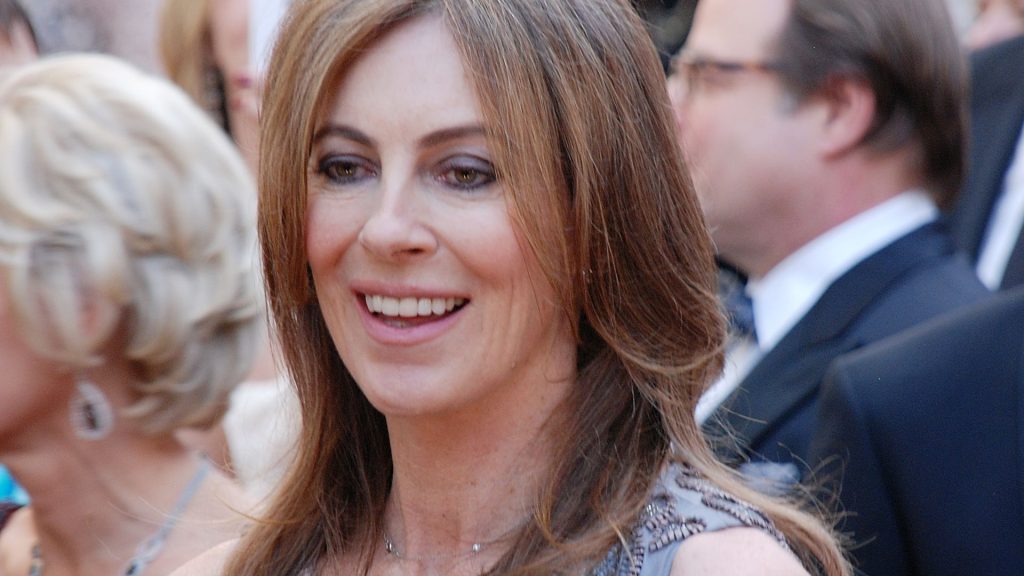
Kathryn Bigelow won the Academy Award for Best Director in 2010 for “The Hurt Locker,” becoming the first woman to win in that category. The film beat “Avatar,” which had been widely predicted to dominate that year’s ceremony.
Bigelow had been directing since the early 1980s and built her reputation on films that mixed genre conventions with serious dramatic intent. “Zero Dark Thirty” followed in 2012 and generated considerable political controversy, which suggested it had hit something real. After more than 90 years of Oscar history, fewer than ten women have ever been nominated for Best Director.
8. Issa Rae
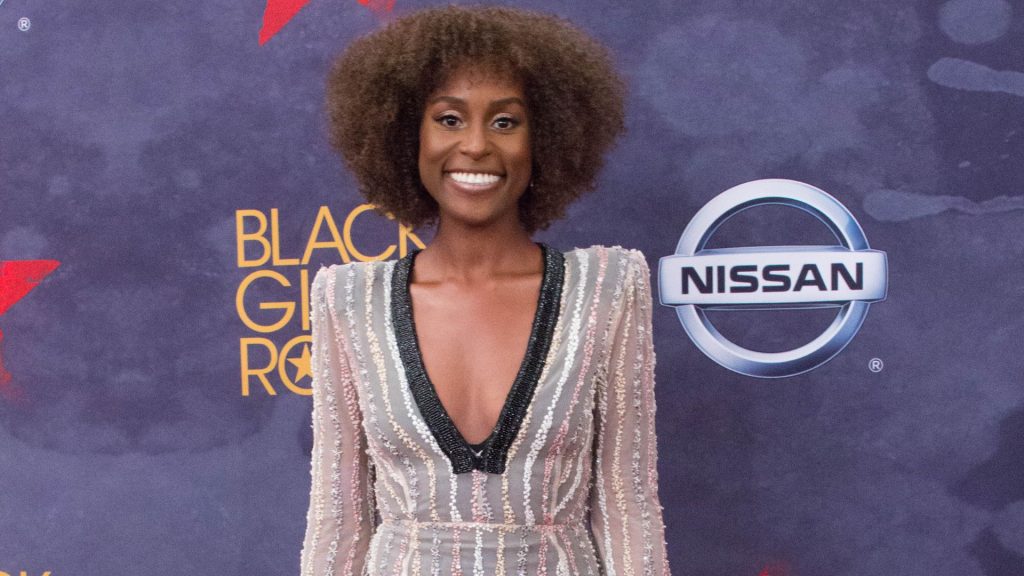
Issa Rae built an audience through YouTube before Hollywood came looking. Her web series “The Misadventures of Awkward Black Girl” launched in 2011 and attracted millions of viewers without any studio backing. That track record gave her leverage when she developed “Insecure” for HBO, which ran for five seasons and earned widespread critical praise.
Rae has since expanded into film production and continues to develop projects through her company Hoorae. She represents a generation of creators who used digital platforms to prove there was demand for their work before the traditional gatekeepers acknowledged it.
9. Barbra Streisand
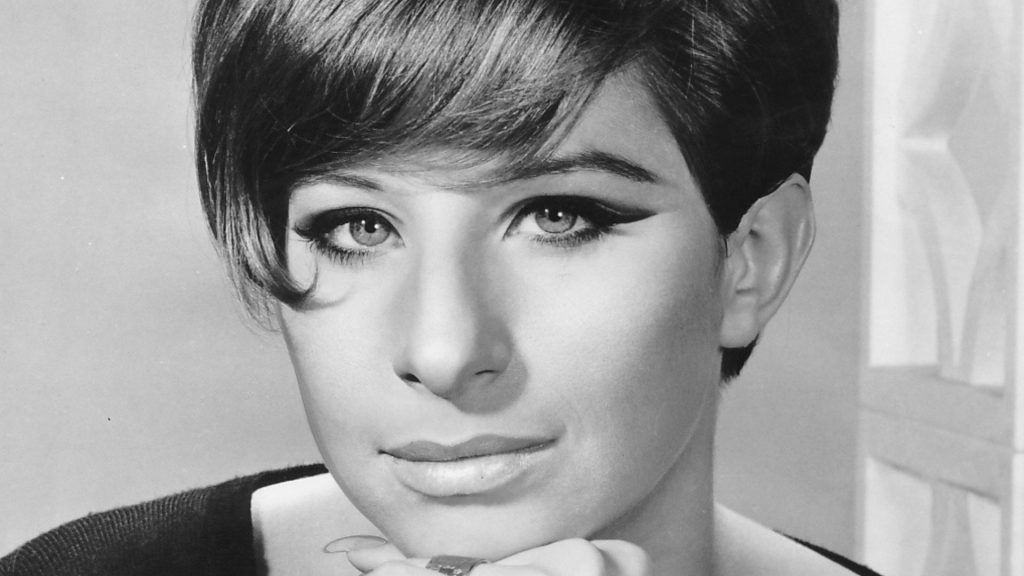
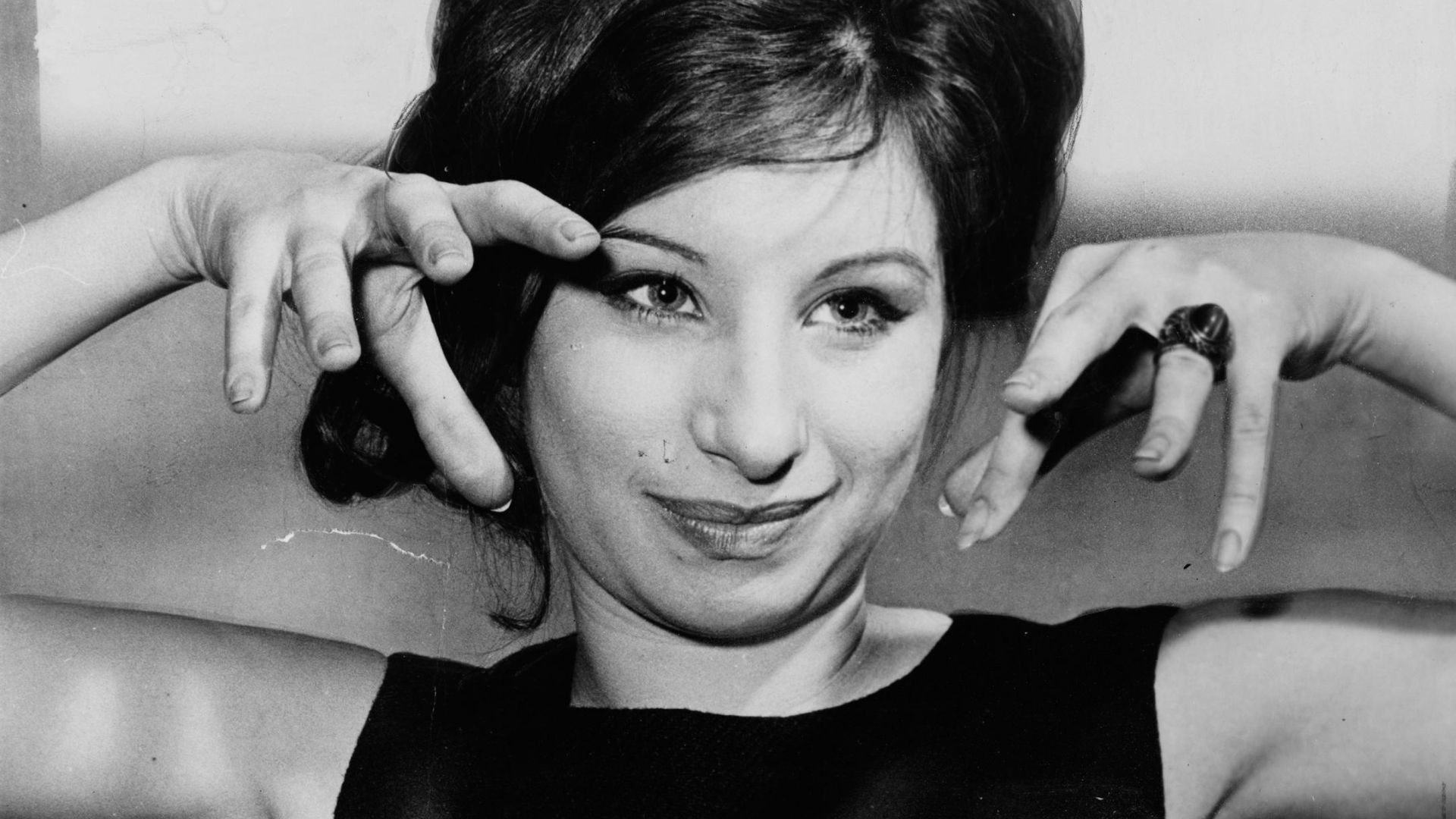
Barbra Streisand is one of the few entertainers to have achieved top-charting albums across six consecutive decades. She won her first Oscar for “Funny Girl” in 1969 and her second for composing “Evergreen” from “A Star Is Born” in 1977, a film she also produced and co-wrote.
Streisand was among the first women to produce, direct, and star in a major studio film when she made “Yentl” in 1983, after spending more than a decade fighting to get it made. The Hollywood Foreign Press gave her its Cecil B. DeMille Award in 1995. She has never appeared to be particularly interested in making herself easier to dismiss.