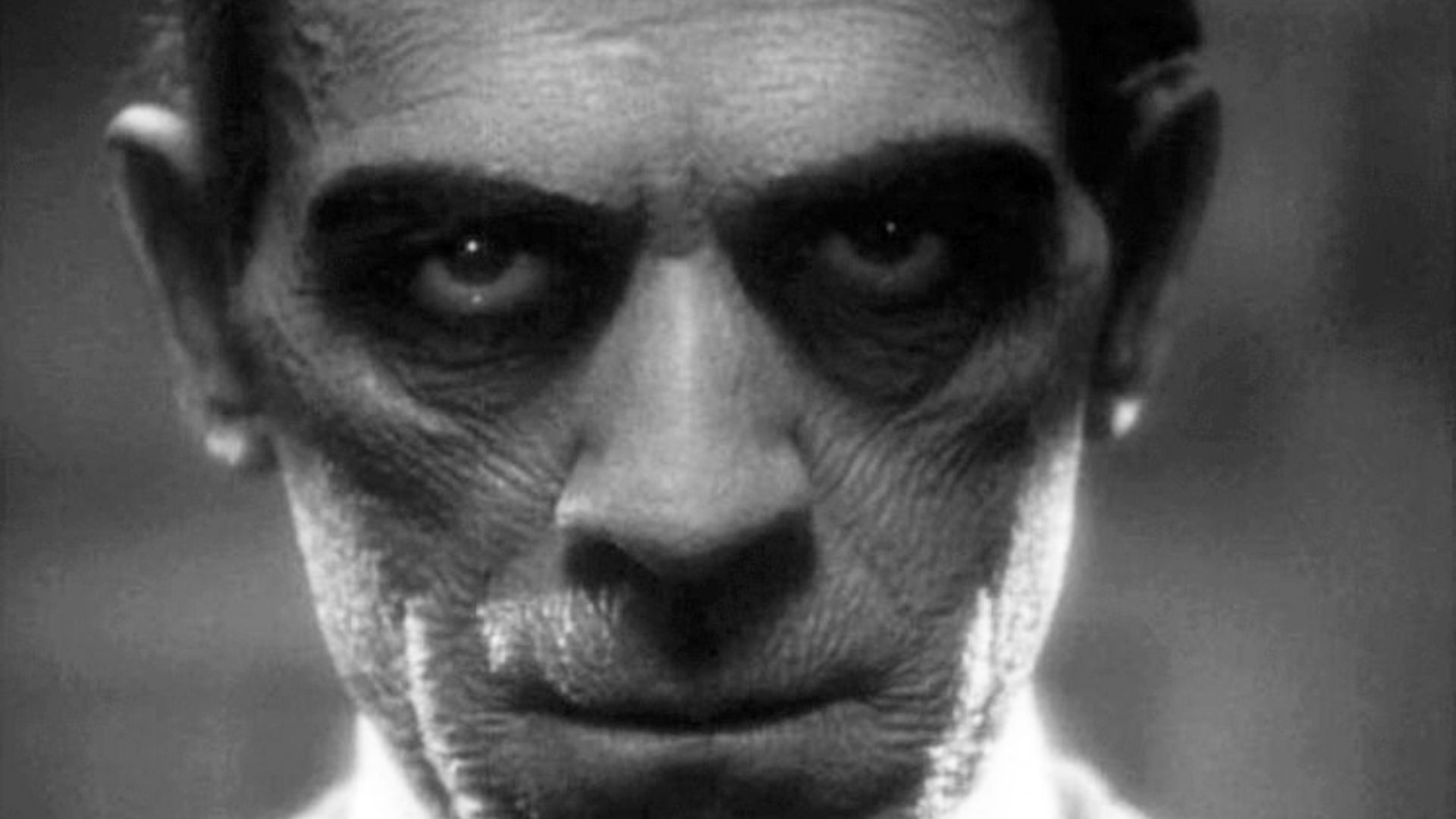
Horror has always attracted a specific kind of performer. The genre demands commitment that most dramatic roles never require.
Try conveying genuine terror while wearing latex prosthetics in a fog-drenched set at 3 a.m. These nine actors didn’t just pass through horror. They defined what the genre could achieve when real craft showed up on set.
1. Boris Karloff
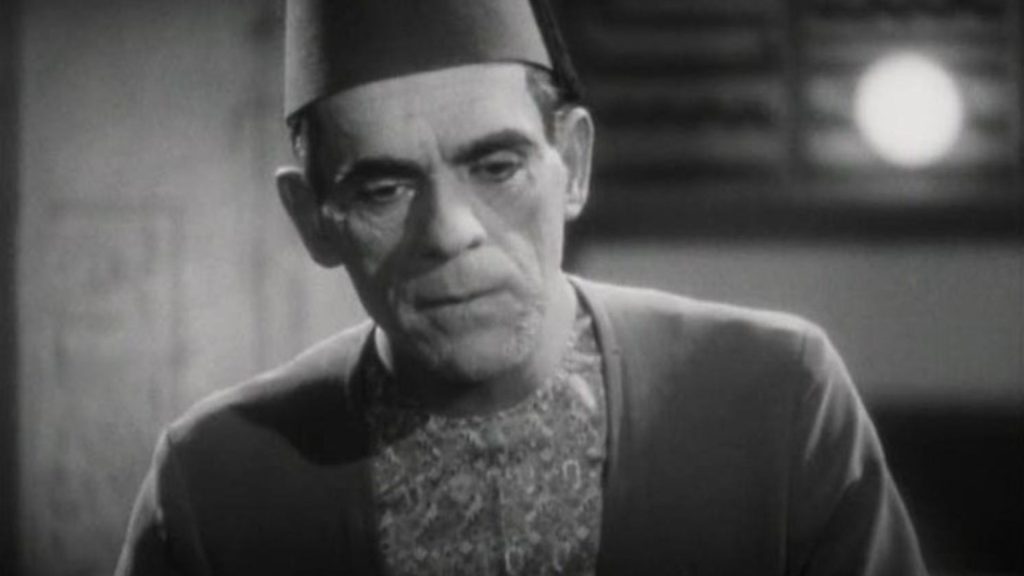
Before anyone else, there was Boris Karloff. His portrayal of Frankenstein’s monster in 1931 remains one of the most physically expressive performances in film history. He had almost no dialogue, yet communicated grief, confusion, and rage entirely through posture and movement.
Universal Pictures built an entire mythology around him, and the monster makeup by Jack Pierce became so associated with Karloff that it’s nearly impossible to separate the two. He played the monster three times, and each time found something new inside the silence.
2. Vincent Price
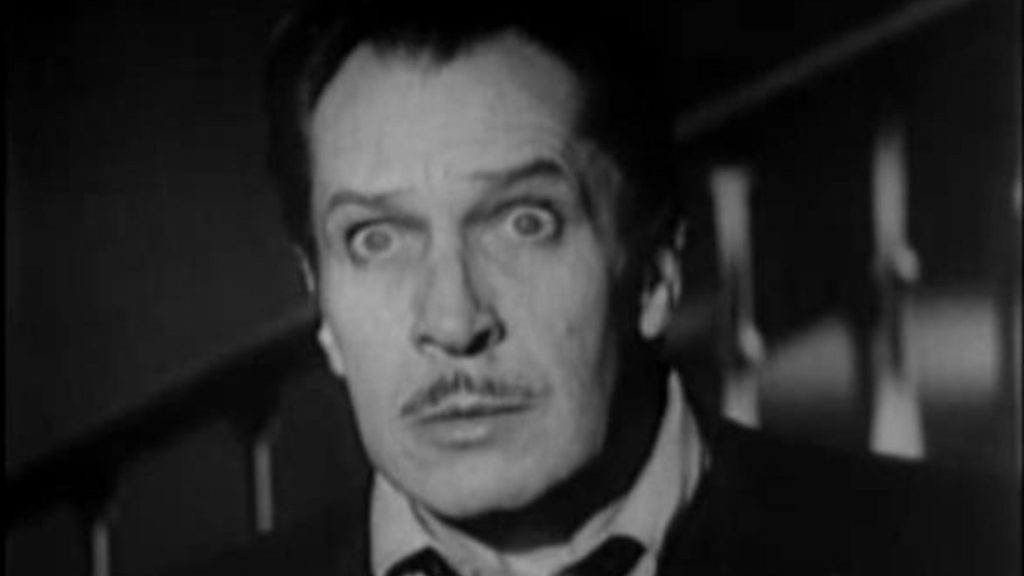
Vincent Price understood something most horror actors missed: theatricality is a tool, not a weakness. His performances in films like House of Usher (1960) and The Abominable Dr. Phibes (1971) were operatic, deliberate, and completely self-aware.
Price leaned into the grandeur. His voice alone was a special effect, and he knew it. He appeared in over 100 films and never stopped treating even the cheapest production as worthy of full commitment.
3. Peter Cushing
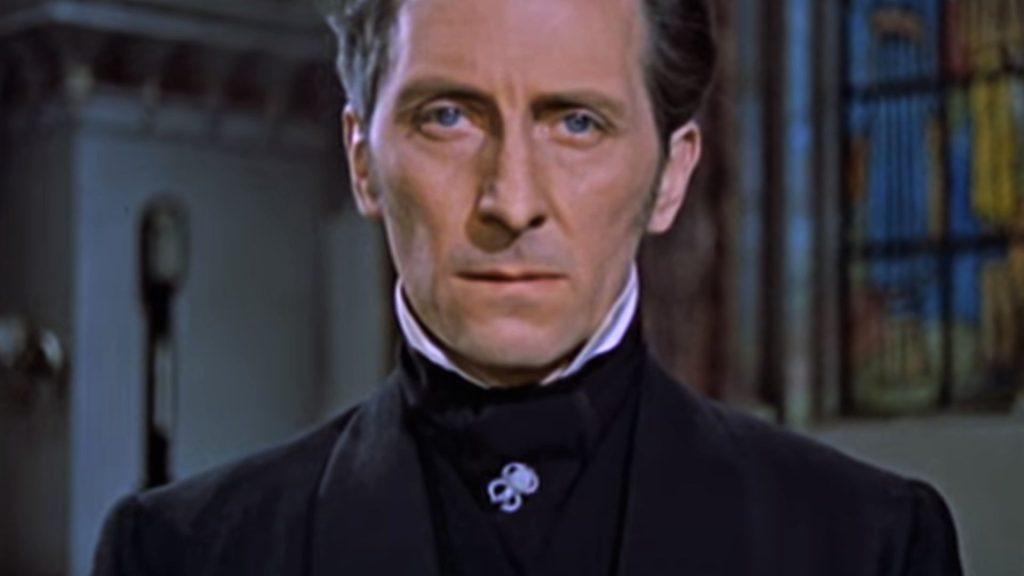
Peter Cushing was Vincent Price’s most interesting contemporary in the genre, and he operated in the opposite direction. Where Price went large, Cushing went precise. His Van Helsing in Horror of Dracula (1958) is meticulous and quietly ferocious.
Cushing brought an academic restraint to roles that could have easily become cartoonish. He and Christopher Lee anchored the Hammer Horror era, but Cushing’s performances have aged better because they feel more grounded. There’s a sadness in a lot of his work that nobody really writes about enough.
4. Christopher Lee
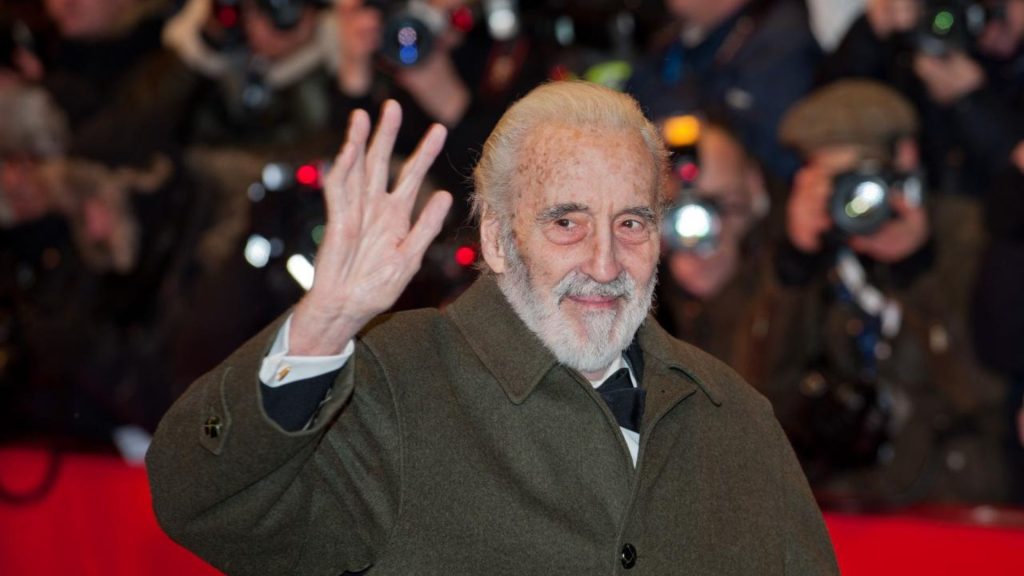
Christopher Lee played Dracula seven times for Hammer Films, which could have made the role stale by the third outing. It didn’t. Lee’s physical presence was genuinely intimidating, well over six feet tall with a baritone that carried actual threat, and he was one of the few actors in the genre who could make silence feel dangerous.
He expressed frustration with the diminishing scripts in later Hammer entries and advocated publicly for the character to be taken more seriously. That’s not a complaint from someone going through the motions.
5. Lon Chaney Sr.
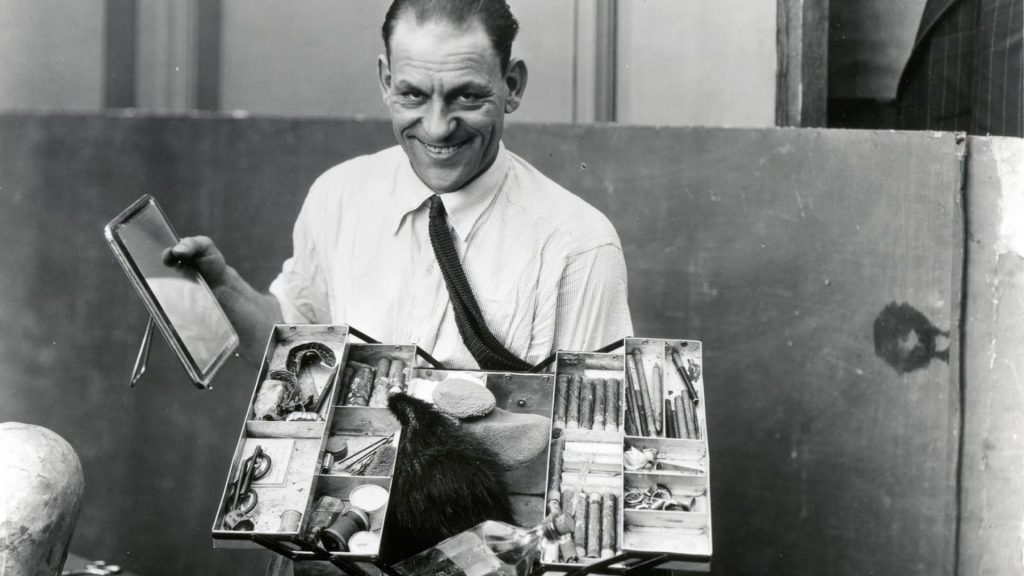
Lon Chaney Sr. belongs at this table even though he worked primarily in silent film. His transformation work in The Phantom of the Opera (1925) and The Hunchback of Notre Dame (1923) was physically punishing.
He applied his own makeup, often using techniques that caused real discomfort, and created creatures that audiences hadn’t seen anything like before. The nickname “The Man of a Thousand Faces” wasn’t marketing. It was accurate.
6. Sissy Spacek
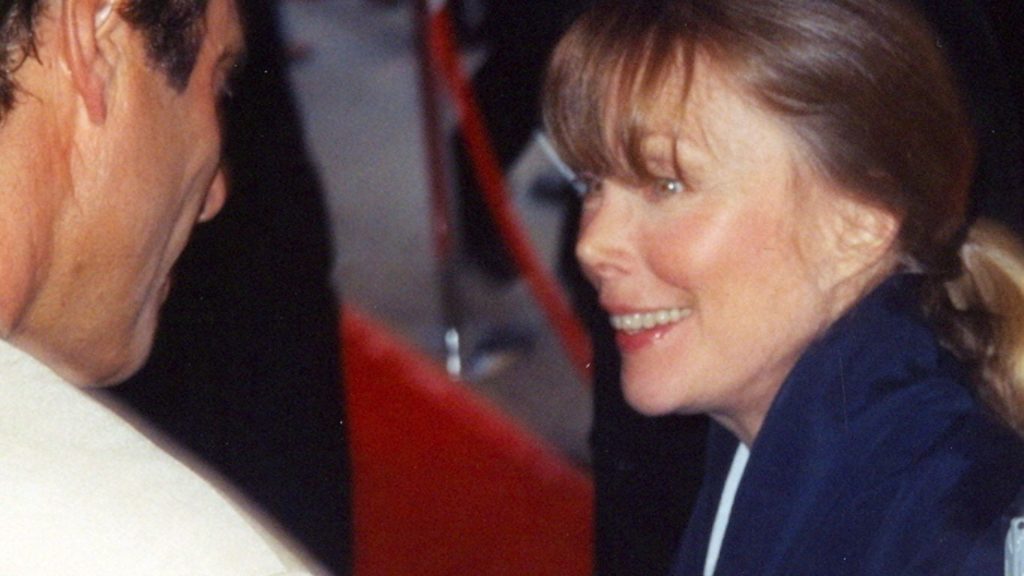
Sissy Spacek’s performance in Carrie (1976) is one of the strangest and most affecting in the horror canon. She plays a teenager so thoroughly crushed by cruelty that her eventual destruction of everyone around her feels almost logical.
Spacek was 26 when the film shot, and she committed to the vulnerability completely. The prom scene is what gets remembered, but the quiet scenes before it are where the real work happened. She earned an Academy Award nomination for the role.
7. Toni Collette
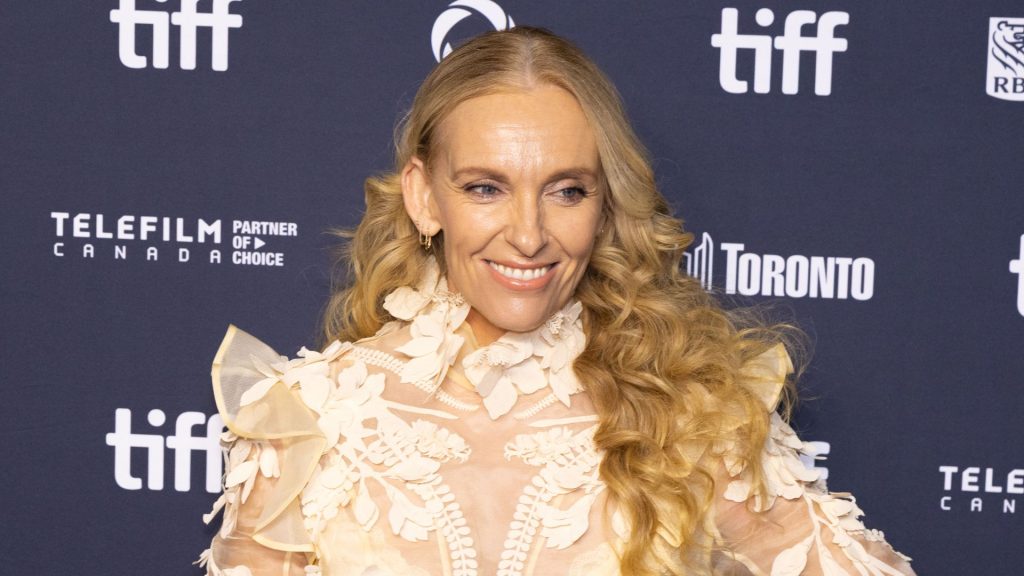
Hereditary (2018) asked Toni Collette to do things that most actors would have quietly declined. The grief scenes, the dinner table confrontation, the attic sequences. Collette threw herself into all of it.
Her performance was widely considered one of the best of that decade and was notably snubbed by the Academy Awards, which generated genuine controversy among critics and filmmakers. Ari Aster built something genuinely disturbing around her, but the film only works because she keeps it emotionally real when everything else is falling apart.
8. Béla Lugosi
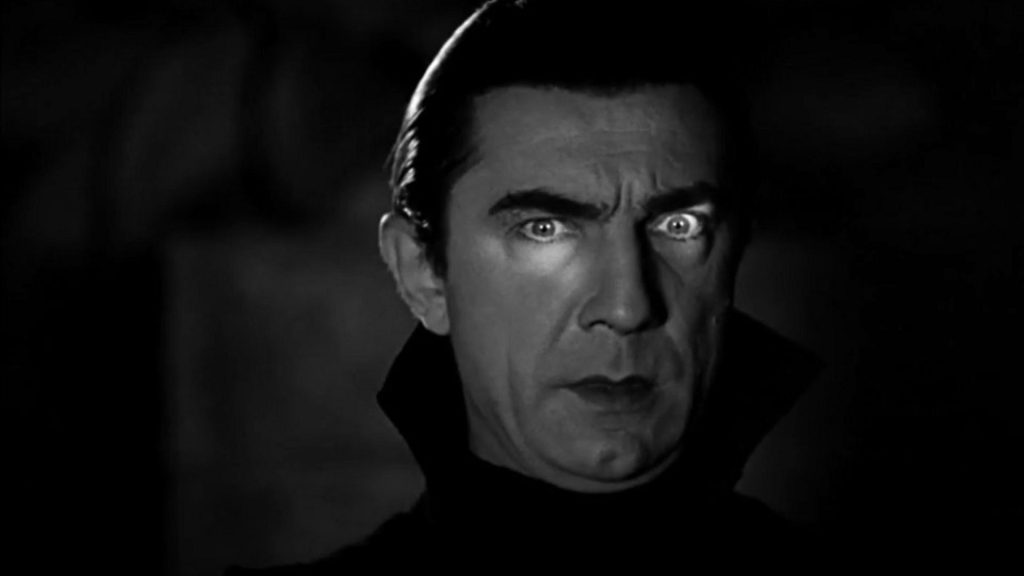
Béla Lugosi’s Dracula in 1931 established the template that every vampire performance since has either followed or pushed against. The accent, the cape, the stillness before the strike. It was theatrical in ways that shouldn’t have worked on film, and somehow it did.
Lugosi fought hard for the role after playing the Count on Broadway, and his casting was considered a risk by Universal. His later career was erratic and often exploitative, but nothing that came after erased what he built in that one performance.
9. Jamie Lee Curtis
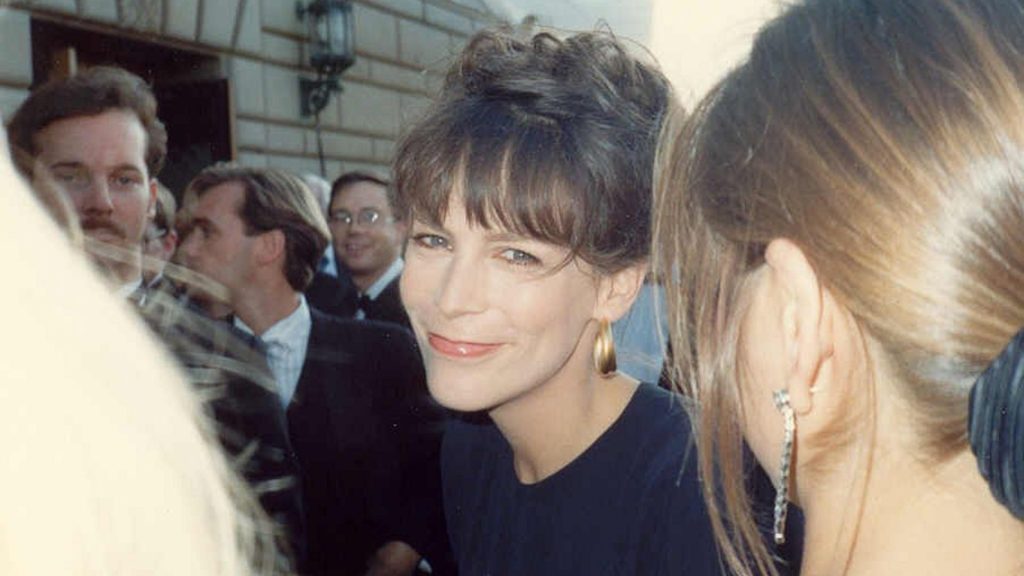
Jamie Lee Curtis got labeled a “scream queen” early in her career and spent years transcending it. Her role as Laurie Strode in Halloween (1978) set a template for the capable, resourceful female protagonist that horror films are still drawing from.
She returned to the character multiple times over four decades, most recently in Halloween Ends (2022), and brought genuine emotional weight each time. Curtis has said the character shaped her life as much as her career, and the performances back that up.