Hollywood has a long memory for near-misses. Studios spend months, sometimes years, assembling the perfect cast, only to watch someone else walk away with the entire film. The stories of who almost played which iconic role have become their own genre of entertainment trivia, but what makes them genuinely fascinating isn’t the gossip.
It’s how often the backup plan turned out to be the whole point. These eight performers weren’t the first name on the list, and yet their performances are the ones people still talk about.
1. Humphrey Bogart – Casablanca (1942)
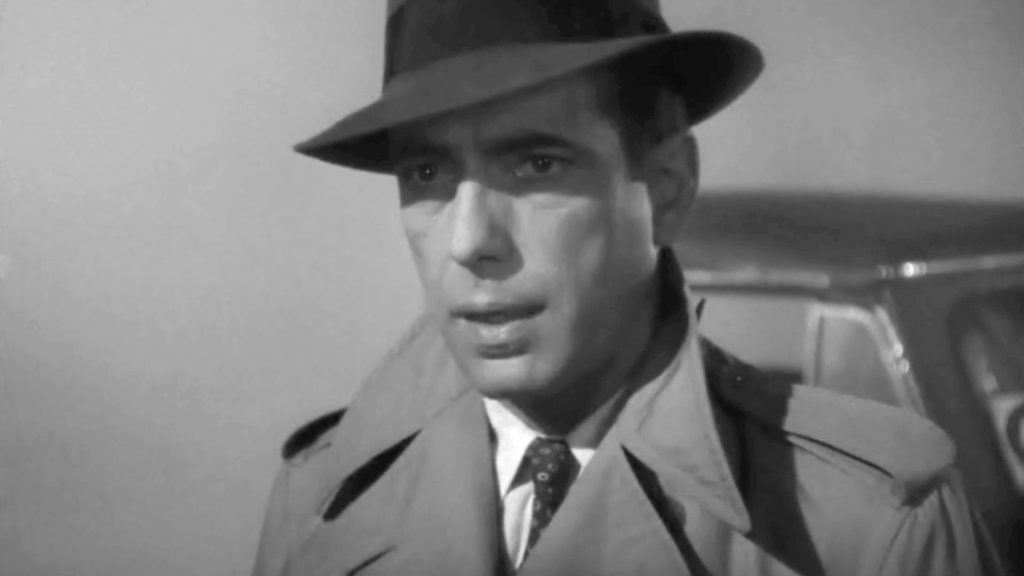
George Raft turned down Rick Blaine, reportedly because he didn’t trust the director. Bogart, who was handed the role almost by default, turned it into the defining performance of his career.
Raft made a habit of rejecting parts that became classics. He also passed on The Maltese Falcon. Some people just have a gift for being wrong at exactly the right moment.
2. Harrison Ford – Star Wars (1977)
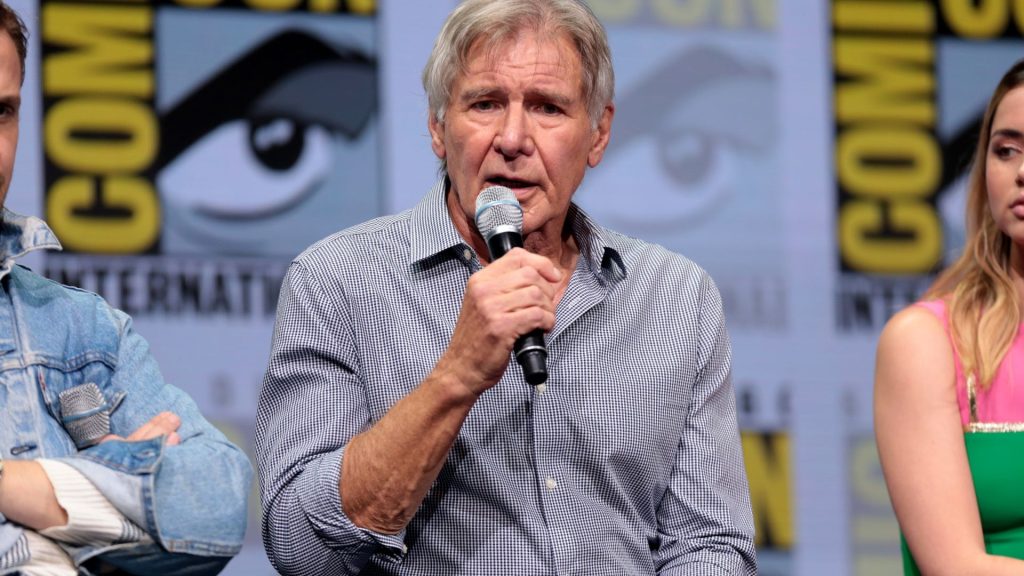
Ford was only on set to read lines with other actors during auditions. George Lucas kept calling him back, and eventually the carpenter-turned-actor became Han Solo. Christopher Walken, Kurt Russell, and Sylvester Stallone were all in the mix at various points.
Ford’s loose, slightly irritated energy gave Solo a credibility none of those alternatives would have matched in quite the same way.
3. Heath Ledger – The Dark Knight (2008)

Warner Bros. was not initially enthusiastic. Director Christopher Nolan pushed for Ledger after seeing his work in Brokeback Mountain, and the studio came around.
Robin Williams had expressed interest in playing the Joker years earlier for a different project. Ledger’s version remains the standard against which every screen villain gets measured, a posthumous Oscar winner who transformed a comic book role into something genuinely unsettling.
4. Sigourney Weaver – Alien (1979)
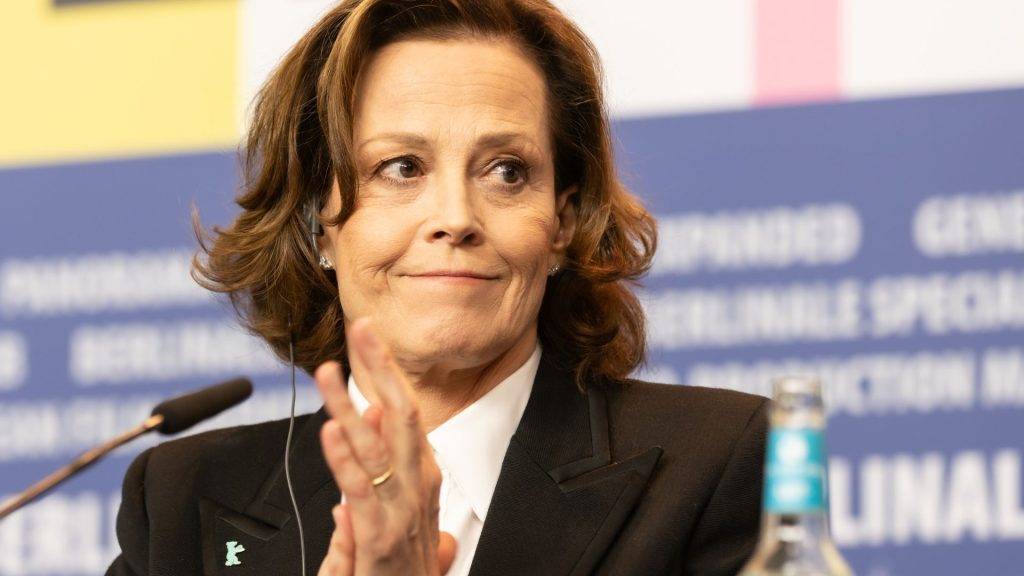
The studio wanted a bigger name, and several established actresses were considered before Ridley Scott landed on Weaver, who had limited film credits at the time.
Ellen Ripley became one of the most influential action protagonists in cinema history, a character so well-constructed that the franchise kept returning to her across decades. Weaver was 29 when filming began.
5. Tom Hanks – Forrest Gump (1994)
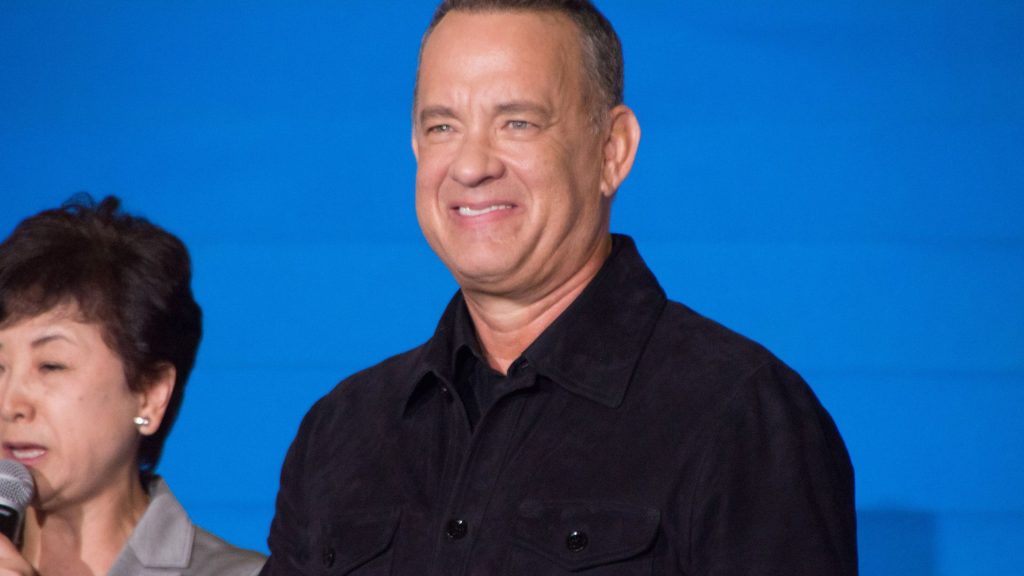
John Travolta was offered the role first and passed. Bill Murray and Chevy Chase were also reportedly considered during early development.
Hanks had already won an Oscar for Philadelphia the previous year, but Forrest Gump earned him a second consecutive one, a feat matched only by Spencer Tracy in 1937 and 1938. The film grossed over $678 million worldwide against a $55 million budget.
6. Jennifer Lawrence – The Hunger Games (2012)

The studio tested a wide range of actresses, with Hailee Steinfeld, Abigail Breslin, and Saoirse Ronan among those considered. Lawrence, coming off Winter’s Bone, was 21 at the time of casting and older than the 16-year-old Katniss in the books, which generated some debate.
The franchise went on to gross over $2.9 billion globally. The age gap became a non-issue within about ten minutes of her first scene.
7. Jack Nicholson – One Flew Over the Cuckoo’s Nest (1975)
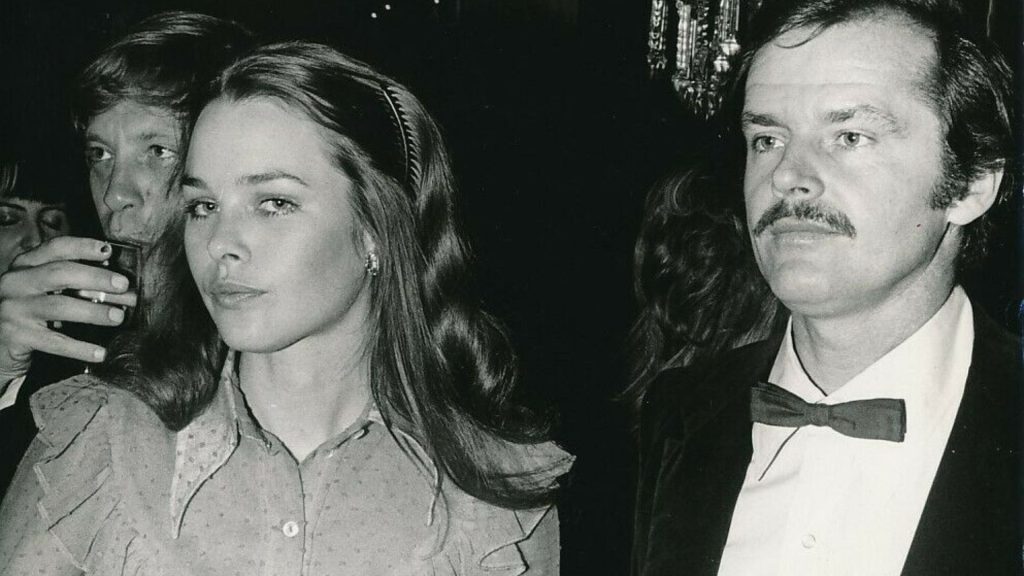
The role of Randle McMurphy was developed for years with Kirk Douglas attached, who had bought the rights to Ken Kesey’s novel himself. When Douglas was passed over for the film adaptation in favor of a younger cast, his son Michael produced the project and Nicholson was brought in.
Nicholson won the Academy Award, the film swept all five major Oscar categories, and Kirk Douglas has been candid over the years about the sting of missing it.
8. Marlon Brando – The Godfather (1972)
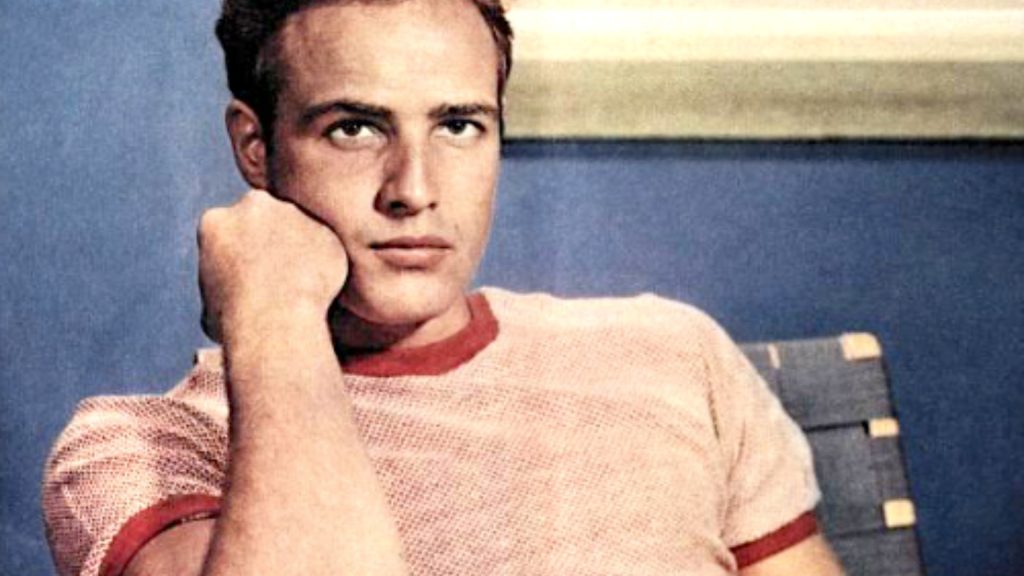
Paramount executives actively opposed casting Brando, considering him box office poison after a string of commercial disappointments.
Director Francis Ford Coppola threatened to quit if he didn’t get his way. Brando screen-tested with cotton stuffed in his cheeks to alter his jawline, and the performance that followed won him his second Oscar. He famously declined to accept it.
The Pattern Holds
Studios optimize for safety. They reach for proven names, familiar faces, and bankable stars, which is a reasonable business instinct that has produced some of cinema’s most forgettable casting decisions.
The performances that endure tend to come from someone willing to take the role seriously when nobody expected much from them. Being second on the list can remove the weight of expectation, and sometimes that turns out to be the best condition for doing the best work.