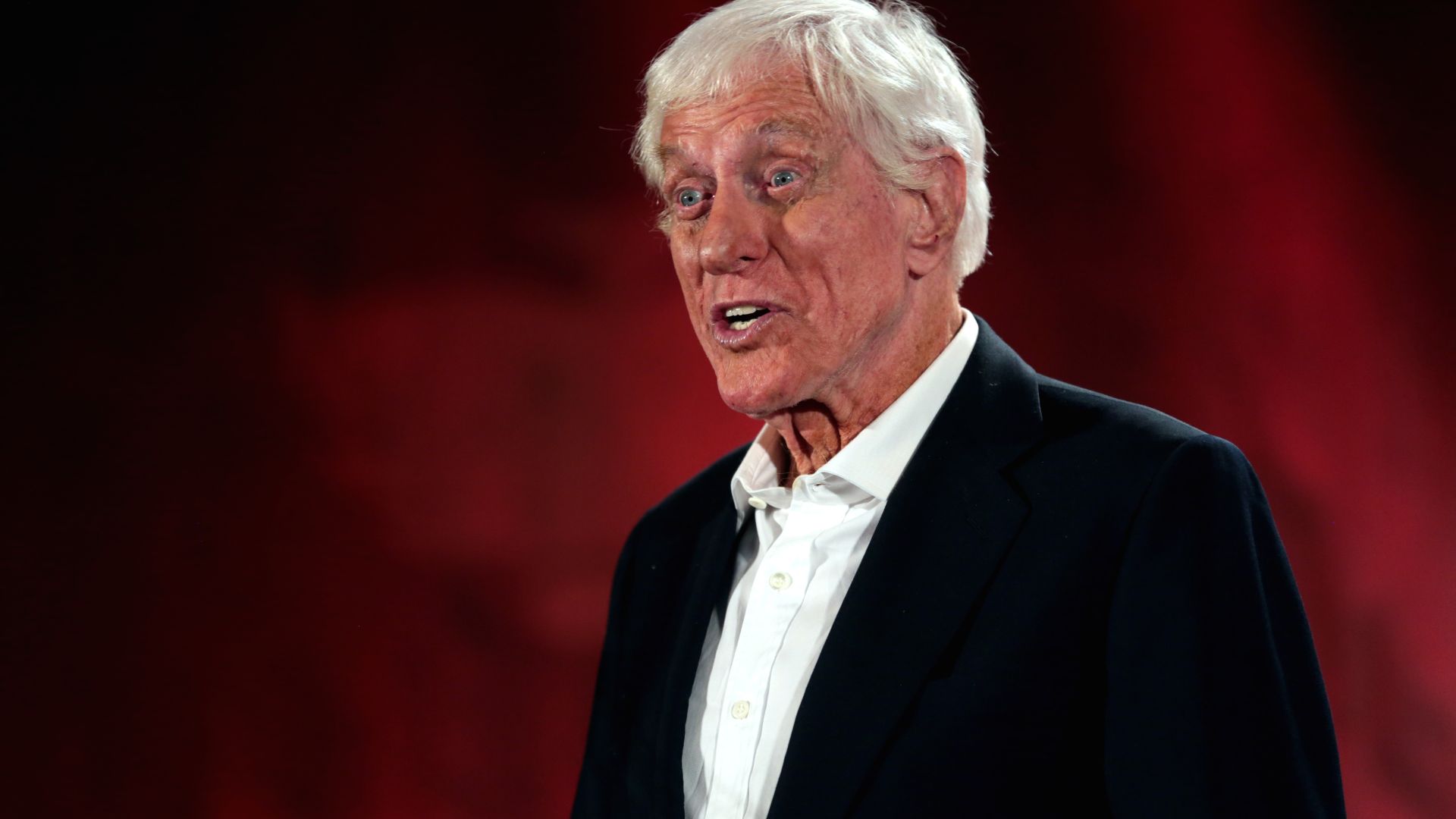
Dick Van Dyke turned 100 in December 2025, and he marked the occasion by doing what he has always done: staying busy, staying cheerful, and staying honest about how he got there.
The man who danced across rooftops in Mary Poppins and charmed generations of audiences in The Dick Van Dyke Show released a book, 100 Rules for Living to 100: An Optimist’s Guide to a Happy Life, and sat down for interviews that left people genuinely surprised. Not because his advice was complicated. Because it wasn’t.
The Two Things He Avoided
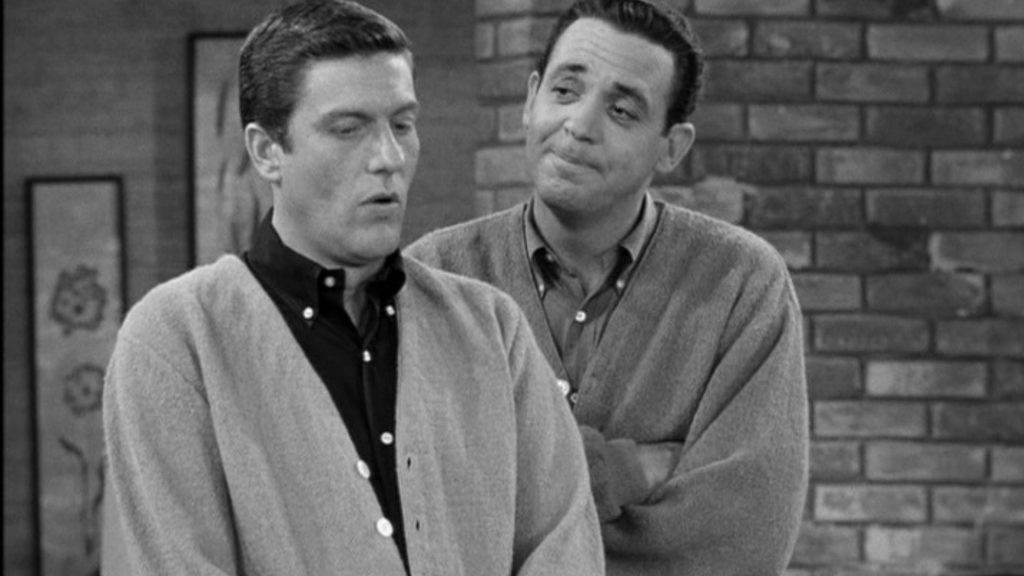
Van Dyke has been remarkably direct about what he credits for his longevity. Two habits in particular, he says, would have shortened his life considerably: smoking and drinking.
He gave both up decades ago, and he has no ambiguity about the effect. “So I got rid of booze and cigarettes and all that stuff, which is probably why I’m still here,” he told People magazine at a gathering at his Malibu home. That’s not a man hedging. That’s someone who made a hard call and watched it pay off over 50 years.
He Wasn’t Always Clean-Living
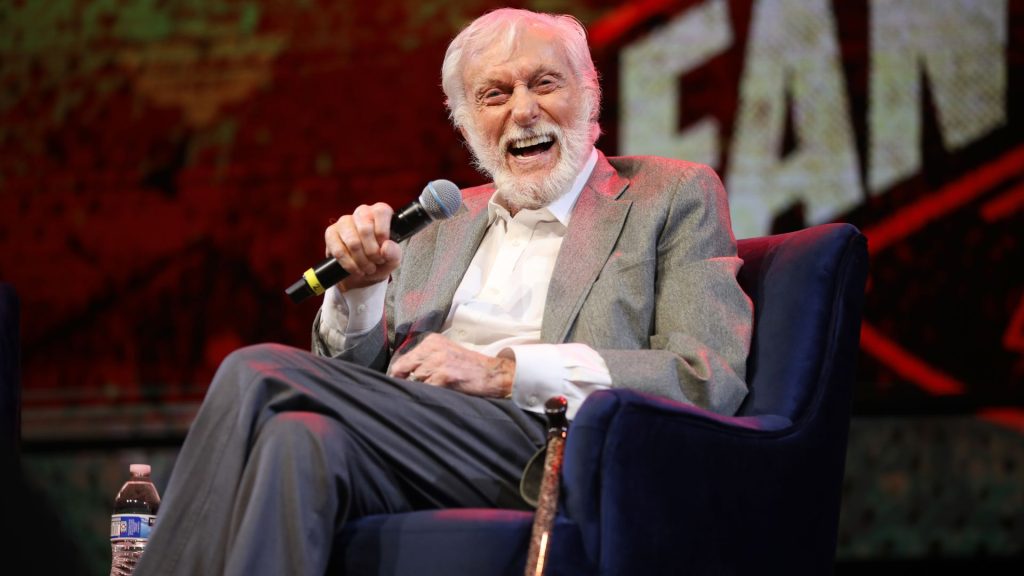
The squeaky-clean Disney image never told the full story. Van Dyke has been open about the fact that he smoked heavily for years. “I smoked a lot, actually!” he admitted. It was only around his 50s that the pattern became clear to him.
“I think I was probably in my 50s before it dawned on me that I had an addictive personality.” That level of self-awareness matters. A lot of people recognize the problem and do nothing with the recognition. Van Dyke acted on it.
What the Science Says
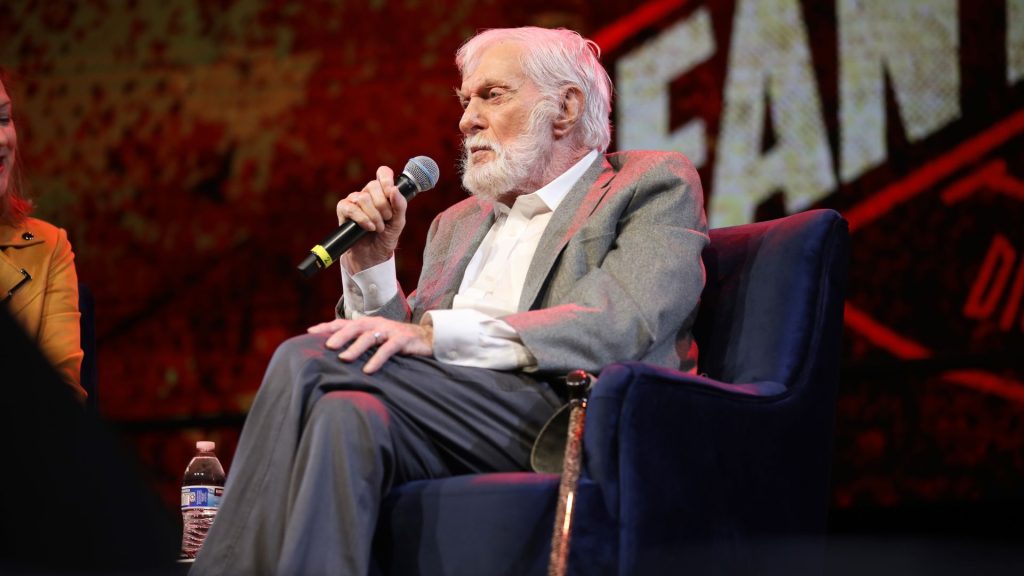
His experience lines up with decades of research. Tobacco use remains one of the leading causes of preventable death in the United States, linked to lung disease, cardiovascular damage, and numerous cancers. Chronic heavy drinking carries its own toll on the liver, the heart, and cognitive function.
The Centers for Disease Control and Prevention consistently rank smoking and excessive alcohol among the most damaging long-term habits a person can maintain. Van Dyke quit both, and he did it before the cumulative damage became irreversible.
The Emotional Piece
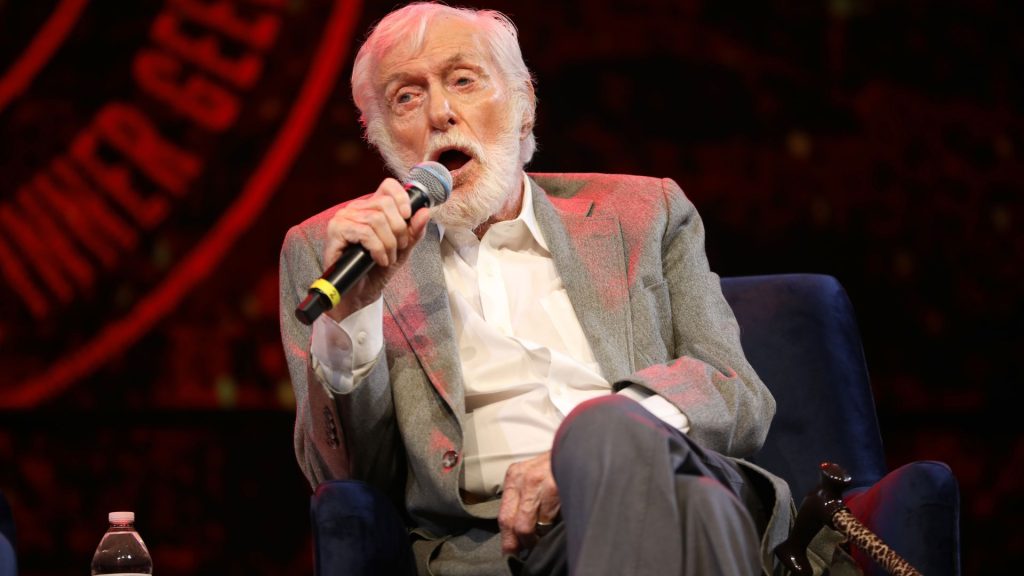
The physical habits are only part of the picture. In separate interviews, Van Dyke pointed to something less tangible but equally firm: he has spent his life avoiding anger and hate. “I’ve always thought that anger is one thing that eats up a person’s insides, and hate,” he told People.
He acknowledged having people he disapproved of, situations that frustrated him. “But I never really was able to do a white heat kind of hate.” Whether that’s temperament or discipline is hard to say. Probably both.
The Role of Movement
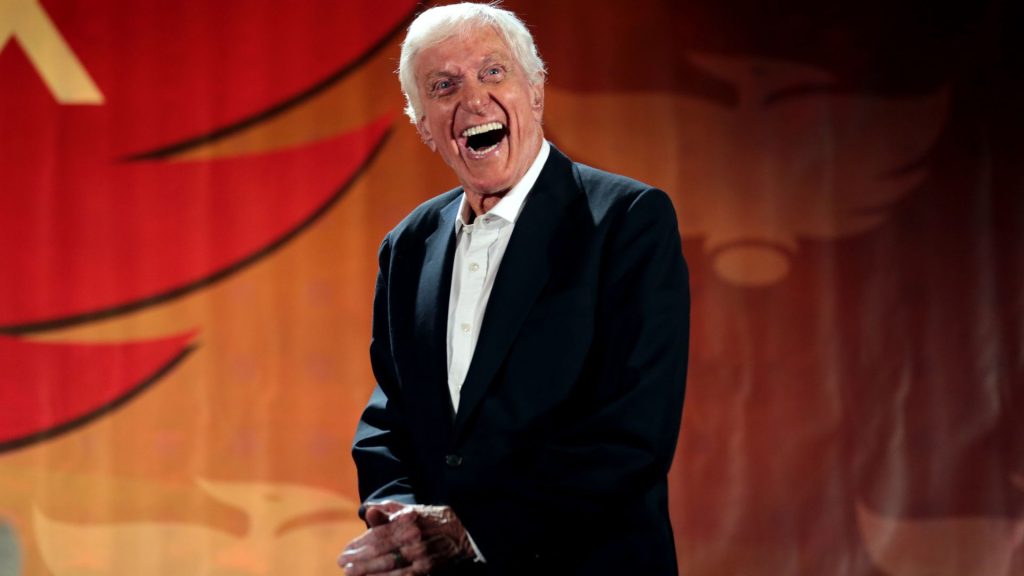
Van Dyke hits the gym three days a week. At 99. He does a full circuit, starting with the sit-up machine, then moving to leg work, which gets special attention because, as he has written, his legs are two of his most cherished possessions. He then finishes with upper body. He also does yoga and stretching on off days. The physical routine isn’t about vanity or performance. It’s maintenance, plain and simple.
Muscle mass and bone density decline with age, and consistent resistance training slows that process considerably. Van Dyke clearly understands that staying mobile is not a bonus feature of aging well. It’s the whole game.
Marriage as a Longevity Factor
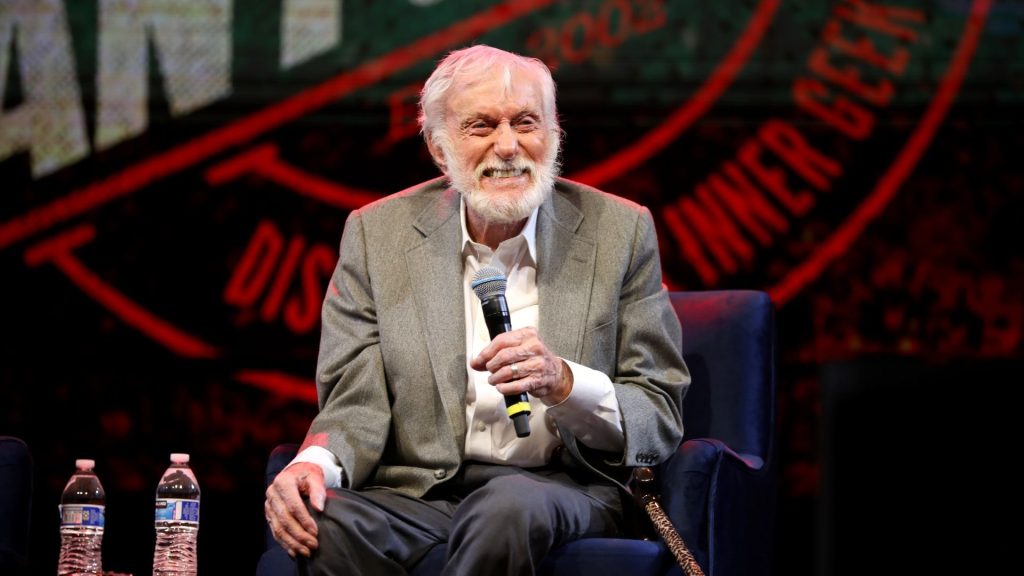
Van Dyke has been married to Arlene Silver, who is 46 years his junior, since 2012, and he credits her directly with keeping him engaged with life. “Without question, our ongoing romance is the most important reason I have not withered away into a hermetic grouch,” he wrote in a health diary for The Times.
He described their mornings in near-cinematic terms: Arlene dancing to pharmaceutical commercials to coax him out of bed, the two of them ending up in the kitchen singing, occasionally breaking into a soft-shoe routine. That kind of daily joy is not a small thing.
Laughter as Medicine
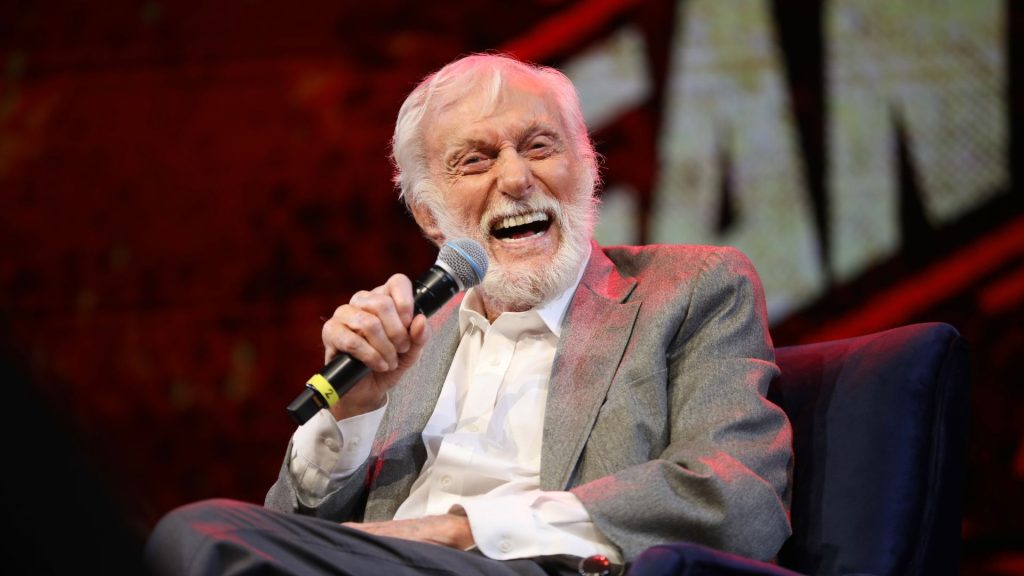
Van Dyke has never stopped performing, and he connects that directly to his mental sharpness. Appearing in a Coldplay music video in 2024 at age 98 was not a PR stunt. It was consistent with who he has always been: someone who shows up, engages, and refuses to check out. His advice on embracing aging comes back to humor. The ability to laugh at yourself, he says, outpaces most other coping strategies.
Grief is real for him too. He has noted that virtually every close friend from his earlier life is gone, which he described as genuinely lonely. Laughter doesn’t erase that. It just keeps a person moving through it.
What His Approach Actually Looks Like
The formula Van Dyke describes is spare. No alcohol. No tobacco. Regular exercise. A marriage he invests in daily. Work he cares about. A disposition that leans toward the positive without pretending everything is fine. He doesn’t claim genetics are irrelevant or that luck played no part.
He acknowledges both. The point he makes is that the choices he made in his 50s created the conditions for everything that followed. That window, the middle decades when habits are still reversible, may be where most of the real work happens.
A Century’s Worth of Perspective
Van Dyke’s 100 Rules for Living to 100: An Optimist’s Guide to a Happy Life draws from his own stories rather than general wellness principles. Each rule, he explained, stuck in his memory because it carried emotional weight. That framing says something.
The advice that actually changes behavior tends to come attached to a real experience, not a checklist. He has lived through Hollywood’s golden era, personal struggles, loss, reinvention, and a second marriage that clearly delights him. At 99, the man is not coasting. He is still figuring out what comes next.