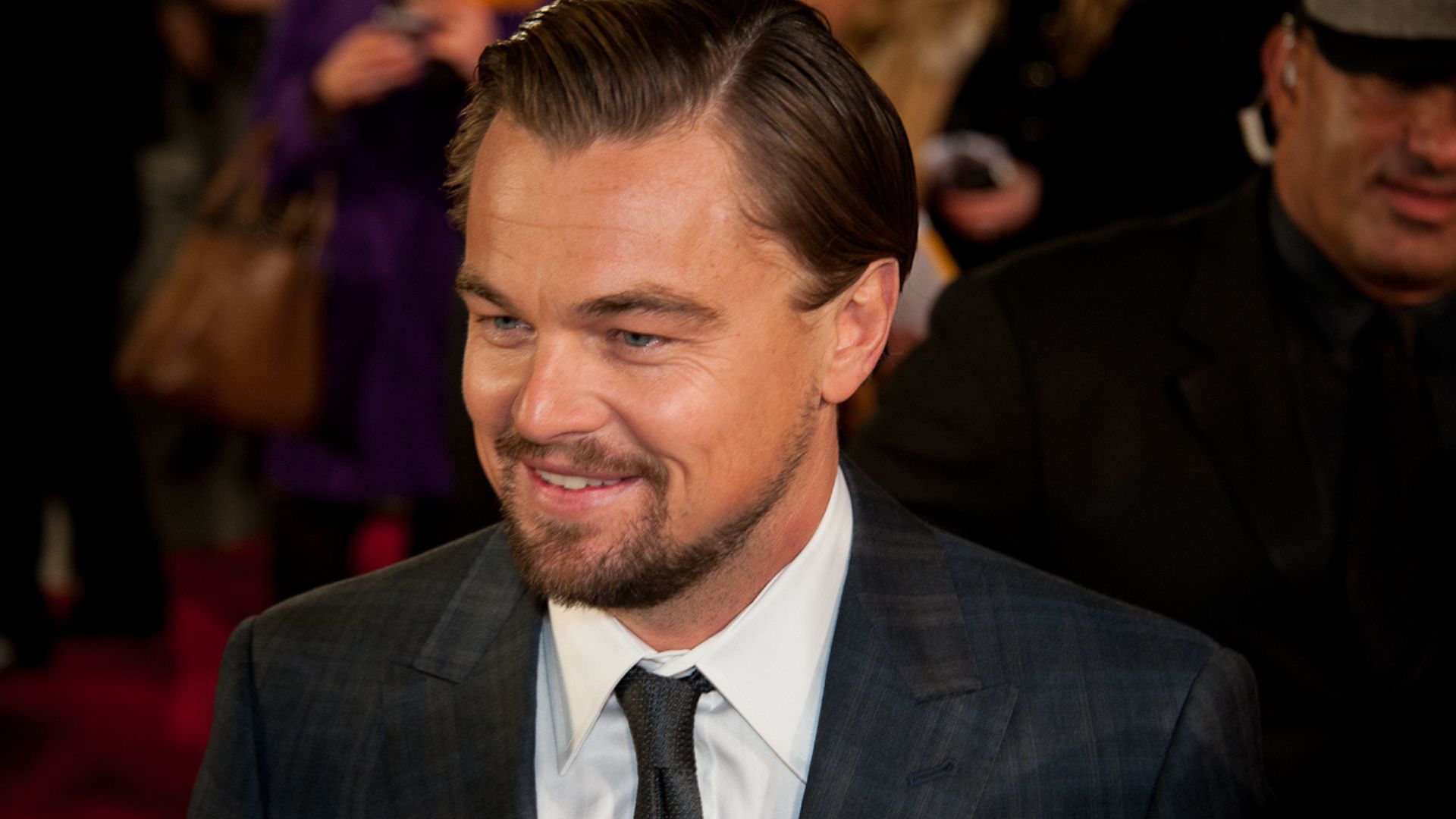
Leonardo DiCaprio has earned somewhere north of $300 million over his career, and the way he moves money around tells you a lot about who he actually is. There’s the expected stuff, like real estate, cars, the occasional yacht rental, but DiCaprio’s spending habits get genuinely strange and interesting once you look past the obvious.
Some of it is idealistic, some of it is obsessive, and a few line items are the kind of thing that makes you stop and reconsider the man entirely.
1. Environmental Activism and Conservation Funding
The Leonardo DiCaprio Foundation funneled over $100 million into environmental causes between its founding in 1998 and 2019. That’s not a PR exercise. DiCaprio has personally funded projects protecting tiger populations in Nepal, backed a $15.6 million grant initiative distributed across more than 70 conservation organizations in over 40 countries, and financed renewable energy access for communities around the globe through initiatives like the Solutions Project.
He’s also an early backer of Impossible Foods and other plant-based protein ventures, investments that double as ideological statements about industrial agriculture.
2. Rare and Unusual Art Collection
DiCaprio owns pieces by Jean-Michel Basquiat, Salvador Dalí, Banksy, and various street artists, but his collection has a genuinely eccentric edge. He’s been documented purchasing works at auction that aren’t trophy art, pieces with weird, grotesque, or politically uncomfortable imagery.
He paid $1.42 million for Dalí’s surrealist canvas Chevaliers en Parade at a 2011 Christie’s auction in New York. The collection spans contemporary American painting, pop surrealism, and street art, which is an unusual combination for someone with that level of wealth.
3. Island Real Estate
DiCaprio owns Blackadore Caye, a private island off the coast of Belize. He purchased it in 2005 for around $1.75 million and has spent years planning an eco-resort on the property, a project that has been famously slow-moving, caught up in environmental permitting and design revisions.
The whole endeavor says a lot about how DiCaprio thinks: even his luxury real estate purchases come attached to a philosophy. Whether the resort ever fully materializes is another question.
4. Vintage and Exotic Vehicles
The man loves cars, but with a focus on the unusual. He’s owned a hybrid Toyota Prius since the early 2000s, back when that was a genuinely countercultural choice for a Hollywood star, alongside a Tesla Roadster.
He also has a taste for vintage vehicles, including classic Volkswagen Beetles and pre-war European models. It’s a collection that blends nostalgia with environmental signaling, which is pretty on-brand.
5. Dinosaur Fossil Bidding War
This is where things get strange. DiCaprio entered a bidding war with Nicolas Cage in March 2007 over a Tyrannosaurus bataar skull at a Beverly Hills auction held by I.M. Chait Gallery, and lost. Cage paid $276,000 for the fossil, beating DiCaprio to the prize. The story has a postscript worth noting: seven years later, in July 2014, the Department of Homeland Security contacted Cage after investigators determined the skull had been illegally smuggled out of Mongolia’s Gobi Desert.
Cage cooperated and ultimately forfeited the skull to the U.S. government in December 2015, which returned it to Mongolia. He was not accused of any wrongdoing. That DiCaprio was willing to spend that kind of money on a dinosaur skull in the first place is still one of the more telling details about his character.
6. Massive Property Portfolio
Beyond Belize, DiCaprio owns property across Los Angeles, a compound in Palm Springs, and has previously held real estate in New York. His Malibu holdings alone represent tens of millions of dollars in coastal property.
He’s quietly built one of the more valuable celebrity real estate portfolios in the country, often buying, renovating, and reselling at a profit, including a Malibu beach house on Carbon Beach purchased for around $1.6 million in 1998 and eventually sold for $10.3 million in 2021.
7. Film Production Investment
Appian Way Productions, DiCaprio’s production company, has backed films well outside the mainstream. He’s financed documentaries on climate, wildlife trafficking, and political corruption, projects that don’t generate much revenue but shape the conversation around issues he cares about.
The company has also co-produced several prestige features, giving DiCaprio creative control over projects he believes in rather than simply chasing box office.
8. Philanthropy Beyond Environment
DiCaprio’s giving extends into disaster relief and social justice causes. He donated $1 million to Hurricane Harvey relief in 2017, specifically to the United Way Harvey Recovery Fund, and has contributed to education programs in underserved communities across the U.S.
He’s less visible about these donations than his environmental work, which makes them easy to overlook. For someone with his platform, the quieter philanthropy is often more telling than the branded advocacy.
Genuine Fixations
What DiCaprio’s spending ultimately reflects is a man with genuine fixations rather than a celebrity on autopilot. The fossil bidding war alone, and what it reveals about his taste for the strange and rare, separates him from most people in his tax bracket.
Whether you find the eco-resort on a private Belizean island ironic or earnest, the full picture of how he spends his money is considerably more interesting than most of his contemporaries.