The British royal family has been under a microscope for centuries, yet somehow keeps producing moments that catch people off guard. Between the pageantry and the protocol, there are details about their lives, history, and traditions that rarely surface in the usual coverage.
Some are quirky, some are genuinely strange, and a few reveal just how different life inside the monarchy really is.
1. The King Has Rights Over Unmarked Mute Swans
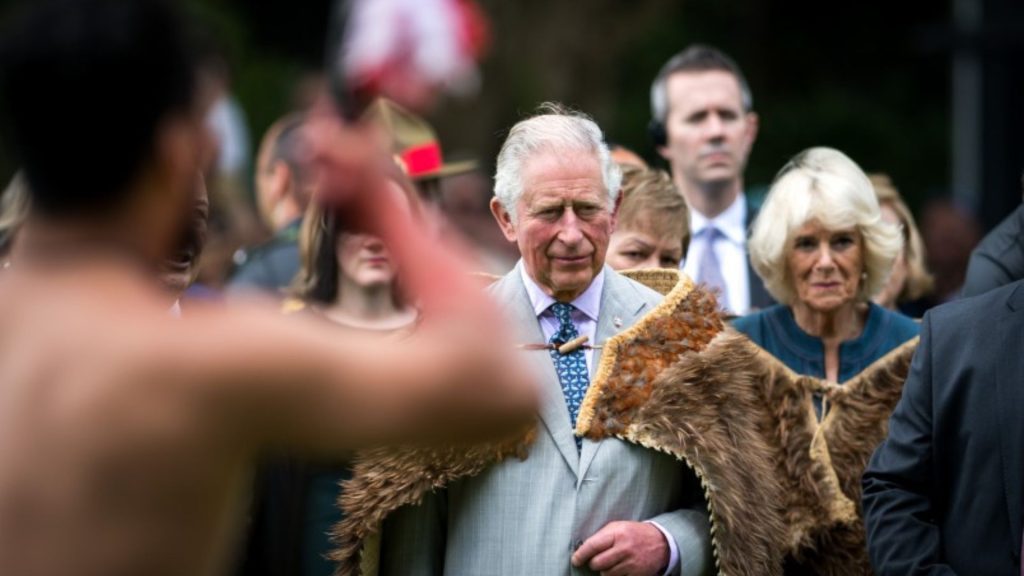
King Charles III holds historic rights over unmarked mute swans in certain stretches of the River Thames and surrounding waters in England and Wales. This tradition is shared with the Vintners’ Company and the Dyers’ Company, rather than being an exclusive personal ownership right of the monarch.
This is exercised through an annual census called Swan Upping, held every July on the Thames, where royal swan markers count and inspect the birds. The tradition dates back to the medieval period, when swans were considered a valuable food source reserved for the Crown and certain guilds.
2. Royals Don’t Need a Passport
British passports are issued in the name of the reigning monarch, which creates an unusual legal situation: the monarch does not require a passport for international travel because they are effectively the issuing authority.
Other members of the royal family travel on standard UK passports. The same constitutional principle applies to driving licences in practice, though all royals still follow the same road laws as the public.
3. The King’s Speech Is Written by the Government
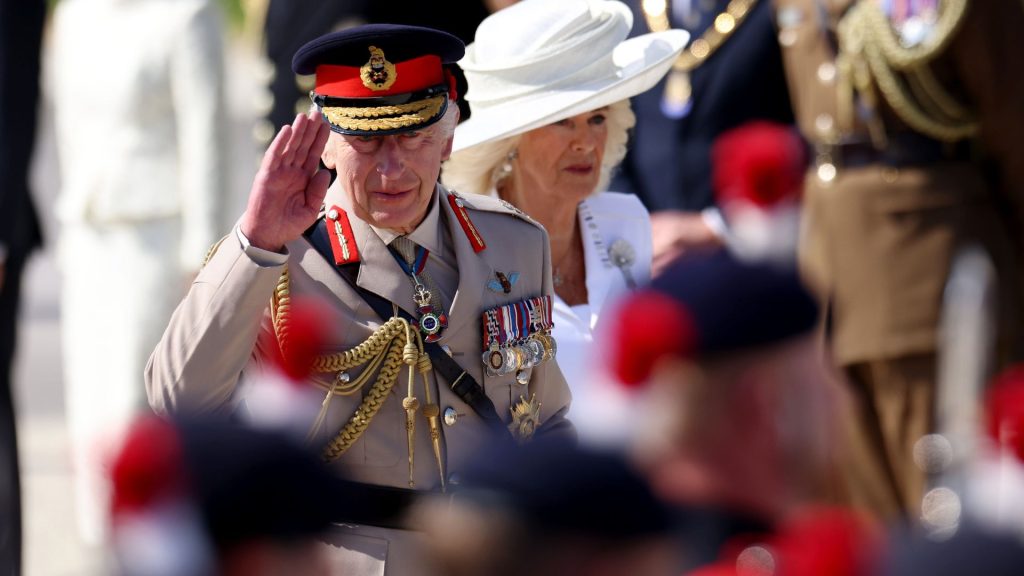
The annual State Opening of Parliament speech is delivered by the monarch but written entirely by the sitting government. It reflects the Prime Minister’s legislative agenda rather than the personal views of the sovereign.
The monarch’s role is constitutional and ceremonial: they read the speech as part of tradition, but have no role in drafting its contents.
4. There Is No Requirement for Royals to Marry Royals
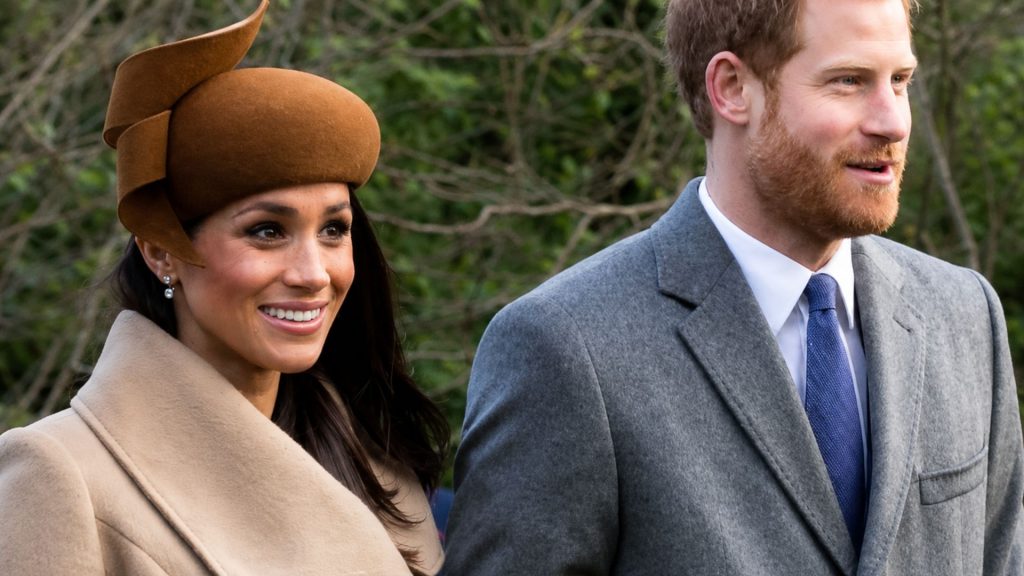
There is no legal requirement for members of the royal family to marry other royals or aristocrats. The Royal Marriages Act 1772 once required certain descendants of King George II to obtain the monarch’s consent, but this was replaced and modernised by the Succession to the Crown Act 2013.
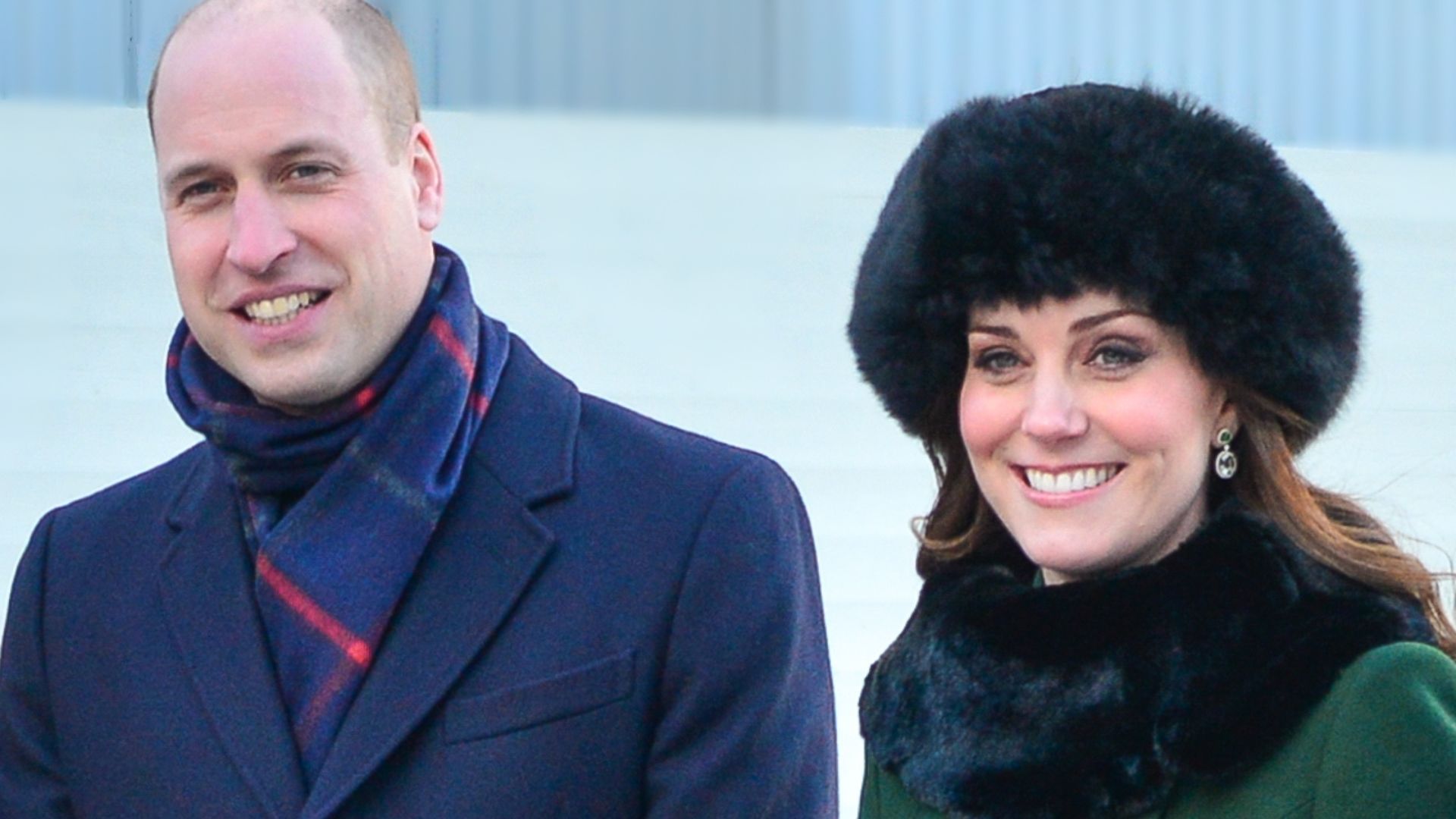
Today, most royals marry outside traditional royal or aristocratic circles. For example, Princess Diana, Catherine (Princess of Wales), and Meghan Markle all came from non-royal backgrounds.
5. The Royal Family Has a Different Surname Than Most People Think
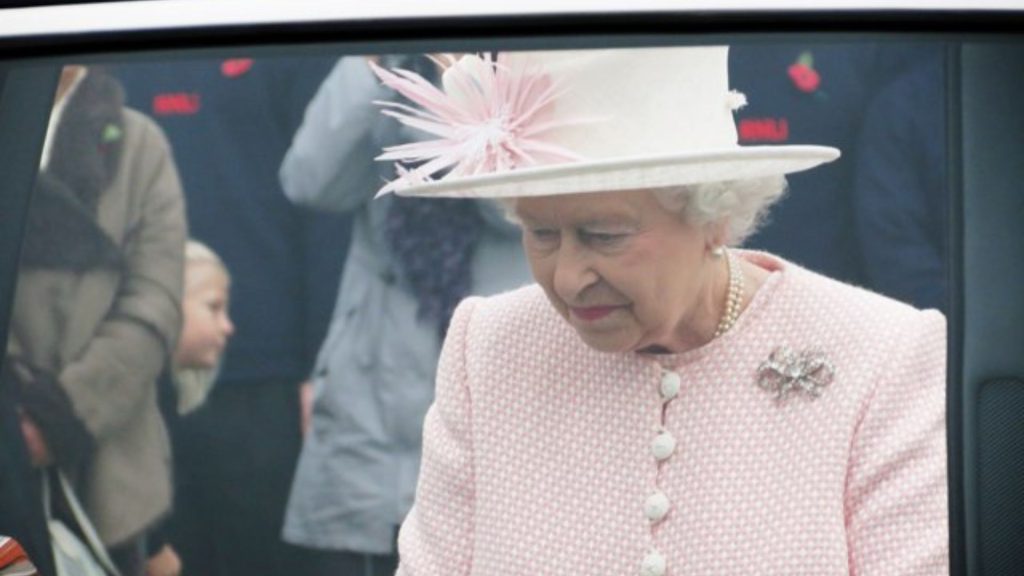
“Windsor” is the official house name of the royal family, not a traditional surname in the ordinary sense. The surname used by descendants of Queen Elizabeth II and Prince Philip is “Mountbatten-Windsor,” established in 1960.
Before 1917, the family used the German name Saxe-Coburg and Gotha. During World War I, King George V changed it to Windsor to remove German associations during a period of strong anti-German sentiment.
6. No Official “Court Jester” Role Exists Today
The last official court jesters in British history disappeared in the 17th century, and there has been no modern revival of an official royal household position of “court jester.”
While entertainers and performers have occasionally been invited to royal events or private functions, no member of the royal household has formally appointed a court jester in modern times.
7. The Crown Jewels Were Hidden During World War II
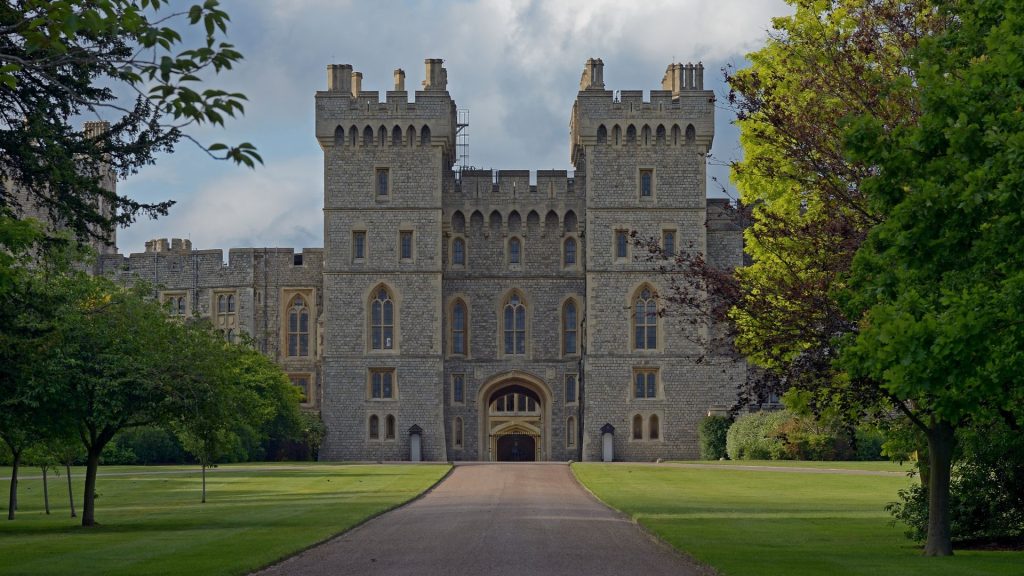
The Crown Jewels were removed from public display during World War II for security reasons and stored in secret at Windsor Castle. They were kept in a secure underground location and protected from potential bombing or theft.
After the war, they were returned to the Tower of London and restored to public display.
8. Royal Mail Boxes Bear the Monarch’s Initials
Red post boxes in the United Kingdom feature the royal cipher of the reigning monarch at the time of installation. For example, boxes installed during the reign of Queen Elizabeth II bear “EIIR,” while newer ones under King Charles III carry “CIIIR.”
Older boxes remain in use across the country, meaning different monarchs’ cyphers can still be seen on streets today.
9. The Royal Family Does Not Vote
No law explicitly bans members of the royal family from voting in UK elections, but constitutional convention dictates that they do not vote in order to maintain political neutrality.
British Royal Family members therefore abstain from voting as part of long-standing tradition and public expectation, even though the practice is not legally enforced.