The modeling industry has always had a type. For decades, agencies worked from a narrow script: tall, thin, conventionally symmetrical, preferably young.
What happened over the last couple of decades is that the script got rewritten, not by the industry itself, but by individuals who refused to wait for permission. These eight models didn’t just find success, they redefined what success in this industry could look like.
1. Ashley Graham

Ashley Graham was not the first plus-size model, but she became the most visible. Her 2016 Sports Illustrated Swimsuit cover landed like a signal flare. Since then, she has fronted campaigns for Revlon, Lane Bryant, and Walmart, launched her own swimwear line, and built a media presence that extends well beyond fashion.
She speaks plainly about body image, and the industry has had to listen because her audience is enormous. By 2026, her influence on how mainstream brands approach size inclusivity is hard to overstate.
2. Winnie Harlow
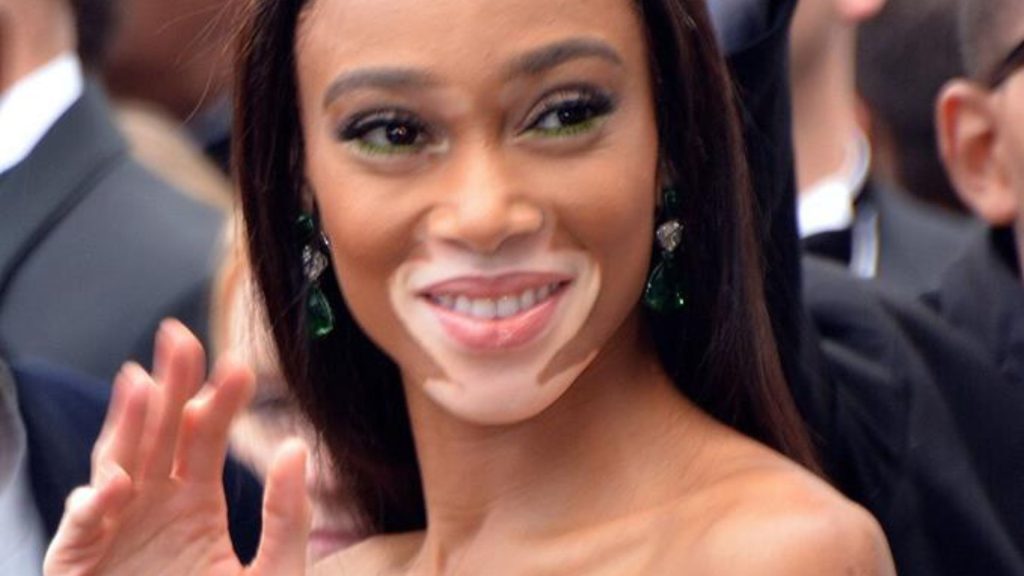
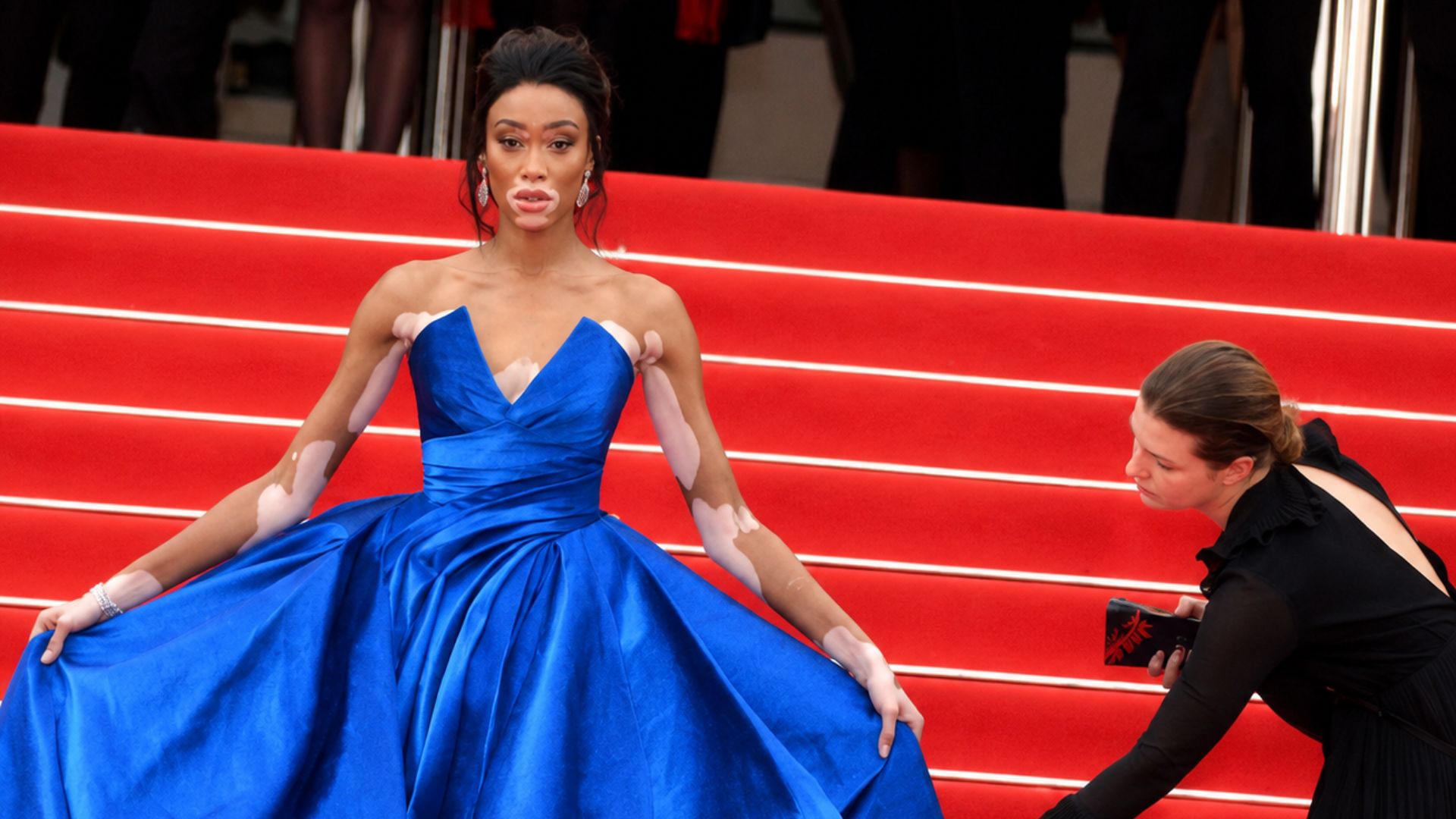
Winnie Harlow has vitiligo, a condition that causes depigmentation of the skin in patches. When she appeared on America’s Next Top Model in 2014, some viewers weren’t sure what to make of her look.
The fashion world figured it out quickly. She has since walked for Diesel, Savage X Fenty, and Versace, appeared on multiple international Vogue covers, and collaborated with Swarovski. Her career has made it significantly harder for casting directors to claim that “unconventional” skin is a commercial liability.
3. Adwoa Aboah
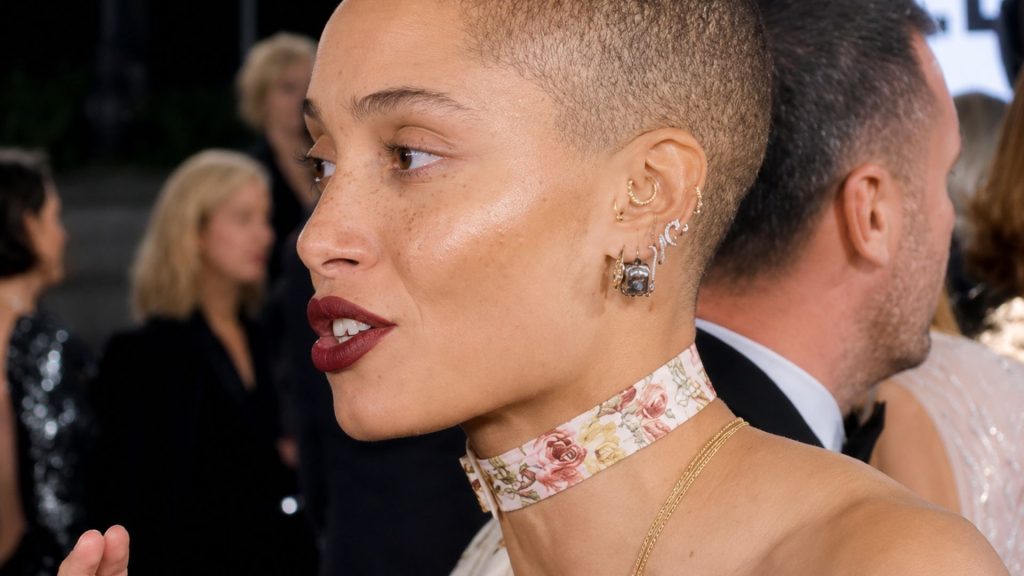
British-Ghanaian model Adwoa Aboah has been open about her struggles with mental health and addiction, which is not the kind of biography that typically gets someone a British Vogue cover.
She got one anyway, in 2017, and went on to front campaigns for Burberry, Calvin Klein, and Estée Lauder. She founded Gurls Talk, a platform for young women to discuss mental health without the usual stigma. The fashion industry tends to reward a certain kind of quiet glamour. Aboah chose candor instead, and it worked.
4. Madeline Stuart
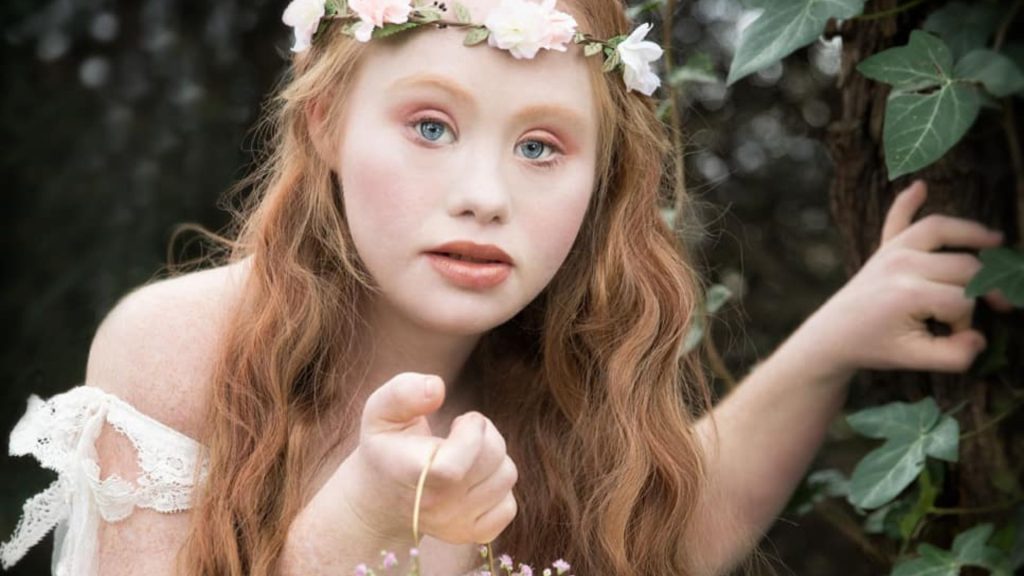
Madeline Stuart, an Australian model with Down syndrome, began her career in 2015 after her mother posted photos of her walking a charity runway. The response was international.
She went on to walk at New York Fashion Week multiple times, sign with several agencies, and become a genuine advocate for disability representation in fashion. She showed that the industry’s resistance to models with disabilities was a choice, not a practical necessity.
5. Andreja Pejić
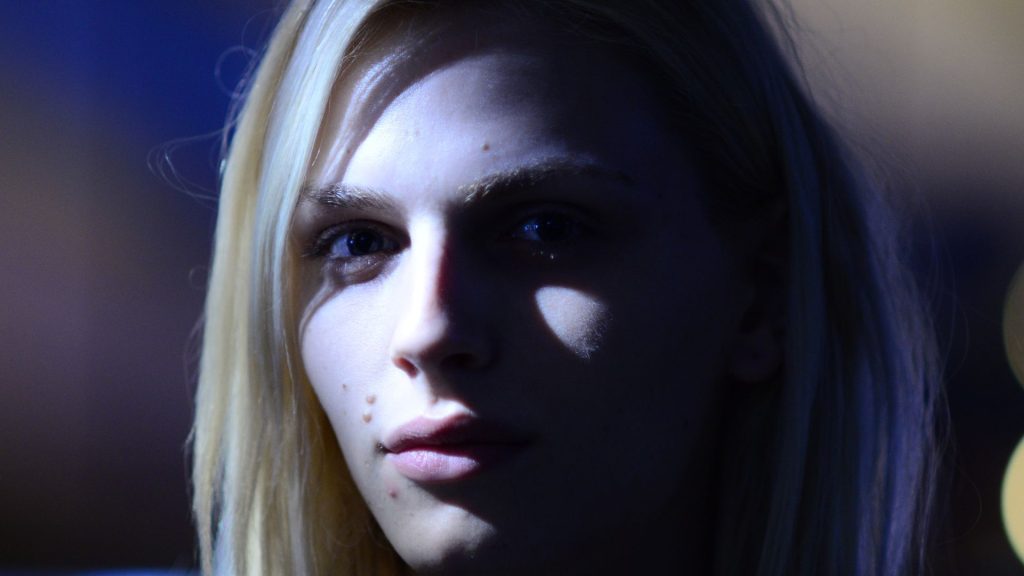
Andreja Pejić was already a successful model before she publicly came out as a transgender woman in 2013. She had built her early career on an androgynous look that allowed her to model both menswear and womenswear, which was unusual enough on its own.
After her transition, she became one of the first openly transgender models to sign a major cosmetics contract, with Make Up For Ever. Her path through the industry was genuinely unprecedented at the time.
6. Cacsmy”Mama Cax” Brutus
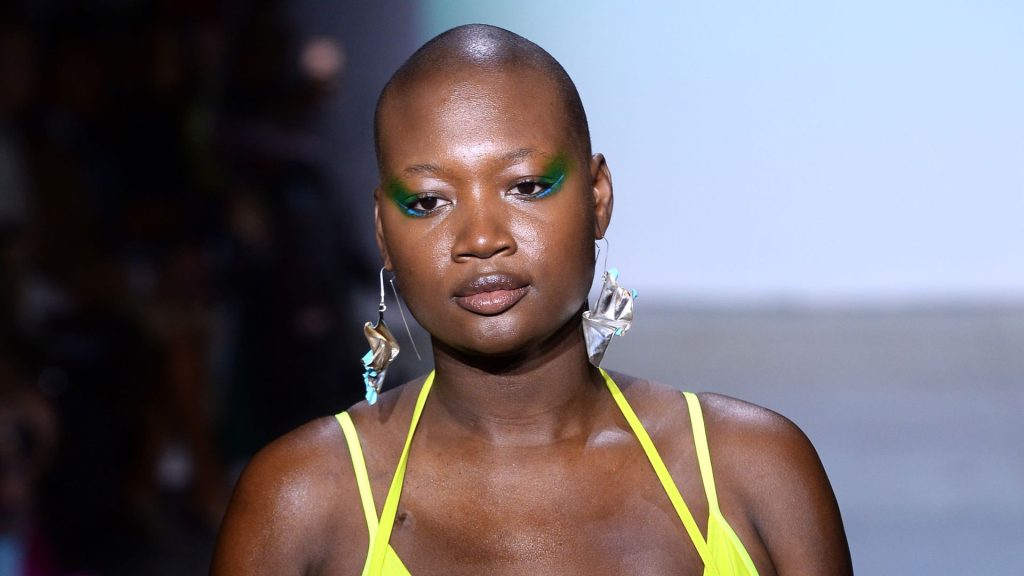
Mama Cax, who passed away in 2019, modeled with a prosthetic leg after surviving bone and lung cancer as a teenager. She walked for Tommy Hilfiger’s adaptive fashion line, appeared in campaigns for Olay and Nordstrom, and used her platform to speak about disability, Haitian identity, and representation.
Her career was brief but its impact on how the industry approached disabled models was real. Designers who worked with her have cited her influence on their thinking about adaptive clothing.
7. Halima Aden
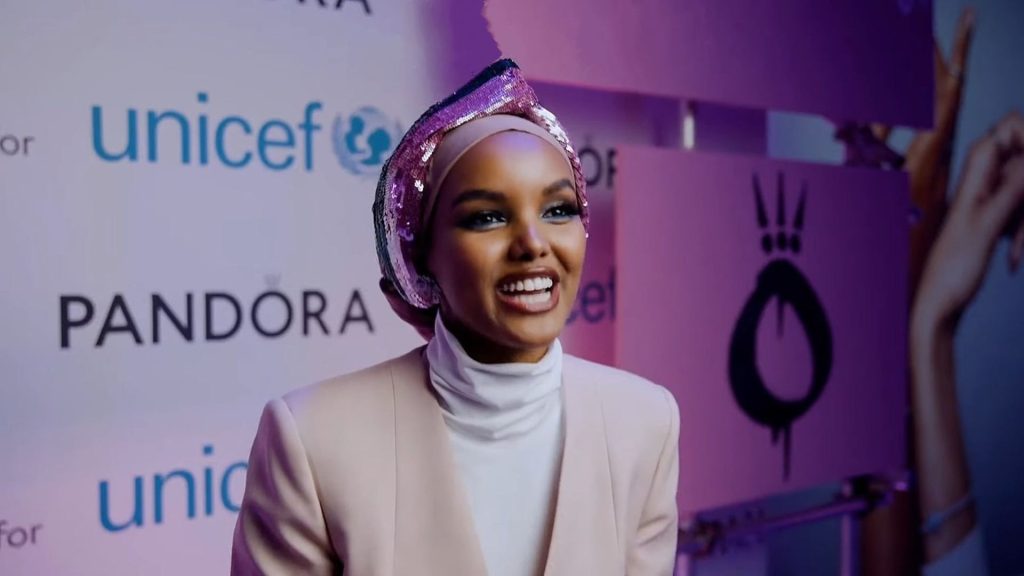
Halima Aden became the first model to wear a hijab and burkini in the Sports Illustrated Swimsuit issue, in 2019. Before that, she had already broken through as the first hijab-wearing contestant in the Miss Minnesota USA pageant and the first to model in that style for major brands including Rihanna’s Savage X Fenty and Alberta Ferretti.
She temporarily stepped away from the industry in 2020, citing pressure to compromise her values, and returned on her own terms. That kind of negotiation is rare.
8. Aaron Philip
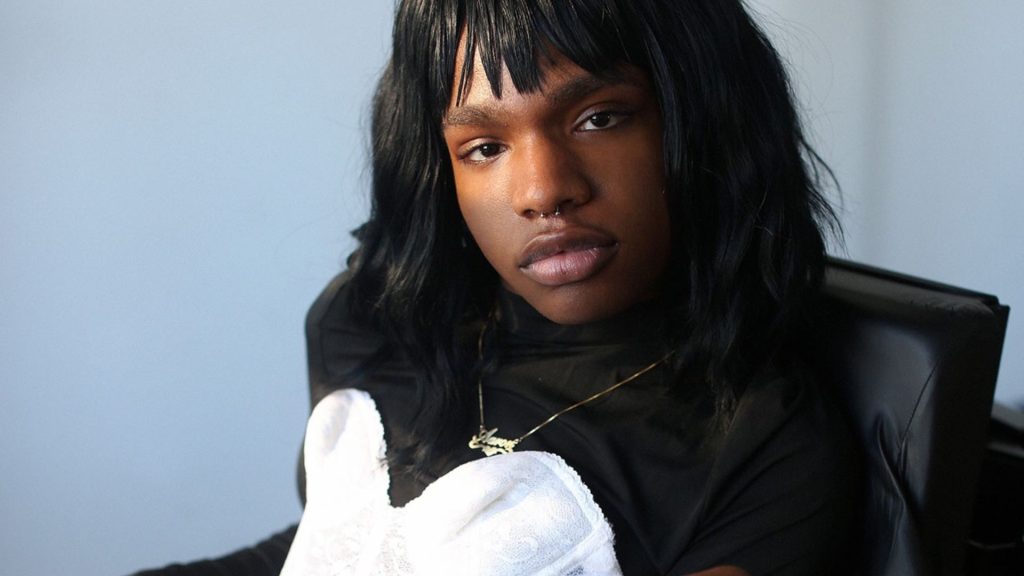
Aaron Philip is a Black transgender model with cerebral palsy, and by 2026 she remains one of the most groundbreaking figures working in fashion. She signed with Elite Model Management in 2018 after a single tweet went viral.
Since then she has appeared in i-D, Paper Magazine, and campaigns for Moschino. Her very existence in editorial fashion challenges multiple industry assumptions at once, which is exactly why designers and photographers keep working with her.
What Changed
None of these careers happened because the industry woke up on its own. Each of these models pushed against resistance, built audiences independently, and made it commercially irrational for brands to keep looking away. Social media played a role. Shifting consumer expectations played a role.
But the individuals themselves made the decisions that mattered, and the cumulative effect has changed what a modeling career can look like in 2026 in ways that feel, finally, permanent.