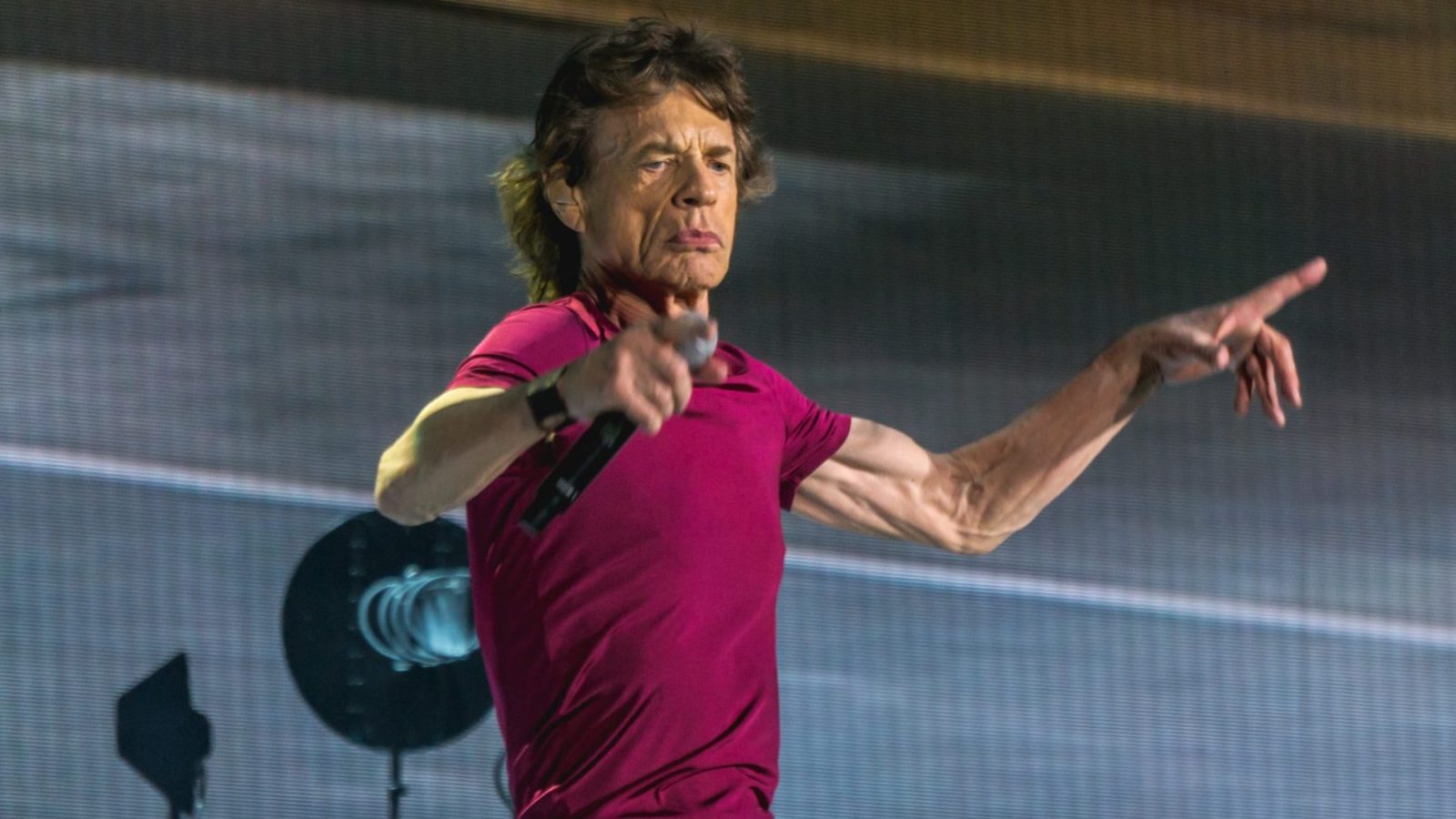
Rock music has always been bigger than its instruments. The guitar riffs matter, the drumming matters, but the person standing at the center of the stage, the one who makes 50,000 people feel something personal, tends to be what people remember decades later.
These are nine frontmen who didn’t just perform their songs. They changed how rock music was understood, delivered, and felt.
1. Freddie Mercury
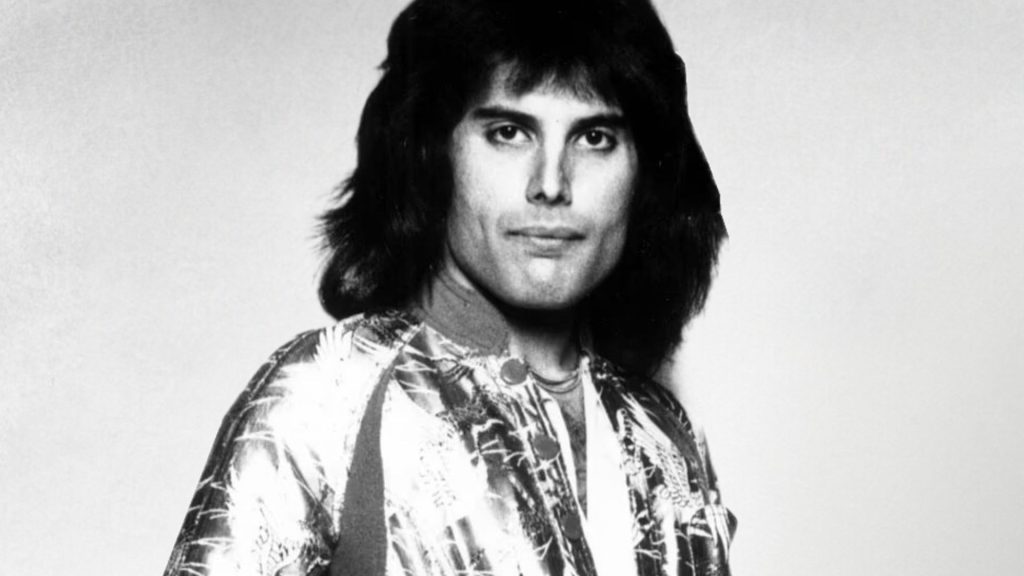
Few performers have ever matched Freddie Mercury for sheer theatrical command. The Queen frontman turned every concert into something closer to an opera than a rock show, using his four-octave vocal range like a second instrument.
At Live Aid in 1985, he ran Wembley Stadium the way a conductor runs an orchestra, trading call-and-response with 72,000 strangers who didn’t need to know the lyrics to follow his lead. Mercury wrote “Bohemian Rhapsody” at a time when the record label said it would never get airplay. They played it anyway.
2. Robert Plant
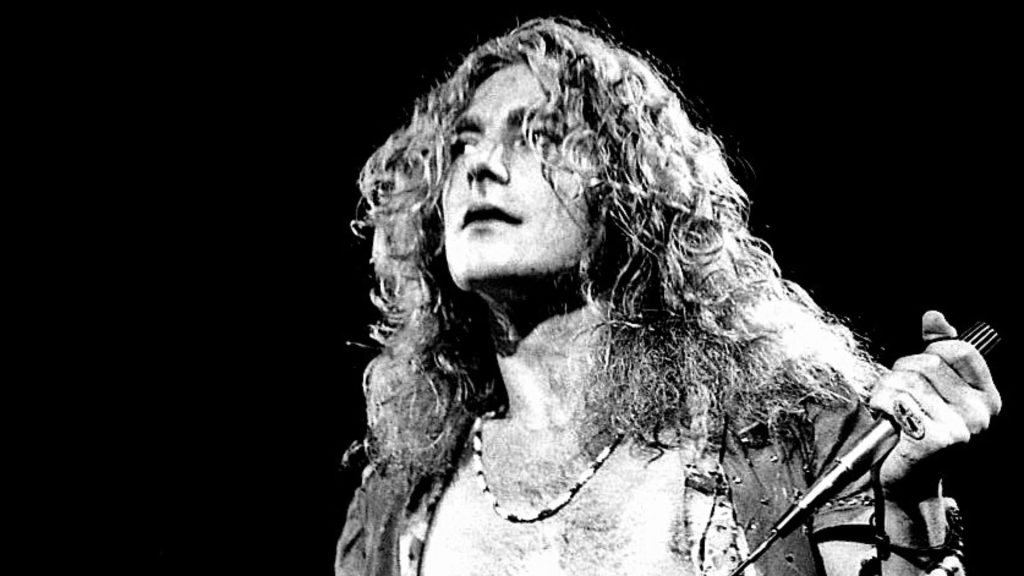
Robert Plant’s voice defined what heavy rock could sound like before anyone had a name for it. With Led Zeppelin, he brought a rawness that drew as much from American blues as from British folk, sometimes within the same song. His wailing on “Whole Lotta Love” and his restraint on “The Rain Song” showed a vocalist who understood dynamics in a way that many of his contemporaries did not.
Plant has spent much of the decades since resisting nostalgia, which says something about how seriously he takes the craft.
3. Mick Jagger
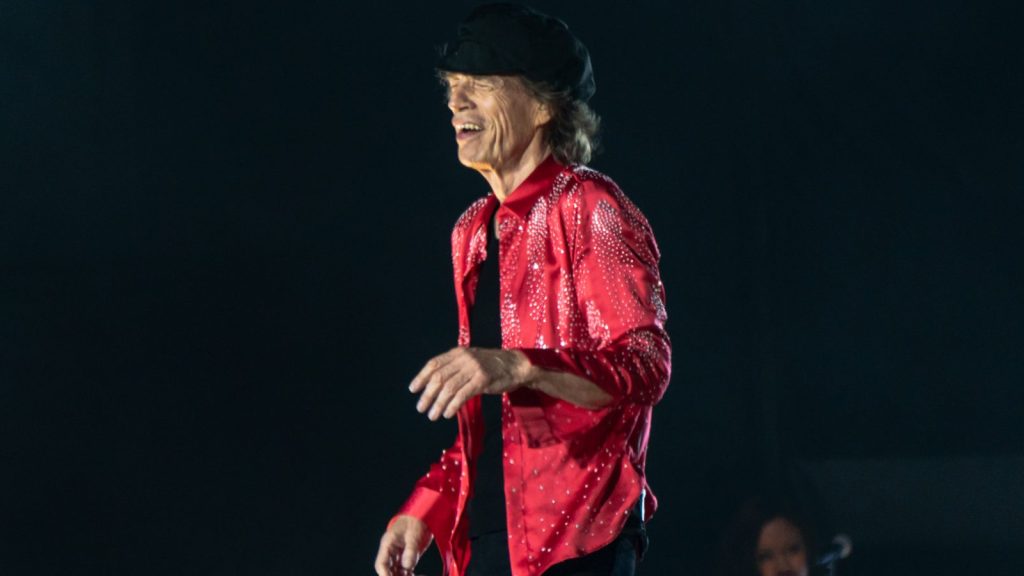
The Rolling Stones have outlasted almost every prediction made about them, and Mick Jagger is a central reason why. His stage presence is studied, imitated, and genuinely difficult to explain. The strut, the pout, the way he occupies space on a stage far larger than one person should be able to fill.
Jagger also pushed the Stones toward sounds they might not have reached without him, including the disco-influenced groove of “Miss You” and the blues depth of “Gimme Shelter.” Now in his 80s, he remains one of rock’s most stubborn facts.
4. Jim Morrison
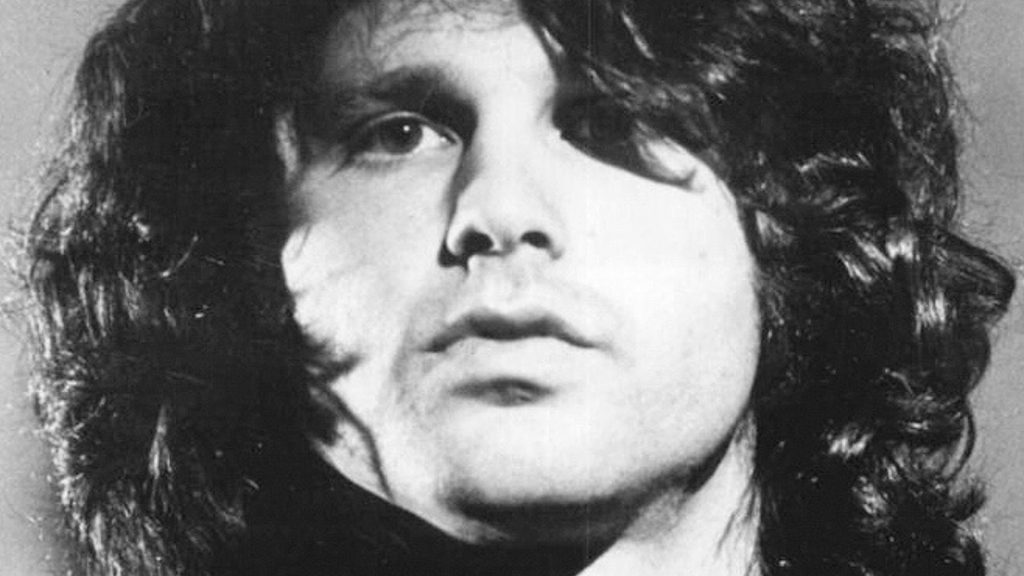
Jim Morrison was, depending on who you ask, either one of rock’s most gifted lyricists or one of its most overindulged personalities. Both things can be true. With the Doors, he brought a literary self-consciousness to rock that was unusual for the late 1960s.
Songs like “The End” and “Riders on the Storm” still hold up as genuinely strange, atmospheric pieces that don’t sound like anyone else. Morrison burned fast and died at 27, but the catalog he left behind makes a real argument for his place in this conversation.
5. Kurt Cobain
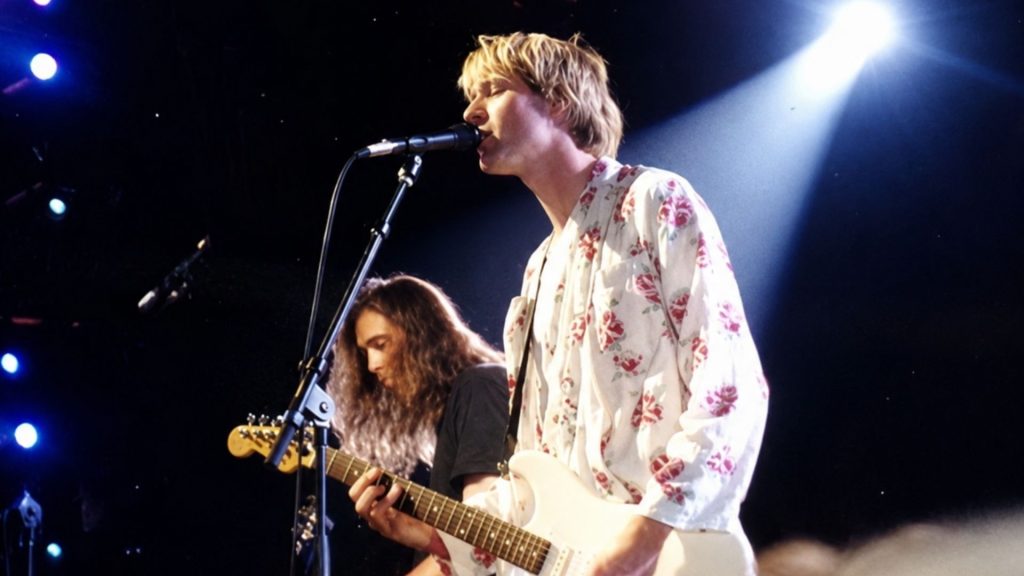
By 1991, mainstream rock had become bloated and self-congratulatory. Nirvana’s “Nevermind” arrived like a corrective. Kurt Cobain wrote pop melodies that he then surrounded with noise, and his vocal delivery, raw and sometimes barely controlled, gave the music an emotional credibility that most of his contemporaries couldn’t fake their way into.
He was deeply uncomfortable with the fame that followed, which came through in his work rather than undermining it. “In Utero,” recorded as a deliberate reaction against the polished production of “Nevermind,” remains one of the most honest records in the genre.
6. Bono
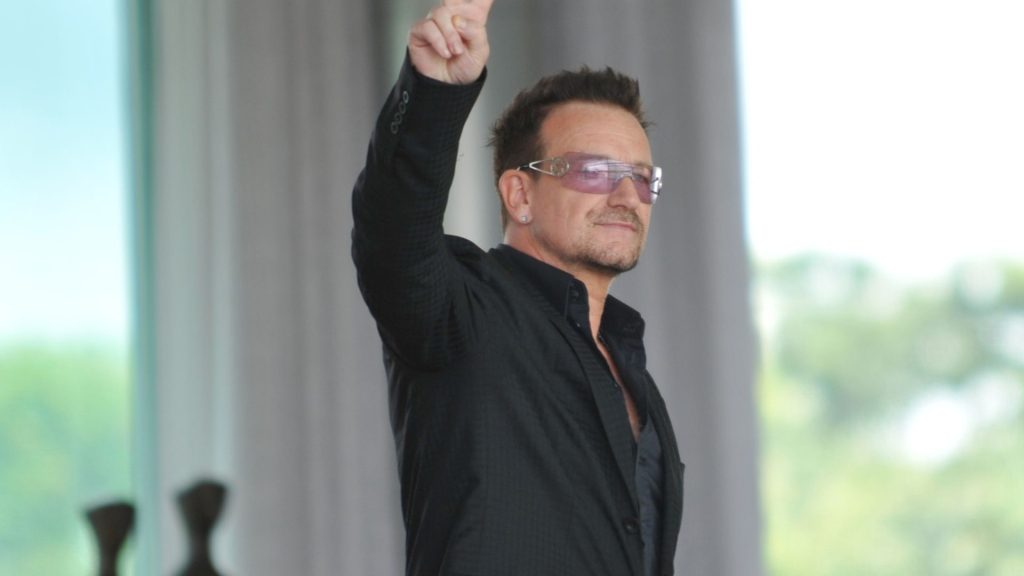
Bono is easy to mock, and people do, but U2’s run from “War” through “Achtung Baby” represents some of the most ambitious rock music ever made. He pushed the band toward scale deliberately, convinced that rock could carry weight usually reserved for classical or gospel.
His vocal performances on “With or Without You” and “One” are among the most controlled and emotionally precise in the catalog, even though the two songs come from different albums. The activism has sometimes overshadowed the music, but the music holds up independent of the persona.
7. David Bowie
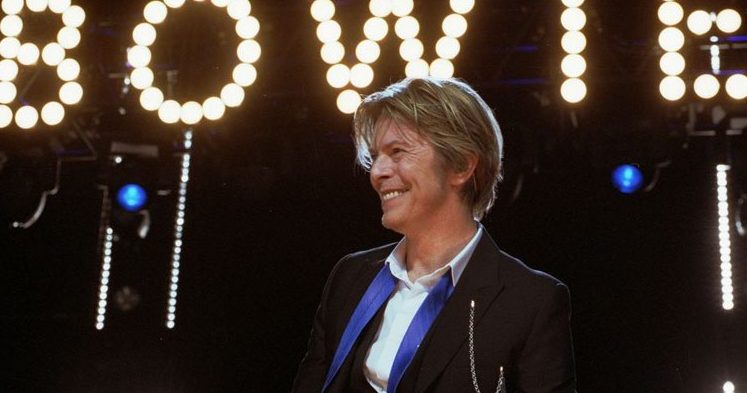
David Bowie spent his career refusing to be pinned down. Ziggy Stardust, the Thin White Duke, the Berlin period. Each reinvention was fully committed, never halfway.
He brought glam rock to mass audiences, helped legitimize electronic experimentation in the late 1970s, and influenced generations of artists who often cite him first when asked where they started. “Heroes,” recorded in West Berlin in 1977, is still one of the most arresting vocal performances rock music has produced.
8. Axl Rose
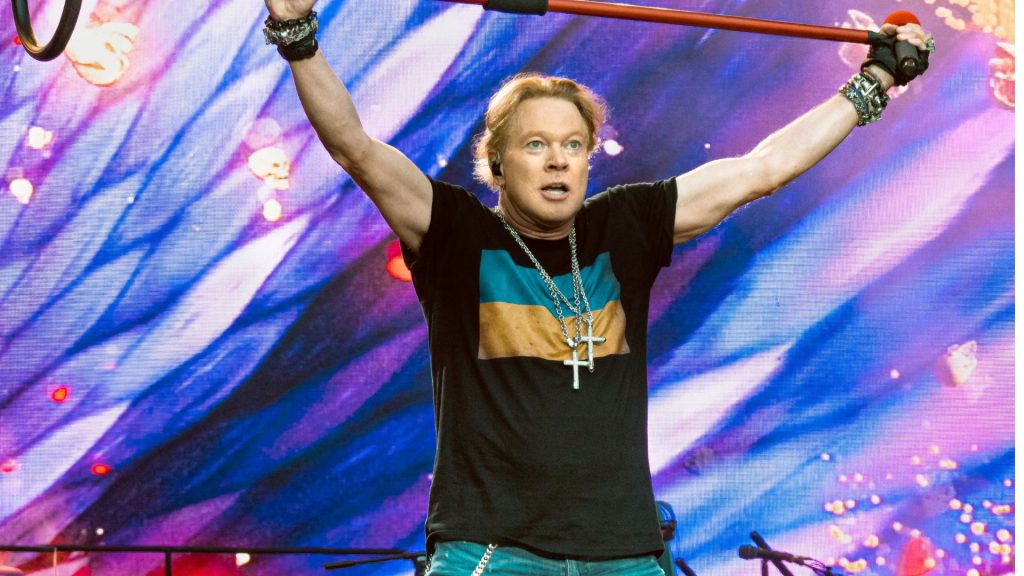
Axl Rose is a complicated figure, but the voice is not complicated. His range, spanning from a low baritone growl to a piercing upper register, was unlike anything else in hard rock when Guns N’ Roses arrived in 1987. “Welcome to the Jungle” and “November Rain” exist at opposite ends of the emotional spectrum and he convinces on both.
The years of erratic behavior and delayed albums clouded his legacy, but “Appetite for Destruction” still sounds like a record that could only have been made once.
9. Roger Daltrey
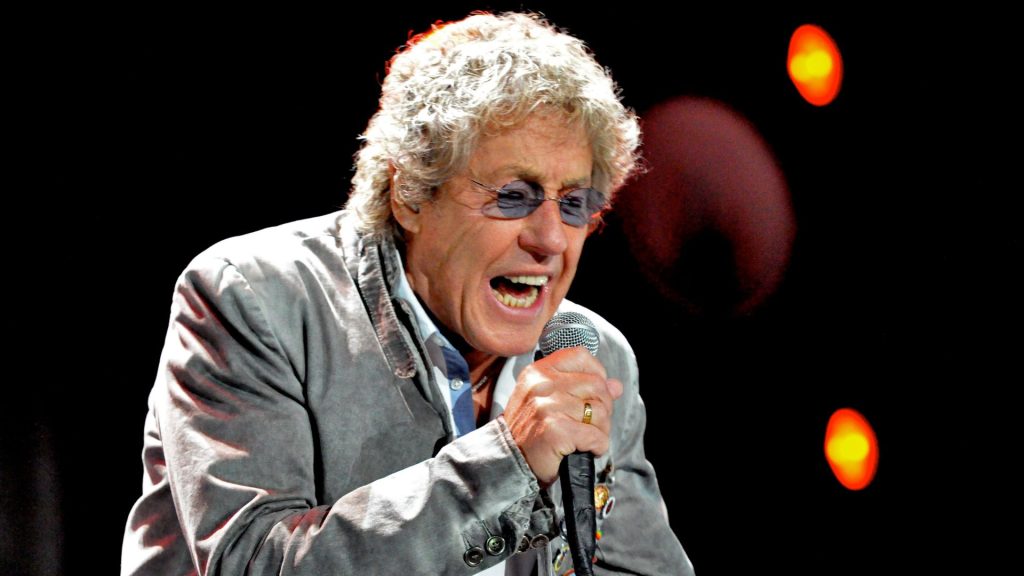
Roger Daltrey rarely gets the credit he deserves, often because Pete Townshend wrote the songs and tends to dominate the historical conversation around the Who. But Daltrey’s delivery on “Won’t Get Fooled Again,” particularly that scream, is one of rock’s defining vocal moments.
He brought physicality and working-class conviction to the music in a way that matched Townshend’s ambition without competing with it. The Who’s live reputation was built as much on Daltrey’s presence as on anything else, and that presence was entirely his own.