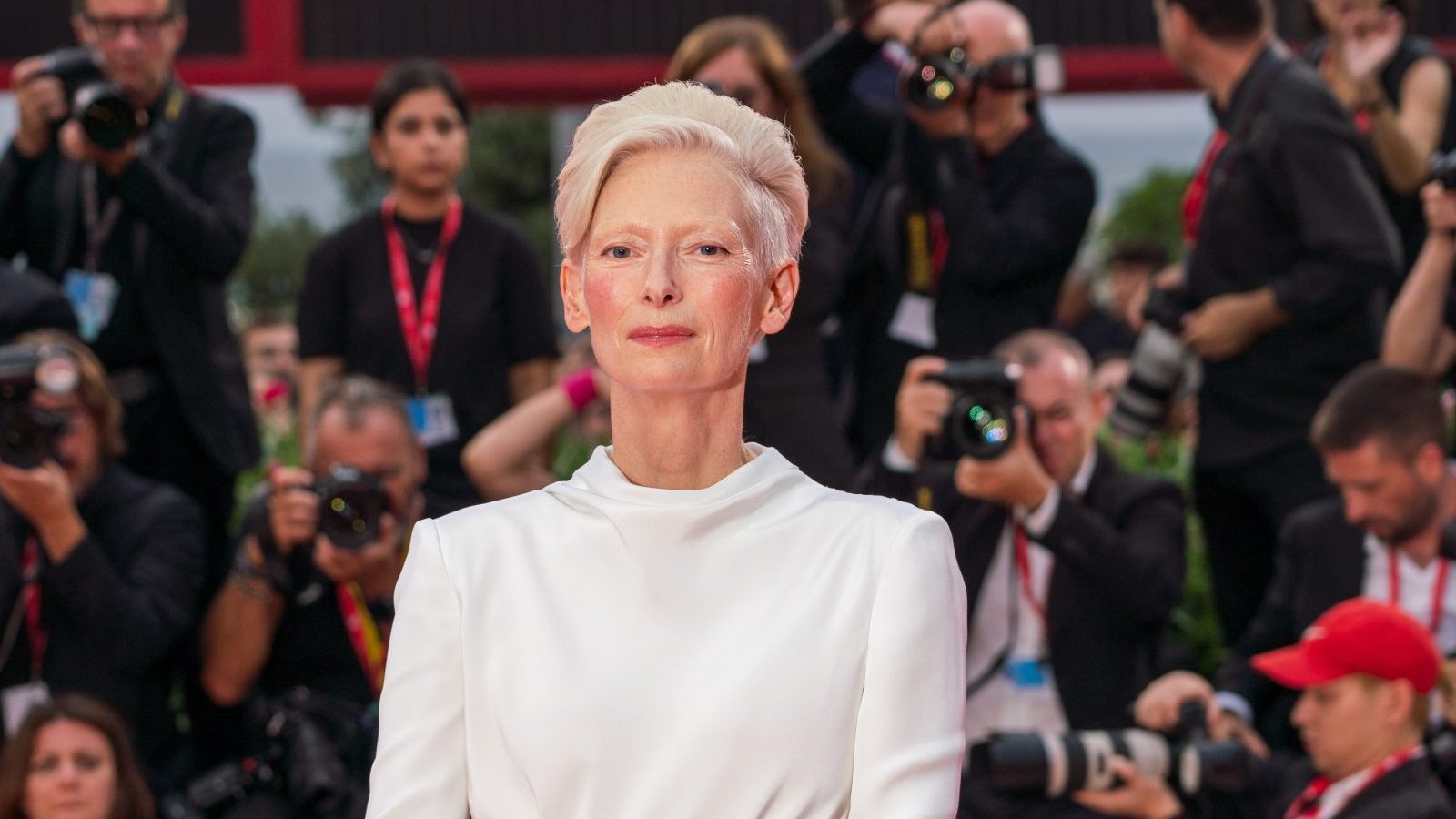
Some actors spend entire careers playing variations of the same person. Then there are actresses who seem almost allergic to repetition, who move between genres, accents, body types, and emotional registers with a fluency that makes it easy to forget you’re watching the same person.
Range, real range, isn’t about playing a villain once or crying on cue. It’s about full transformation. These eight women have built careers on exactly that.
1. Meryl Streep
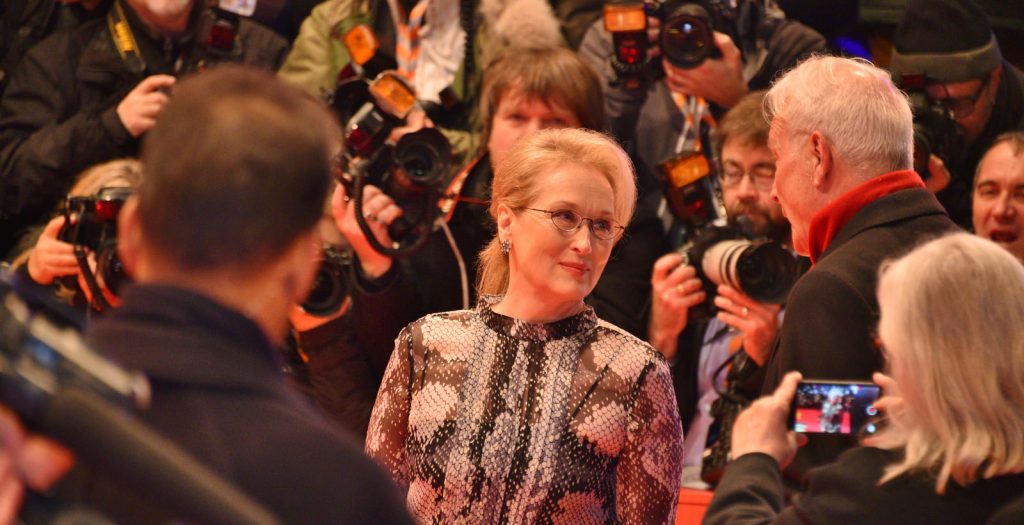
The conversation about range usually starts here, and for good reason. Streep has played a Holocaust survivor, a fashion magazine tyrant, a British prime minister, a Wisconsin farm wife, and a cooking legend named Julia Child, all convincingly and all distinctly.
Her accent work alone could fill a semester-long linguistics course. What separates her from the pack is that the craft never shows. The characters feel lived-in rather than performed.
2. Cate Blanchett
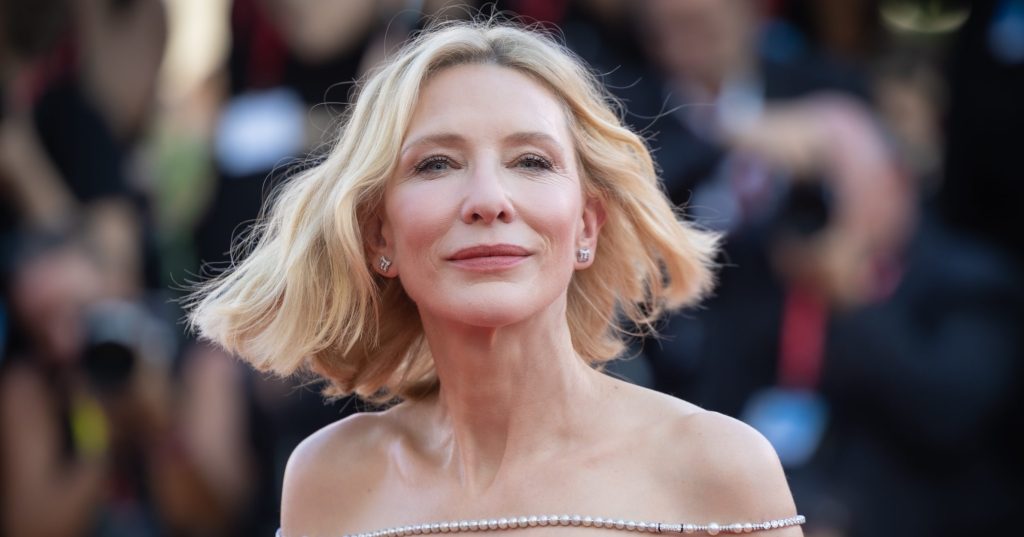
Blanchett operates in a register that few actresses can access. She won an Oscar playing a Woody Allen character in full psychological collapse, then turned around and played a world-renowned orchestra conductor brought low by her own moral failures in “Tár” with completely different energy.
Her performance as Bob Dylan in “I’m Not There” remains one of the stranger and more successful casting choices in recent film history. She doesn’t just adapt to material. She reshapes it around herself.
3. Viola Davis
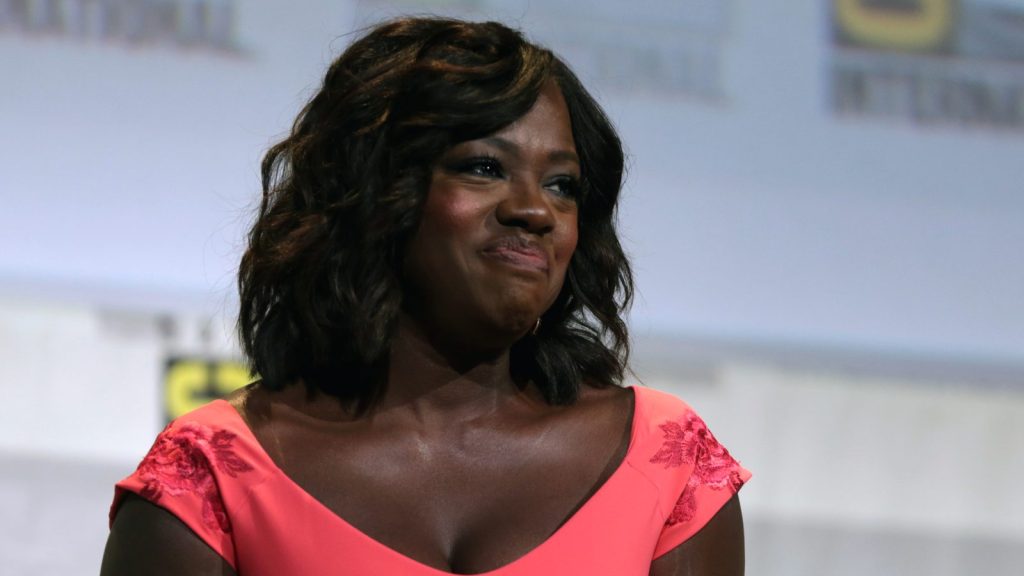
Davis built her early reputation in theater, and that foundation shows. She can carry a scene with almost no dialogue, communicating entire histories through expression and stillness. Her work in “Fences” is devastating in a way that feels less like acting and more like witnessing.
The shift to a morally ambiguous legal antihero in “How to Get Away with Murder” showed a completely different gear, one that made her a network television phenomenon.
4. Tilda Swinton
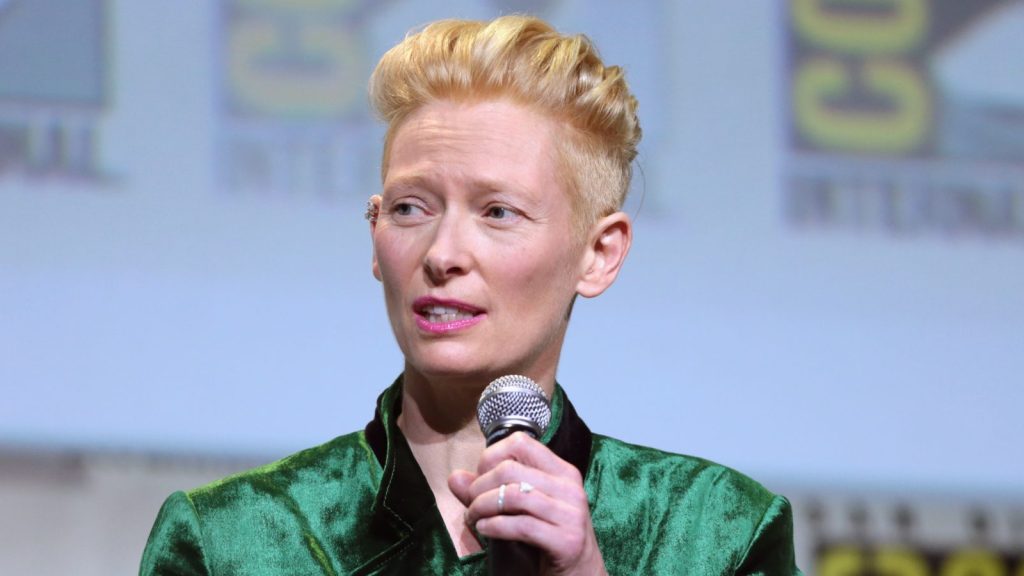
Nobody on this list is harder to categorize. Swinton has played an angel, a centuries-old vampire, a shape-shifting ancient being, a corrupt corporate lawyer, and a grieving mother, sometimes within the same few years.
She appeared in a Snowpiercer sequel and a Wes Anderson short film in the same general era without either feeling like a detour. Her willingness to disappear entirely into a role, physically and psychologically, makes her a genuine outlier.
5. Natalie Portman
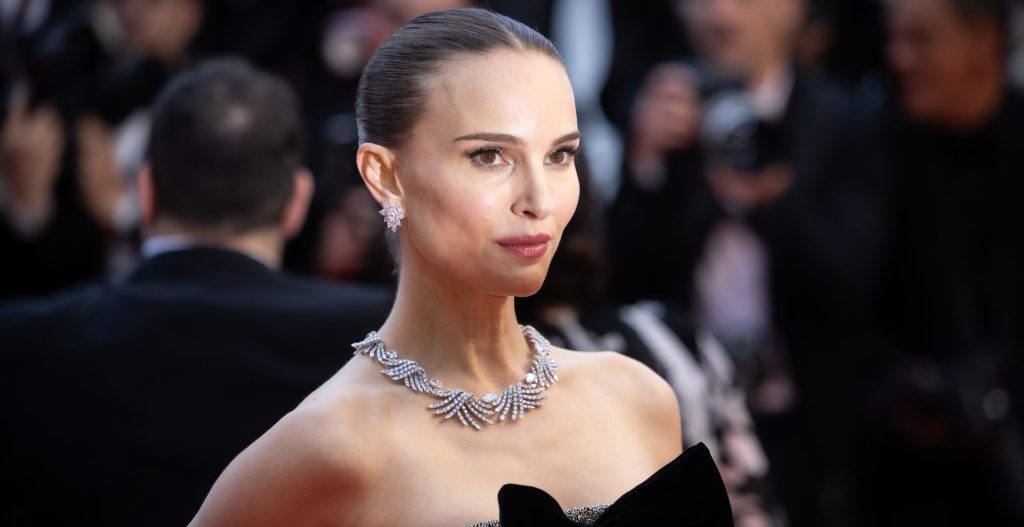
Portman’s range has been tested in unusual ways throughout her career. She went from child actress in a hitman film to an Oscar-winning ballerina consumed by obsession in “Black Swan,” a performance that required months of physical training and psychological depth in equal measure.
Her work in “Jackie” stripped away every expected grace note and found something genuinely raw. She’s also one of the few actresses who can anchor a Marvel franchise and a Pablo Larraín art film in the same decade without either feeling incongruous.
6. Cynthia Erivo
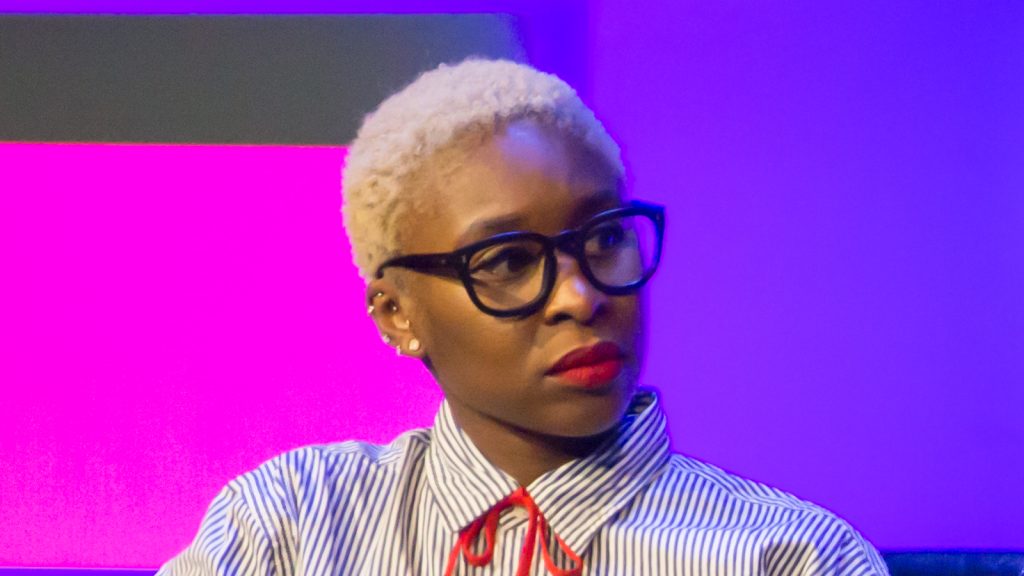
Erivo came to film from the stage and arrived fully formed. Her portrayal of Harriet Tubman in “Harriet” earned an Oscar nomination and made a real historical figure feel immediate rather than ceremonial.
The 2024 “Wicked” adaptation put her in front of the largest audience of her career, and she matched the scale of the production without losing specificity. Her voice is extraordinary, but it’s the acting underneath the singing that gives her performances weight.
7. Saoirse Ronan
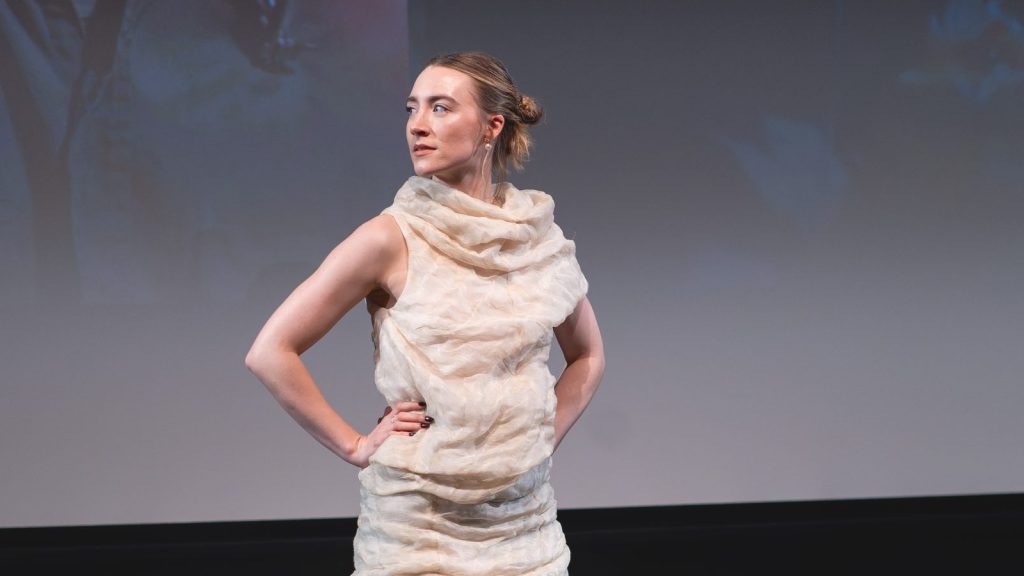
Ronan has been startling audiences since she was thirteen, and what’s remarkable is how much her range has expanded rather than narrowed with experience.
She’s moved through period dramas, coming-of-age stories, and dark psychological thrillers without settling into a comfort zone. “Lady Bird,” “Little Women,” and “Atonement” are all built around her, and they feel like the work of three different actresses. That’s the point.
8. Lupita Nyong’o
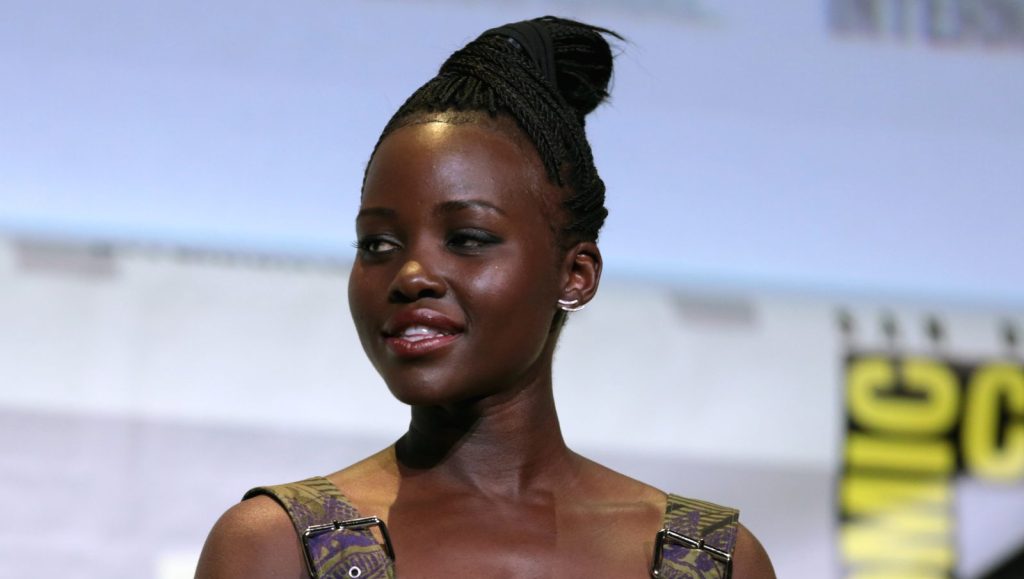
Nyong’o announced herself with one of the most harrowing screen debuts in recent memory, winning an Oscar for her first major film role in “12 Years a Slave.” From there she moved to blockbuster franchises, horror (“Us”), and Shakespearean theater in New York’s Central Park.
The breadth is almost disorienting. What holds it together is a commitment to full presence in every project, regardless of scale.
What Sets These Women Apart
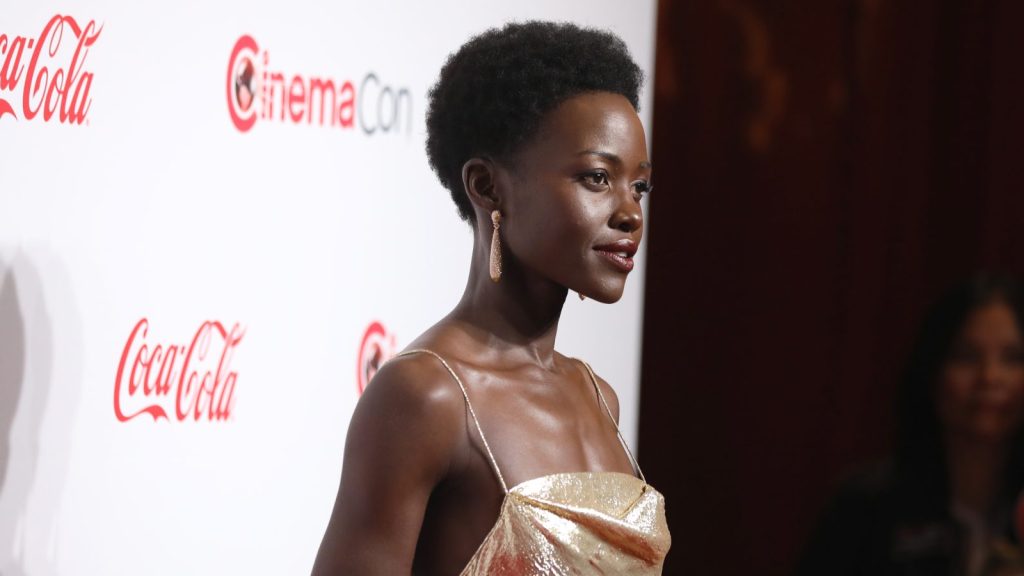
Versatility gets talked about as though it’s a bonus quality, something nice to have alongside talent. For these eight actresses it’s closer to the whole project.
Each one has spent her career refusing the parts that would have been easiest to accept, choosing instead to work at the edge of what she’s done before. The results don’t always land perfectly, but the attempt is always visible, and that tends to be where the most interesting performances live.