Pop music gets discussed endlessly in terms of voices, visuals, and vibes. The songwriting tends to get buried. That’s a mistake, because some of the most technically impressive and emotionally precise writing in contemporary music has come from women in pop.
Not credited to a team of 12 in the liner notes, but genuinely authored, shaped, and driven by artists who treat the craft with real seriousness. These nine women have done more than perform great songs. They wrote them.
1. Taylor Swift
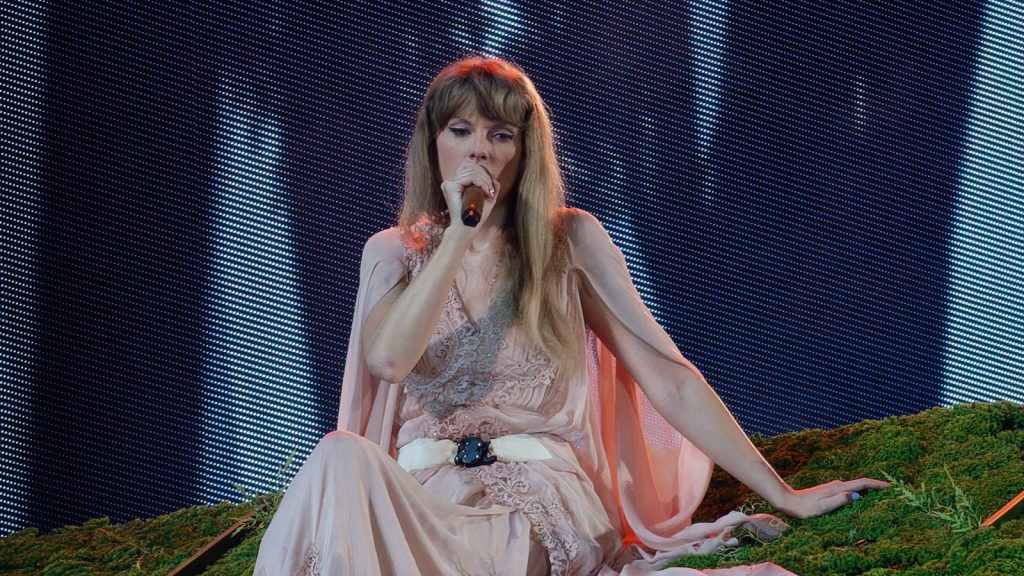
Taylor Swift has been writing her own songs since she was a teenager pitching demos in Nashville, and the consistency across two decades is what separates her from most.
She wrote or co-wrote every track on “The Tortured Poets Department,” released in 2024, including two songs she authored entirely alone, and her ability to compress a specific emotional moment into a lyric that still lands broadly is genuinely rare. “All Too Well (Ten Minute Version)” reads almost like a short story. The detail about the scarf, the anger buried in the nostalgia. That kind of specificity takes skill, not luck.
2. Alanis Morissette
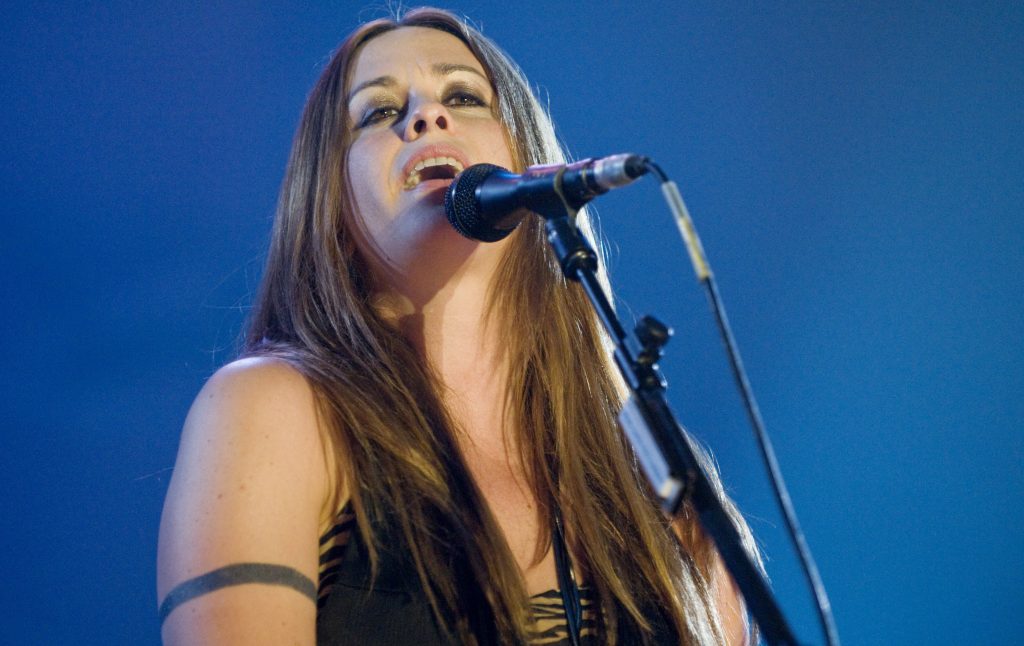
“Jagged Little Pill” came out in 1995 and still sounds like someone telling the truth out loud when most pop radio was doing anything but.
Morissette co-wrote the entire album with producer Glen Ballard, and the rawness was deliberate. Lyrics like those in “You Oughta Know” and “Hand in My Pocket” carried a conversational directness that was unusual for the format. She’s continued writing across decades of albums, and her craft has held up better than a lot of her contemporaries who had bigger commercial runs.
3. Lorde
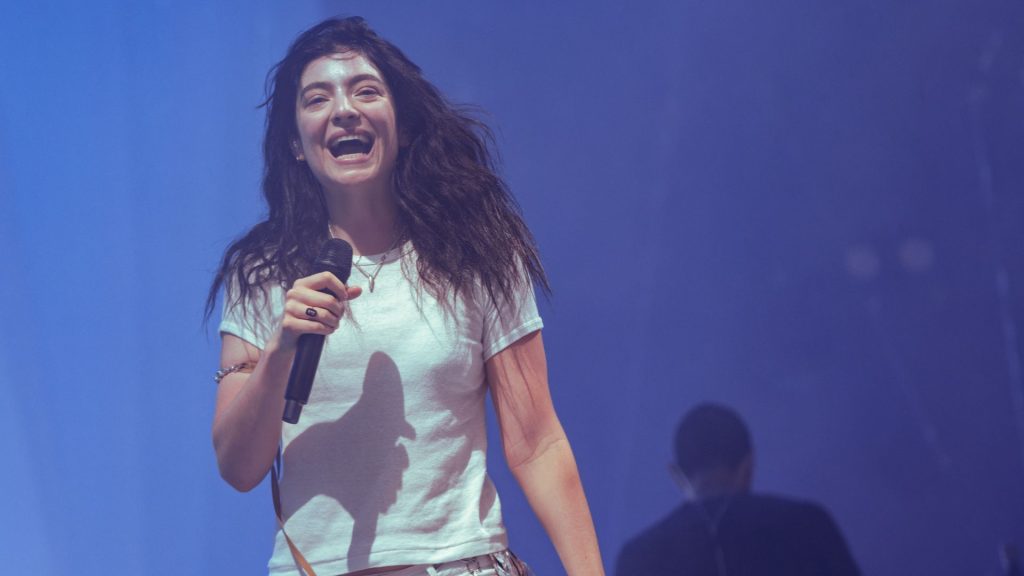
Ella Yelich-O’Connor wrote “Royals” at 15, and it was sharper than most songs written by adults twice her age. Lorde’s approach to production and lyrics operates as a single process rather than two separate tasks, which explains why her albums feel so unified.
“Melodrama” in 2017 worked through post-teenage heartbreak with genuine structural ambition. She takes a long time between records precisely because she refuses to release something that feels incomplete, and that standard shows.
4. Carole King
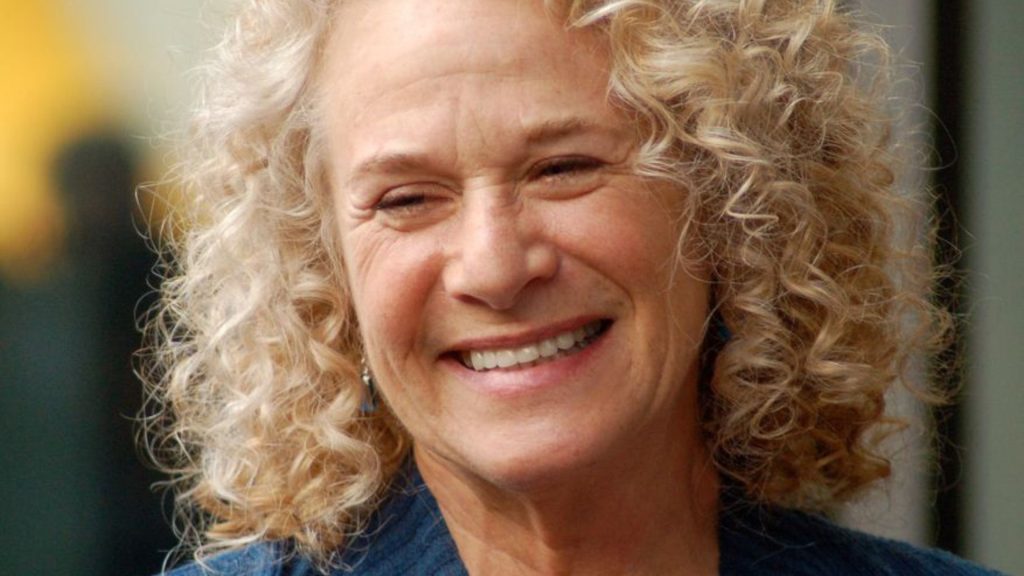
Before Carole King made “Tapestry” in 1971, she had already written dozens of hits for other artists throughout the 1960s with her then-husband Gerry Goffin. “Will You Love Me Tomorrow” and “Natural Woman” came from that partnership. Then on Tapestry itself, King wrote new songs entirely on her own, including “I Feel the Earth Move” and “You’ve Got a Friend.”
The fact that she turned around and recorded one of the best-selling albums in American history as a performer, drawing on both old collaborations and new solo writing, is the kind of career arc that rarely gets repeated. Her melodic instincts were as strong as anyone working in that era.
5. Billie Eilish
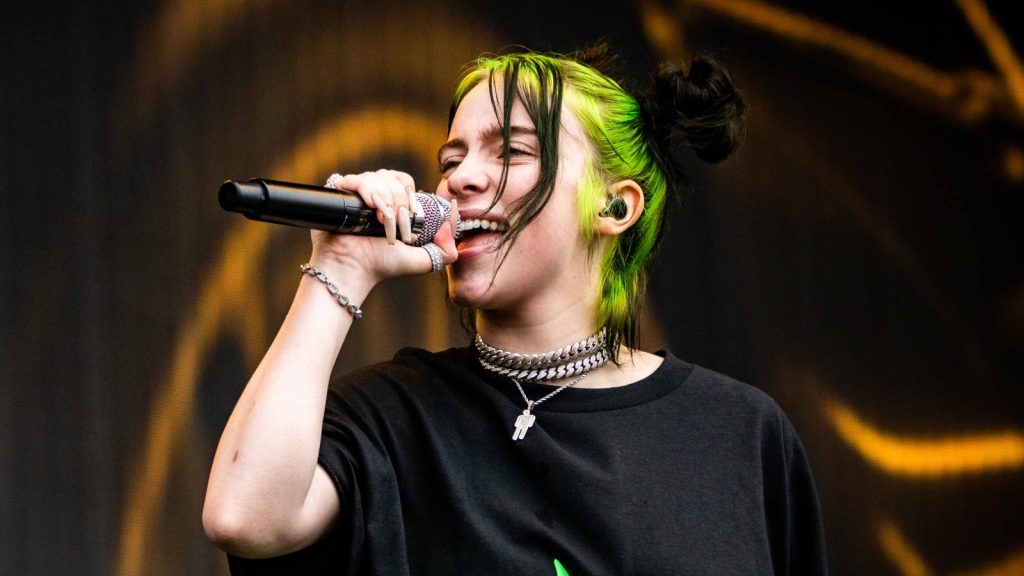
Billie Eilish and her brother Finneas O’Connell have written and produced their work together since the beginning, and the material has evolved considerably from the bedroom pop of her debut to the more orchestral textures of “Hit Me Hard and Soft” in 2024.
What stays consistent is the emotional honesty in the writing. Eilish tends to write about anxiety, identity, and pressure without making it feel performative, which is harder than it sounds when you are also one of the most scrutinized pop figures on the planet.
6. P!nk
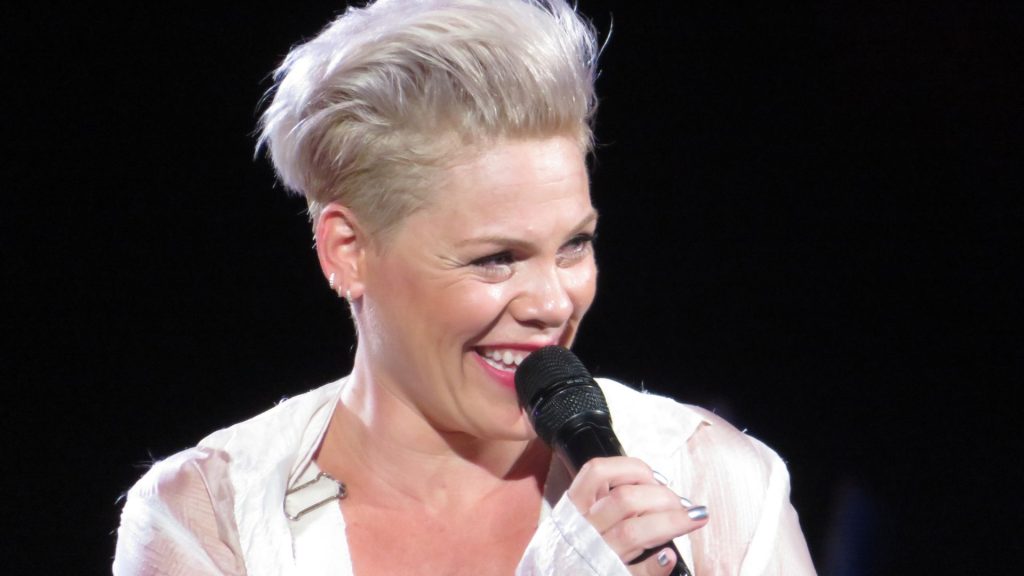
P!nk has been a consistent songwriter across a career spanning more than 25 years, and she tends to get underrated in that department because her personality dominates the conversation. Songs like “Family Portrait” and “Dear Mr. President” show a writer willing to take on uncomfortable subjects without softening them for radio.
She has co-written with producers like Max Martin and Linda Perry, but she brings her own lyrical perspective consistently enough that her albums sound like hers, not like committee decisions.
7. Amy Winehouse
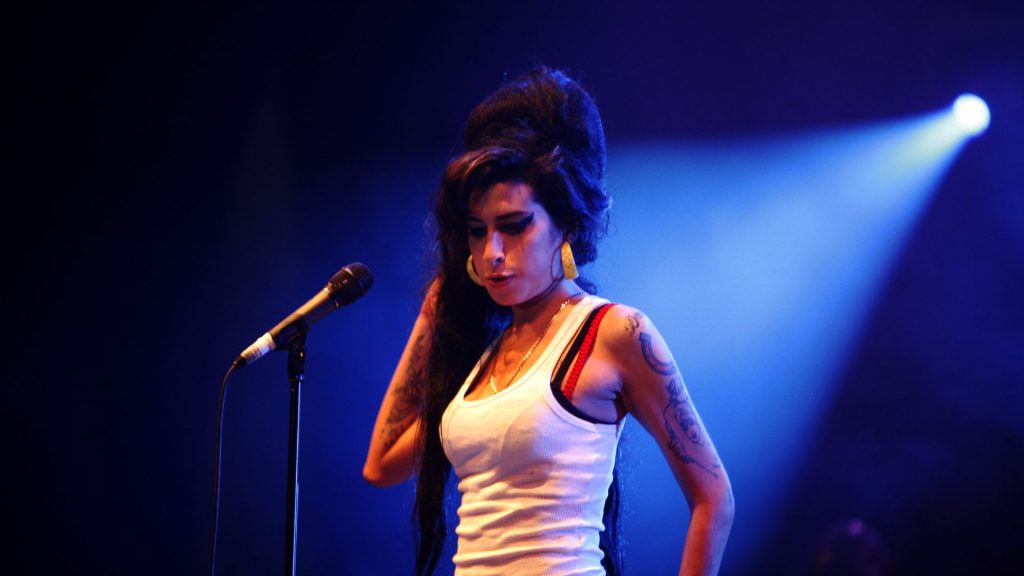
Amy Winehouse wrote most of “Back to Black” herself, with producer Mark Ronson contributing arrangements and co-writing on select tracks, and the album holds up as one of the stronger pieces of songwriting from the 2000s.
The lyrics pulled from real grief, real self-destruction, and specific personal relationships rather than generalized emotion. “Love Is a Losing Game” in particular is a masterclass in restraint, saying more in three minutes than most artists manage in an entire album. Her catalog is small, but its quality is hard to argue with.
8. Fiona Apple
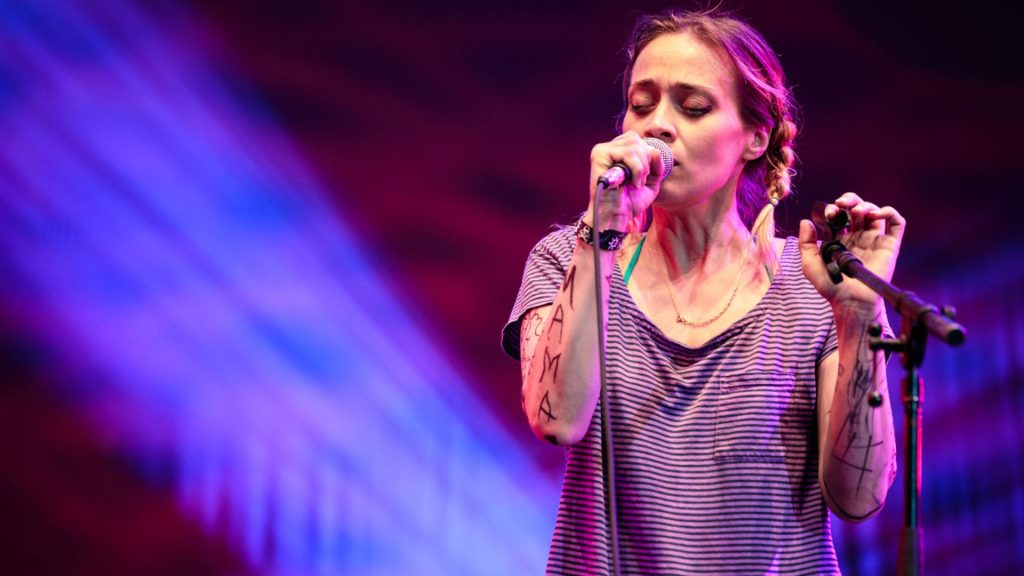
Fiona Apple has released five albums since 1996, each one stranger and more personal than the last. She writes alone, which is unusual for someone operating even loosely within commercial music, and her lyrics carry a literary density that rewards close listening.
“Fetch the Bolt Cutters,” released in 2020, was constructed during years of relative isolation and dealt with confinement, anger, and personal history in ways that felt genuinely unlike anything else released that year. Critics responded accordingly. It is one of the most acclaimed albums of the decade so far.
9. Kate Bush
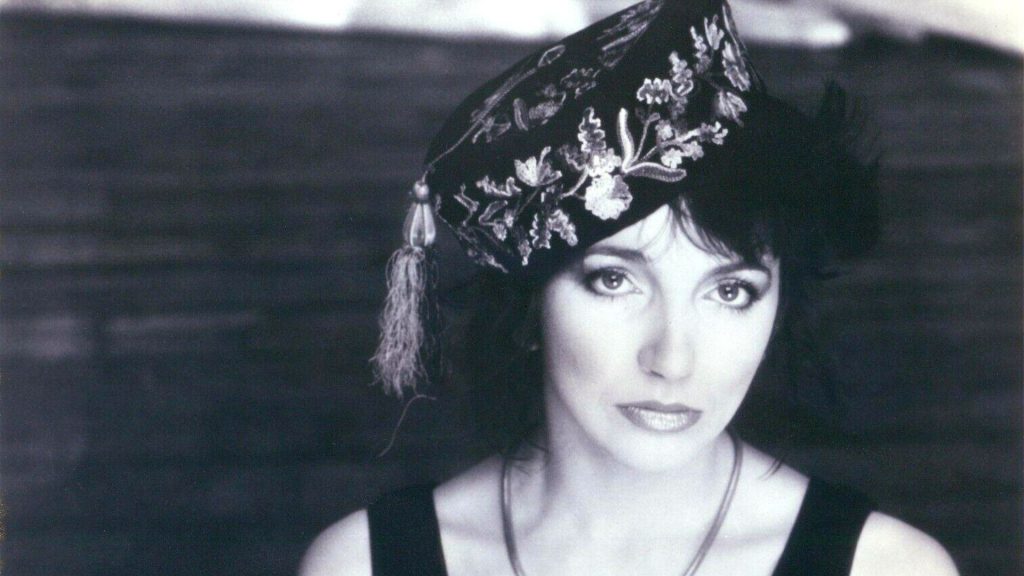
Kate Bush wrote “Wuthering Heights” at 18, recorded it, and released it as her debut single in 1978. It went to number one. She has written and produced her own work across a career that now spans nearly 50 years, and her influence on pop songwriting is enormous even if her actual output has been sporadic.
“Running Up That Hill” became newly famous in 2022 after its use in “Stranger Things,” but the song was already considered a landmark. The structure, the deal with God as central metaphor, the way the melody moves against the beat. Bush has always written as if the rules were suggestions.