Critics get it wrong. It happens more than the music press would ever care to admit, and the proof is sitting in millions of record collections around the world. Some of the most celebrated albums in history were met with indifference, confusion, or outright hostility when they first appeared. Reviewers called them overlong, self-indulgent, uncommercial, or just plain bad. Then time did what time does, and those same records became untouchable.
The nine albums below were all critically dismissed, underestimated, or savaged on release. Every one of them is now considered essential.
1. The Velvet Underground & Nico (1967)
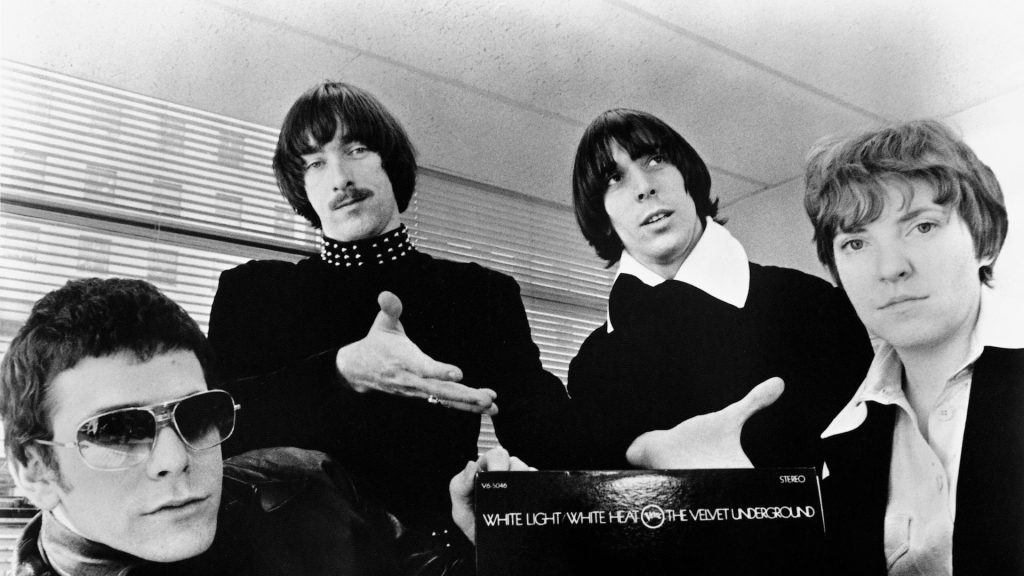
Few debut albums have had a longer shadow than this one, but in 1967, almost nobody bought it and plenty of critics dismissed it as unlistenable noise dressed up in art-world pretension. The droning guitars, Lou Reed’s flat vocal delivery, and Nico’s heavily accented monotone struck many reviewers as a provocation rather than a statement.
Early coverage was sparse and often baffled, and the record sold poorly. Brian Eno later recalled that the first Velvet Underground record sold around 30,000 copies in its first five years, then added that he thought everyone who bought one of those copies started a band. That observation says more about its actual legacy than any contemporary review did.
2. Blonde on Blonde (1966)
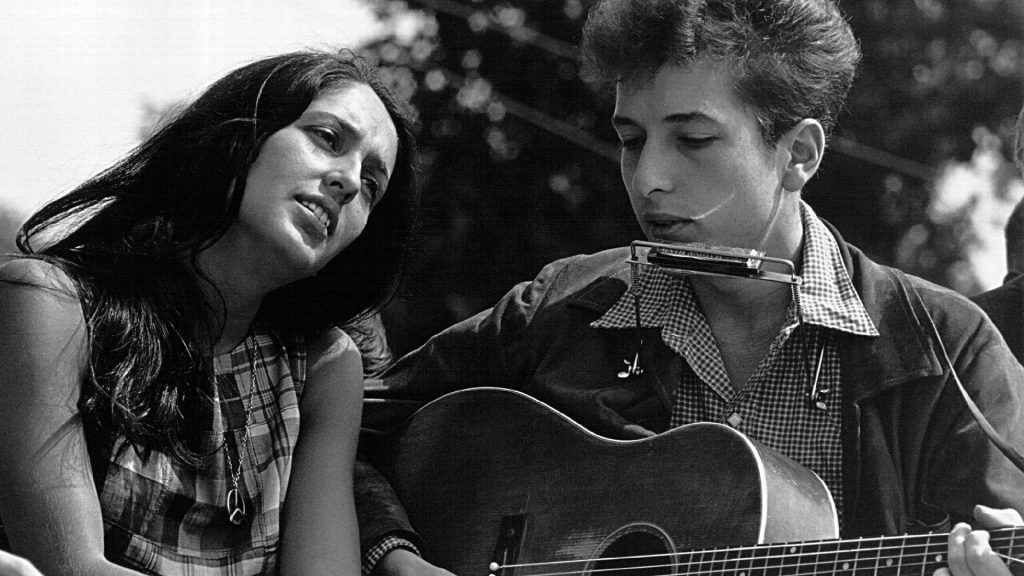
Bob Dylan releasing a sprawling double album in 1966 was not universally welcomed. Some critics found the length self-indulgent and the lyrics impenetrable, and audiences were still adjusting to Dylan going electric at all.
“Blonde on Blonde” landed in that turbulent gap between what fans expected and what he was actually doing. Over time it has become one of the most praised records in rock history, regularly appearing at or near the top of greatest albums lists, including Rolling Stone’s all-time rankings.
3. Led Zeppelin (1969)
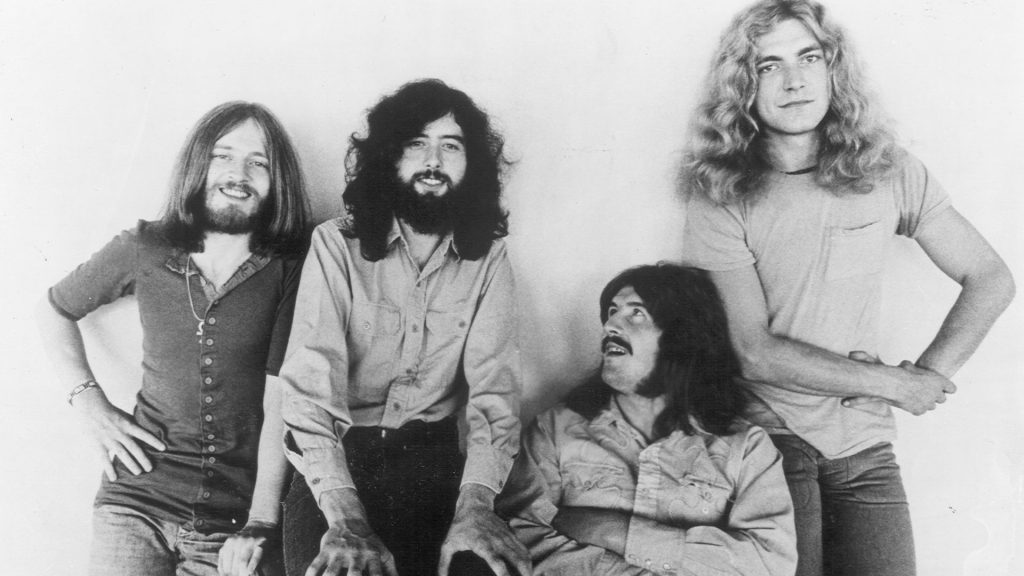
The debut from Led Zeppelin took a beating from American critics in particular. Rolling Stone’s John Mendelsohn wrote in March 1969 that the band offered little that the Jeff Beck Group hadn’t already said as well or better, and called Jimmy Page a limited producer and writer of weak, unimaginative songs. The review became almost as famous as the album itself.
Audiences disagreed completely. The album went to number ten on the Billboard 200, and the band never really looked back. The critical establishment caught up eventually, though it took longer than it should have.
4. Rumours (1977)
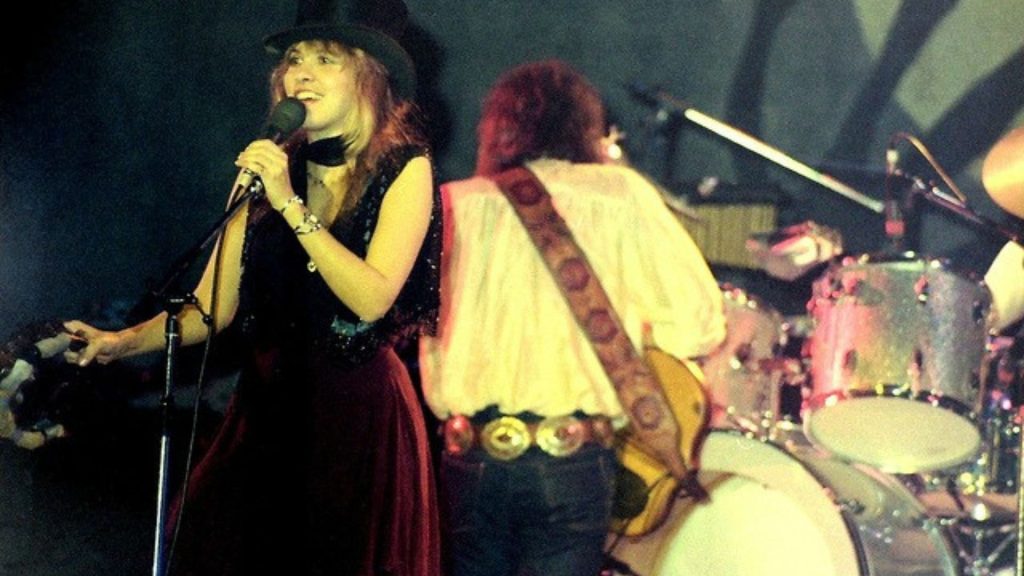
Hard to believe now, but “Rumours” by Fleetwood Mac did not arrive to unanimous rapture. Some critics found it too polished and too radio-friendly, and the rise of punk had shifted what parts of the press valued in rock music.
The record went on to spend 31 weeks at number one on the Billboard 200 and has sold over 40 million copies globally. Whatever reservations existed in early 1977 were irrelevant within months.
5. Exile on Main St. (1972)

The Rolling Stones’ double album received confused and sometimes hostile notices when it arrived in 1972. Critics called it murky, unfocused, and overlong. Even sympathetic reviewers hedged. The production, recorded largely in the basement of Keith Richards’ rented villa in the south of France, struck many as deliberately rough to the point of being inaccessible.
Keith Richards later said the album was “pretty much universally panned” on release, and that the same critics who had savaged it were extolling it as the best album in the world within a few years. A full critical reassessment came in exactly that way, and “Exile” is now widely treated as the band’s masterpiece.
6. The Stooges (1969)

Iggy Pop and the Stooges were not what critics in 1969 were prepared to handle. Their debut album was raw, aggressive, and deliberately primitive in a year when progressive rock and polished studio craft were the dominant critical values.
Most reviewers wrote them off as a regional Detroit oddity with no commercial future. The album’s influence on punk and alternative rock over the following decades made that assessment look increasingly shortsighted.
7. Moby Grape (1967)

Moby Grape remains one of the stranger critical failures of the 1960s. The band’s debut was released in 1967 with a disastrous promotional strategy that put out five singles simultaneously, which bewildered radio programmers and annoyed critics before they had properly engaged with the music.
Reviews were mixed to dismissive. The record has since been recognized as one of the finest San Francisco rock albums of the era, combining folk, blues, and rock in ways that most of their contemporaries never managed.
8. Nebraska (1982)

Bruce Springsteen recorded his sixth album alone on a four-track cassette machine in his bedroom, intending the recordings as demos for the E Street Band. When full-band versions failed to capture what the demos had, he and his team decided to release the home recordings as the album.
Columbia Records was not enthusiastic. Critics at the time were uncertain how to place a record so stripped and bleak against the massive arena rock Springsteen was expected to deliver. Sales were modest by his standards. Over the following decades, “Nebraska” has been reassessed as one of his most personal and artistically uncompromising works, the kind of album that holds up precisely because it refused to compromise.
9. Revolver (1966)
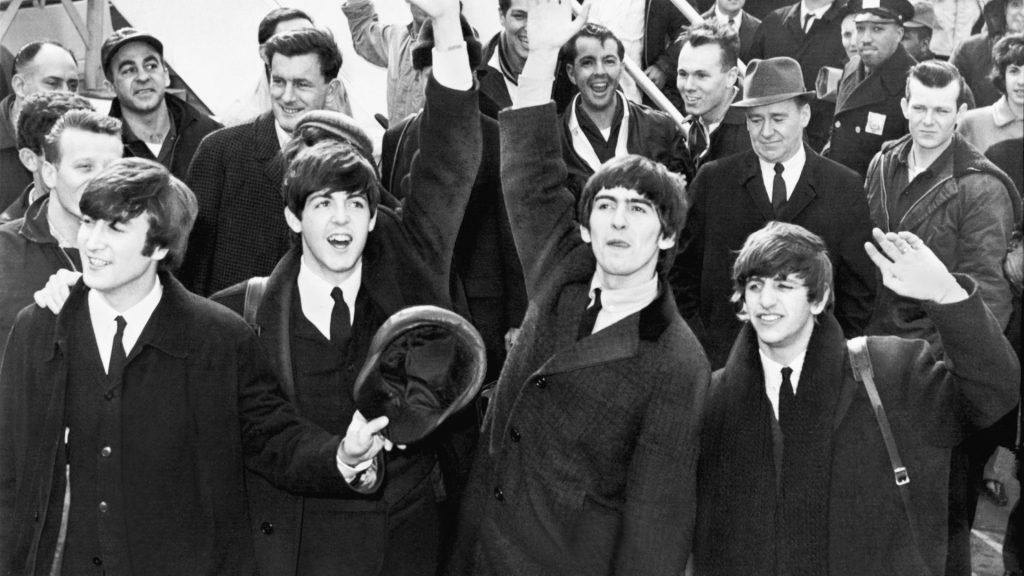
Early reviews of “Revolver” ranged from puzzled to mildly positive, with very few anticipating what they were actually listening to. The Beatles had moved so far from their early pop sound that some critics didn’t know what framework to apply.
“Tomorrow Never Knows,” with its backward tape loops and droning Eastern influence, genuinely baffled reviewers who were still processing “Help!” The album is now almost universally ranked among the greatest records ever made. At the time, nobody quite had the language for it yet.