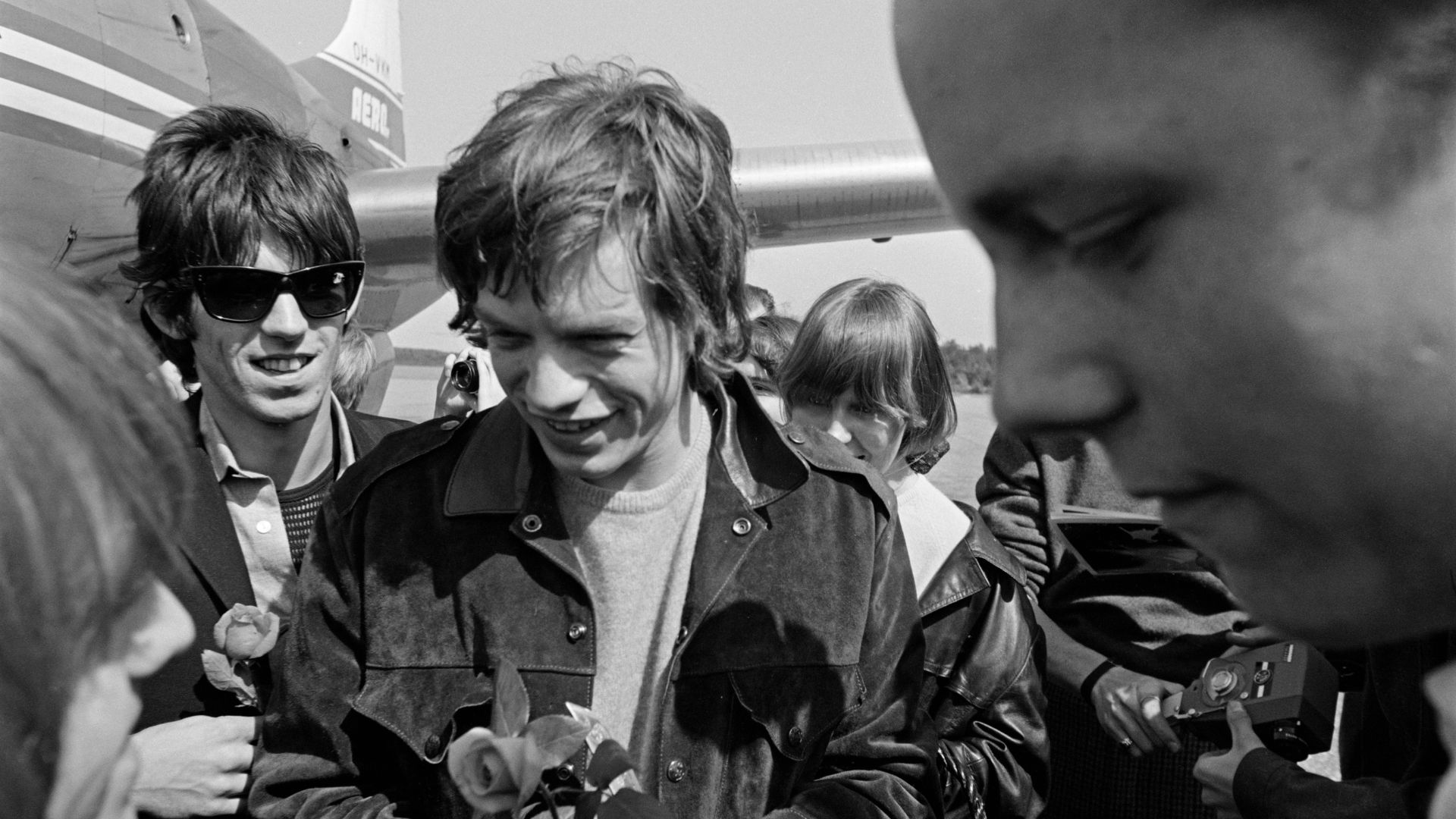
Every band gets a pass or two. Touring schedules, lineup changes, personal chaos. the music industry has never been particularly kind to artists trying to sustain greatness over decades. But there’s a specific kind of disappointment that comes from a genuinely legendary band releasing an album so flat, so off, or so confused that it makes you rethink parts of their legacy.
These nine albums aren’t forgotten deep cuts. They’re records by some of the most respected acts in history that landed with a thud most fans still talk about.
1. Metallica — St. Anger (2003)
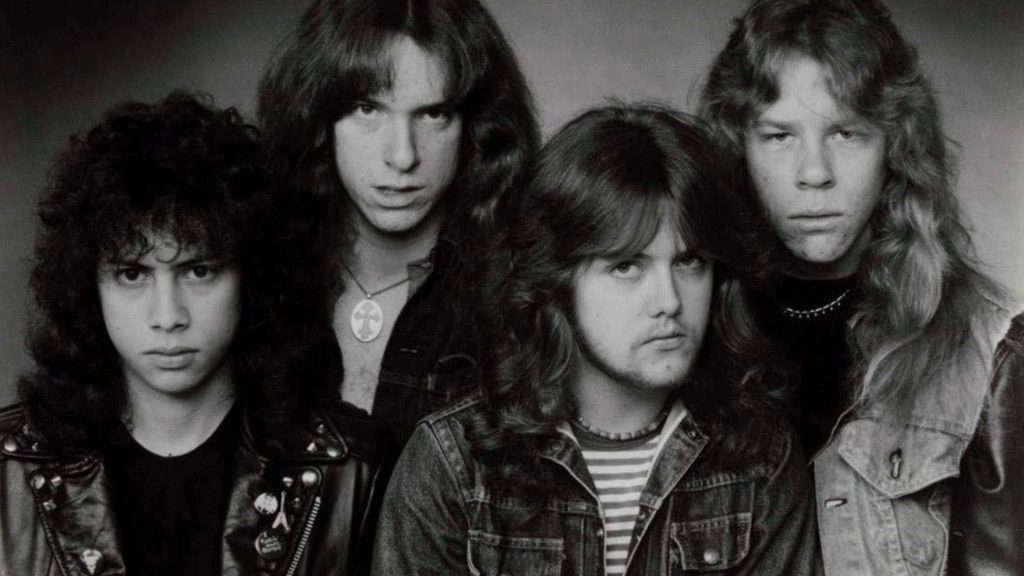
The drums alone have generated years of debate. Lars Ulrich’s snare on St. Anger sounds like someone hitting a trash can lid, and not in an intentional, artistic way. The album ditched solos entirely, clocked in at over 75 minutes, and featured some of the most repetitive song structures Metallica had ever put to tape.
After the implosion documented in Some Kind of Monster, the band clearly needed a reset. This was not it. There are moments buried in the chaos, but the record never figures out what it wants to be.
2. U2 — Songs of Innocence (2014)

Apple delivered this album directly to over 500 million iTunes accounts without asking anyone. That alone guaranteed a backlash, but the music didn’t help U2’s case.
Songs of Innocence felt like a band trying hard to sound current while using the kind of polished, airtight production that removes all the rough edges a record like this needed. Bono’s lyricism had slipped into self-mythology, and the whole thing arrived feeling more like a press campaign than a statement.
3. The Rolling Stones — Dirty Work (1986)
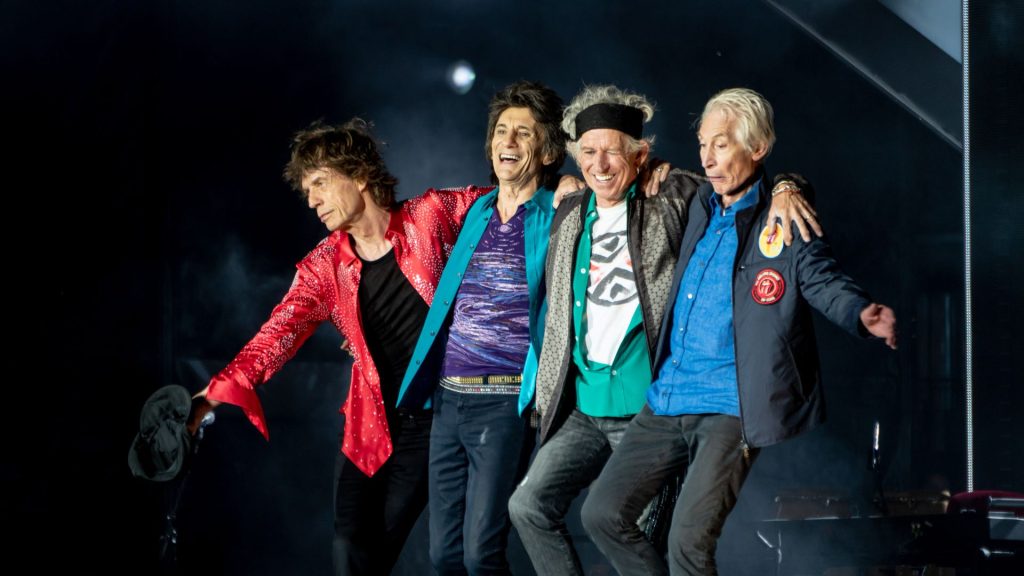
Mick Jagger spent most of the Dirty Work campaign promoting his solo album instead of this one, which tells you a great deal. Keith Richards was furious, the sessions were fractious, and what ended up on the record reflects that tension without ever turning it into interesting music.
The production is aggressively mid-80s in the worst possible way, with synthesizers and drum machines burying whatever rawness the Stones had left. A band that survived the 60s, 70s, and early 80s with their identity reasonably intact nearly lost it here.
4. David Bowie — Tonight (1984)
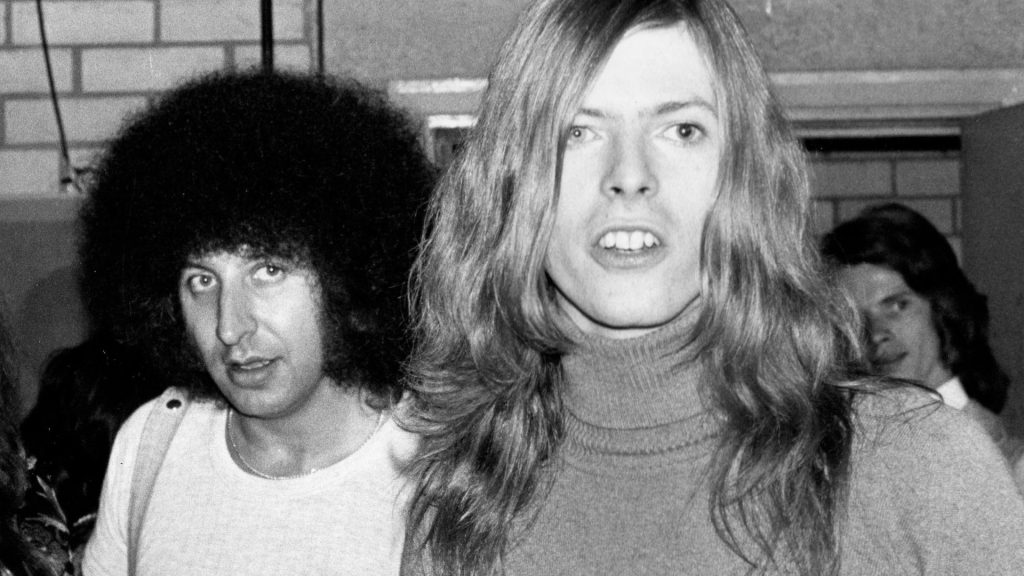
Tonight followed Let’s Dance, one of Bowie’s most commercially successful albums, and somehow managed to strip away everything that made that record work.
Most of the songs were covers or co-writes, the reggae-inflected production felt disconnected from Bowie’s instincts, and the whole project has a phoned-in quality even his most dedicated fans have acknowledged over the years. Bowie himself later distanced himself from this period publicly.
5. Weezer — Raditude (2009)

Weezer had already released Make Believe and the Red Album before Raditude, so the goodwill had been eroding. But Raditude was something else. It featured a collaboration with Lil Wayne that neither party seemed particularly invested in and a collection of songs that felt engineered for commercial appeal in a way that missed the target anyway.
Rivers Cuomo has never been shy about chasing trends, but this record showed what happens when the chase overtakes the craft.
6. R.E.M. — Around the Sun (2004)
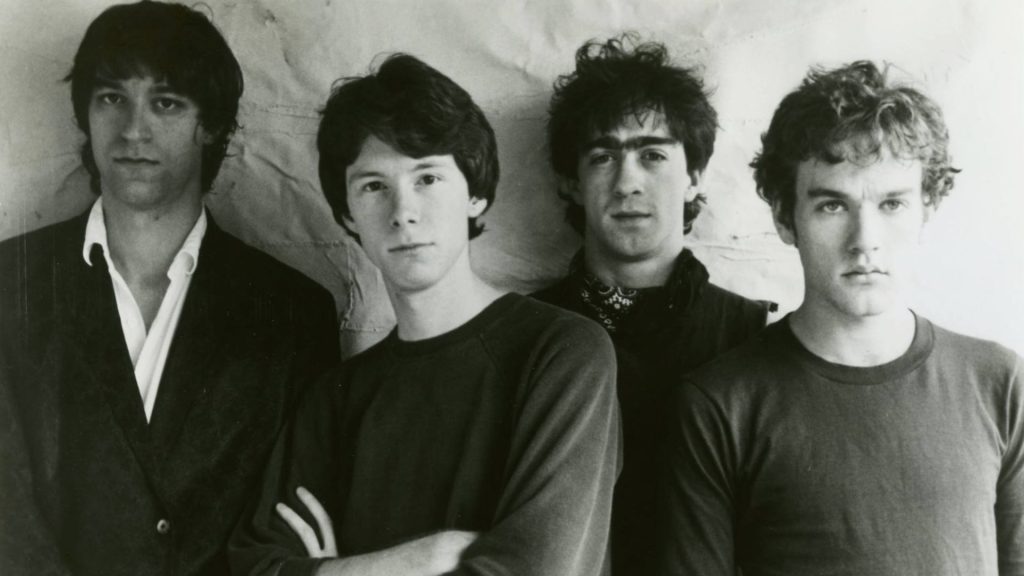
The post-Bill Berry lineup always carried a question mark, but Around the Sun is where the consequences of his departure became truly audible.
The album is slow, overproduced, and lacks the nervous energy that made early R.E.M. records so electric. Even Michael Stipe admitted in interviews that the band had not been in a great place creatively. It was their longest album and arguably their most difficult to sit through.
7. Guns N’ Roses — Chinese Democracy (2008)

Fourteen years in production. Over $13 million reportedly spent. What arrived was a dense, layered record that sounded less like Guns N’ Roses and more like Axl Rose’s elaborate solo project.
The original band was gone. Slash wasn’t on it. Duff wasn’t on it. The music had its moments, but releasing it under the Guns N’ Roses name set expectations the album was never going to meet.
8. Neil Young — Trans (1982)

Neil Young made a synth-heavy, vocoder-drenched record and called it Trans. The concept behind it, connected to his son Ben’s struggle to communicate due to cerebral palsy, was deeply personal.
But the music confused almost everyone, and Young’s label Geffen actually sued him for making records that were “uncharacteristic” of his work. It remains one of rock’s stranger career detours from an artist who has made a habit of strange career detours.
9. The Beach Boys — That’s Why God Made the Radio (2012)

The reunion that should have stayed a tour. Brian Wilson, Mike Love, Al Jardine, Bruce Johnston, and David Marks came back together for the band’s 50th anniversary and recorded That’s Why God Made the Radio.
The title track is warm enough, but the album as a whole sounds like a nostalgia act going through motions, not a band with anything left to prove or say. Compared to Pet Sounds or even Sunflower, it barely registers. Some legacies are better protected by silence than by one more record.