A great song can make you famous. But a great persona can make you legendary. Some of the biggest names in entertainment did not just sell music or content. They sold a character, a myth, and an entire world that fans wanted to live inside.
From meat dresses to alter egos, these stars understood something important early on. In a crowded industry, the mask can matter as much as the voice. Here are the celebrities whose personas did much of the heavy lifting.
Lady Gaga and the art of being a living costume
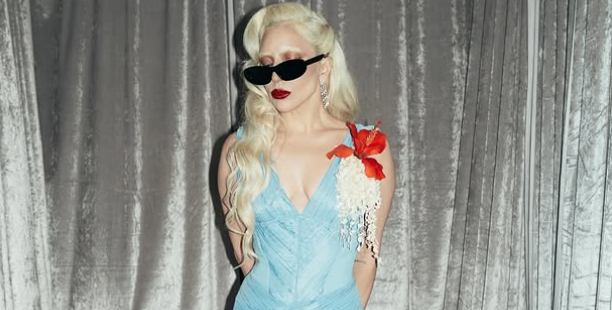
Lady Gaga, born Stefani Germanotta, built her entire early career on theatrical shock. Her debut album “The Fame” launched in 2008, but it was her outfits that the world could not stop discussing. She wore a dress made of raw meat to the 2010 MTV Video Music Awards and arrived at the 2011 Grammys in a giant egg.
She once told Vogue that her whole life was a performance. Each album came with an entirely new visual identity. The Fame Monster, Born This Way, Artpop, and Chromatica each had their own look, color, and mythology. Gaga proved that in pop music, the costume can be the conversation.
Nicki Minaj and the many faces of Roman Zolanski
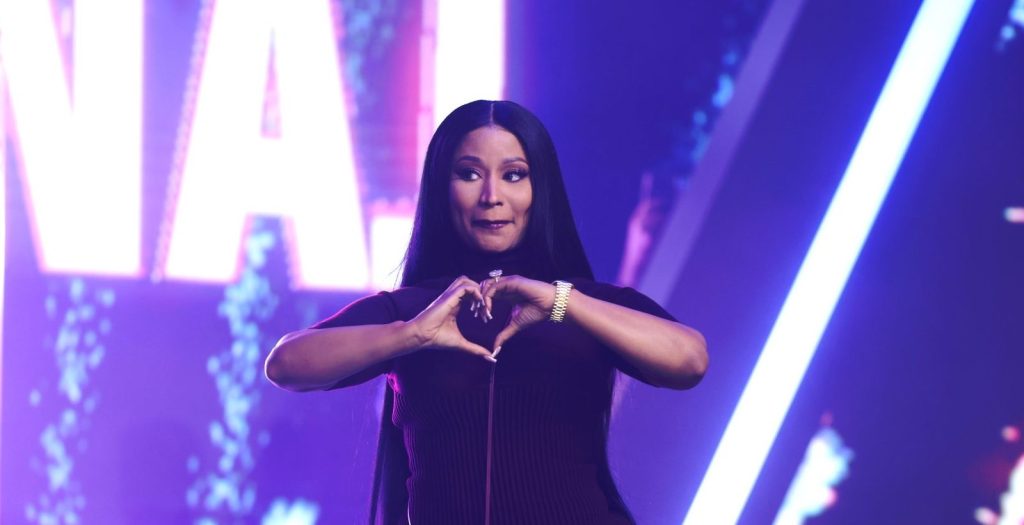
Nicki Minaj, born Onika Maraj in Trinidad, introduced the world to Roman Zolanski on her debut album “Pink Friday” in 2010. Roman was a loud, rebellious, fictional gay male character who spoke with a British accent. Nicki told MTV in 2011 that Roman was “a crazy boy who lives in me and says the things I don’t want to say.”
Roman dominated her 2012 album “Pink Friday: Roman Reloaded” and headlined a controversial exorcism-themed Grammy performance that year. Nicki also created Harajuku Barbie, Martha Zolanski, and Chun Li over the years. Each persona let her shift sound, style, and attitude without breaking her brand.
Kim Kardashian and the billion-dollar image machine
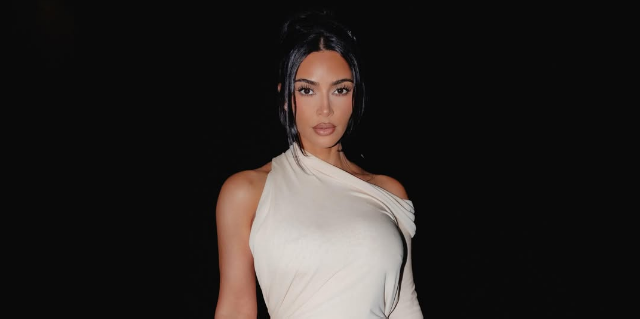
Kim Kardashian first became known not for a skill but for a leaked tape with singer Ray J in 2007. That same year, her family launched “Keeping Up with the Kardashians” on E! network. Critics called her famous for being famous. She turned that phrase into a $1.7 billion empire by 2026 according to Business of Fashion.
Her Skims shapewear brand launched in 2019 and reached a valuation of $5 billion by November 2025. In 2014 her Paper Magazine cover was viewed 15.9 million times in a single day. Kim understood that in the modern era, the persona itself was the product.
Doja Cat and the reinvention that shocked her own fans
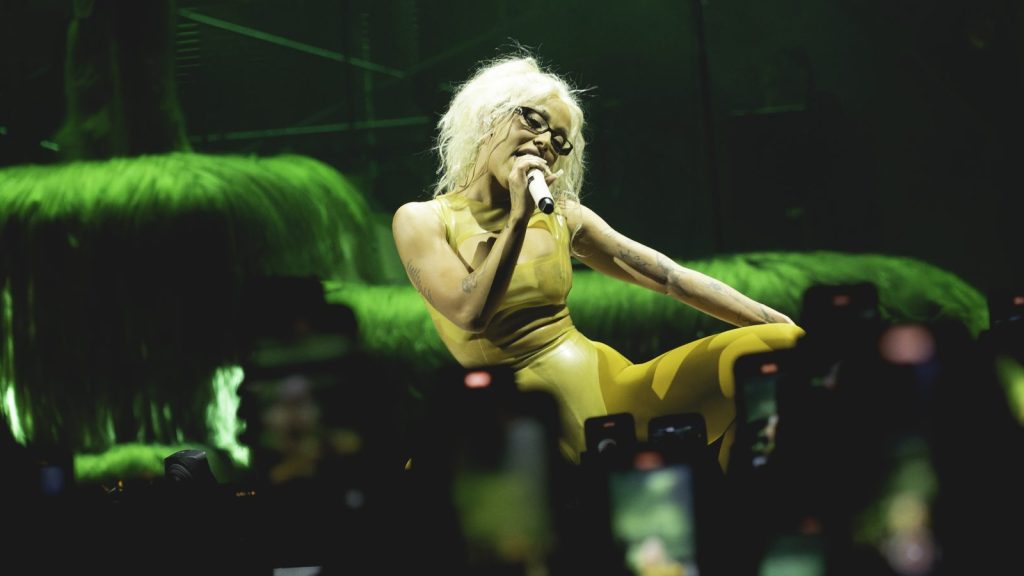
Doja Cat, whose real name is Amala Dlamini, went viral in 2018 with a joke song about being a cow called “Mooo!” She followed that with the massive 2019 TikTok hit “Say So” from her album Hot Pink. Her bubbly pop persona took over the internet and made her a global star almost overnight.
By 2023 she had grown tired of that image. She shaved her head and eyebrows in August 2022, called her own previous albums “cash grabs,” and released the dark rap album “Scarlet” in September 2023. The lead single “Paint the Town Red” reached number one in both the US and UK. The reinvention was total and deliberate.
Cardi B and the streets to stardom story
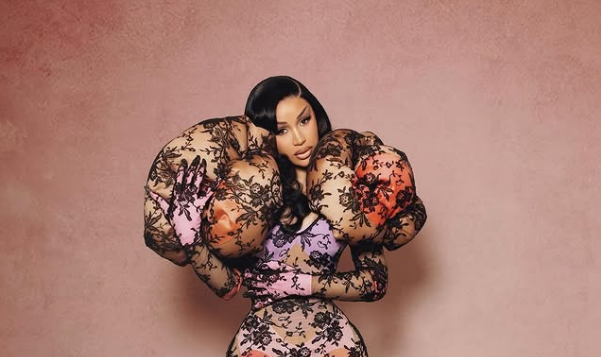
Cardi B built her brand before she ever had a hit record. She rose to fame on Instagram and the reality show “Love and Hip Hop New York” from 2015 to 2017. Her raw, unfiltered personality and heavy Bronx accent made her a social media phenomenon before music ever entered the picture.
Her 2017 debut single “Bodak Yellow” hit number one on the Billboard Hot 100, making her the first solo female rapper to top that chart since Lauryn Hill in 1998. The persona came first. The music confirmed it. Without the character she had built online, the song might never have found its audience so quickly.
Marilyn Manson and the shock rock identity
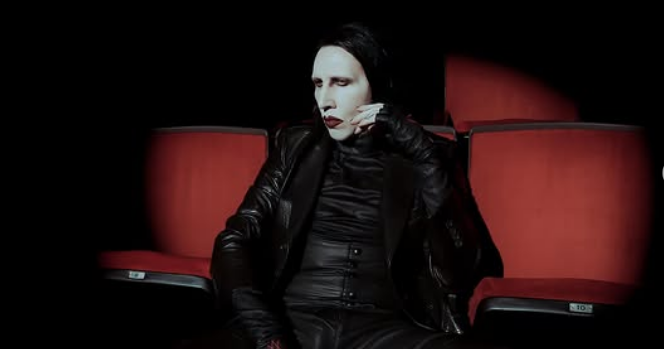
Brian Hugh Warner adopted the name Marilyn Manson in 1989 by combining the names of actress Marilyn Monroe and convicted murderer Charles Manson. The name alone was designed to disturb. His androgynous makeup, contact lenses, and theatrical live shows made him one of the most controversial figures in 1990s rock.
His 1996 album “Antichrist Superstar” reached number three on the Billboard 200 and sparked national protest campaigns, congressional hearings, and demands for record labeling. By the 2010s younger generations discovered him through soundtracks and collaborations. The persona outlasted every controversy and built a career spanning over three decades.
Billie Eilish and the baggy clothes that meant everything
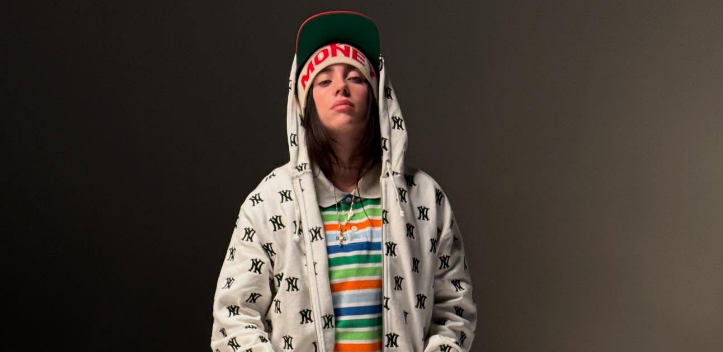
Billie Eilish became famous as a teenager with her 2016 track “Ocean Eyes” released when she was just 14 years old. But her persona was as deliberate as her music. She wore oversized neon green and black clothing to deliberately hide her body. She said publicly that she wore them so the internet could not judge or sexualize her form.
At the 2020 Grammy Awards she swept all four major categories in one night, a feat only one other artist in Grammy history had ever achieved. She became the second artist ever and the first woman to win Album, Record, Song of the Year, and Best New Artist in the same ceremony. Fans connected to the persona just as much as to the music itself.
Bad Bunny and the reggaeton king who broke every rule
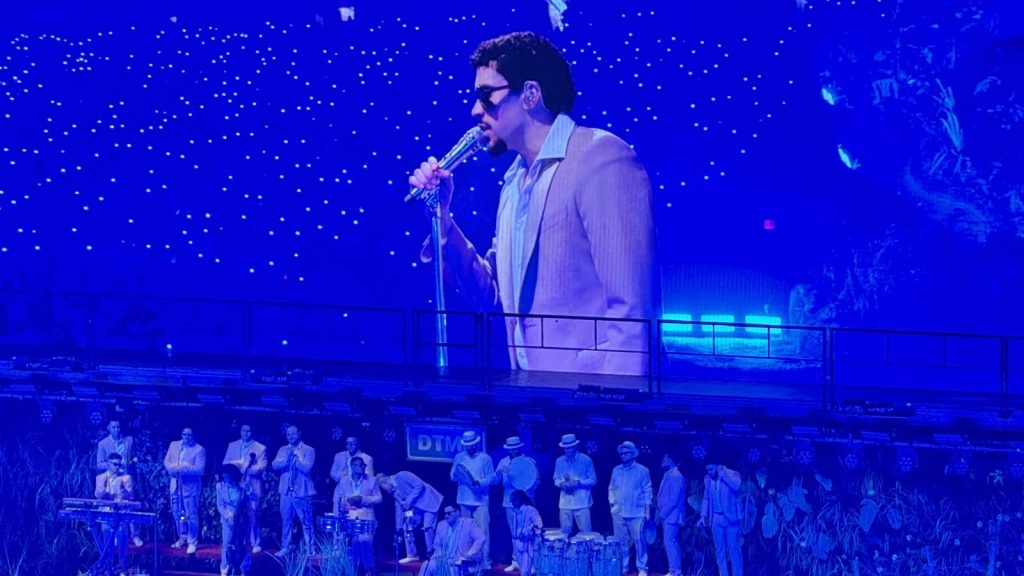
Benito Antonio Martinez Ocasio, known as Bad Bunny, built a persona that defied every expectation of a Latin music star. He wore skirts and painted his nails on red carpets. He refused to soften his Puerto Rican slang for American audiences. He sang about mental health and toxic masculinity in a genre not known for doing either.
His 2022 album “Un Verano Sin Ti” became the first Spanish-language album ever nominated for Album of the Year at the Grammy Awards. Billboard named him the top global artist of 2022. His refusal to perform for anyone but Puerto Rican audiences became a persona statement in itself. He made unapologetic identity the product.
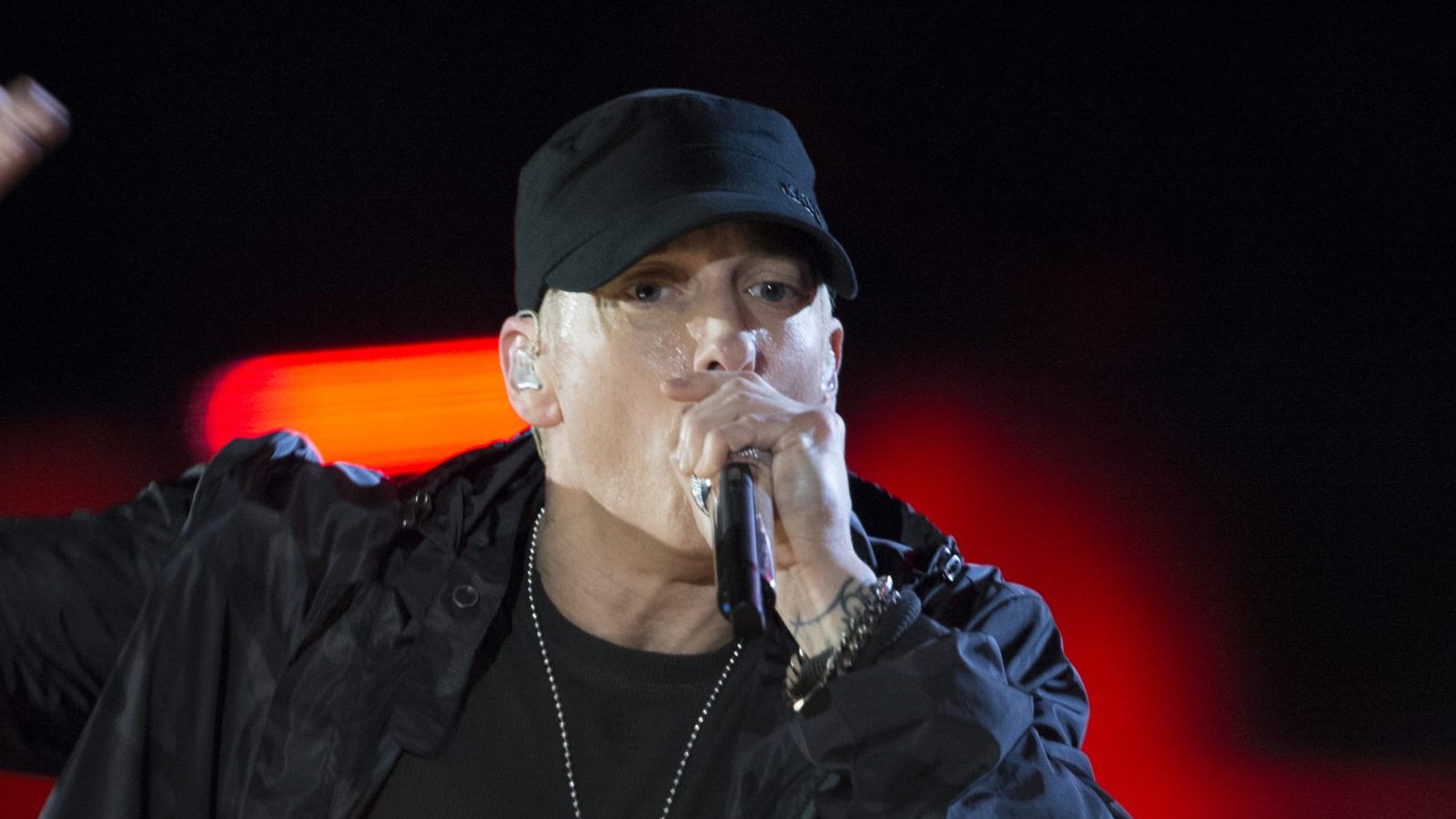
Eminem and the bleached blonde villain who made him famous
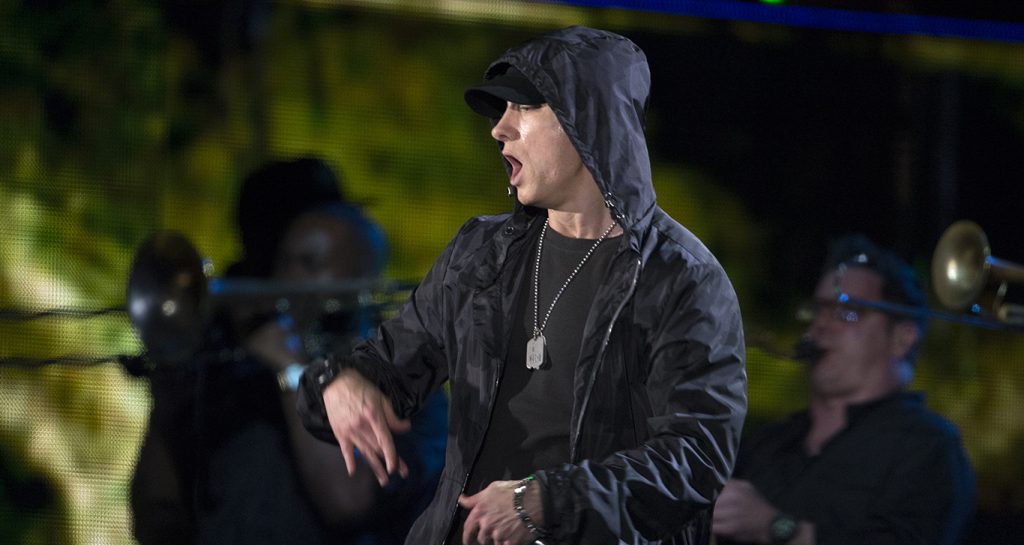
Marshall Mathers struggled for years in Detroit’s underground rap scene before he created Slim Shady. The alter ego was born in 1997 after his debut album Infinite failed to make an impact. He told Rolling Stone that after that failure every rhyme he wrote “got angrier and angrier.” Slim Shady was where that anger went.
The Slim Shady LP released on February 23, 1999 debuted at number two on the Billboard 200 and sold 283,000 copies in its first week. It earned Eminem two Grammy Awards. Dr. Dre signed him specifically because of Slim Shady’s energy. The bleach-blond villain turned a struggling Detroit rapper into one of the best-selling artists in music history.11
The Weeknd and the persona he finally decided to kill
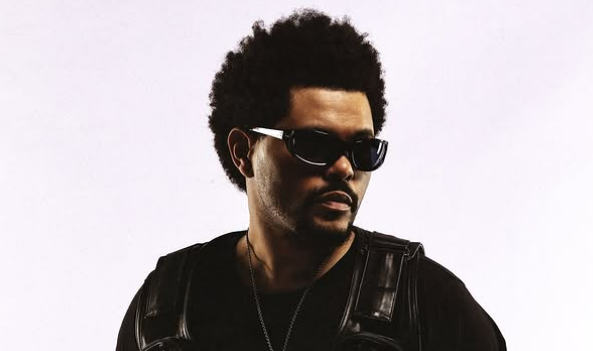
Abel Tesfaye, born in Toronto on February 16, 1990 to Ethiopian immigrant parents, chose the stage name The Weeknd after leaving home as a teenager on a weekend and never going back. He dropped the letter “e” from Weekend because a Canadian band already had that name. The mysterious identity, built on anonymous mixtapes released in 2011, made him famous before anyone even knew his face.
In a January 2025 interview with Variety he announced that his album “Hurry Up Tomorrow,” released January 31, 2025, would be his last under The Weeknd name. He told the magazine the persona had become a “rat race” of accolades with no end. The album debuted at number one on the Billboard 200 with 490,500 units. He mastered the persona so completely he had to retire it.
Featured Image: Photo by DoD News on Wikimedia Commons