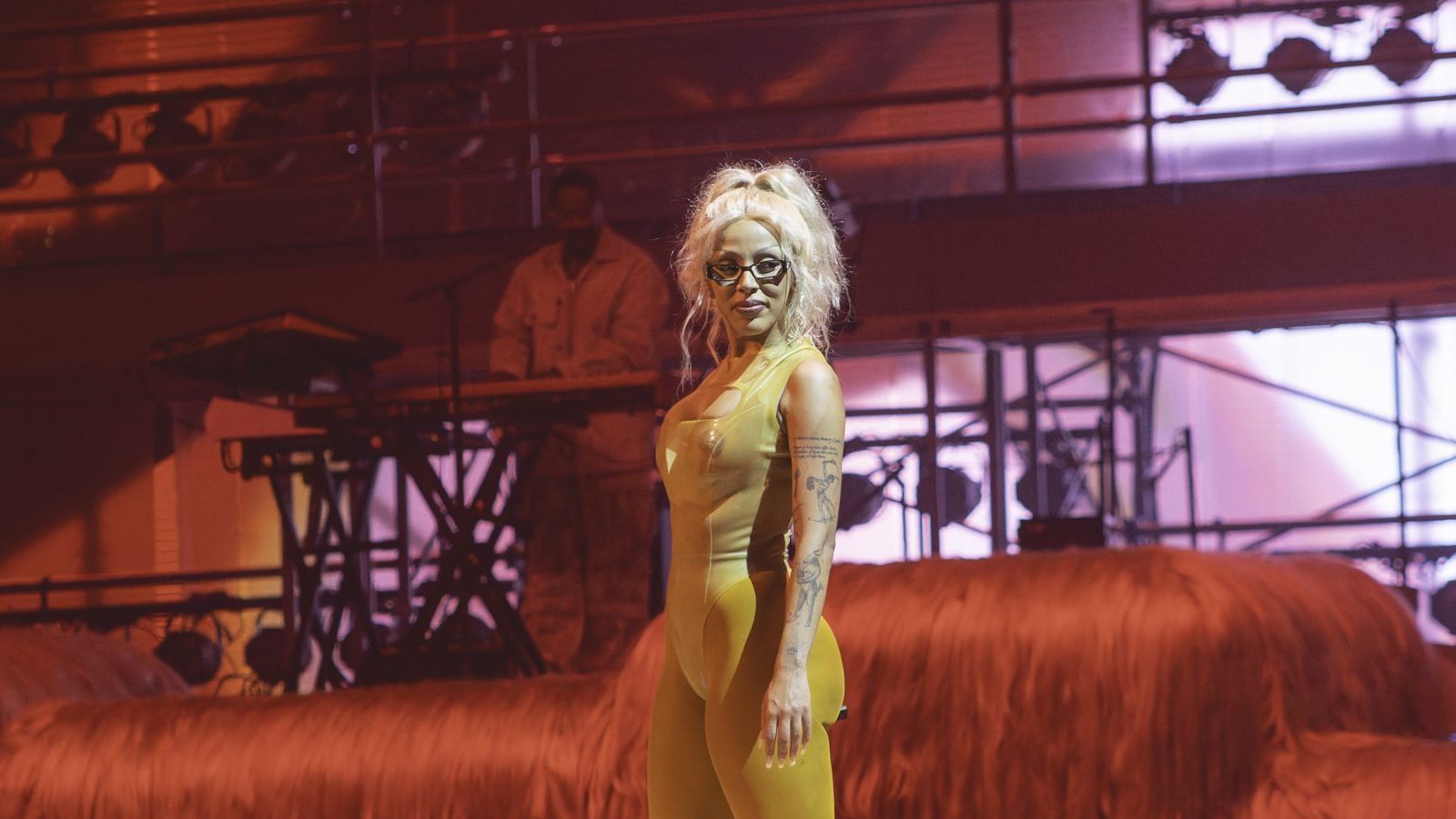
Celebrity branding teams spend fortunes shaping public images, yet some stars repeatedly undermine their own reputations through impulsive posts, interviews, and livestreams that overshadow achievements and trigger intense online backlash across global entertainment and culture.
From social media feuds to poorly timed comments, these celebrities demonstrate how fame magnifies every misstep. Discover stars who often become their own toughest critics in today’s hyperconnected entertainment landscape and beyond.
Kanye West
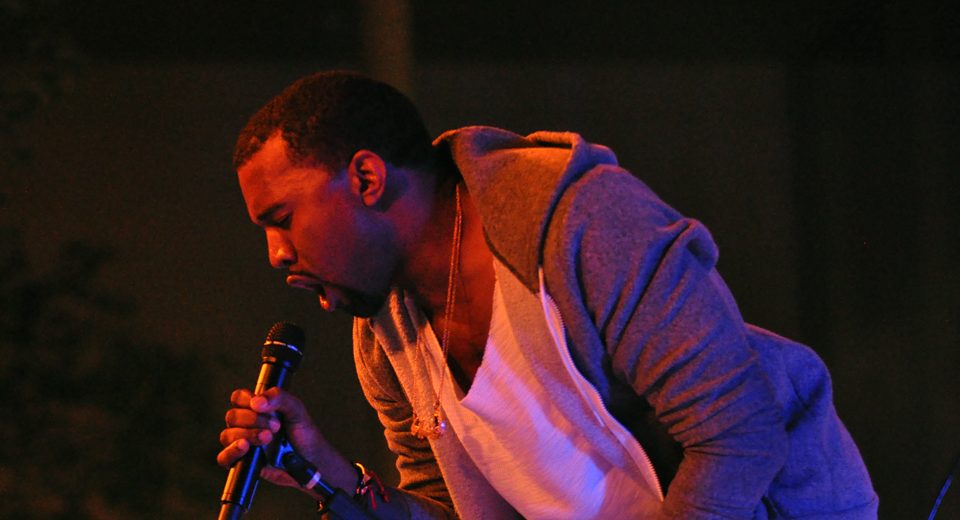
Few modern musicians have generated more self-inflicted controversy than Kanye West. Repeated antisemitic remarks, erratic interviews, and inflammatory social posts damaged partnerships and alienated longtime supporters across the music and fashion business and media worldwide audiences.
Despite groundbreaking albums and major cultural influence, West often redirects attention toward personal disputes instead of creative work. Each headline reinforces concerns that his strongest opposition comes from himself during highly visible public controversies.
Doja Cat
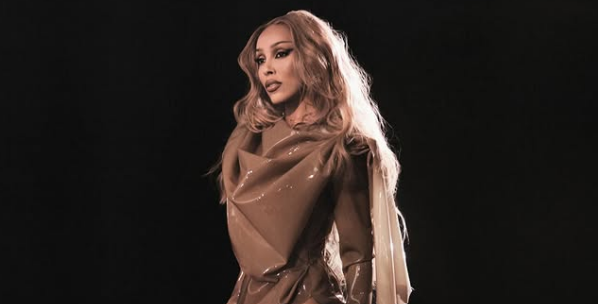
Doja Cat built a devoted online following through humor and musical versatility, yet clashes with fans and dismissive comments about fandom culture repeatedly sparked criticism across social platforms during several highly publicized digital controversies recently.
Her willingness to challenge supporters can appear refreshingly honest, but abrupt responses sometimes overshadow chart success. Each dispute reignites debate about celebrity authenticity, boundaries, and audience expectations within today’s fast-moving online entertainment environment.
Lizzo
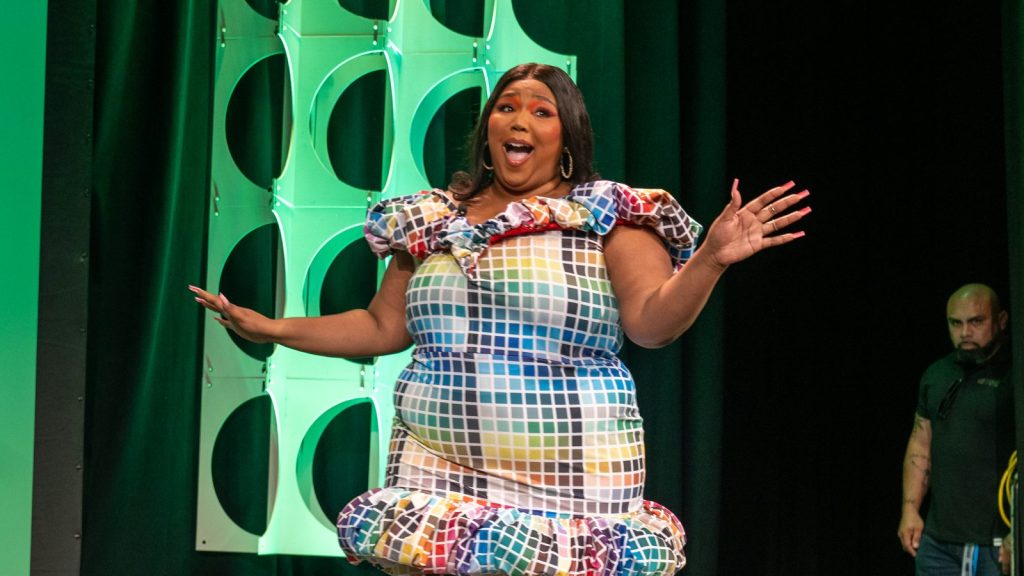
Lizzo championed confidence and positivity for years, making workplace misconduct allegations especially damaging to her public image. The lawsuits prompted intense scrutiny that complicated her uplifting message across entertainment media discussions and public perception significantly.
While Lizzo denies the allegations, public relations challenges intensified because her brand emphasized empowerment and kindness. The contrast between messaging and accusations fueled persistent conversations about accountability within modern celebrity culture and digital fan spaces.
Jonathan Majors
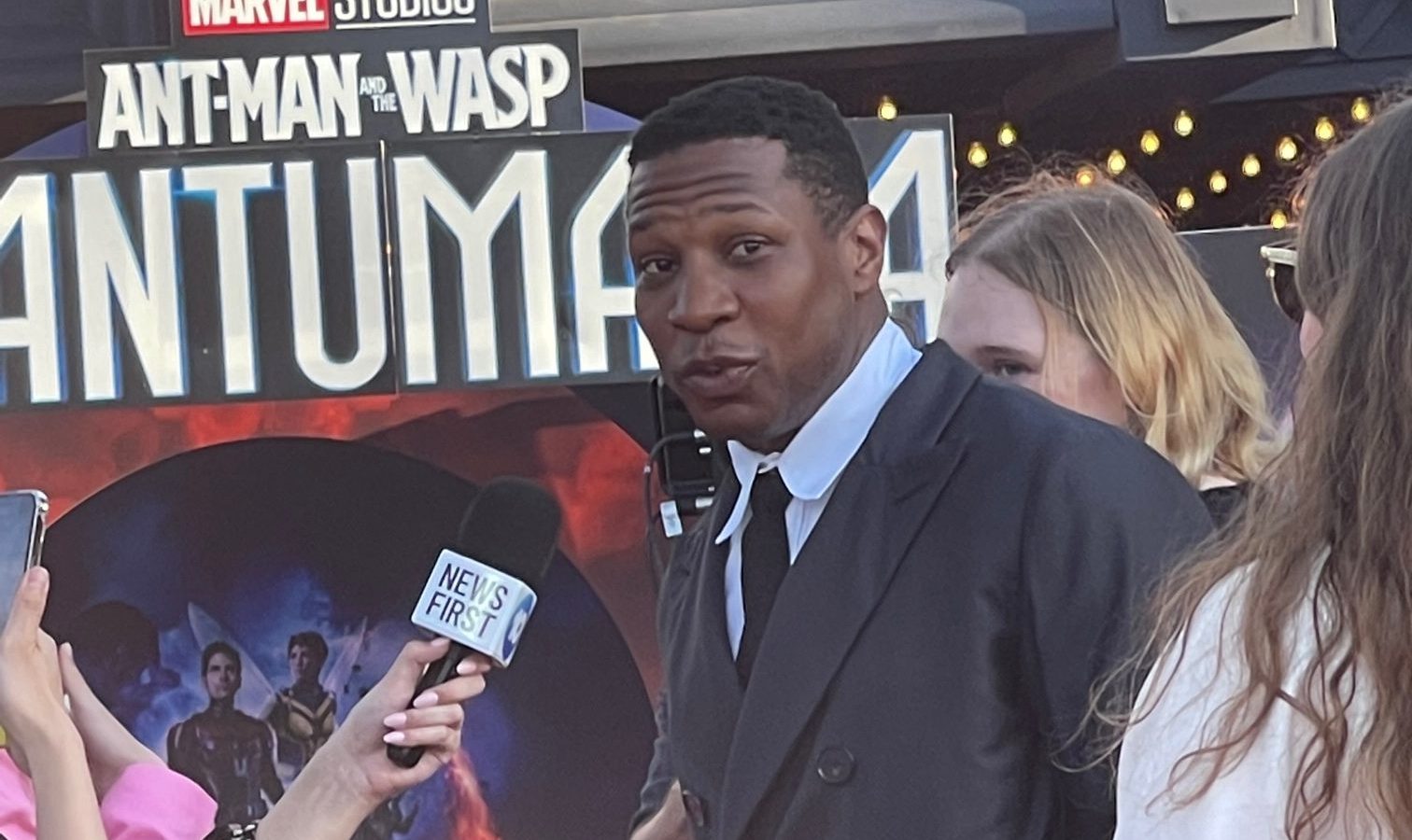
Jonathan Majors appeared poised for leading man status after acclaimed performances, but legal troubles and a misdemeanor assault conviction abruptly altered his career trajectory and public perception across major film franchises and entertainment industries worldwide.
Studios quickly reconsidered projects linked to Majors as negative headlines intensified. His situation illustrates how personal conduct can outweigh momentum, talent, and carefully planned career strategies within today’s competitive entertainment landscape and public discourse cycles.
Matty Healy
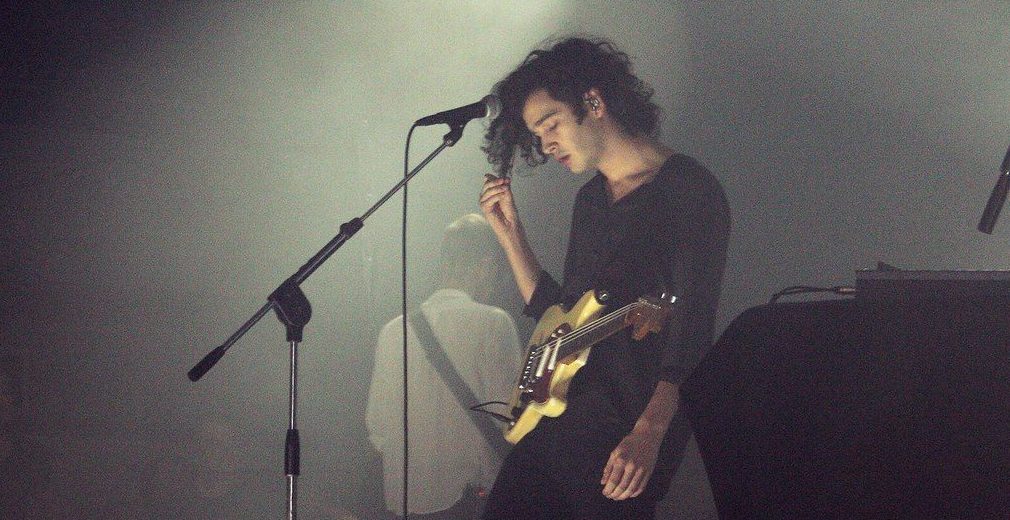
Matty Healy’s candid podcast appearances and provocative jokes frequently generated controversy beyond his music. Comments about race, gender, and public figures invited criticism and overshadowed performances during recent tours and album promotion campaigns across markets.
As frontman of The 1975, Healy often embraces unpredictability and unfiltered conversation. That openness attracts attention, yet repeated controversies sometimes eclipse the band’s creative achievements and loyal fanbase across international media coverage and online discussions.
JoJo Siwa
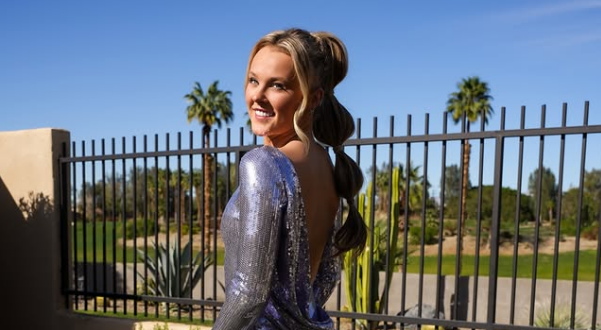
JoJo Siwa attempted a dramatic image reinvention in 2024, but awkward interviews and confusing promotional choices drew ridicule. Critics argued the rollout distracted audiences from her actual music and broader artistic ambitions during that period.
Siwa remains popular with younger audiences, yet inconsistent messaging around her evolving identity created unnecessary skepticism. The reaction showed how carefully managed transitions can falter without clear communication during highly visible entertainment rebranding efforts online.
Meghan Trainor

Meghan Trainor faced criticism after remarks about teachers and parenting choices spread online. Although she later clarified her comments, the backlash highlighted how quickly casual interviews can misfire across today’s highly connected digital entertainment spaces.
Trainor generally maintains a positive public image, making occasional controversies especially noticeable. Her experience demonstrates how even lighthearted conversations can create outsized reactions when clips circulate widely across multiple social media platforms and entertainment outlets.
Noah Schnapp
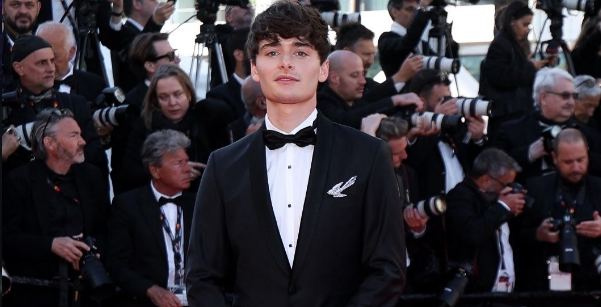
Noah Schnapp encountered significant criticism after sharing videos related to the Israel-Hamas conflict. Many fans viewed his posts as insensitive, prompting debates that affected his previously approachable image among younger audiences across social media.
Schnapp later addressed concerns publicly and emphasized his desire for peace. Nevertheless, the episode demonstrated how rapidly political commentary can reshape perceptions of young entertainers online during emotionally charged global conversations and evolving fan dynamics.
Chappell Roan

Chappell Roan earned praise for breakout success and candid discussions about fame. However, strong statements regarding fan behavior occasionally sparked debates about celebrity accessibility and expectations within modern pop culture conversations across digital communities worldwide.
Her comments reflected genuine concerns about privacy and boundaries, yet blunt delivery sometimes invited misunderstanding. The resulting discussions revealed how authenticity can complicate relationships between artists and supporters within increasingly connected online fan cultures today.
Cardi B
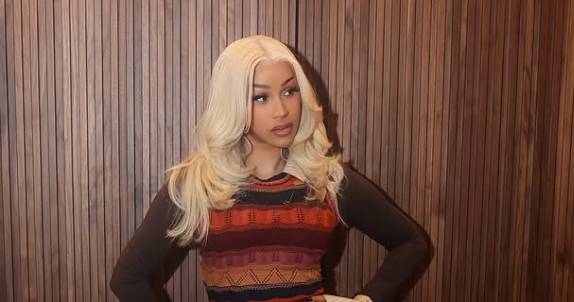
Cardi B built her brand on openness and spontaneity, but frequent social media arguments sometimes overshadow her music. Public disputes regularly generate headlines that divide audiences and critics across entertainment news cycles and digital platforms.
Her unfiltered personality remains central to her appeal, yet impulsive responses occasionally create avoidable controversies. Cardi’s experience proves authenticity can strengthen fame while simultaneously complicating reputation management across rapidly evolving social media ecosystems and audiences.
Featured Image: Photo by Raph_PH on Wikimedia Commons