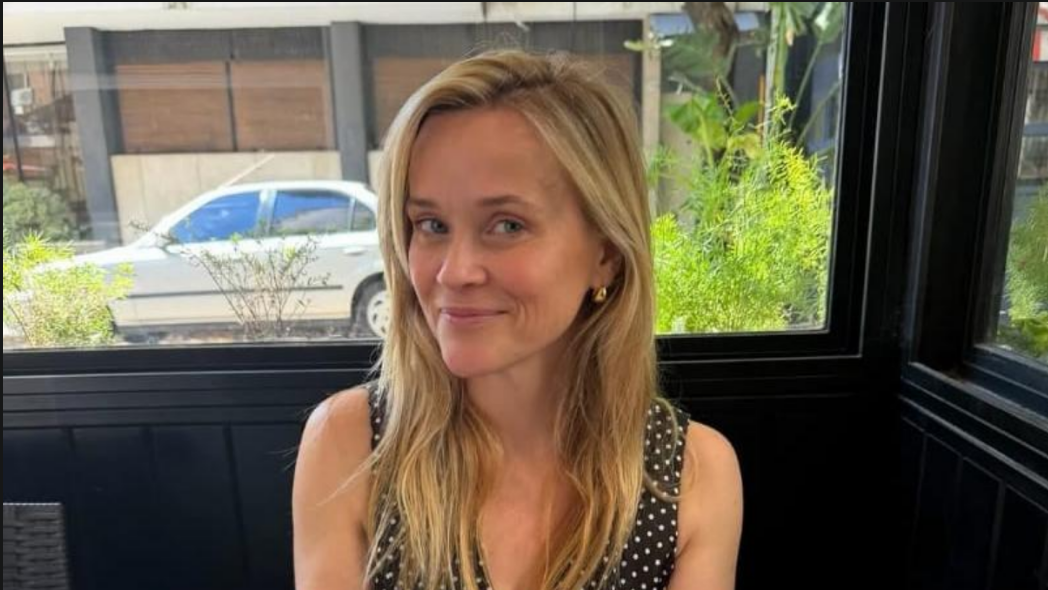
Reese Witherspoon faced rejection repeatedly while building her career across Hollywood during earlier professional years. Many executives dismissed projects featuring strong female characters completely.
Instead of accepting limitations, she created opportunities through storytelling and media production independently. Her company later reached a valuation approaching one billion dollars successfully.
Hollywood had no space for women

Reese Witherspoon spent two decades in Hollywood before she hit a wall. By 2011, the scripts landing on her desk were, in her own words, “abysmal and really demeaning.”
She turned one project down flat. Her agent warned her that every actress in town was fighting for those same demeaning roles. There was simply nothing else out there.
She asked one simple question
Witherspoon went on a listening tour. She walked into every major Hollywood studio and asked one question: “How many films are you developing with a female lead?”
The answer at nearly every studio was zero. One executive even said the studio had already made one female-led film that year and could not justify making a second.
Anger became opportunity

Witherspoon faced initial anger but soon recognized the opportunity in adversity. Rather than succumbing to defeat, she saw a significant white space, motivating her to persevere and pursue her goals.
That mindset shift changed everything. She stopped waiting for Hollywood to fix itself. She decided to build something new on her own terms.
Pacific standard was her first move
In 2012, Witherspoon co-founded Pacific Standard with producer Bruna Papandrea. The company focused entirely on female-driven stories adapted from bestselling books.
Their first two films were Gone Girl and Wild. Together with Big Little Lies, they earned three Oscar nominations and grossed over $600 million at the box office.
The business nearly broke her

Success on screen did not mean success as a business. Witherspoon later admitted she had only four employees and was barely breaking even.
“The overhead was eating me alive,” she said. “I was only working for producer fees. That is not a real business.” She knew something bigger had to change.
Hello Sunshine was born in 2016
After splitting with Papandrea, Witherspoon co-founded Hello Sunshine in 2016 with investor Seth Rodsky. The company launched as a joint venture with AT&T’s Otter Media.
Hello Sunshine had one central mission: to put women at the center of every story. Film, television, books, and digital platforms were all part of the plan from day one.
The hits came fast
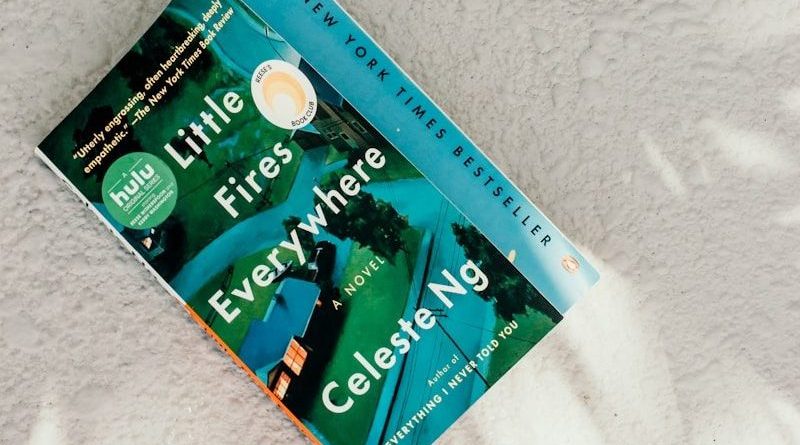
Hello Sunshine produced Big Little Lies for HBO, which won Best Limited Series at both the Emmys and Golden Globes. Little Fires Everywhere on Hulu and The Morning Show on Apple TV followed.
Reese’s Book Club grew into one of the most powerful literary platforms in the country. Witherspoon announced a new pick each month, turning books into cultural events.
Profitability came just in time

Hello Sunshine only became profitable in 2020, one year before the big sale. That timing made the company’s valuation a bold statement about future potential.
Investors saw a content pipeline full of stories that audiences were hungry for. The numbers proved that women’s stories were not a niche. They were a market.
Blackstone came calling with $900 million
In August 2021, Blackstone-backed Candle Media acquired a majority stake in Hello Sunshine. The deal was led by former Disney executives Kevin Mayer and Tom Staggs.
The company was valued at roughly $900 million. Witherspoon and CEO Sarah Harden kept significant equity and board seats, ensuring the mission would continue under new ownership.
The proof of concept that matters most
Witherspoon has said the sale price is not the real point. Her bigger hope is that other founders will look at Hello Sunshine and think, “I can build the next one.”
“No one was coming to save me,” she said. That mindset, not the money, is the true legacy of everything she built from a problem Hollywood refused to fix.
Featured Image: Source: Instagram/reesewitherspoon