Milly Alcock is making waves as the new Supergirl in DC’s 2026 film. The 26-year-old Australian actress is redefining what a female superhero looks like onscreen. Fans and critics are paying close attention to every word she says.
Her comments about Supergirl’s queer identity and lack of a love interest have sparked a global conversation. People are celebrating this fresh take on Kara Zor-El. It feels like a cultural moment worth understanding fully.
Who is Milly Alcock

Born on April 11, 2000, in Sydney, Australia, Alcock grew up in the suburb of Petersham. She was raised by a single mother and started cold-calling talent agencies at just 13 years old. Her drive was clear from a very young age.
She rose to global fame as young Rhaenyra Targaryen in HBO’s House of the Dragon in 2022. That role earned her a Critics Choice Television Award nomination for Best Supporting Actress. She was already a star before Supergirl ever came along.
How she landed the role of Supergirl
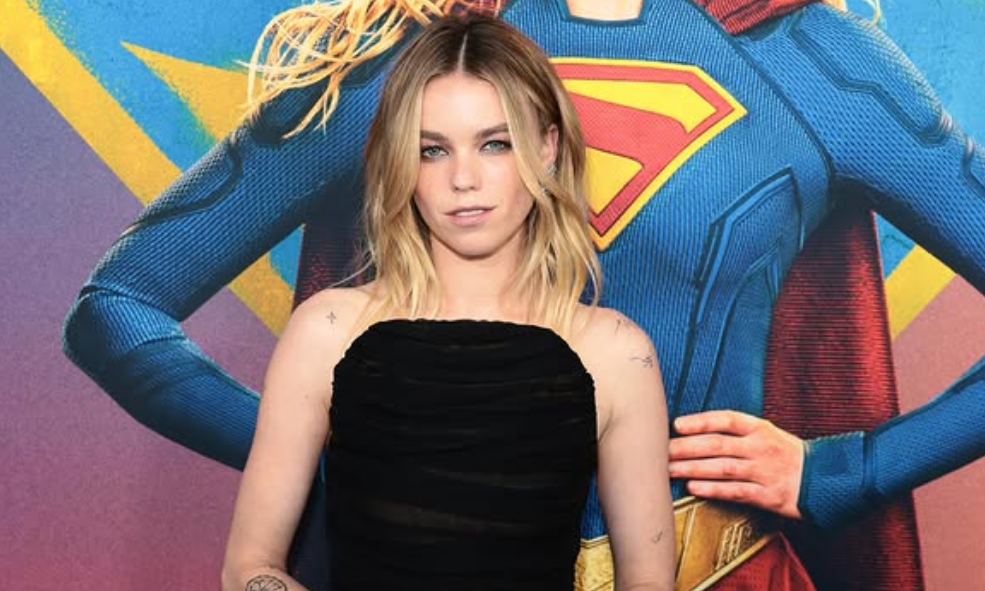
DC Studios co-CEOs James Gunn and Peter Safran were blown away by Alcock’s work in House of the Dragon. They cast her as Kara Zor-El after a powerful audition that reportedly moved the entire room to tears. Producer Peter Safran said everybody had tears in their eyes that day.
Alcock had actually sworn off big franchises after House of the Dragon. She panicked when auditions dried up and said she “bullied herself” into trying for the role. That brave choice changed everything for her career.
What the film is based on

Supergirl is adapted from the acclaimed comic series Supergirl: Woman of Tomorrow by Tom King and Bilquis Evely. Running from 2021 to 2022, the comics reimagined Kara as a deeply complex and emotionally raw character. It moved her far beyond being simply Superman’s female counterpart.
The story follows Kara on an intergalactic journey alongside a young girl named Ruthye Marye Knol, played by Eve Ridley. The villain is Krem of the Yellow Hills, portrayed by Matthias Schoenaerts. Jason Momoa also appears as Lobo in the film.
No love interest and why that matters

One of the most talked-about choices in Supergirl is the complete absence of a romantic storyline. Alcock has praised this decision loudly during the press tour. She believes it sets the film apart from typical superhero stories.
At the Brooklyn Academy of Music premiere, Alcock told Variety that the film does not center around love or romance at all. She said Kara has resilience and strength that stand on their own. That refreshing, creative choice is winning fans over fast.
Alcock embraces the queer readings

At multiple press events, fans and interviewers asked Alcock about Supergirl’s queer identity. She said she felt honored that LGBTQ plus fans connect so deeply with Kara. Her responses have been warm and deeply genuine throughout.
Speaking to Narrativa Feminina in Brazil, Alcock said Kara does not live inside the binary of what we think a woman should be. She added that this quality makes the character feel special and exciting. Her words resonated powerfully across social media worldwide.
She says Kara probably goes both ways
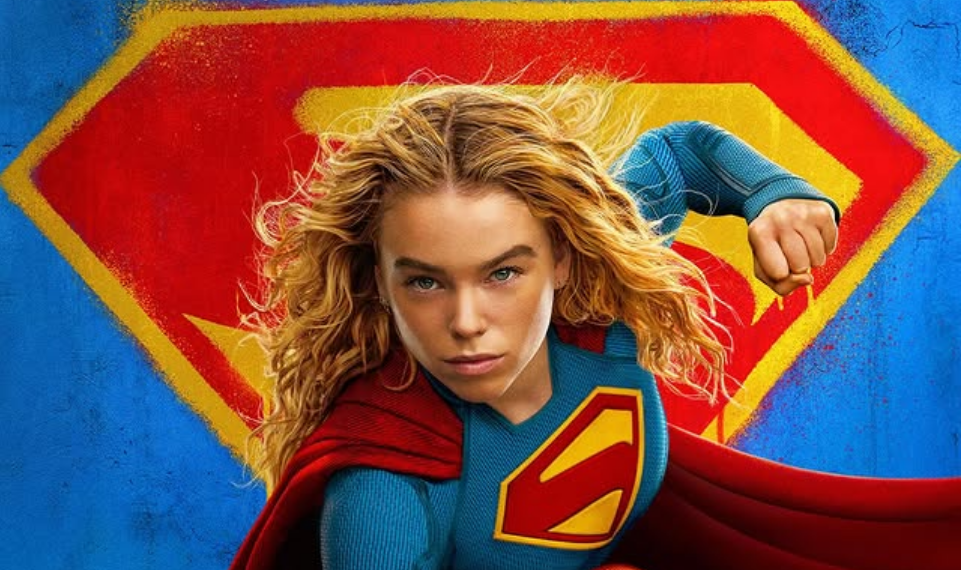
At a Queerly radio event, Alcock was asked directly about Supergirl’s se*uality. She laughed and said the film is not centered around a man or love at all. She then added that Kara would probably go both ways.
Alcock was clear that she was sharing her personal interpretation of the character. She was not making an official DC announcement about Kara’s se*uality. Still, her openness thrilled fans and made major entertainment headlines globally.
A contrast with the 1984 Supergirl film

This new version of Supergirl is a sharp contrast to the 1984 film starring Helen Slater. That original movie featured Kara developing a crush on a groundskeeper named Ethan. It also involved a love triangle built around a magical love potion.
The 2026 film completely removes romance from Kara’s story. Instead, it focuses on her trauma, identity, and independence as a Kryptonian hero. The shift reflects a much more modern understanding of what female characters can be.
Queer history of the Supergirl character

Supergirl has carried queer significance for decades across comics and television. The CW series from 2015 to 2021 starred Melissa Benoist and generated major queerbaiting debates. Fans argued the bond between Kara and Lena Luthor mirrored romantic storytelling deeply.
In alternate DC timelines, the character’s queerness has been more explicit. In Dark Knights of Steel, the character Zala-El is openly gay and involved with Wonder Woman. DC Bombshells also features Kara in a relationship with Lois Lane.
Alcock feels honored by the LGBTQ plus community
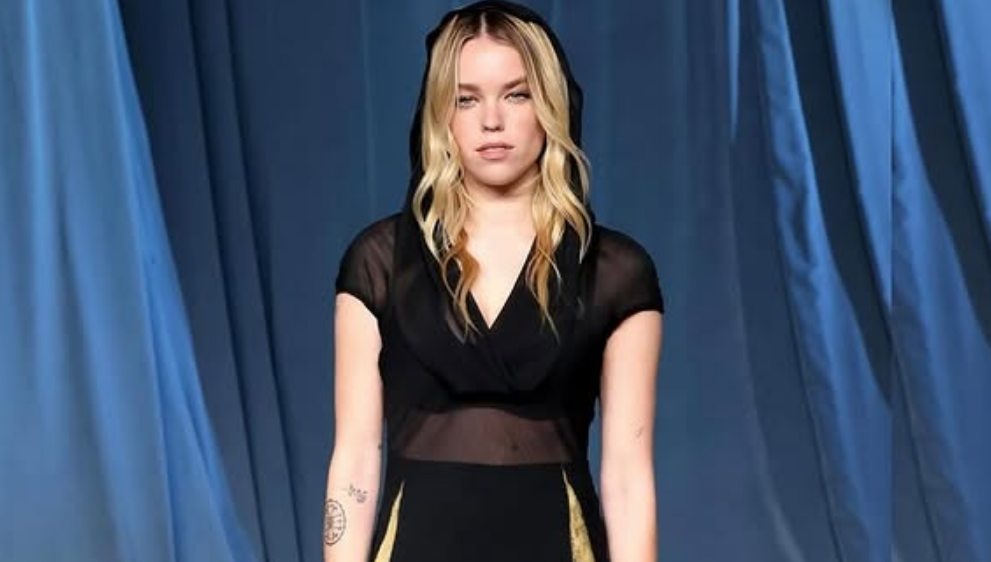
Alcock has been vocal about her personal connection to the queer community. She told interviewers that she has many queer friends and that their support feels like a true honor. Her relationship with the community goes beyond just playing a role.
She also noted that she has previously played characters with queer storylines. She pointed to her role as young Rhaenyra Targaryen as having a potential queer through-line. Playing Supergirl feels like a natural continuation of that pattern for her.
What this means for superhero cinema

Supergirl’s lack of a love story and embrace of queer identity feels like a turning point. Hollywood is slowly learning that female heroes do not need romance to drive a story. Kara Zor-El is leading that charge in a major way right now.
Alcock has shown that powerful, messy, and emotionally complex women are what audiences want to see. She has brought something raw and real to this iconic DC character. The conversation she has started will influence superhero films for years to come.
Featured Image: Source: Instagram/millyalcock