Mental illness once lived in silence. People suffered alone, afraid of judgment and shame. Today, famous voices are tearing down those walls and making it easier for everyone to ask for help.
This transformation didn’t occur suddenly; it required immense courage from some of the most prominent figures globally. Their bravery sparked conversations and inspired change, highlighting the importance of standing up for what is right and necessary.
Selena Gomez shared her bipolar truth
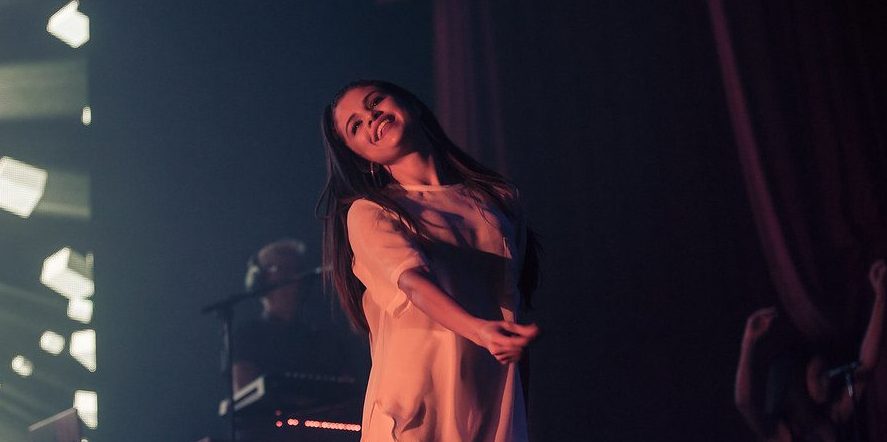
In 2020, Selena Gomez first revealed her bipolar disorder diagnosis during an Instagram Live session. She described the news as freeing. Knowing what was wrong finally gave her a path forward.
In 2022, she released the documentary “My Mind and Me” on Apple TV Plus. It covered six years of her life, starting from 2015. Gomez also co-founded Wondermind, a mental fitness platform, alongside her mother, Mandy Teefey, and entrepreneur Daniella Pierson.
Prince Harry broke royal silence
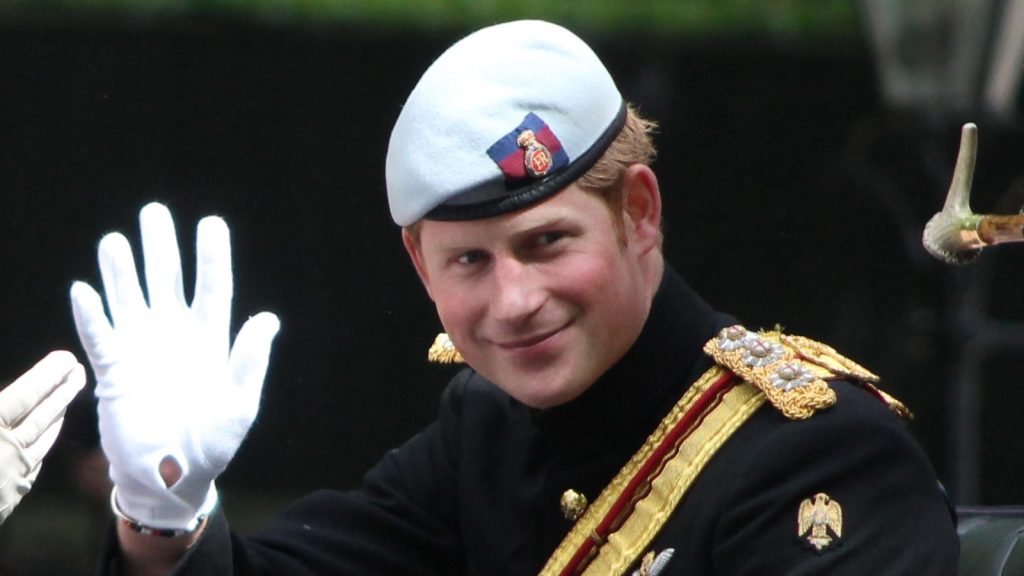
Prince Harry admitted he suppressed grief for nearly two decades after losing his mother, Princess Diana, in 1997. That bottled pain led to panic attacks, severe anxiety, and emotional numbness. He also turned to alcohol and drugs trying to cope.
He eventually sought therapy and co-founded the Heads Together campaign with Prince William and Princess Catherine. The initiative encourages people to speak up without shame. Harry credited therapy with helping him reclaim his life.
Dwayne Johnson Opened Up About depression
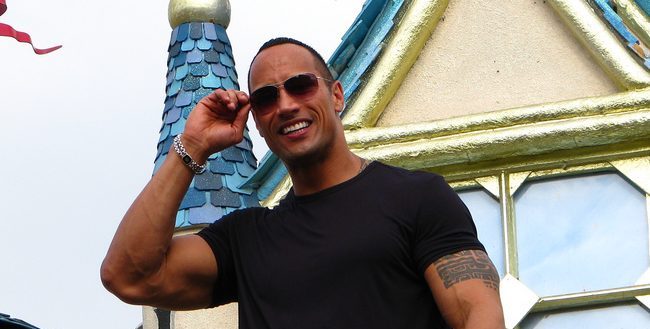
Dwayne Johnson faced depression in college after a football injury ended his athletic dreams. He didn’t recognize the condition at the time. Years later, more episodes made the signs impossible to ignore.
The actor now shares regular mental health check-ins on Instagram. He encourages fans to ask for help and lean on others for support. Johnson calls vulnerability a form of strength, not weakness.
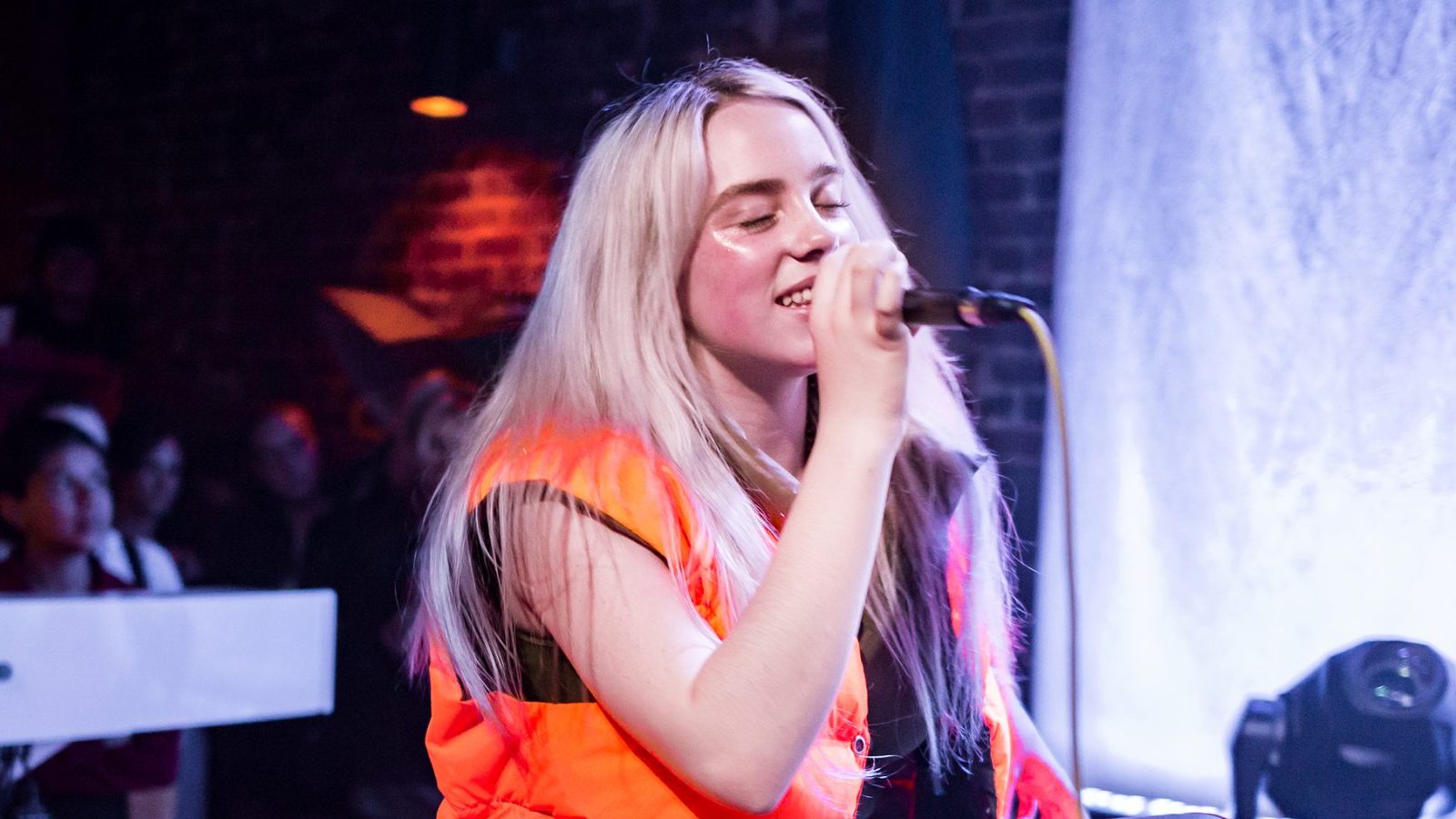
Billie Eilish spoke about darkness in the spotlight
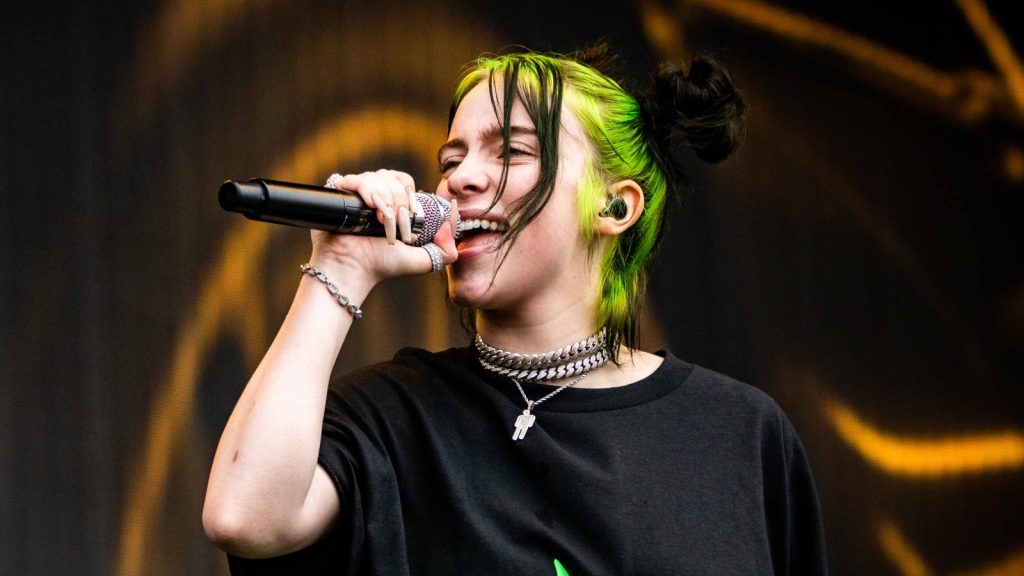
Billie Eilish has been open about battling depression, body dysmorphia, anxiety, and a history of self-harm. A hip injury during her dance training years sent her into a deep emotional decline. She once said she never expected to reach the age of 17.
Despite that darkness, Eilish turned her pain into purpose. She has told fans repeatedly that asking for help is not a sign of weakness. Her Grammy-winning music reflects those same honest emotions throughout.
Ryan Reynolds lives with lifelong anxiety
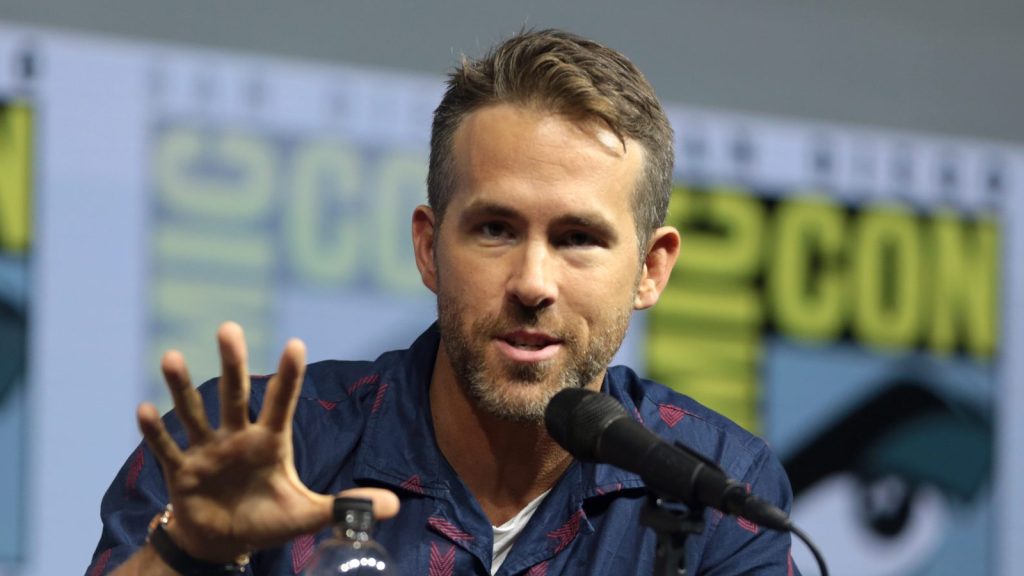
Actor Ryan Reynolds has spoken about living with anxiety his entire life. He told interviewers that he tends to bury that anxiety underneath work and constant productivity. The pressure of starring in major films only made things harder to manage.
Reynolds now practices meditation, journaling, and breathwork to stay grounded. He has been open about seeing a therapist and using medication when needed. His honesty has connected with millions who quietly share the same daily struggle.
Lady Gaga faced PTSD head-on
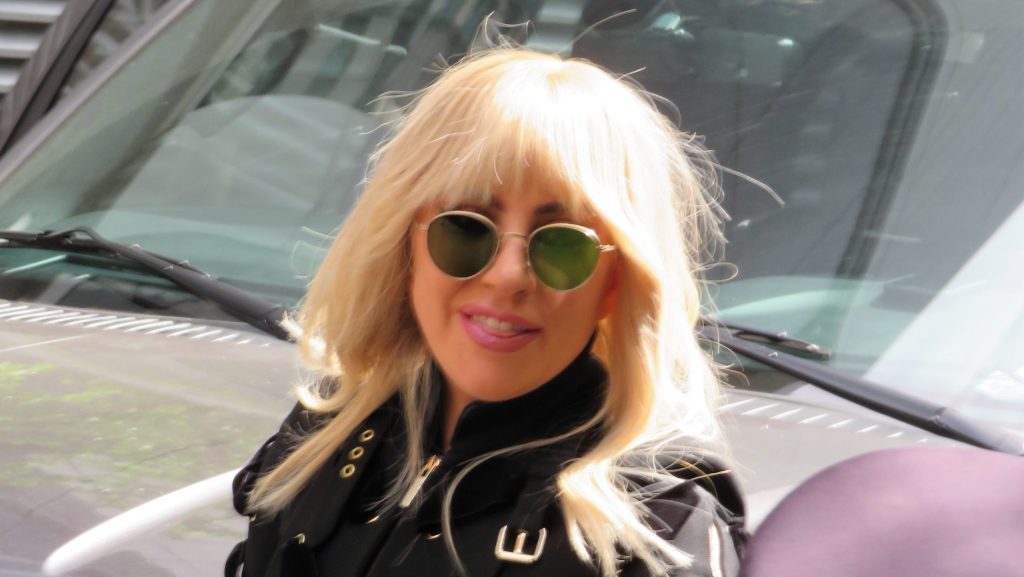
Lady Gaga revealed her post-traumatic stress disorder diagnosis publicly in 2016. She described depression as a black cloud following her everywhere and telling her she was worthless. That public disclosure took enormous personal courage to make.
She co-founded the Born This Way Foundation to support the mental wellness of young people worldwide. Gaga has also spoken about using therapy and self-care practices like yoga and meditation. Her advocacy continues to reach millions of struggling fans globally.
Demi Lovato fought bipolar disorder and addiction
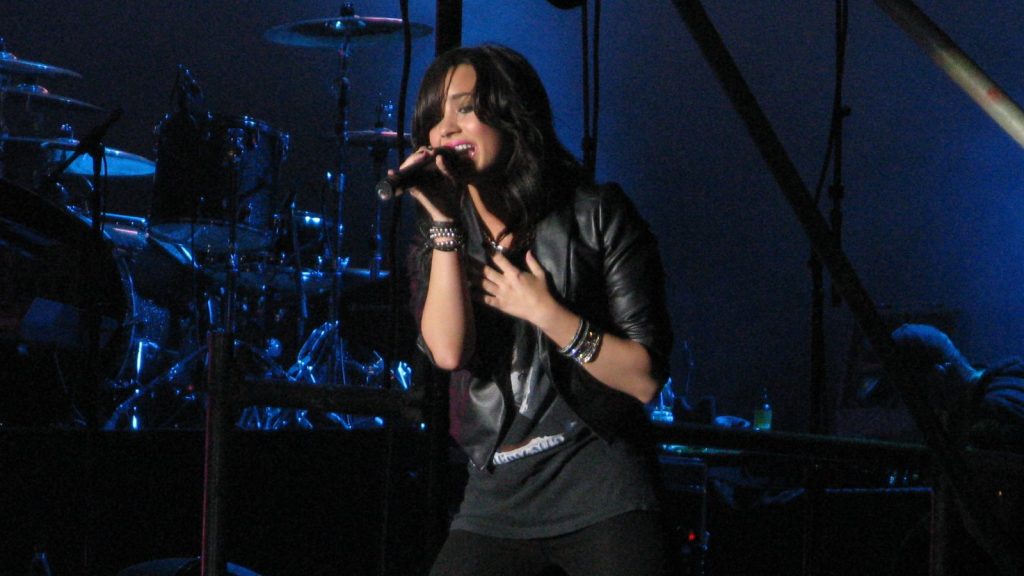
Demi Lovato has spent years being transparent about her bipolar disorder, eating disorders, and addiction. She has consistently used her platform to push for mental health awareness and better access to care. Her story is one of relapse, recovery, and remarkable resilience.
Lovato has publicly called for society to stop treating mental illness as a character flaw. She believes education and open dialogue are the most powerful tools for change. Her voice has helped shift cultural attitudes in a real and lasting way.
Mariah Carey named her condition out loud
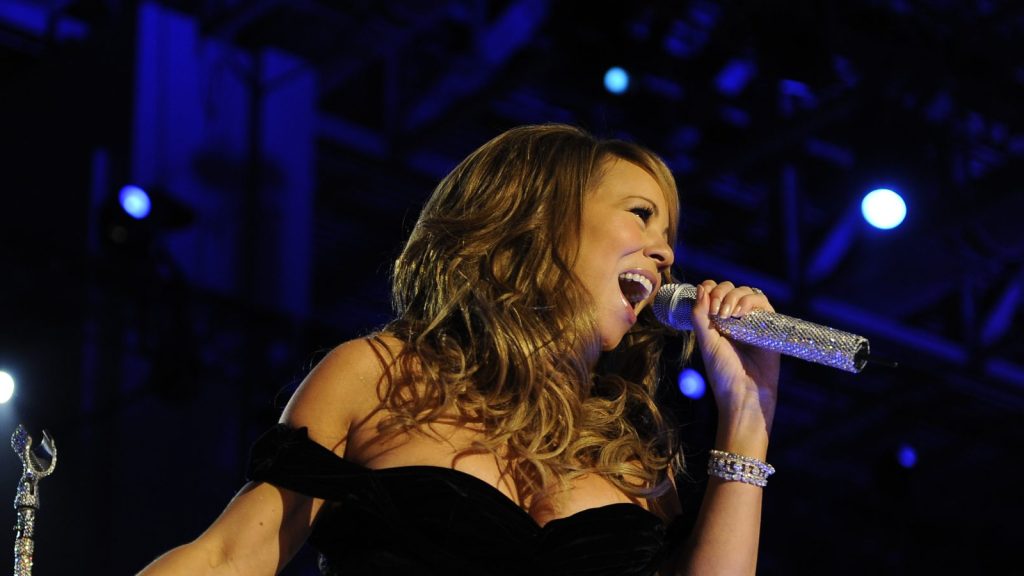
Mariah Carey was first diagnosed with bipolar II disorder in 2001 after being hospitalized for a breakdown. For years, she stayed silent out of fear and denial. It was not until 2018 that she publicly revealed the truth in People magazine.
Carey described living in isolation and constant fear of being exposed for over a decade. Once she began proper treatment including therapy and medication, stability returned. Her decision to go public helped lift the stigma for millions who silently shared the same struggle.
Chris Evans talked about social anxiety
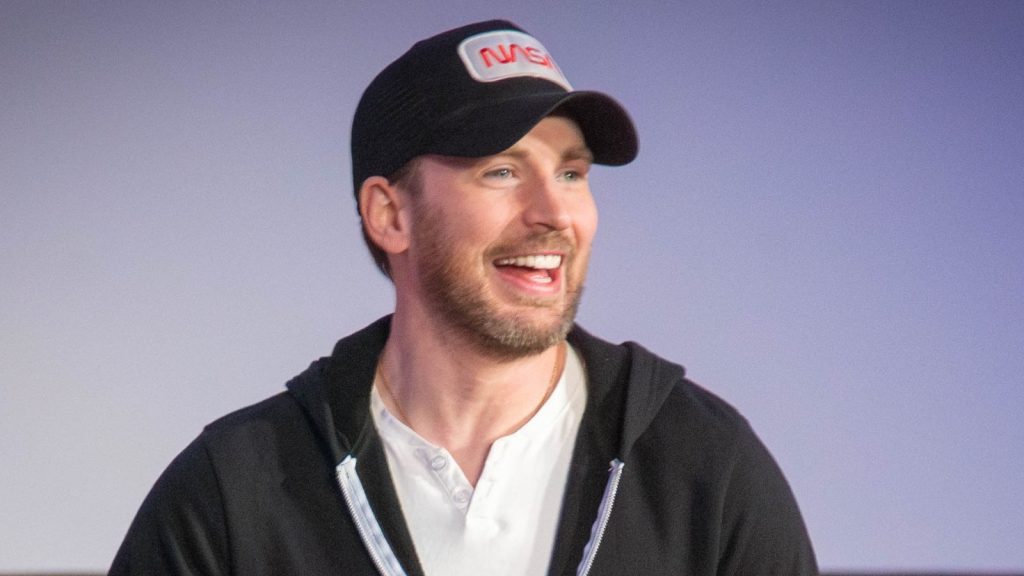
Captain America star Chris Evans opened up about social anxiety in a 2016 Rolling Stone interview. He described red-carpet events as feeling like walking on hot coals. Despite his global fame, large public gatherings caused him significant distress.
Evans explored multiple coping strategies, including meditation, to manage his symptoms. He acknowledged that anxiety does not disappear simply because life looks successful from the outside. His candor reminded fans that fear does not check a person’s resume first.
Kendrick Lamar turned pain into powerful lyrics
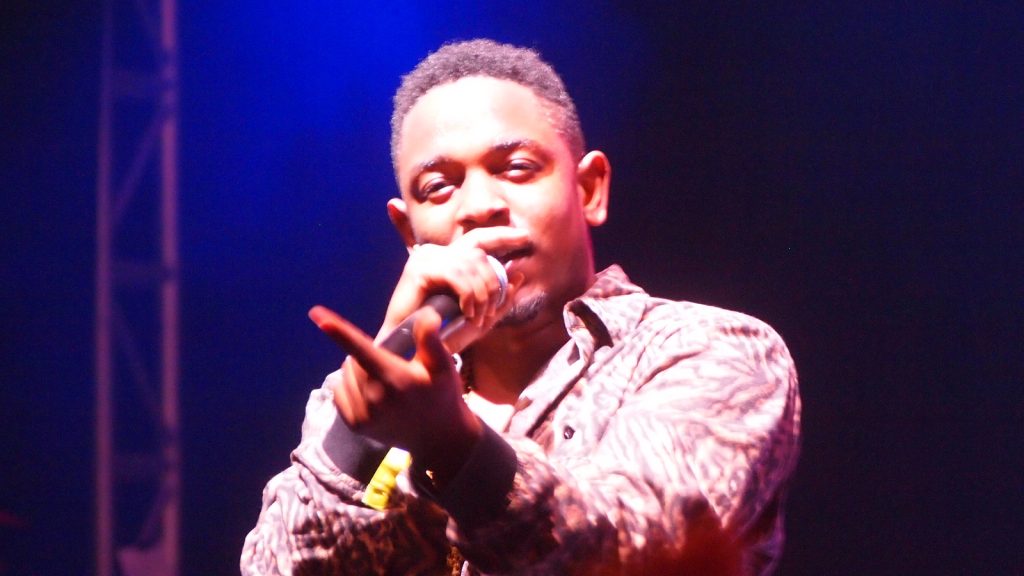
Kendrick Lamar addressed depression and suicidal thoughts through his music, most notably on his 2015 album “To Pimp a Butterfly.” He discussed survivor’s guilt after three close friends were murdered, which pushed him into a deep depression. His willingness to name that pain in public shifted how rap deals with mental health.
In an MTV interview, Lamar spoke directly about three close friends who were murdered in one summer. That grief and powerlessness drove the album’s most vulnerable moments. His voice proved that mental health conversations belong in every space and genre.
Featured Image: Photo by Justin Higuchi on Wikimedia Commons