Long before recommendation feeds shaped online fame, certain stars mastered attention through instinct, timing, and unforgettable moments. Their reach spread across television, radio, magazines, and word of mouth, creating cultural waves that felt surprisingly modern.
Curious how they captured audiences without digital boosts? Explore these standout names whose influence spread rapidly, sparked conversations everywhere, and proved that compelling personalities could outperform technology-driven discovery systems long before platforms constantly measured clicks.
Taylor Swift
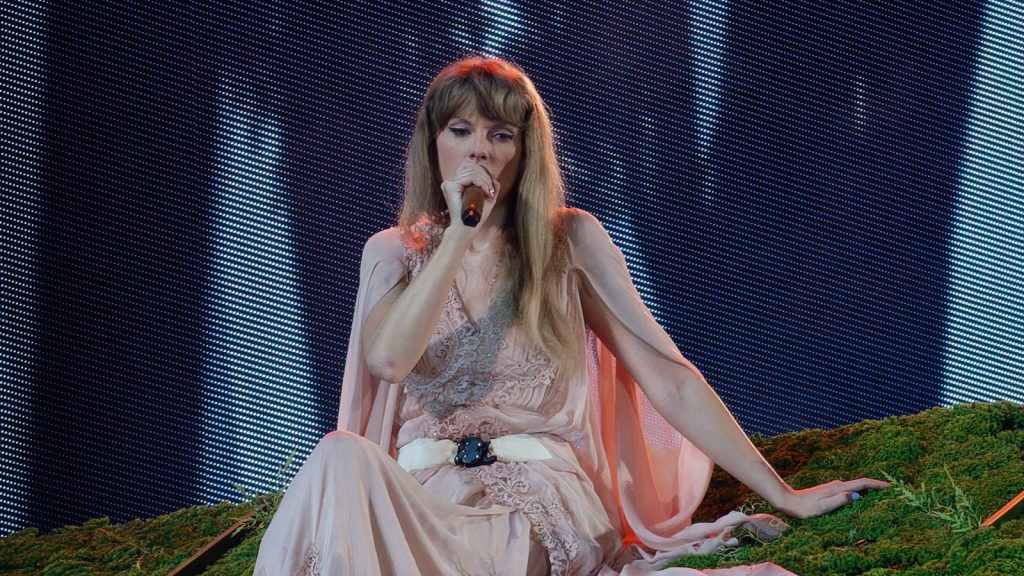
Before streaming platforms perfected personalized promotion, Taylor Swift built momentum through fan connection, surprise interactions, and relatable storytelling. Her music crossed genres, attracted varied listeners, and generated constant discussion across communities worldwide for many years.
Each album era felt like an event. Fans shared theories, traded updates, and eagerly anticipated releases, creating organic engagement patterns that resemble modern algorithm-fueled fandoms, even though these patterns emerged before today’s recommendation engines dominated entertainment discovery.
Kim Kardashian
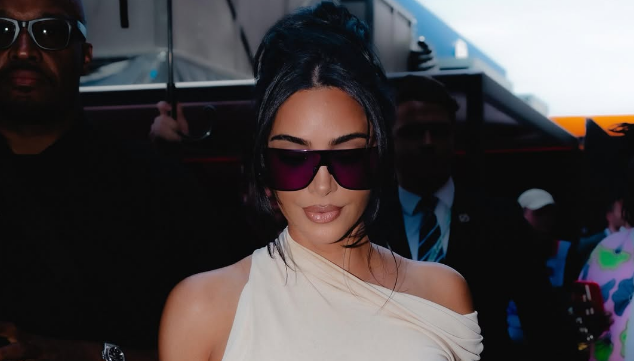
Long before platforms mastered visibility, Kim Kardashian understood how continuous public interest could maintain relevance. She transformed appearances, headlines, and personal branding into a powerful cultural presence that consistently captured attention across media everywhere.
People followed every development, discussed every image, and debated every decision. That constant conversation created extraordinary visibility, proving sustained public curiosity could spread influence widely without relying on sophisticated recommendation systems or automated promotion.
Beyoncé

Beyoncé cultivated anticipation through excellence, mystery, and carefully planned appearances. Every performance felt significant, encouraging audiences to pay attention whenever she released music, appeared publicly, or introduced creative projects that expanded her influence.
Her surprise album release strategy later shocked the industry. Yet the foundation already existed because audiences actively watched her moves, demonstrating how strong cultural interest can travel rapidly even without algorithmic amplification systems.
Cristiano Ronaldo

Before social platforms became dominant discovery tools, Cristiano Ronaldo attracted worldwide attention through remarkable performances and relentless consistency. Fans followed matches closely, shared highlights enthusiastically, and turned his achievements into recurring global conversations.
His appeal crossed language barriers and geographic boundaries. People discussed goals, records, and memorable moments constantly, creating attention patterns resembling modern viral content despite developing through traditional media and passionate sports communities.
Lady Gaga
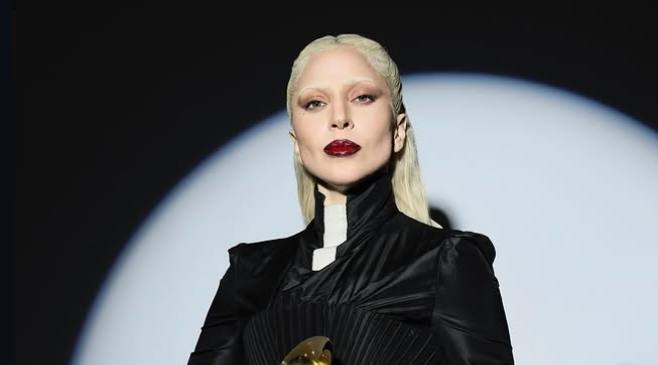
Lady Gaga arrived with bold creativity and unforgettable public appearances. Her fashion choices, performances, and artistic risks encouraged discussion everywhere, ensuring people remained curious about what she might do next.
That curiosity generated enormous visibility. News outlets covered her moves, fans debated interpretations, and casual observers paid attention, proving distinctive originality could spread naturally through culture long before recommendation systems optimized audience engagement.
Dwayne Johnson
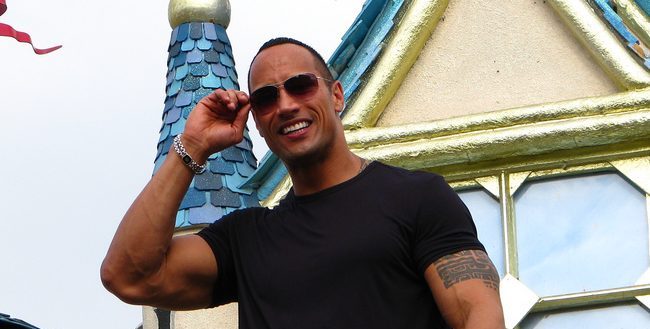
Dwayne Johnson mastered audience connection across multiple entertainment spaces. Wrestling introduced him to millions, while charisma and adaptability helped him expand successfully into films, interviews, and broader popular culture conversations worldwide.
People remembered his personality as much as his achievements. That memorable presence encouraged repeated attention, creating loyalty and recognition that spread broadly through traditional media channels before modern discovery platforms shaped visibility.
Rihanna
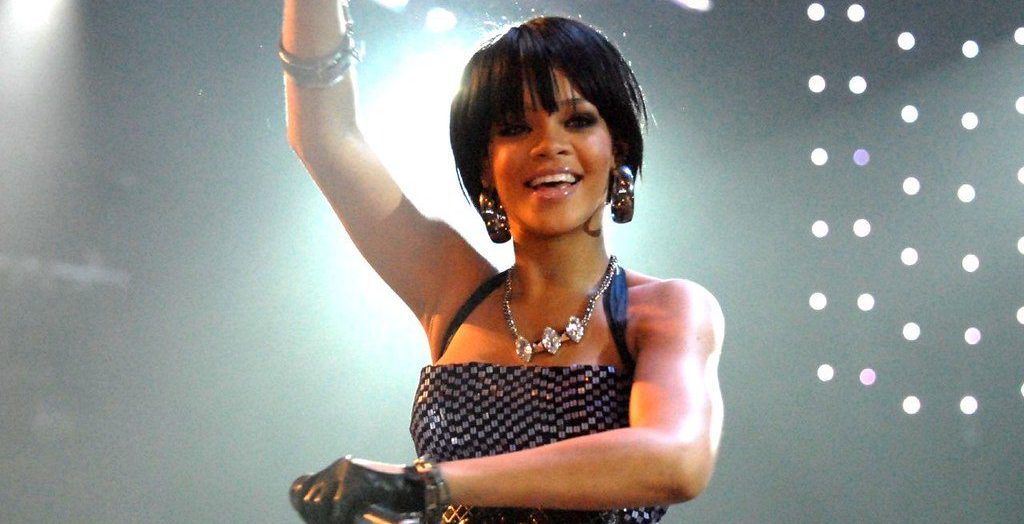
Rihanna combined musical success with a fearless public image. Her evolving style, memorable performances, and confident identity kept audiences engaged, making her one of the most talked-about figures across entertainment and fashion.
Interest followed her beyond music alone. Fans discussed appearances, business ventures, and creative decisions, demonstrating how authentic individuality could generate widespread attention without relying heavily on automated content distribution systems.
Justin Bieber
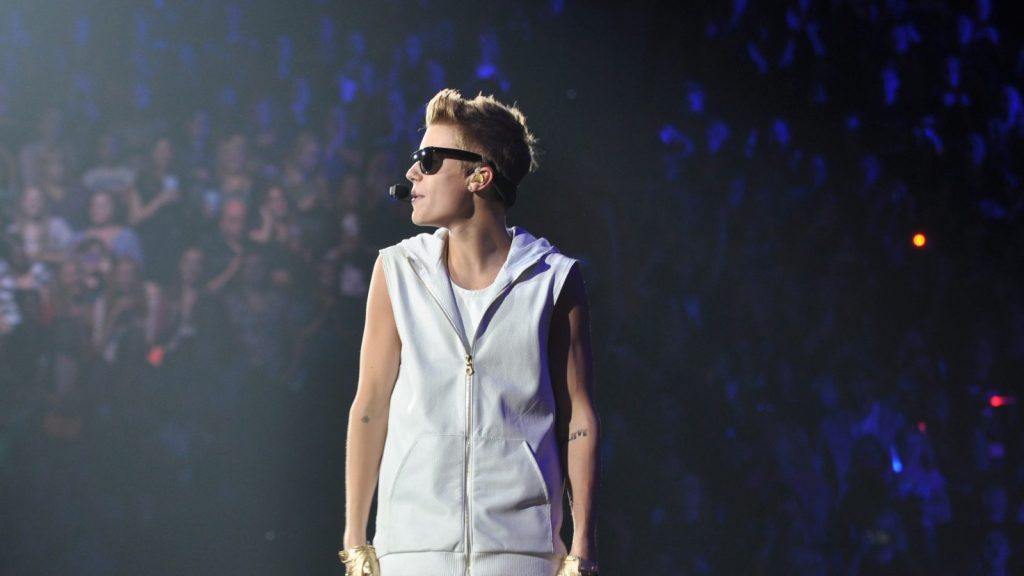
Justin Bieber emerged during a transitional digital period, yet his rise reflected powerful audience behavior more than sophisticated algorithms. Supporters eagerly shared performances, discussed updates, and expanded his visibility through genuine enthusiasm everywhere.
His popularity spread quickly across demographics and regions. The excitement surrounding his career created momentum that felt unstoppable, showing how collective audience participation can drive massive recognition even before advanced recommendation technologies matured.
Emma Watson
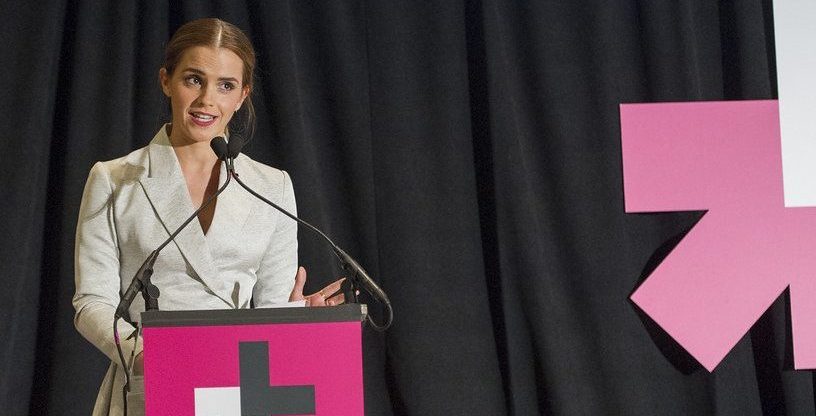
Emma Watson became recognizable through a beloved film series, yet her influence expanded through intelligence, professionalism, and thoughtful public engagement. Audiences followed her career because she represented growth beyond childhood stardom successfully.
People remained interested in her evolving achievements. That enduring attention created lasting visibility and conversation, proving meaningful public perception can sustain relevance without depending on algorithm-driven exposure or platform-controlled distribution.
Zendaya
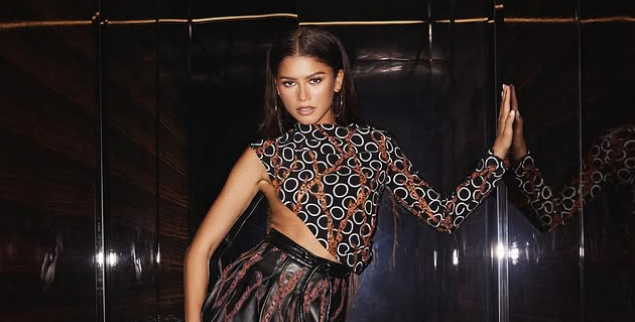
Zendaya represents a bridge between traditional fame and modern visibility. Even before reaching her current level, she gained attention through talent, consistency, and versatility across television, film, fashion, and public appearances.
Her growing influence reflected genuine audience interest. People discussed performances, admired professionalism, and shared memorable moments naturally, demonstrating that compelling talent still attracts widespread attention regardless of whether algorithms participate in discovery.
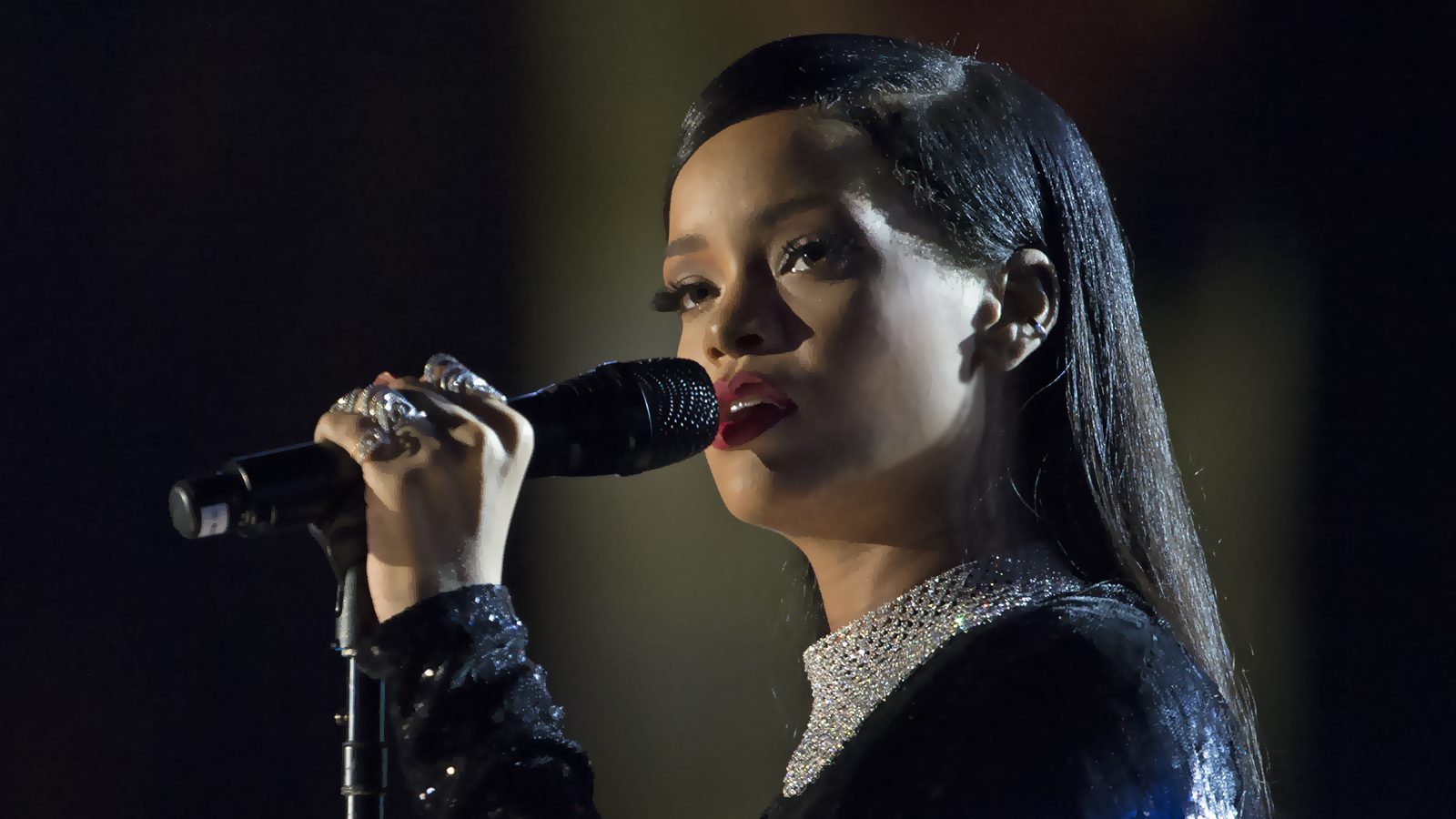
Featured Image: Photo by DoD News Features on Wikimedia Commons