The FIFA World Cup has produced some of the most iconic music moments in sports history. Global celebrities have helped create official songs that capture emotion, excitement, and unity for billions of fans worldwide together.
From Latin pop to K pop and hip hop artists across genres have contributed to FIFA anthems These tracks often become chart hits shaping cultural memory long after the tournament ends for fans globally celebrated.
Shakira changed everything
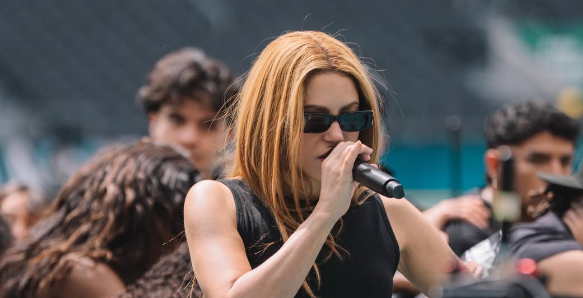
Shakira’s Waka Waka became the defining FIFA World Cup 2010 anthem It blended African rhythms with global pop energy creating a universal celebration song that dominated charts and stadiums throughout the tournament worldwide successfully.
Her song changed how FIFA selects music pushing toward global collaborations and multicultural sounds It remains one of the most streamed World Cup songs and continues to influence sports music production today still widely recognized.
Pitbull led Brazil’s celebration
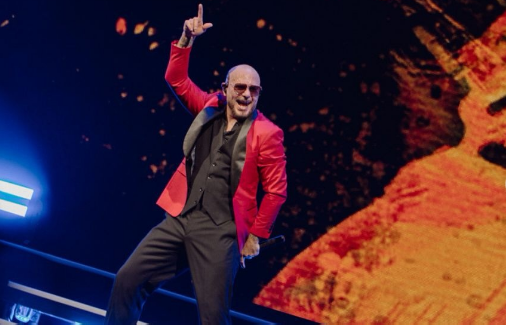
Pitbull led We Are One for the 2014 FIFA World Cup alongside Jennifer Lopez and Claudia Leitte combining international pop with Brazilian style for a high energy global anthem experience that defined the tournament globally.
It became one of the most recognized World Cup songs despite mixed reviews The track’s opening ceremony performance ensured massive exposure across television broadcasts and streaming platforms around the world during the entire event coverage.
Jennifer Lopez joined the party
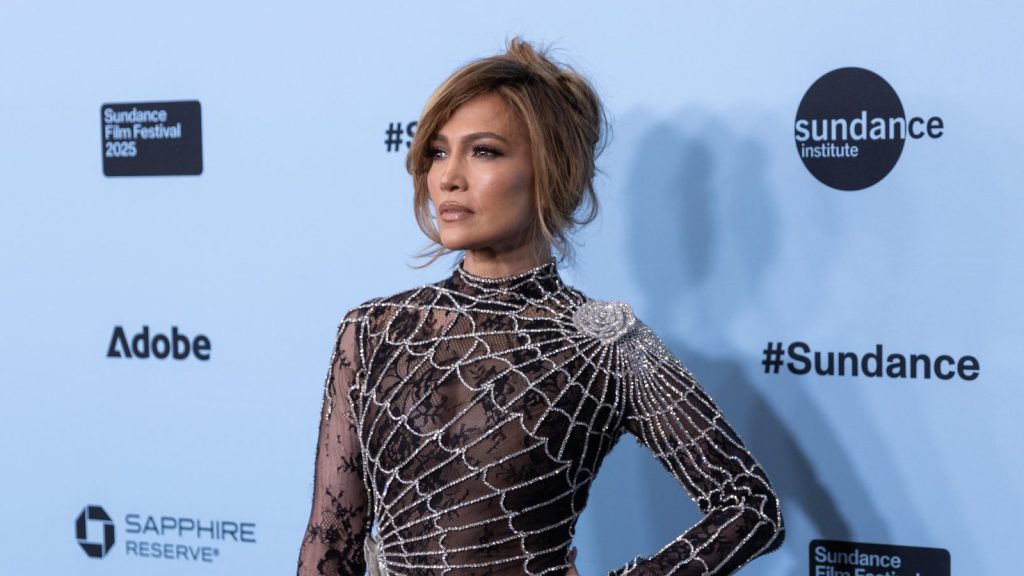
Jennifer Lopez added global star power to the 2014 World Cup anthem helping bring mainstream American pop attention to a football celebration traditionally dominated by international sports artists and expanded its worldwide reach significantly enhanced.
Her involvement demonstrated FIFA’s strategy of using globally recognized entertainers to attract wider audiences beyond football fans and increase engagement across multiple continents through music collaborations making the tournament more culturally diverse and appealing globally.
Nicky Jam took center stage
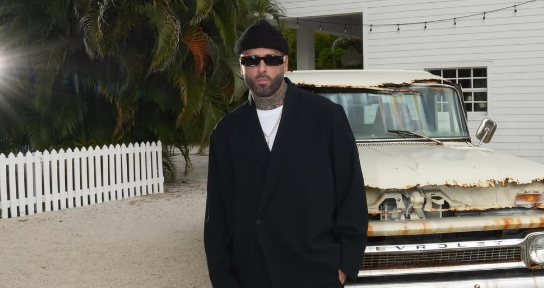
Nicky Jam led the 2018 FIFA World Cup official song Live It Up delivering a dance driven anthem designed to match the energetic atmosphere of the tournament in Russia and global fan excitement worldwide appeal.
The song gained global attention through FIFA promotions and stadium performances becoming a recognizable soundtrack for fans despite receiving mixed critical reactions from music reviewers and remained associated with the World Cup experience overall impact.
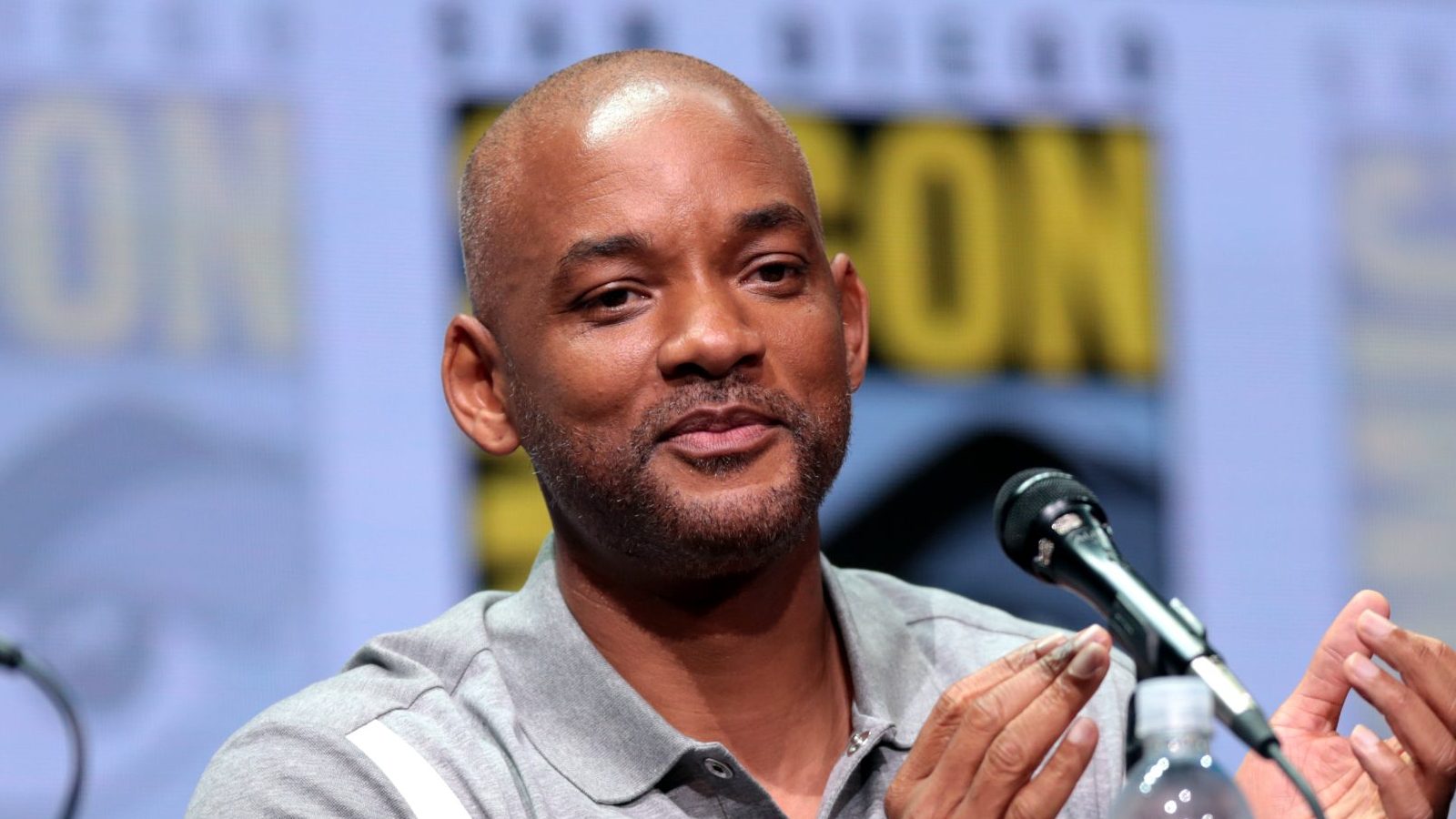
Will Smith Entered The Tournament
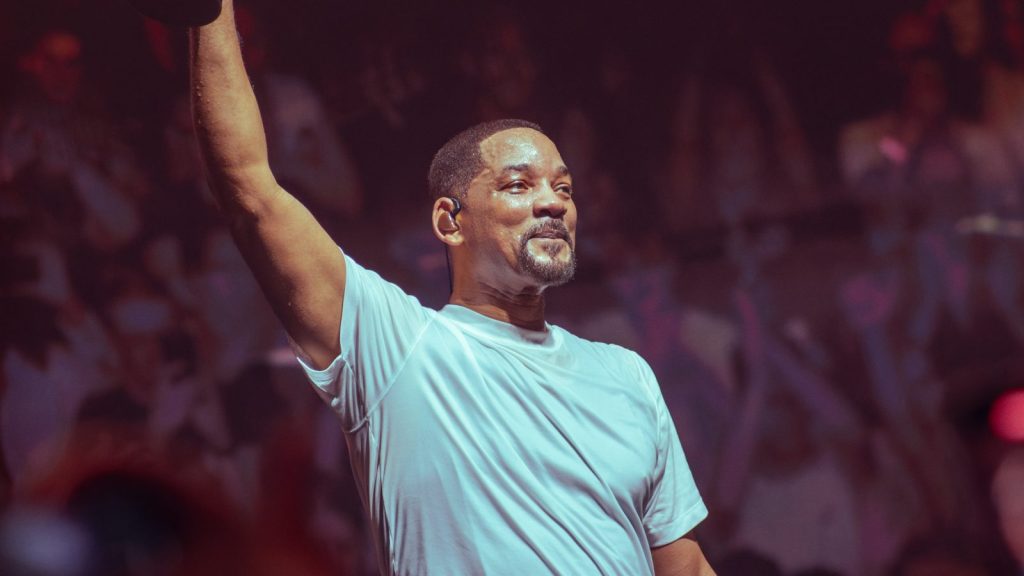
Will Smith joined the Live It Up project adding Hollywood influence and bringing mainstream entertainment attention to the FIFA World Cup 2018 official soundtrack collaboration that boosted global visibility and audience engagement significantly worldwide reach.
His appearance created significant media buzz helping FIFA expand the song’s reach beyond sports audiences into entertainment and pop culture conversations worldwide and strengthened the crossover between music film and global sports branding efforts globally.
Era Istrefi Reached New Heights
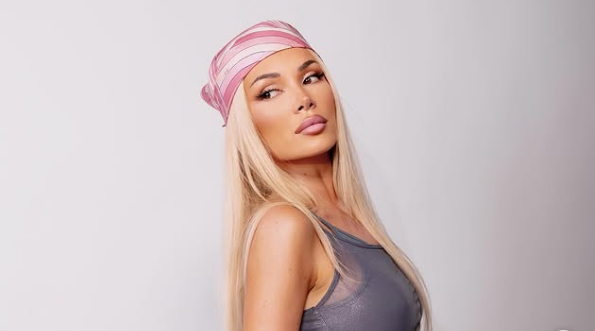
Era Istrefi completed the 2018 World Cup song lineup with her distinctive vocals on Live It Up adding a fresh European sound to the global collaboration and expanding her international music career significantly further success.
Her participation increased global visibility introducing her music to audiences who had never encountered her work before the World Cup collaboration and establishing her as part of an international pop culture moment recognition worldwide permanently.
Davido Represented Africa
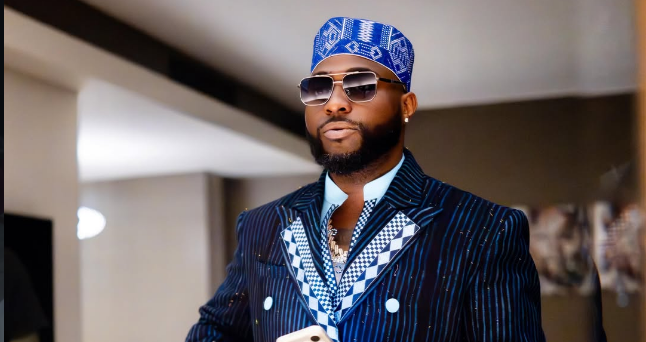
Davido contributed to FIFA World Cup 2022 soundtrack era through Hayya Hayya alongside Trinidad Cardona and AISHA reflecting cultural unity across continents and showcasing African musical influence in global football entertainment on a major stage.
The track highlighted FIFA’s shift toward multi artist collaborations blending global sounds to create a unifying anthem experience for the Qatar tournament audience that represented a new era of World Cup music evolution globally modern.
Trinidad Cardona delivered a hit
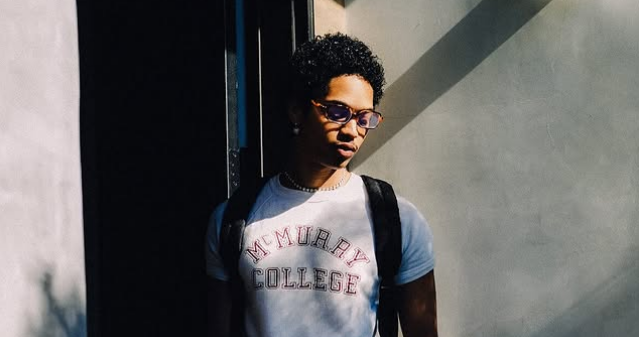
Trinidad Cardona led vocals on Hayya Hayya delivering an upbeat performance that set the tone for FIFA World Cup 2022’s pre tournament excitement and helped define the modern World Cup soundtrack identity globally recognized style sound.
It received widespread FIFA promotion and quickly became associated with tournament celebrations fan events and global marketing campaigns across multiple platforms cementing its place in World Cup music history for modern football audiences worldwide today.
Jung Kook captured global attention
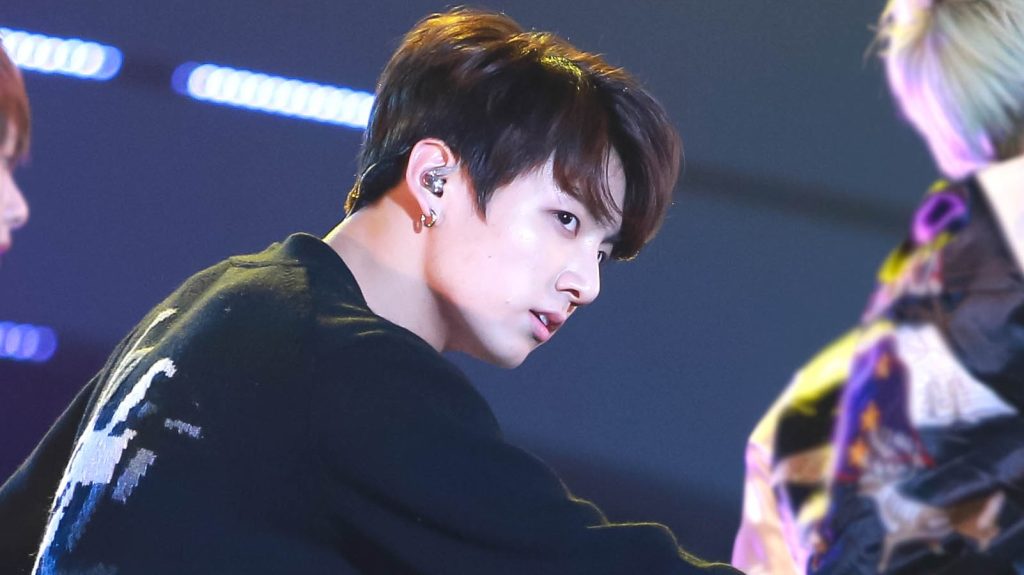
BTS member Jung Kook delivered Dreamers for FIFA World Cup 2022 opening ceremony generating massive global streaming numbers and international fan engagement and bringing K pop influence to global football culture on an unprecedented scale.
His performance increased FIFA’s reach among younger audiences and expanded the tournament’s presence across social media platforms worldwide during the event period creating one of the most viral World Cup moments in recent history globally.
Bad Bunny expanded modern reach
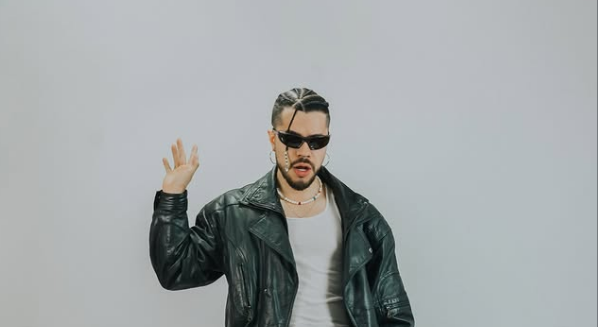
Bad Bunny contributed to FIFA World Cup 2022 related entertainment performances reflecting the tournament’s growing connection with global Latin music influence and youth culture engagement beyond traditional official anthem collaborations and formats in modern era.
His involvement highlighted how FIFA increasingly blends mainstream global artists into its cultural programming expanding appeal across streaming audiences and younger generations worldwide making World Cup music more diverse and commercially powerful than ever before.
Featured Image: Photo by Gage Skidmore on Wikimedia Commons