Iconic screen costumes help define characters, inspire fans, and drive merchandise sales worldwide. Yet many stars privately struggled with restrictive fabrics, painful makeup sessions, and exhausting filming conditions behind their unforgettable on-screen appearances daily.
From superhero suits to elaborate prosthetics, famous wardrobes sometimes became unexpected obstacles. Keep reading to discover which modern celebrities disliked the outfits audiences still celebrate years later across movies and streaming hits worldwide today, too.
Tom Holland as Spider-Man
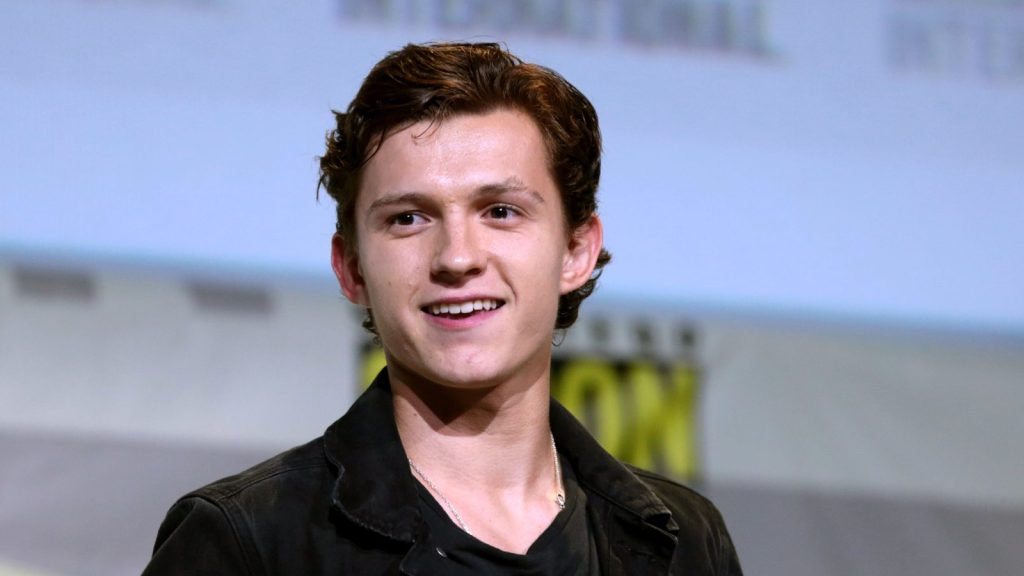
When portraying Spider-Man, Tom Holland often discussed the suit’s discomfort during long shooting days. The costume restricted movement, trapped heat, and complicated simple tasks between scenes and breaks for cast members every filming week.
Despite advanced upgrades across the trilogy, Holland said wearing the mask limited visibility and made communication difficult. Fans loved the design, but practicality remained a constant challenge throughout demanding action sequences and promotional appearances alike.
Jennifer Lawrence as Mystique

Playing Mystique in the X Men films required Jennifer Lawrence to endure hours of body paint and prosthetics before filming even began each day during lengthy production schedules for multiple blockbuster sequels and reshoots alike.
Lawrence later admitted the elaborate transformation became exhausting, especially after experiencing allergic reactions to some materials. Although audiences adored Mystique’s appearance, the demanding process gradually frustrated her during increasingly ambitious superhero productions over several years.
Margot Robbie as Harley Quinn

Margot Robbie’s Harley Quinn costumes combined colorful style with practical challenges during filming. Tight outfits, heavy accessories, and demanding stunt sequences made certain wardrobe pieces difficult to wear comfortably across long production days on location.
Robbie explained that some costumes attracted unwanted attention off set because they were highly revealing. While Harley Quinn became a fashion phenomenon, the actress preferred more functional designs during physically intense action scenes and rehearsals.
Ben Affleck as Batman

While promoting his superhero films, Ben Affleck called the Batman suit horrendous to wear. He said the thick material generated extreme heat during filming and created exhausting conditions for lengthy studio shoots and action scenes.
Affleck explained that sweating heavily inside the costume affected his mood and performance. Audiences admired the muscular design, yet the actor believed comfort received little consideration during production of multiple interconnected superhero films and reshoots.
Andrew Garfield as Spider-Man
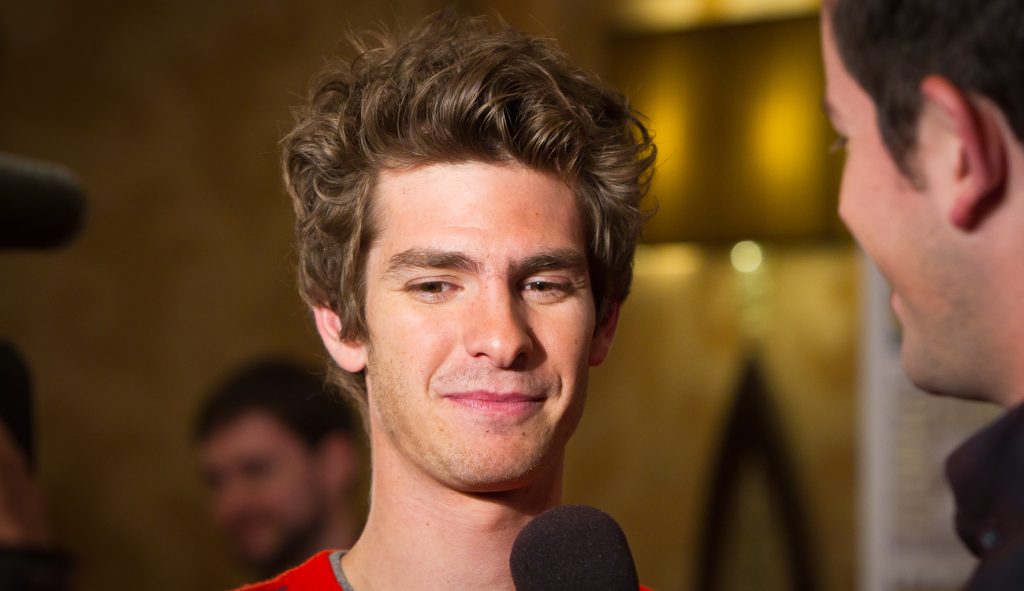
For The Amazing Spider Man films, Andrew Garfield discovered that the sleek costume looked better than it felt. The suit limited movement and became uncomfortable during stunts requiring frequent adjustments between takes and promotional events.
Garfield joked that superhero costumes rarely accommodate normal human needs, including bathroom breaks. Despite his affection for the character, he admitted wearing the suit could feel surprisingly restrictive during extended filming schedules with demanding choreography.
Elizabeth Olsen as Scarlet Witch
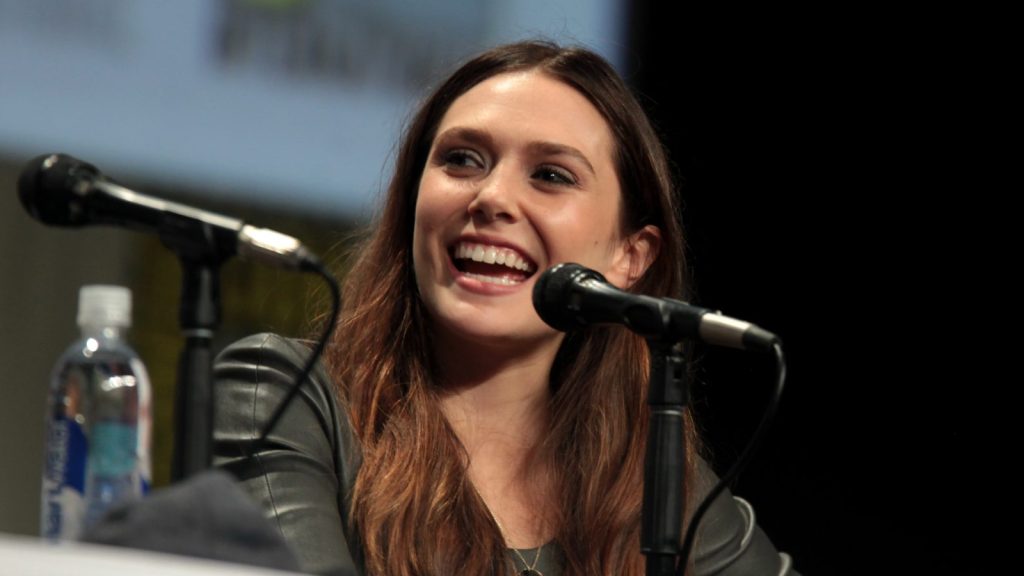
Early appearances as Scarlet Witch required Elizabeth Olsen to wear a corseted costume she considered impractical. The design restricted movement and offered little comfort during action scenes across multiple interconnected Marvel films and promotional events.
Olsen later praised updated costumes that provided greater coverage and flexibility for stunts. Her comments sparked wider discussions about functionality, representation, and evolving superhero wardrobe design within modern comic book adaptations and streaming series alike.
Paul Bettany as Vision
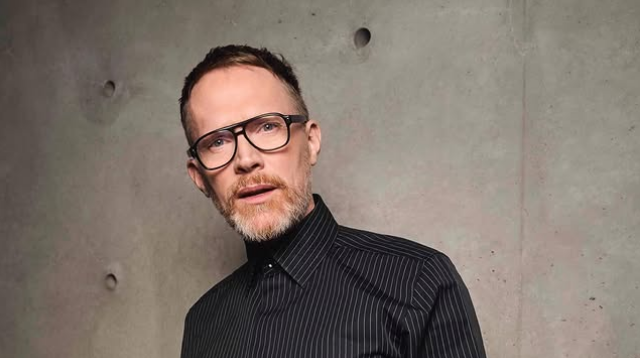
Transforming into Vision required Paul Bettany to spend hours in makeup and costume preparation. The extensive process often tested his patience during lengthy Marvel productions with complex prosthetics and detailed facial applications before every shoot.
Bettany once noted that removing the costume quickly became his favorite daily ritual. Although Vision appeared effortlessly futuristic onscreen, achieving that look demanded significant endurance behind cameras throughout ambitious crossover films and limited series productions.
Zoe Saldana as Gamora
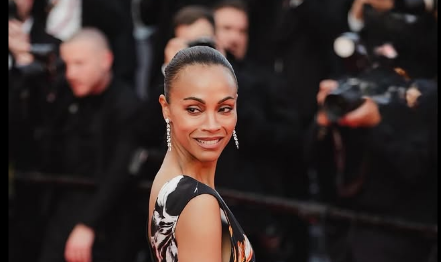
Portraying Gamora required Zoe Saldana to undergo extensive makeup sessions before filming. The green transformation process sometimes lasted several hours and tested her patience repeatedly during major Marvel productions featuring demanding visual effects and stunts.
Saldana appreciated Gamora’s popularity but admitted the preparation process could become exhausting. As digital effects improved, later appearances reduced some practical makeup demands significantly for the actress across sequels and crossover adventures within Marvel storytelling.
Chadwick Boseman as Black Panther
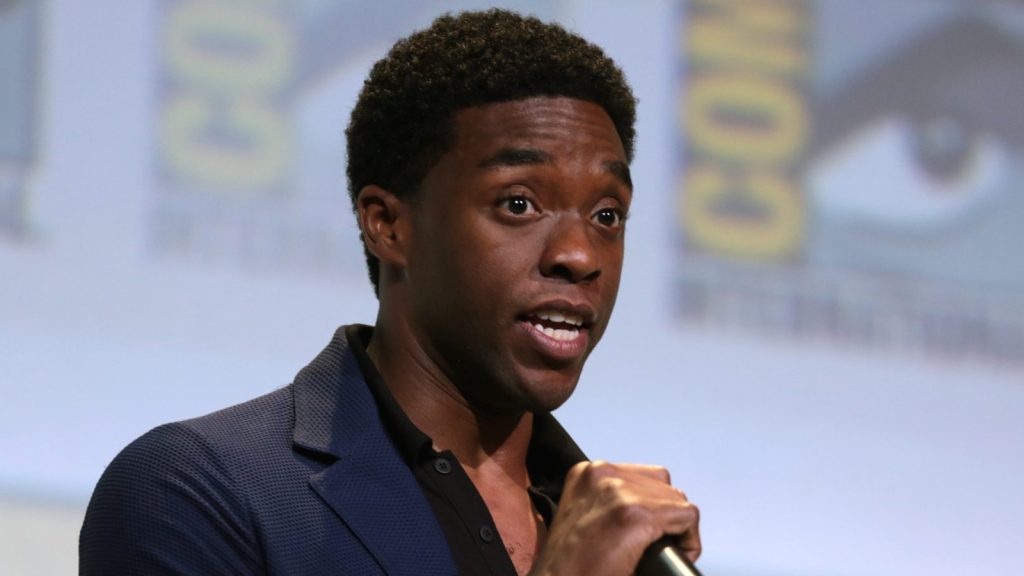
The original Black Panther suit worn by Chadwick Boseman looked sleek and powerful. However, the actor revealed that early versions felt especially hot during filming under intense studio lights during action sequences and physically demanding.
Boseman explained that the mask limited airflow and made communication harder between takes. Costume designers later introduced improvements that increased comfort while preserving the character’s signature appearance across subsequent Marvel films and international promotional events.
Karen Gillan as Nebula
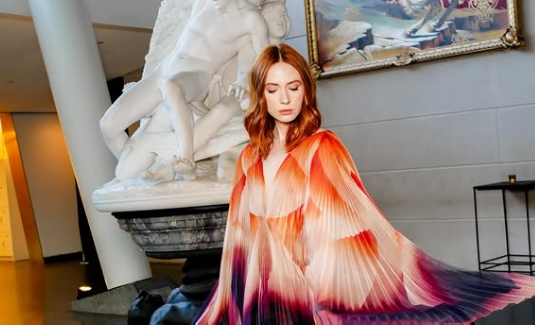
Becoming Nebula required Karen Gillan to endure lengthy makeup sessions and prosthetic applications. The process demanded patience and limited flexibility during intensive filming schedules across multiple Marvel movies featuring complex action scenes and extensive travel.
Gillan acknowledged that Nebula’s appearance helped define the character’s emotional journey. Still, she frequently discussed the physical strain created by hours spent in makeup chairs during consecutive filming days for ambitious ensemble productions and reshoots.
Featured Image: Photo by Gage Skidmore on Wikimedia Commons