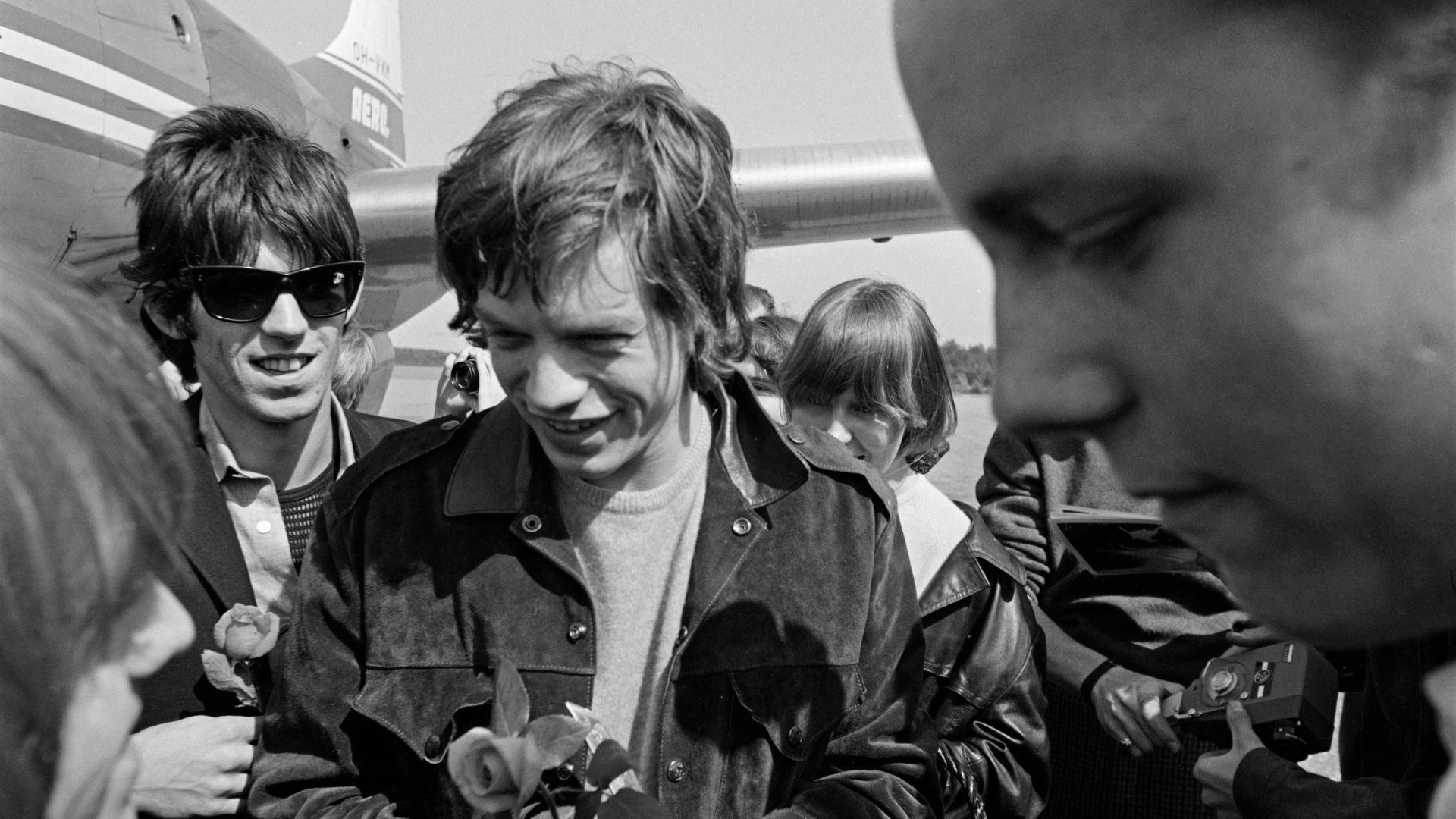
The 1970s had no interest in being tidy. The decade opened with the Beatles already dissolved, Vietnam dragging on, and a country that had watched its idealism curdle through assassinations and riots.
Music absorbed all of it. What came out the other side was a decade of extraordinary range: funk and punk, arena rock and quiet singer-songwriter confessions, disco floors and country roads. These nine songs don’t cover everything the ’70s produced, but each one locked something in place that hadn’t existed before.
1. “Hotel California” – Eagles (1977)
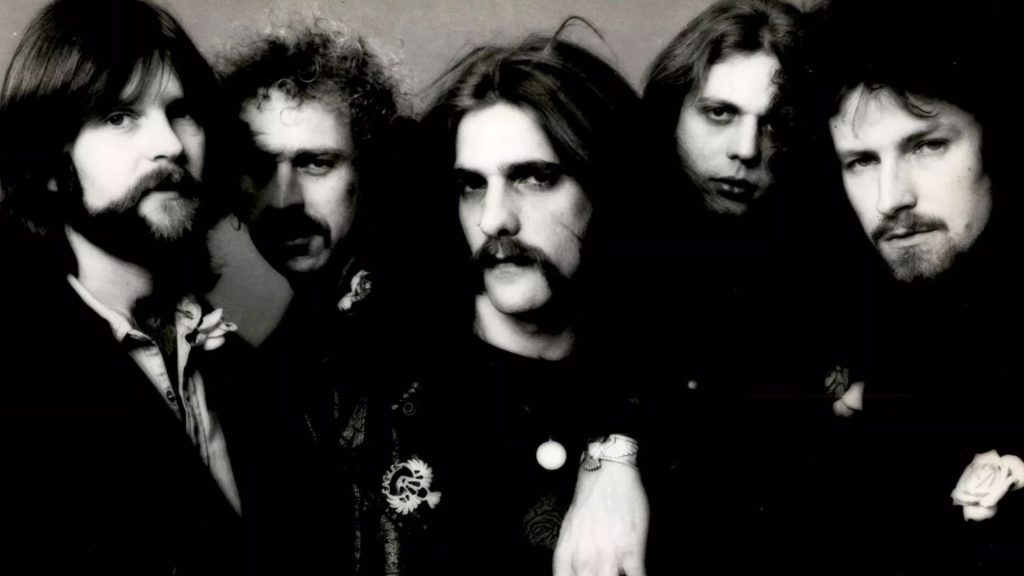
Few songs have been analyzed more and understood less. The Eagles wrote “Hotel California” as a meditation on excess and the seductive trap of the California dream, and Don Felder’s opening guitar figure remains one of the most recognizable four seconds in rock history.
The six-minute album cut ends with dueling guitar solos from Felder and Joe Walsh that still hold up as a masterclass in restraint giving way to release. It spent one week at number one, which almost seems too brief for something that’s never really left.
2. “Superstition” – Stevie Wonder (1972)
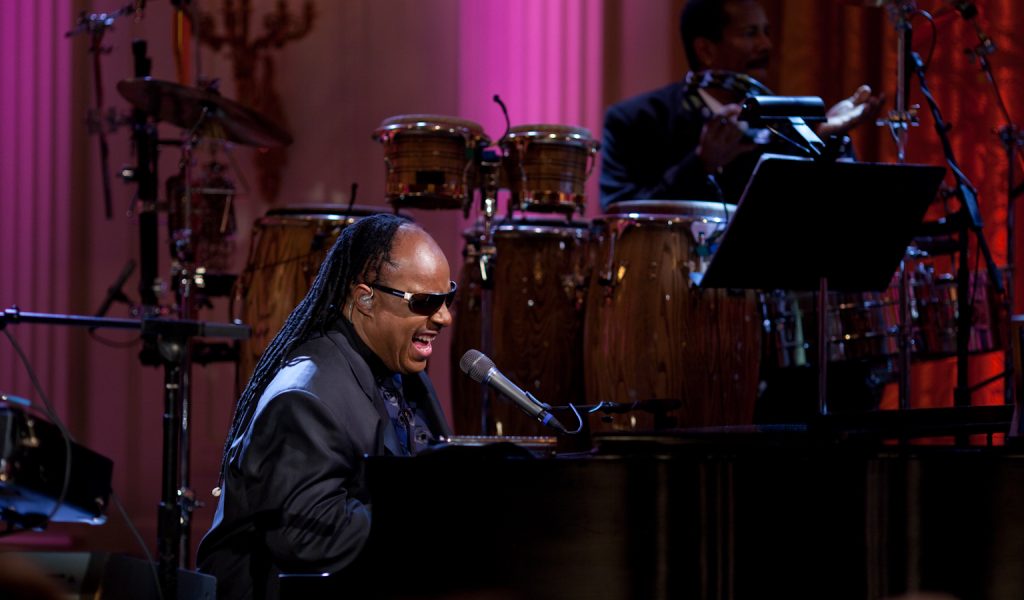
Stevie Wonder wrote “Superstition” for Jeff Beck, then kept it for himself, which turned out to be one of the better decisions in pop music history. The clavinet riff that opens the track is so percussive it almost functions as a drum part.
Wonder recorded it during the Talking Book sessions, a period when he had just renegotiated full creative control with Motown at age 21. The song hit number one in January 1973 and announced that Wonder was operating in a different gear than almost anyone else.
3. “Go Your Own Way” – Fleetwood Mac (1977)
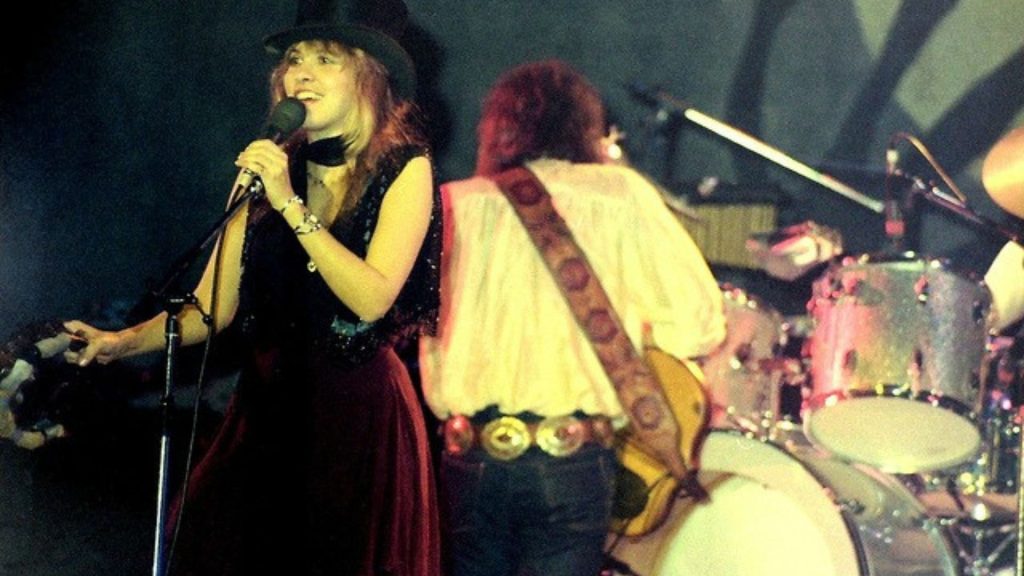
Lindsey Buckingham wrote this while watching his relationship with Stevie Nicks collapse in real time, and they were still recording together. Buckingham wanted Mick Fleetwood to replicate Charlie Watts’ drum pattern on the Rolling Stones’ “Street Fighting Man,” with heavy tom fills across the beat.
Fleetwood couldn’t quite duplicate it, so he did his own version instead, and that “Fleetwoodized” result is a big part of what gives the song its lurching, agitated energy. Nicks reportedly hated some of the lyrics. She sang backup on it anyway. That tension is audible, and it’s a significant part of why the song works.
4. “Born to Run” – Bruce Springsteen (1975)

Springsteen spent six months on the title track alone, battling with sounds in his head that he couldn’t quite explain to anyone else in the studio. The Wall of Sound production, borrowed conceptually from Phil Spector, was applied to a story about desperation and escape that felt genuinely new in rock at the time.
When it landed, it landed hard. Jon Landau’s famous line about seeing “the future of rock and roll” came from a 1974 show that predated the album, but the song fulfilled the promise. It turned Springsteen from a cult figure into something larger.
5. “What’s Going On” – Marvin Gaye (1971)
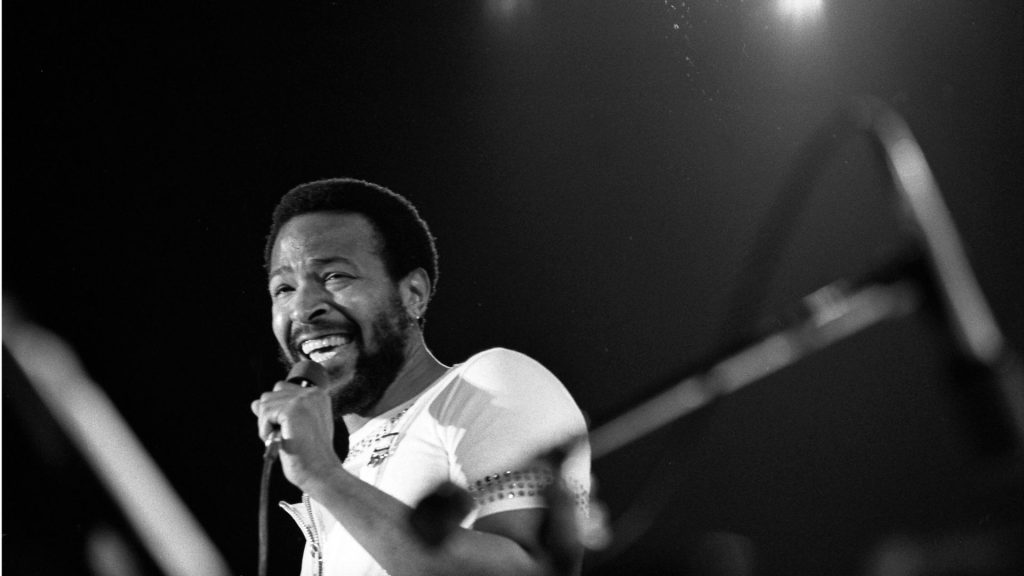
Motown boss Berry Gordy didn’t want to release it. He called it “the worst record I ever heard in my life.” Gaye pushed anyway, refusing to record another note for the label until it came out, and “What’s Going On” became one of the fastest-selling singles in Motown’s history.
The layered vocals, the conversational phrasing, the way the song feels like it’s being sung to someone specific rather than broadcast to a crowd. It changed what a soul record was allowed to be.
6. “Angie” – Rolling Stones (1973)
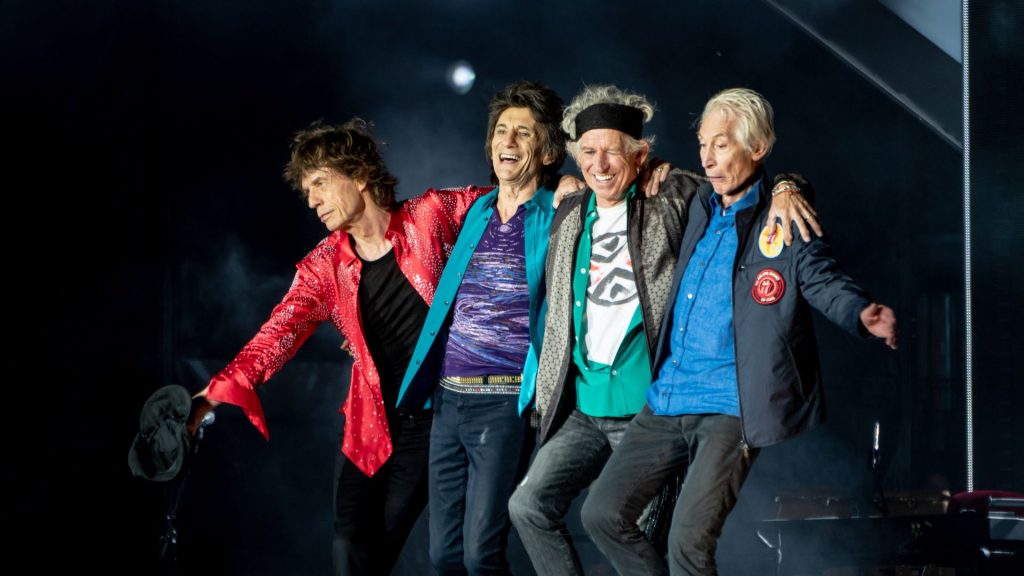
The Stones spent most of the ’70s in rock-and-roll excess, which makes “Angie” feel like an interruption. Keith Richards wrote it while in a Swiss clinic being treated for heroin addiction. The acoustic ballad format stripped away everything the Stones were known for at the time, and it hit number one in the U.S. anyway.
Who “Angie” refers to has been debated for decades. Richards has said it’s not about anyone specific. Jagger has given different answers at different times.
7. “London Calling” – The Clash (1979)
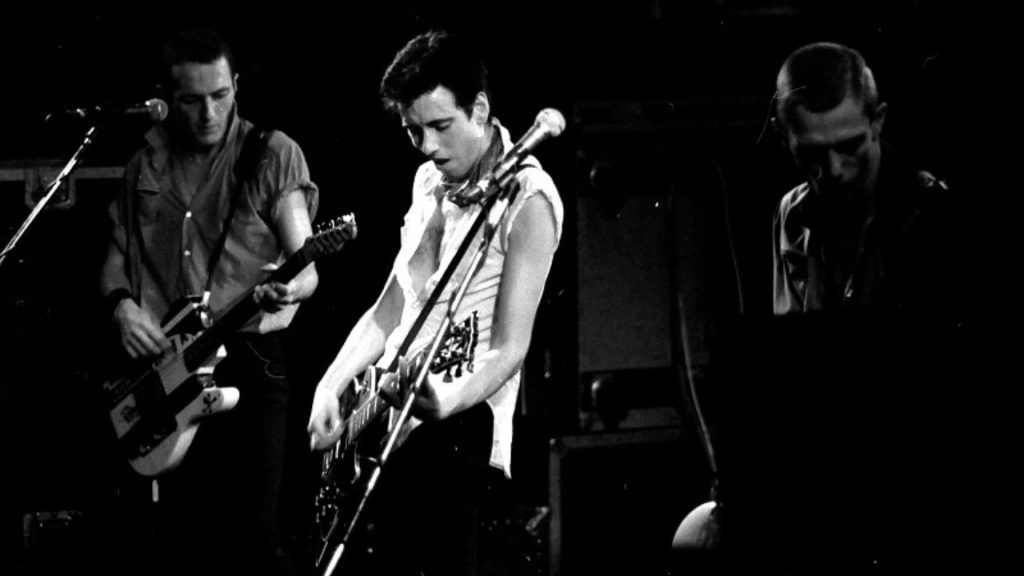
Released in December 1979, just close enough to the decade’s end to count. The Clash had already made their name on shorter, faster punk material, and “London Calling” expanded the template without abandoning it. Paul Simonon’s bass line carries most of the song’s urgency.
The lyrics stack references: nuclear plant meltdowns, flooding, unemployment, ice ages. Joe Strummer later described the band as feeling like they were “grasping with their fingernails” during those sessions. That feeling made it into the recording.
8. “Le Freak” – Chic (1978)
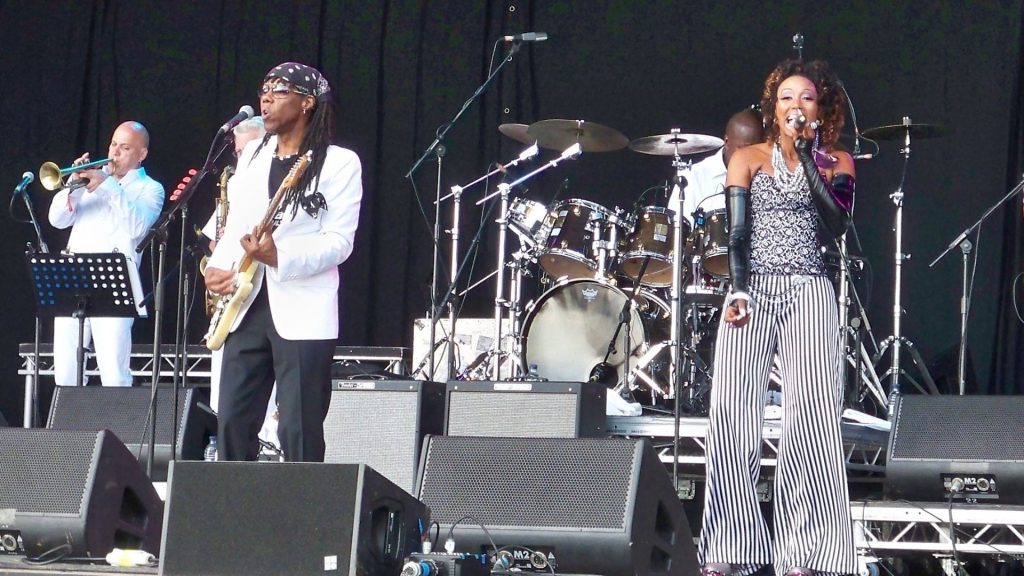
Nile Rodgers and Bernard Edwards wrote “Le Freak” after being turned away at the door of Studio 54 on New Year’s Eve 1977, even though they had been personally invited by Grace Jones. They went back to Edwards’ apartment and wrote the song that night out of frustration.
The original lyric was considerably less radio-friendly. It became the best-selling single in Atlantic Records’ history up to that point. The guitar scratch pattern Rodgers developed for it influenced pop and R&B production for decades afterward.