Some musicians are simply too big for a single group to contain. Whether driven by creative differences, personal ambition, or just the natural restlessness that comes with talent, certain artists have stepped out from behind their band’s identity and built something entirely their own.
A few of them ended up eclipsing the very groups that made them famous.
1. Beyoncé (Destiny’s Child)

Destiny’s Child was one of the best-selling girl groups in history, but Beyoncé’s solo career has reached a scale that puts her in a different category altogether.
Her 2003 debut “Dangerously in Love” went multi-platinum, and she has since released a string of critically acclaimed albums including “Lemonade” and “Renaissance.” By 2026, she holds more Grammy wins than any other artist in the award’s history. The group gave her a platform. What she built afterward was entirely her own.
2. Paul McCartney (The Beatles)
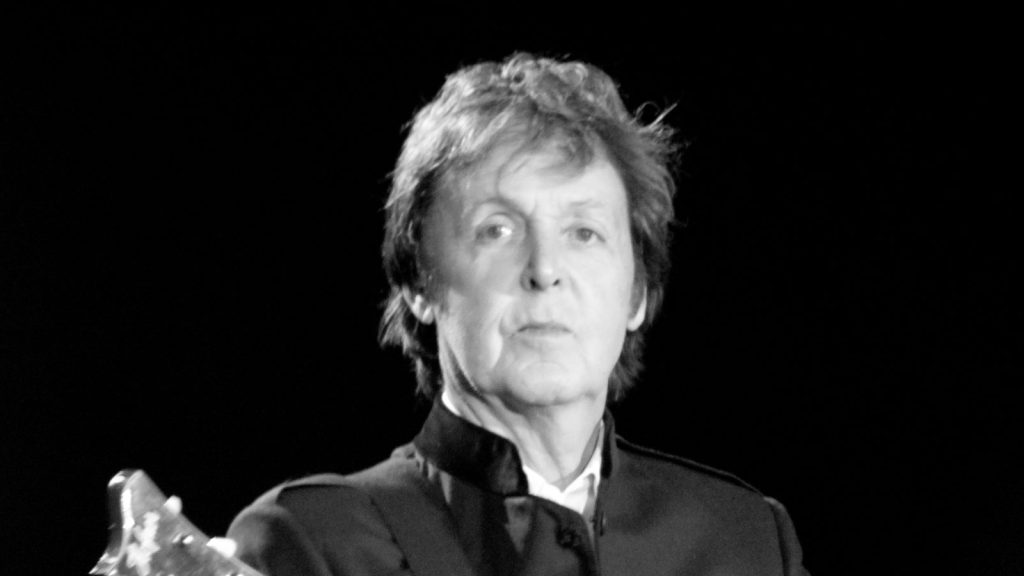
John Lennon is often surrounded by greater romantic mythology, but Paul McCartney has sustained extraordinary commercial and critical success across more than six decades.
After the Beatles broke up in 1970, McCartney launched a solo career and later formed Wings, scoring major hits including “Band on the Run.” As of 2026, his catalog includes 19 standard solo studio albums, in addition to nine studio albums released with Wings. “Maybe I’m Amazed,” first released in 1970, remains one of the best-known and most enduring songs of his post-Beatles career.
3. Peter Gabriel (Genesis)
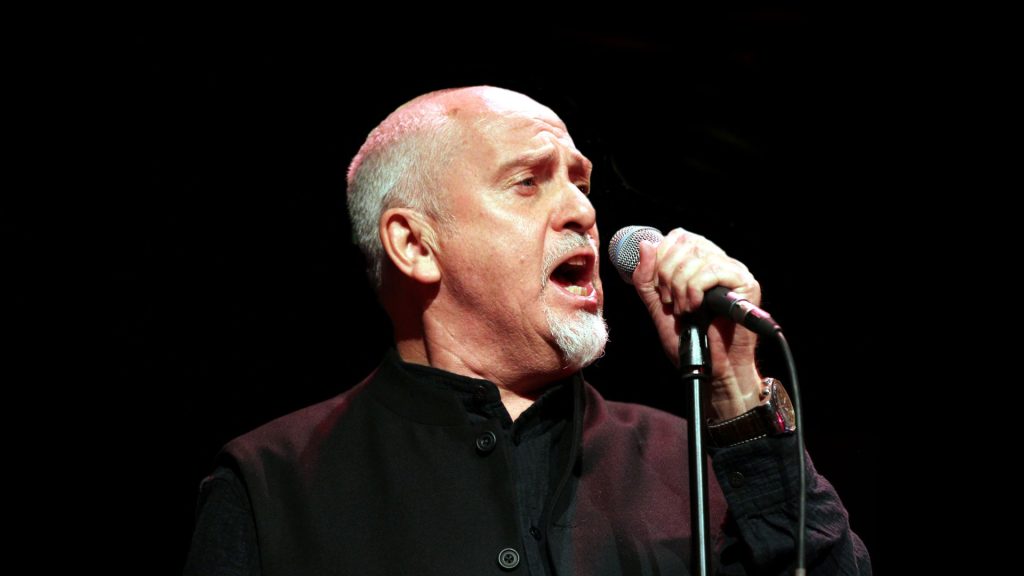
Gabriel left Genesis in 1975, before the band had even reached its commercial peak, and carved out one of the more unusual careers in rock.
His 1986 album “So” contained “Sledgehammer” and “In Your Eyes,” two songs that defined the era of MTV as much as any record released that decade. He never chased what was popular, which is probably why his music has aged better than most of his contemporaries.
4. Gwen Stefani (No Doubt)

No Doubt spent most of the 1990s building a loyal following before breaking through with “Tragic Kingdom” in 1995. Stefani launched her solo career in 2004 with “Love. Angel. Music. Baby.” (L.A.M.B.), which sold around three to four million copies worldwide.
The album’s mix of pop, hip-hop, and new wave influences caught people off guard in the best way. She managed to step outside a band with a devoted fanbase and attract an entirely new audience without losing the original one.
5. Justin Timberlake (NSYNC)
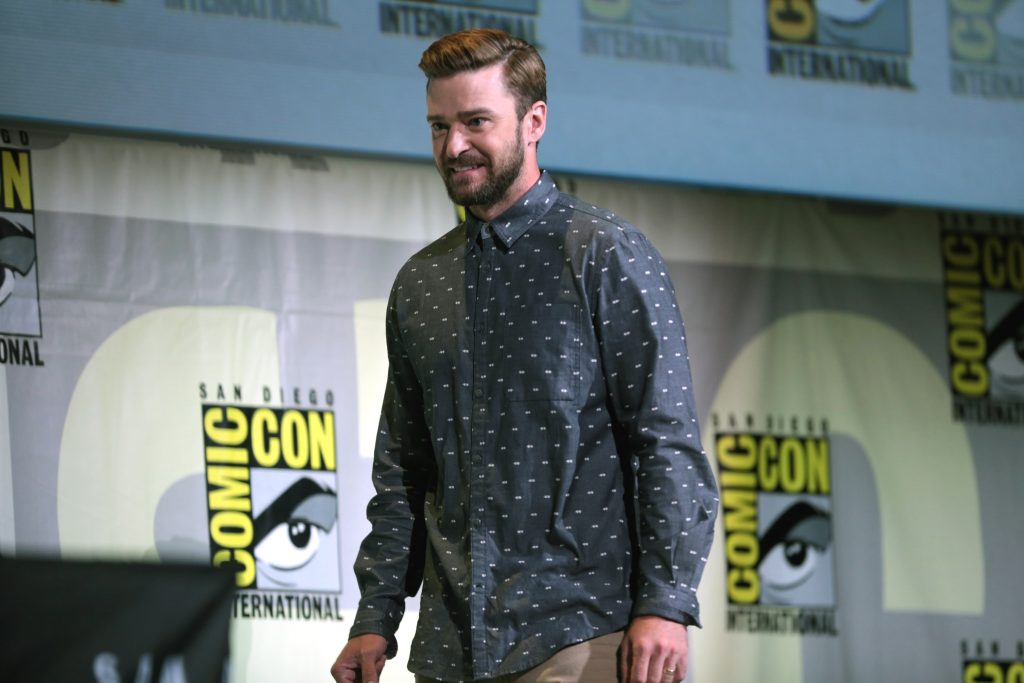
NSYNC was the dominant boy band of the late 1990s and early 2000s, and when Timberlake released “Justified” in 2002, it was not obvious the transition would work so cleanly.
It did. Produced largely by Timbaland and the Neptunes, the album repositioned him as a credible R&B artist. “FutureSex/LoveSounds” in 2006 confirmed it was not a fluke.
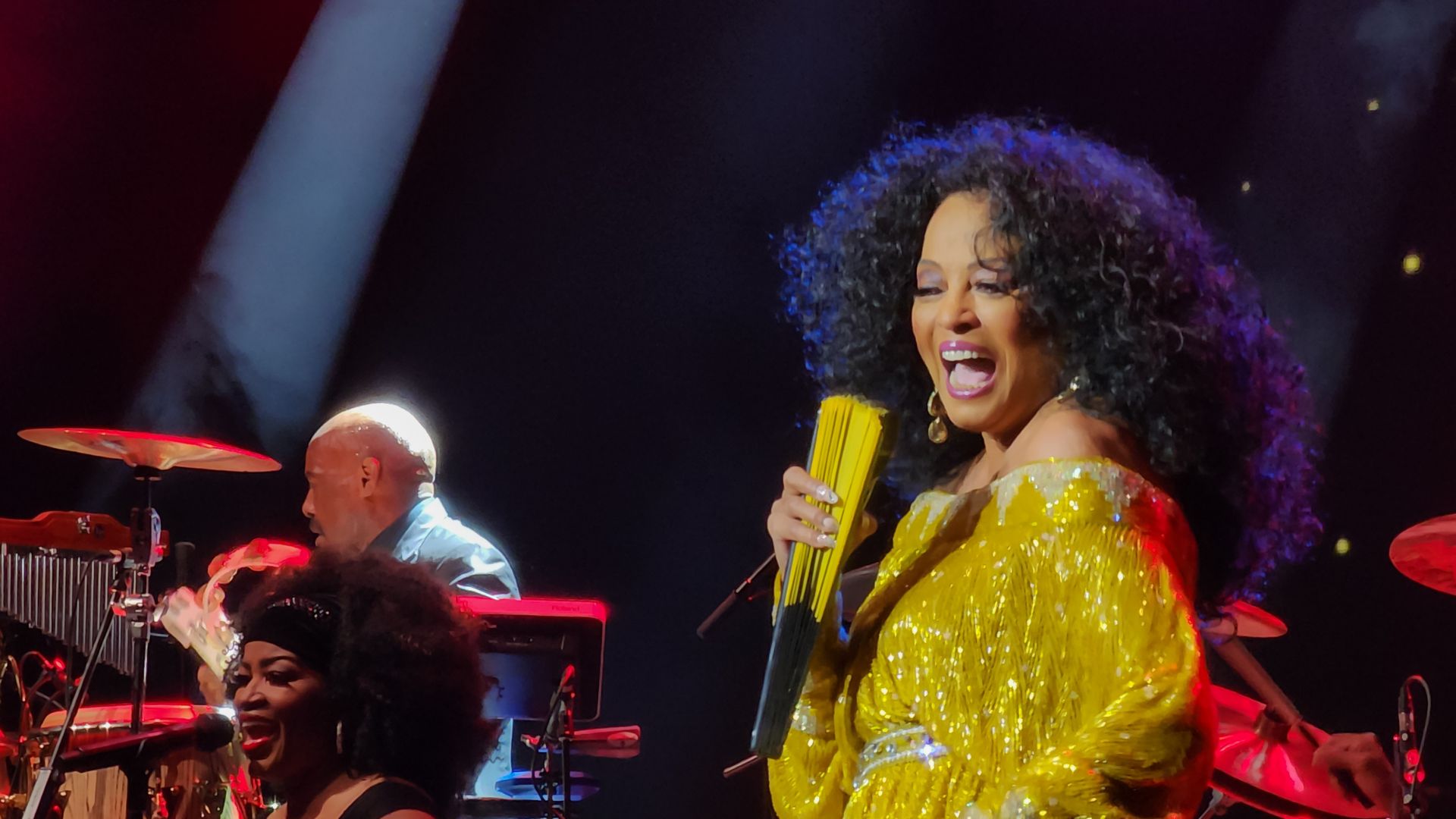
6. Diana Ross (The Supremes)
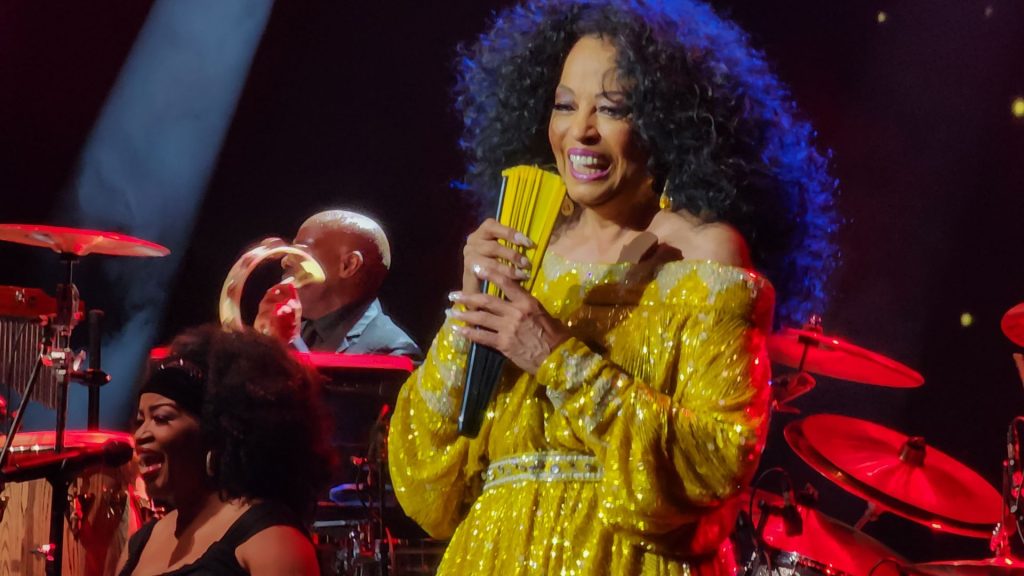
Ross left the Supremes in 1970 after a decade of hits and launched a solo run that produced “Ain’t No Mountain High Enough,” “I’m Coming Out,” and “Endless Love.”
Her Motown tenure as a solo artist matched what she had accomplished with the group, which is not something most artists can claim. She remains one of the best-selling female artists in history.
7. Ozzy Osbourne (Black Sabbath)
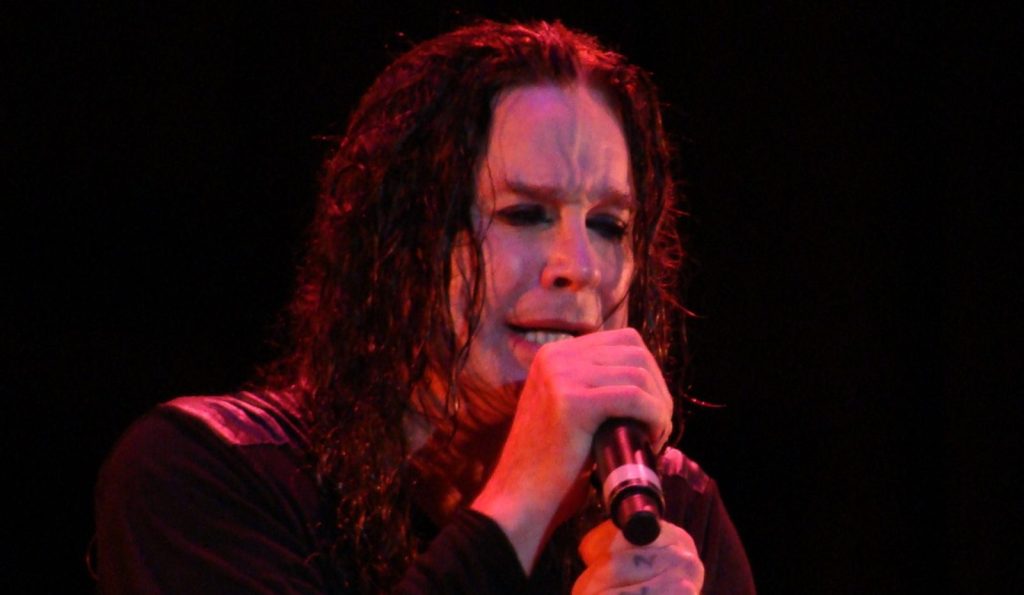
Ozzy was fired from Black Sabbath in 1979, and most people assumed his career was finished. Instead, he released “Blizzard of Ozz” in 1980 with guitarist Randy Rhoads and essentially launched the second chapter of his professional life.
That record introduced one of the most celebrated guitar players in heavy metal history and gave Osbourne a solo identity distinct from Sabbath. His solo catalog has sold an estimated 50 to 60 million copies, with total career sales across his Black Sabbath work pushing the overall figure considerably higher.
8. Lionel Richie (The Commodores)
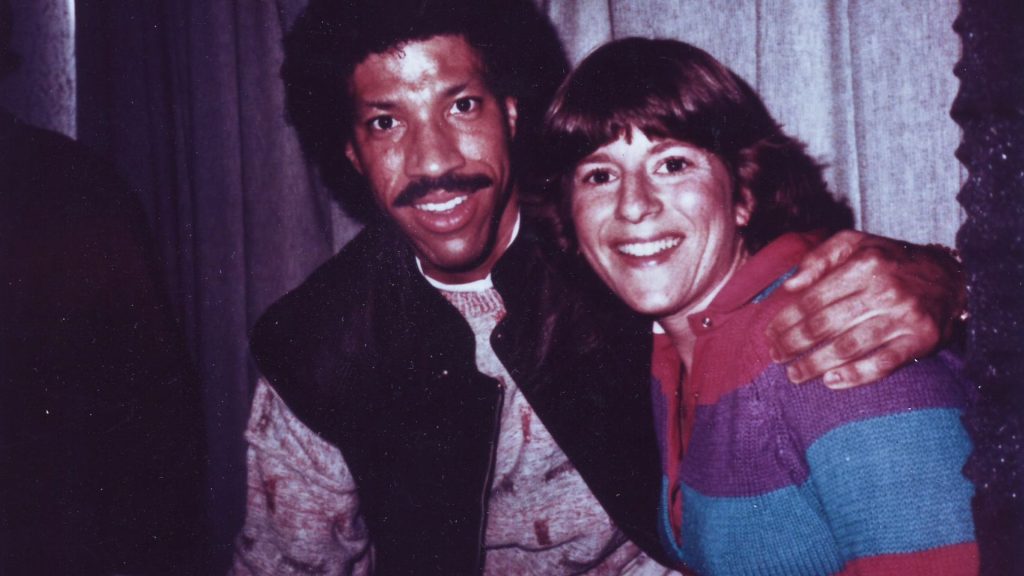
Richie wrote some of the Commodores’ biggest songs, including “Easy” and “Three Times a Lady,” before leaving in 1982. His self-titled solo debut and the follow-up “Can’t Slow Down” made him one of the best-selling artists of the 1980s.
“Can’t Slow Down” won the Grammy for Album of the Year in 1985 and sold approximately 10 to 12 million copies globally.
9. Phil Collins (Genesis)
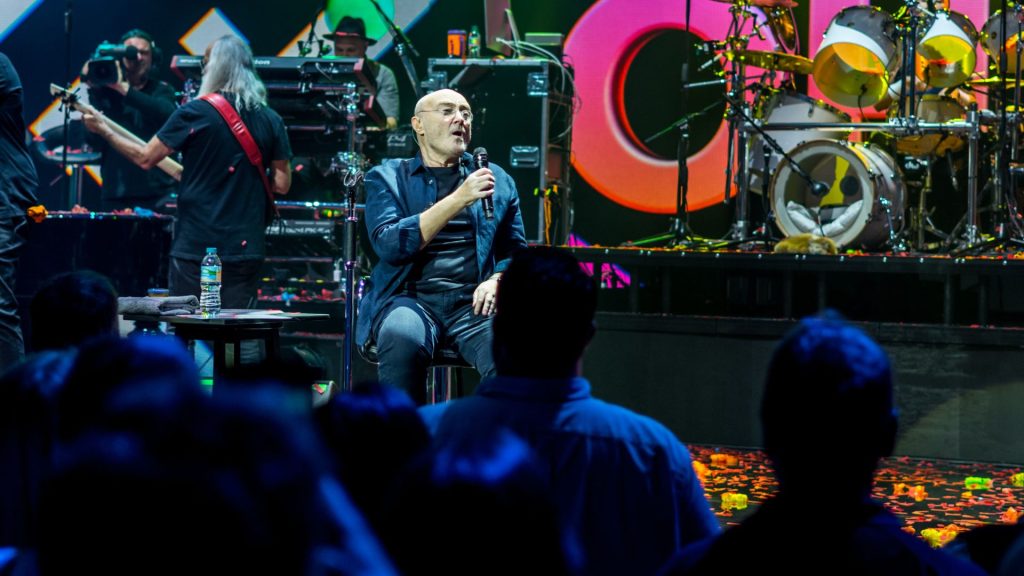
Collins took over lead vocals in Genesis after Gabriel’s departure and helped turn the band into one of the biggest acts of the 1980s. He somehow managed to maintain a parallel solo career at the same time. “In the Air Tonight,” released in 1981, remains one of the most recognizable songs in pop history, largely because of a drum fill that people still talk about four decades later.
At his peak in the mid-1980s, he was charting simultaneously as a solo artist, as a member of Genesis, and as a collaborator on other projects. That kind of commercial presence across multiple fronts has rarely been repeated.