Hollywood has a long history of near-misses that quietly reshape film history. An actor turns down a script, someone else steps in, and a career-defining role gets permanently attached to a different face. Sometimes the actor who passed had scheduling conflicts. Sometimes they just couldn’t see it. Either way, the decisions tend to haunt, because a few of these films went on to become the most celebrated of their era.
1. Will Smith and “The Matrix”
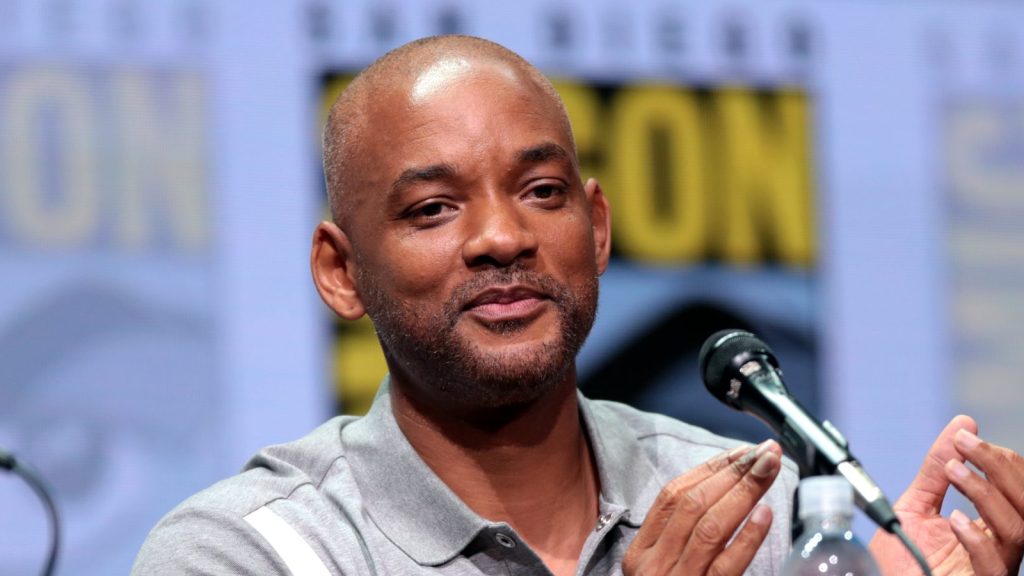
Will Smith was offered the role of Neo before Keanu Reeves, and he turned it down to make Wild Wild West instead. Smith has talked about this publicly, saying he didn’t fully grasp what the Wachowskis were going for when they pitched it to him.
He’s also admitted, with some self-deprecation, that Reeves was probably the right choice anyway. Wild Wild West bombed. The Matrix became one of the most influential science fiction films ever made.
2. John Travolta and “Forrest Gump”
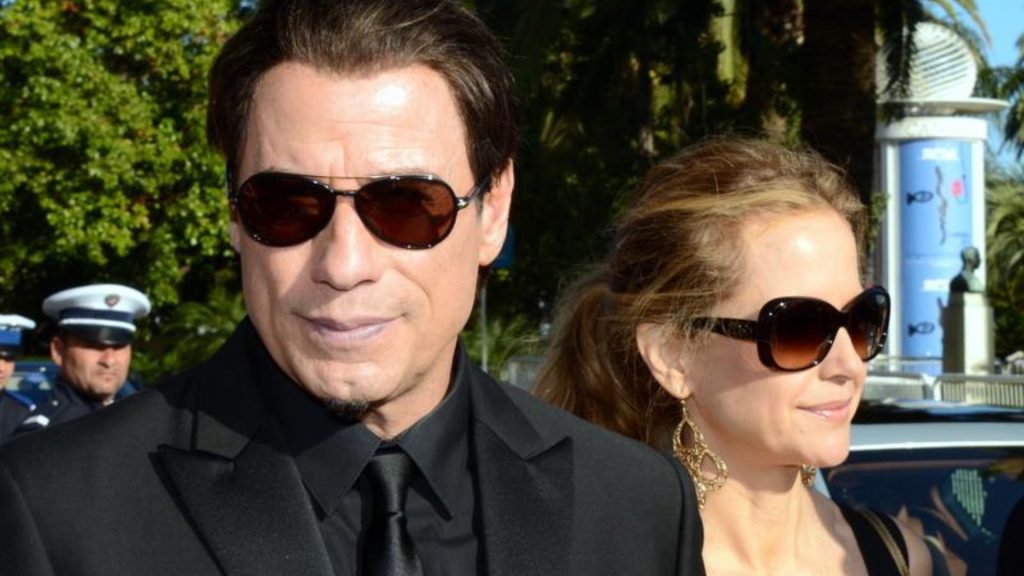
Tom Hanks won his second consecutive Oscar for Forrest Gump, but the role was reportedly offered to John Travolta first, who passed on it. Travolta had just made a massive comeback with Pulp Fiction that same year, so it’s not like 1994 went badly for him.
Still, Forrest Gump was a cultural phenomenon on a different scale, and it’s hard not to wonder how differently Travolta’s 2000s would have looked with that film in his back pocket.
3. Sean Connery and “The Lord of the Rings”
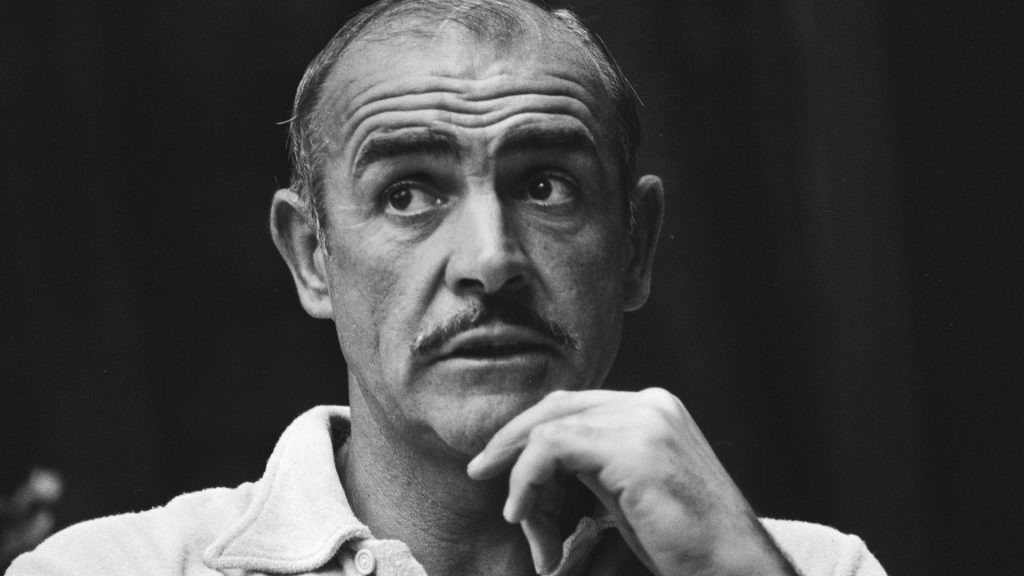
Sean Connery was approached to play Gandalf in Peter Jackson’s trilogy and declined, reportedly because he didn’t understand the material after reading the script. By some accounts he was offered 15% of the box office gross, a figure that would have translated into hundreds of millions of dollars given how the trilogy performed.
The three films earned approximately $2.9 billion at the worldwide box office. Ian McKellen took the role and delivered one of the most iconic performances of that decade.
4. Michelle Pfeiffer and “Silence of the Lambs”
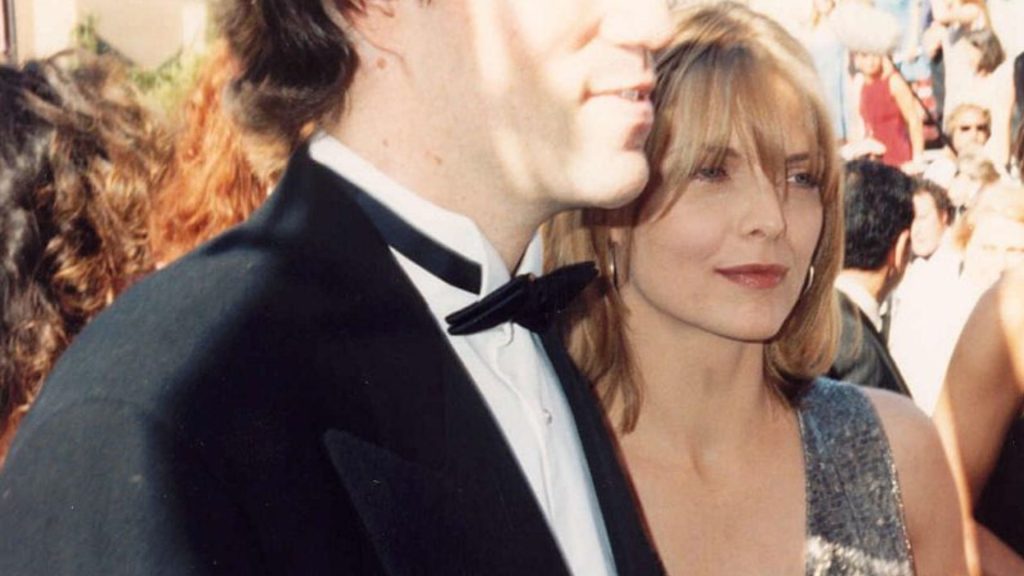
Jodie Foster won the Academy Award for Best Actress for her portrayal of Clarice Starling, but Michelle Pfeiffer had the role first and walked away from it. She later said the film’s subject matter was too disturbing for her.
At the time, she was one of the biggest stars in Hollywood, with The Fabulous Baker Boys behind her and Batman Returns still ahead. The film went on to sweep all five major Oscar categories, something only two other films in history have done.
5. Al Pacino and “Pretty Woman”
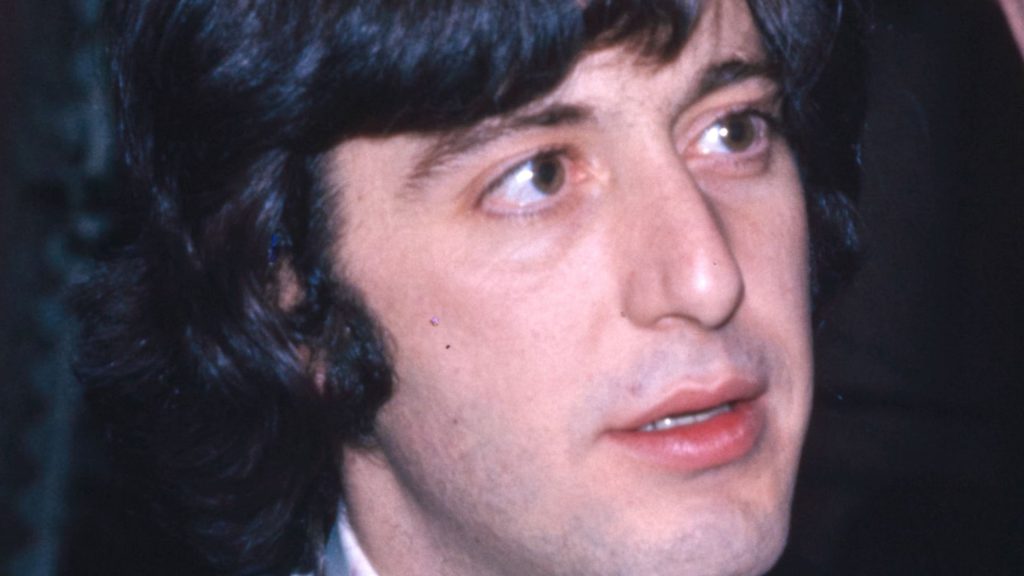
Before Richard Gere, Al Pacino was in talks to play Edward Lewis in Pretty Woman. Pacino passed, and the romantic comedy became one of the highest-grossing films of 1990 and firmly cemented Gere’s status as a leading man for the decade.
Pacino’s instincts usually run toward heavier material, so it’s not a surprising departure, but Pretty Woman became the kind of crowd-pleasing hit that changes how the industry sees you.
6. Ryan Gosling and “La La Land”
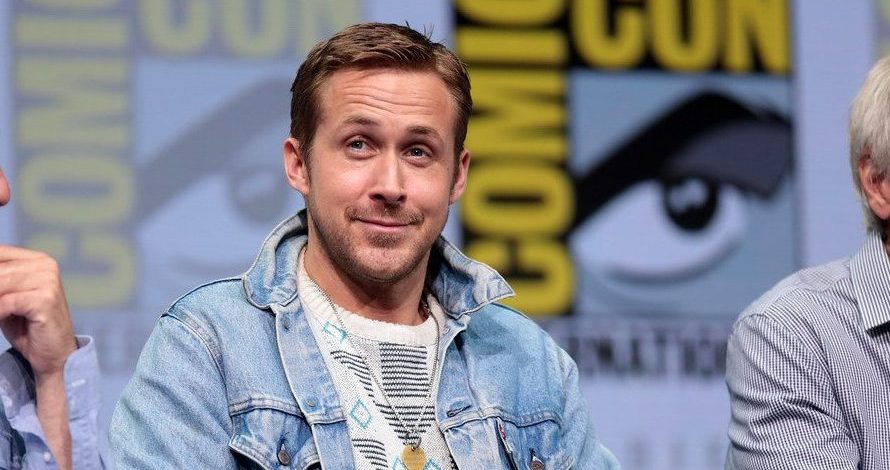
Ryan Gosling eventually starred in La La Land and received an Oscar nomination for it, but Emma Watson was originally cast as Mia before departing over scheduling conflicts.
Gosling’s chemistry with Emma Stone turned out to be central to the film’s appeal, and the movie became one of the most awarded musical films in decades.
7. Molly Ringwald and “Pretty Woman”
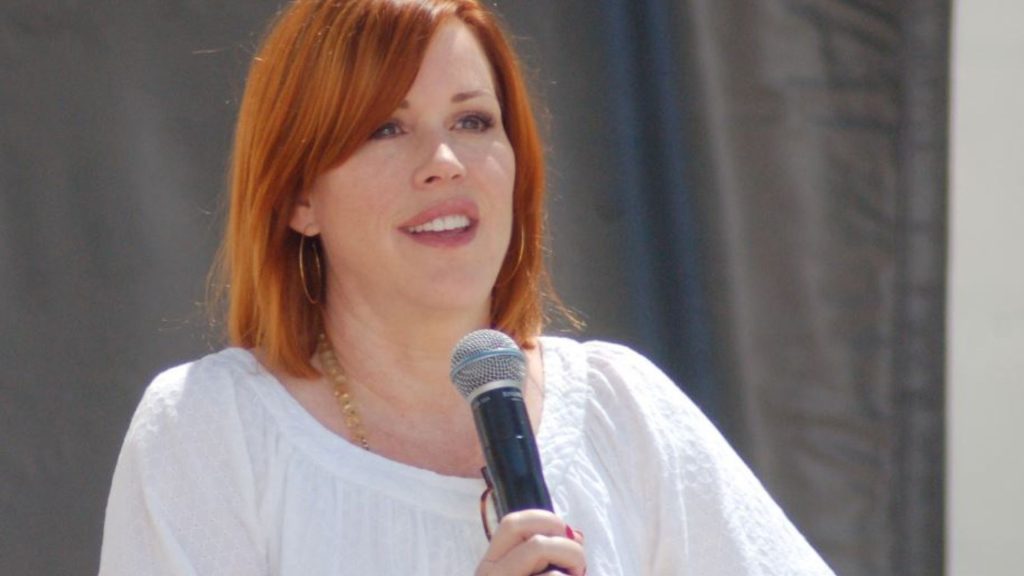
Molly Ringwald also passed on Pretty Woman, which had a very different tone in its original draft. The early script was a darker, grittier story before the studio repositioned it as a romantic comedy. Ringwald would have been playing a different version of the character entirely.
By the time the film was softened into something more commercial, her window had closed and Julia Roberts got the part, which launched Roberts into a completely different tier of stardom.
8. Tom Selleck and “Raiders of the Lost Ark”
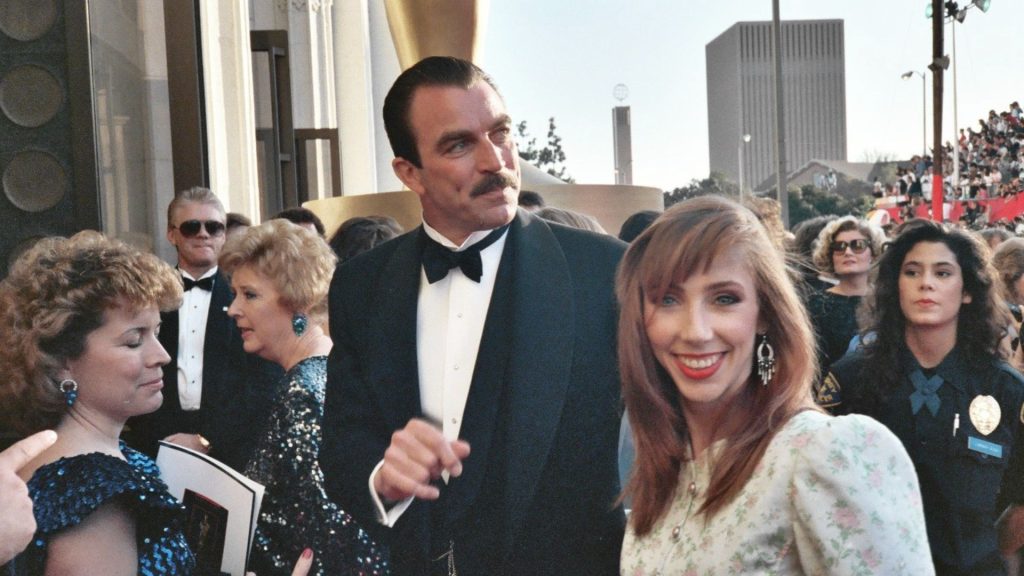
Tom Selleck was cast as Indiana Jones before Harrison Ford, and came remarkably close to taking the role. His contract with Magnum P.I. ultimately prevented it, but tests were done and the studio was committed.
Ford stepped in and built one of the most enduring action franchises in cinema history across four decades. Selleck has spoken graciously about it, but it stands as one of the most consequential scheduling conflicts in Hollywood history.
9. Matthew Broderick and “Rain Man”
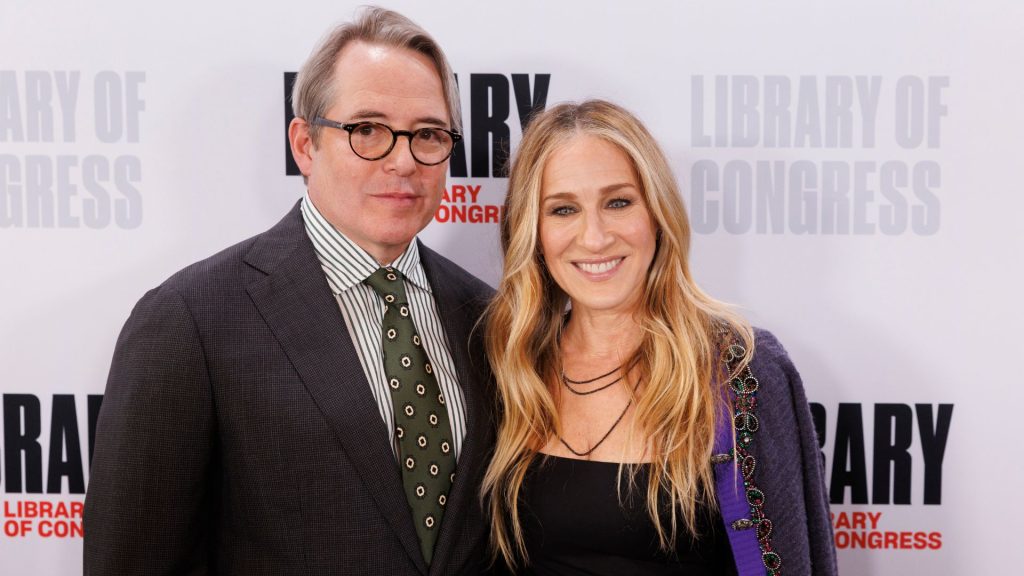
Rain Man went through years of development chaos before Barry Levinson brought it together, with multiple directors and cast members cycling in and out. Bill Murray was among the actors connected to the Charlie Babbitt role that eventually went to Tom Cruise, and Broderick was also attached during an earlier phase of the project.
Cruise and Hoffman made it one of the most awarded films of 1988, and the role gave Cruise his first real taste of serious dramatic recognition.