Some instruments take years to master. The human voice can stop a room cold in the hands of the right person, and certain women throughout music history have wielded theirs with a precision and emotional force that no other instrument can replicate.
This list doesn’t rank so much as survey, covering artists whose voices genuinely changed what listeners expected from a singer.
1. Aretha Franklin
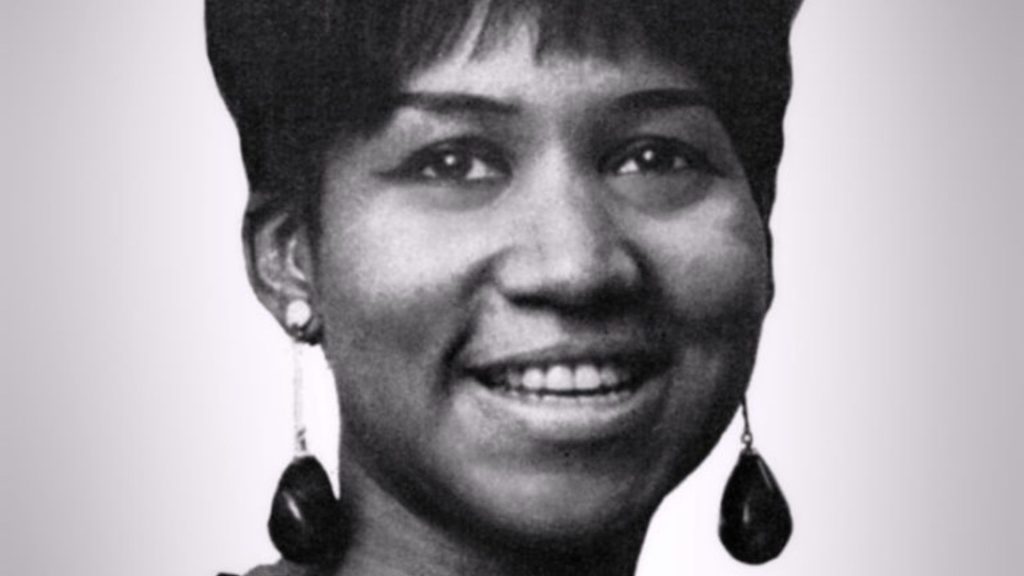
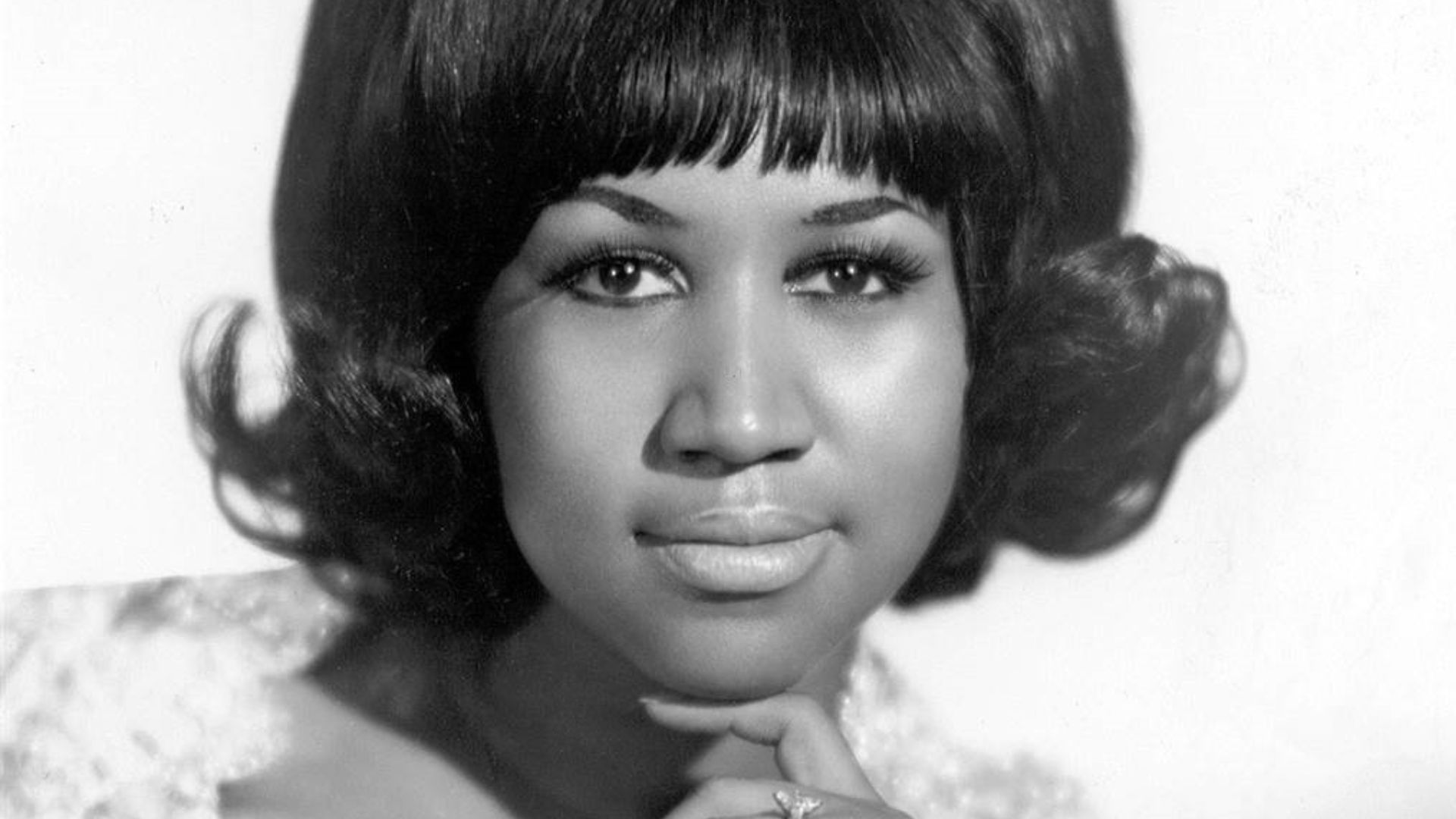
No conversation about vocal greatness begins anywhere else. Aretha Franklin’s voice carried gospel, fury, tenderness, and authority in a single phrase. Her 1967 recording of “Respect” wasn’t a cover, it was a complete transformation of Otis Redding’s original into something that felt like a declaration.
She had eighteen number-one R&B singles and won eighteen Grammy Awards, a record at the time for any female artist. What separated her from nearly everyone else was control: she could whisper and make it land harder than a shout.
2. Whitney Houston
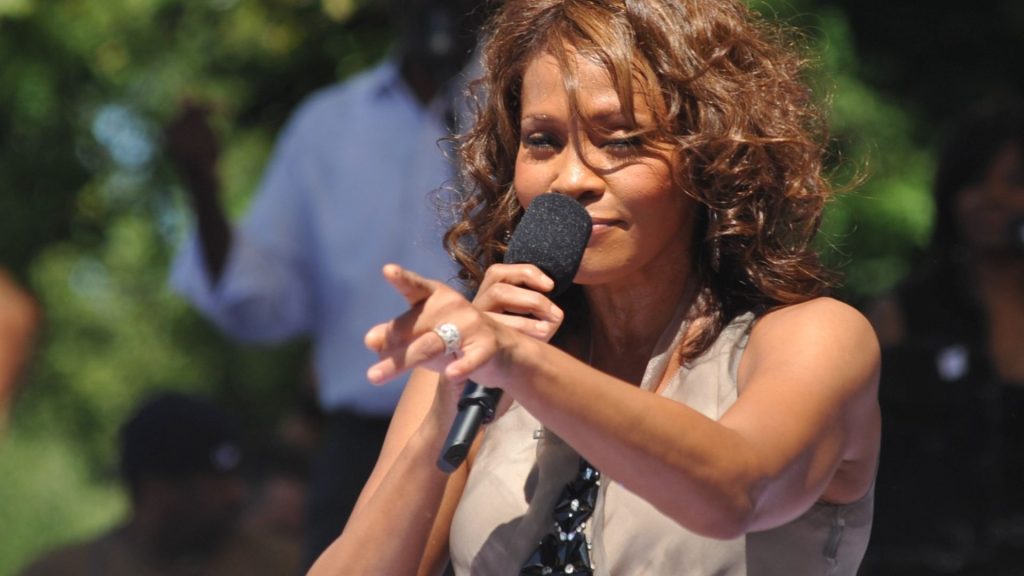
The range was extraordinary, but range alone doesn’t explain Whitney Houston. She had a technical command that vocal coaches still use as a teaching standard in 2026. Her 1992 recording of “I Will Always Love You” runs nearly four and a half minutes and builds through multiple key lifts without losing warmth or clarity.
Before personal struggles consumed her later years, she was widely regarded as the most technically gifted pop vocalist alive. That assessment still holds up on repeated listening.
3. Billie Holiday
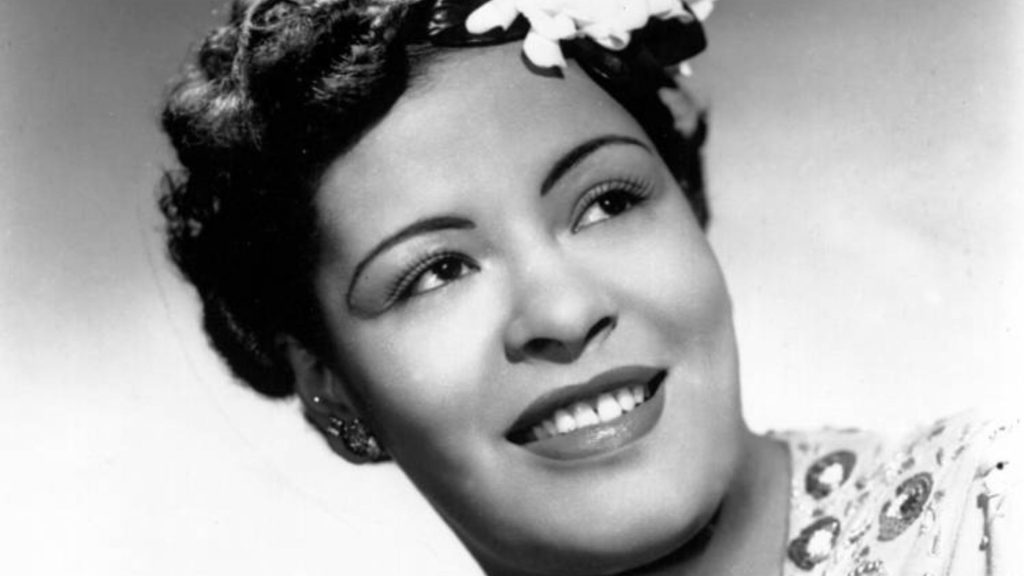
Billie Holiday recorded “Strange Fruit” in 1939, a song about Southern lynchings so bleak that her label, Columbia, refused to release it.
Commodore Records stepped in. Her voice on that track is deliberate and devastating, and it may be the most politically consequential recording a singer has ever made. She never had the biggest range, but she had an almost unnerving ability to make phrasing feel like lived experience.
4. Maria Callas
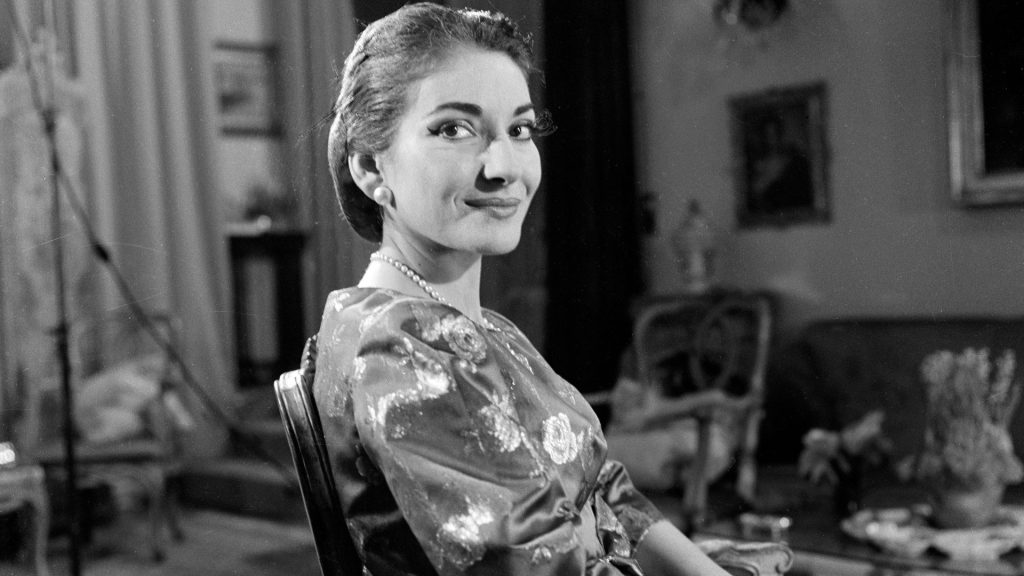
Opera’s case for female vocal greatness runs through Maria Callas, a Greek-American soprano who redefined how bel canto roles were performed in the 1950s. She brought dramatic intensity to a tradition that had sometimes prioritized pure tone over character.
Her recordings of Bellini’s “Norma” and Donizetti’s “Lucia di Lammermoor” are still the standard against which other sopranos are measured, decades after her death in 1977.
5. Dolly Parton
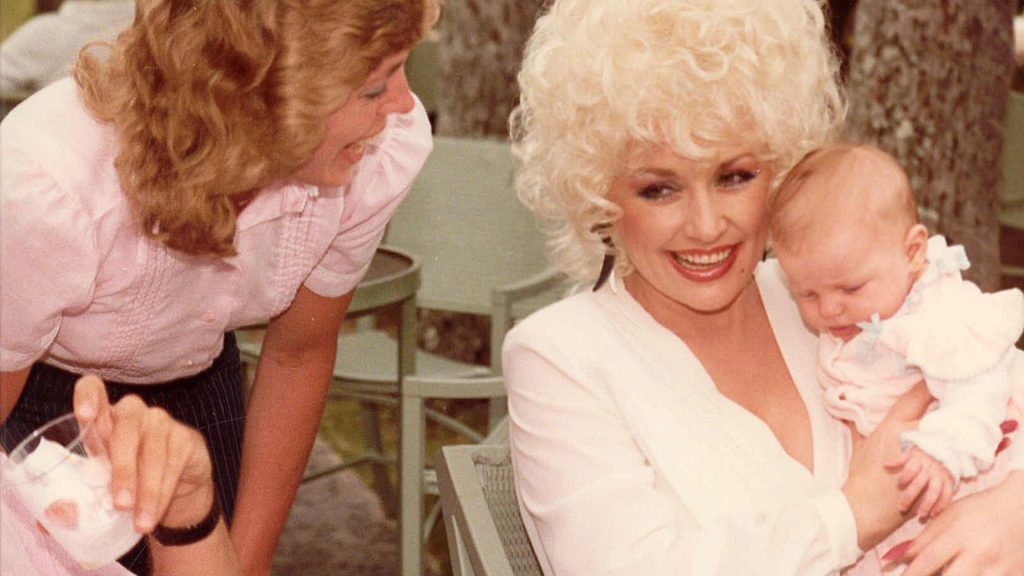
People underestimate Dolly Parton’s voice because she never made a project of being vocally impressive. She writes her own songs, which already puts her in rarefied company, and then delivers them with a clarity and warmth that makes the writing land harder.
“I Will Always Love You” is her composition, written in 1973, before Whitney Houston ever touched it. Parton’s version is quieter and more precise in its heartbreak.
6. Nina Simone
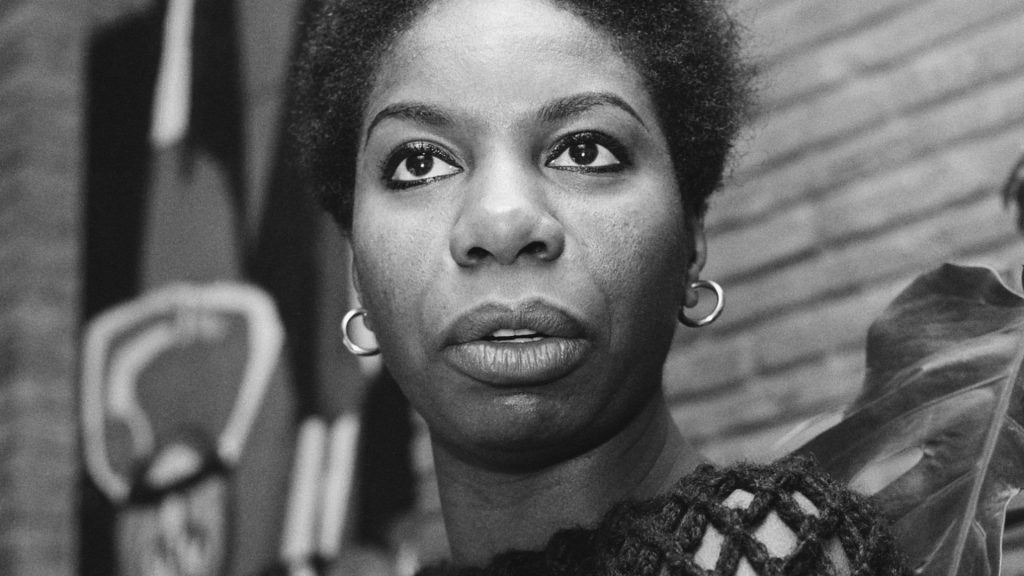
Nina Simone trained as a classical pianist and applied to the Curtis Institute of Music in Philadelphia, where she was rejected in what she believed was a racially motivated decision. That experience shaped both her artistry and her activism. She approaches melody the way a musician approaches a score, bending phrases around the piano rather than following convention.
Her voice was low, rough in places, and she made no effort to smooth it out. “Feeling Good,” “Mississippi Goddam,” “Ne Me Quitte Pas” — all three sound like three different singers, which is its own kind of mastery.
7. Mariah Carey
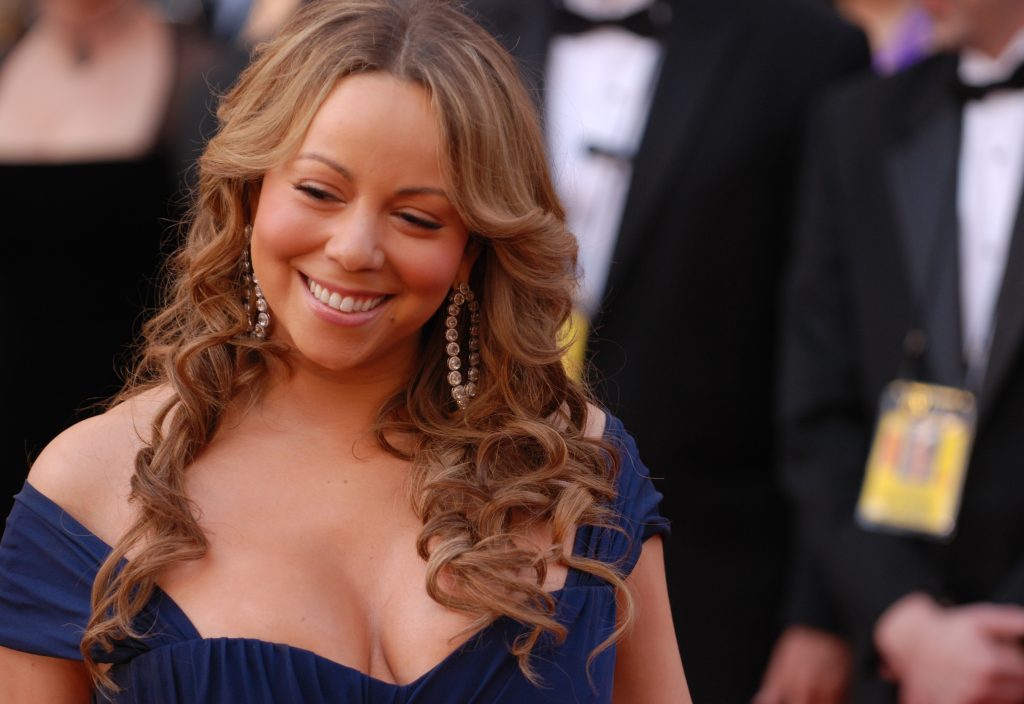
Five octaves is the number that follows Mariah Carey everywhere, and the number is roughly accurate. Her whistle register, deployed on songs like “Emotions” in 1991, was something most listeners had never heard a pop singer use as a melodic tool.
She co-writes and co-produces almost everything she records, and her influence on the generation of singers who followed, from Beyoncé to Ariana Grande, is direct and documented.
8. Beyoncé
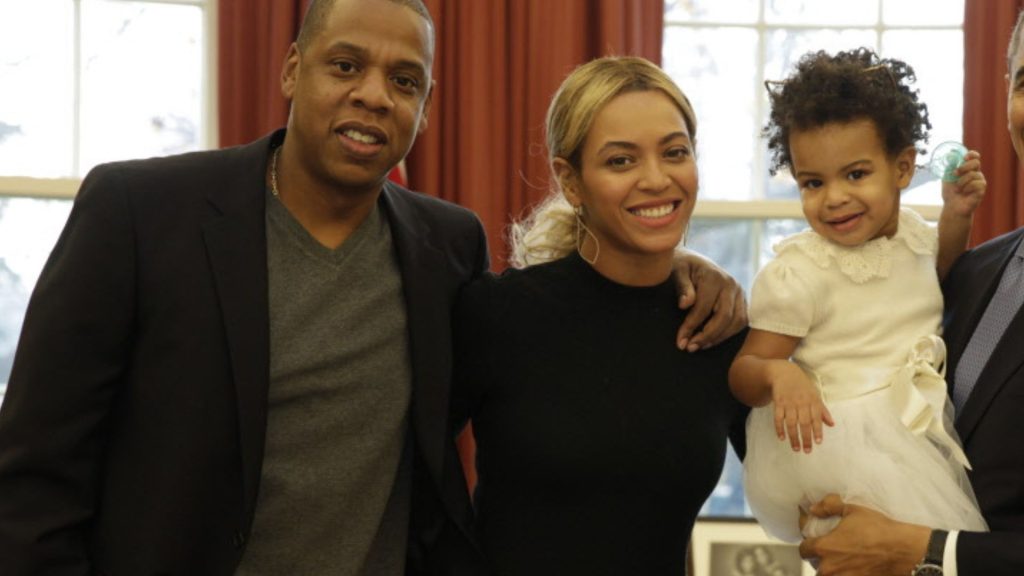
By 2026, Beyoncé’s catalog spans R&B, pop, country, and African-influenced music, and her voice has adapted convincingly across all of it. “Lemonade” in 2016 and “Cowboy Carter” in 2024 showed a singer willing to rebuild her approach around each project rather than simply repeat a formula.
She is the most decorated Grammy artist in the award’s history, surpassing Georg Solti’s previous record in 2024.
9. Tina Turner
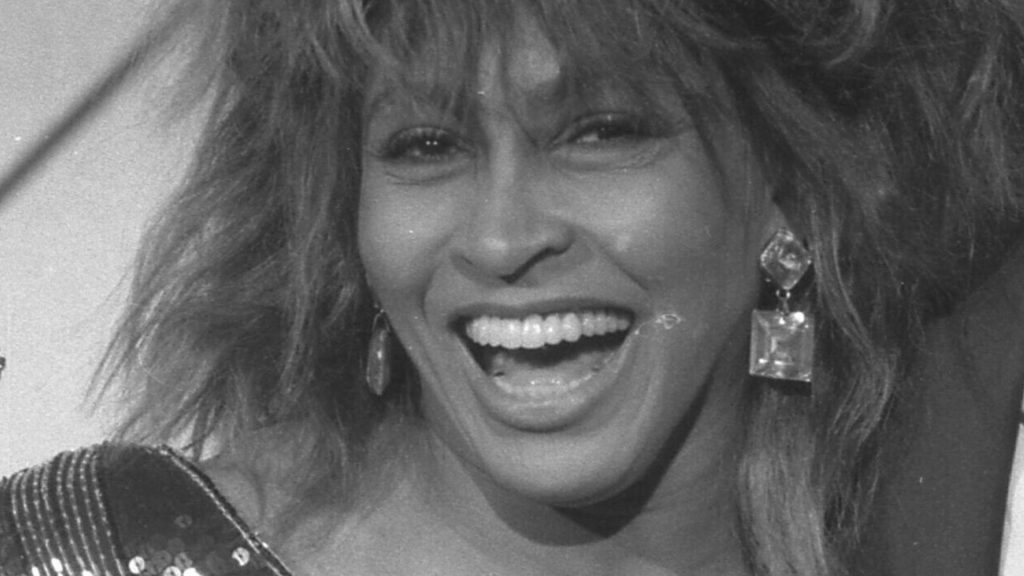
Tina Turner’s voice was built for survival. Raw, powerful, and physically demanding to produce, it matched the performance style she brought to stages for six decades. Her 1984 comeback album “Private Dancer” arrived when she was 45 years old and had just ended an abusive marriage and a professional drought.
It sold somewhere in the range of 10 to 20 million copies worldwide, depending on the source. The voice that powered it had been there the whole time, waiting for the right moment.