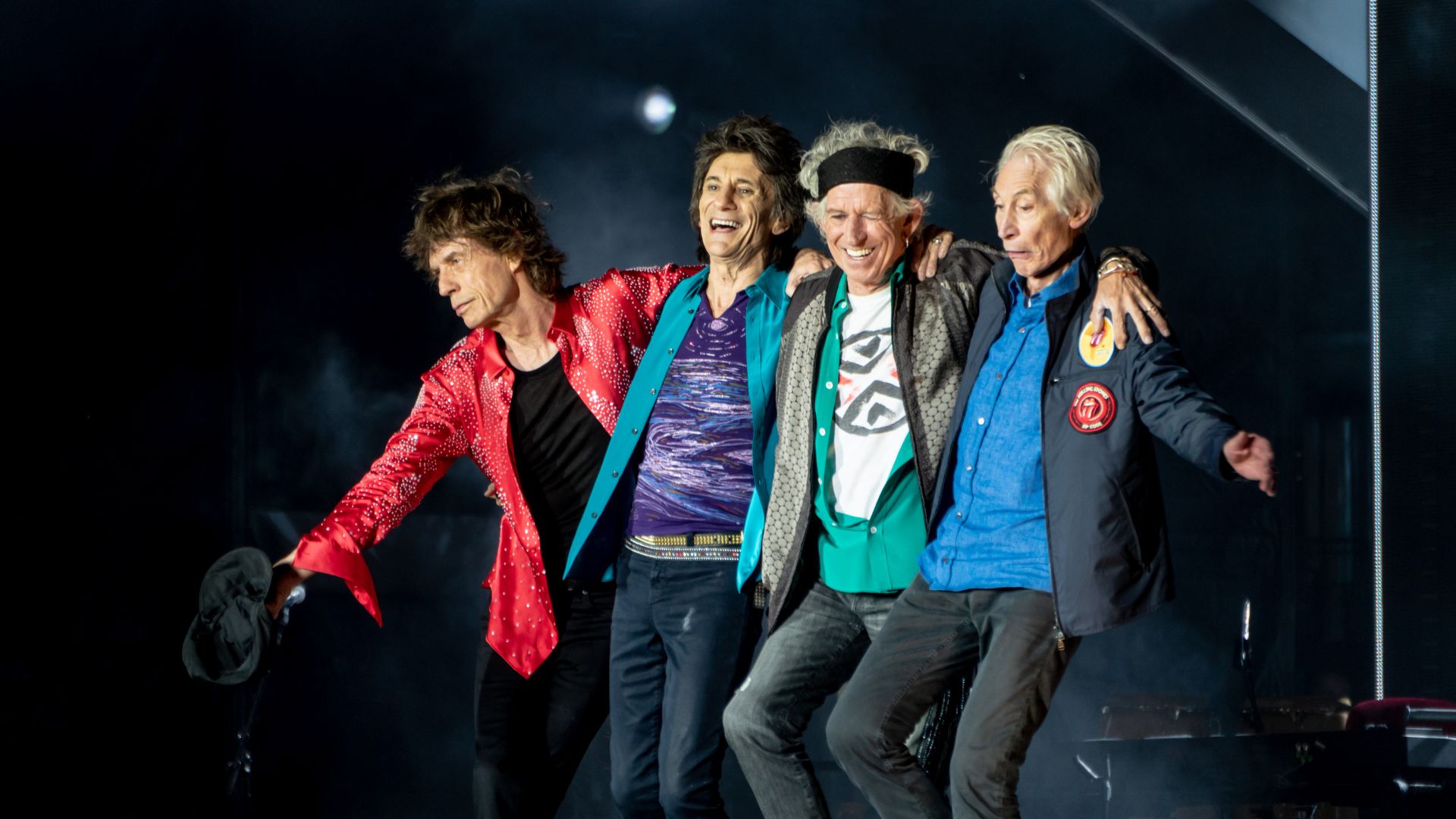
The Rolling Stones have been generating raw material for other artists since the early 1960s, and the catalog they’ve left behind is almost absurdly deep. “Paint It Black,” “Gimme Shelter,” “Wild Horses”, these aren’t just songs.
They’re templates for emotional extremity, and musicians from virtually every genre have tried their hand at them. Some covers are reverent. Some are radical departures. The best ones find something in the original that even the Stones hadn’t fully excavated.
1. Otis Redding — “Satisfaction” (1966)
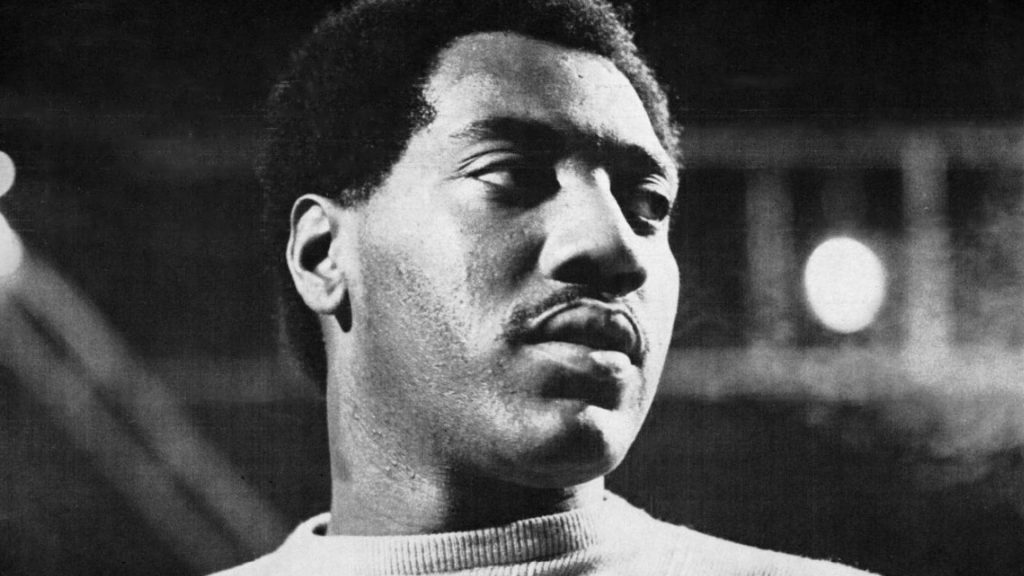
Otis Redding recorded his version of “(I Can’t Get No) Satisfaction” the same year the Stones released the original, and it went to number four on the R&B chart. What Redding understood was that the frustration at the core of the song belonged to soul music as much as it did to rock.
He slowed the tempo slightly, leaned hard on the horns, and transformed Jagger’s sneering complaint into something more physically urgent. The guitar riff that defined the original becomes almost secondary. Redding’s version is a reminder that great songs survive radical reinvention.
2. Guns N’ Roses — “Wild Horses” (1993)

Guns N’ Roses made “Wild Horses” a fixture of their Use Your Illusion Tour in the early 1990s, performing it live regularly before a studio version eventually surfaced on unofficial releases.
Axl Rose brings a genuineness to the vocal that suits the song’s aching quality, and the arrangement stays close to the original without feeling like a recitation. For a band better associated with excess and noise, it’s a surprisingly restrained performance.
3. Solomon Burke — “I Got the Blues” (2005)
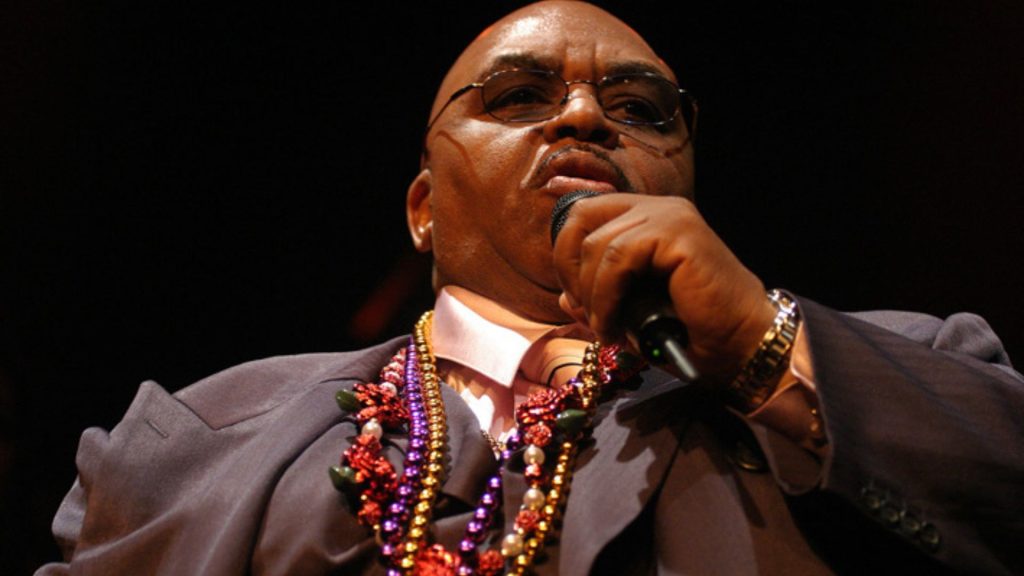
Solomon Burke cut Make Do With What You Got in 2005, and his version of the Stones’ “I Got the Blues” is one of the album’s standouts. Burke had the kind of voice that could make any lyric sound like a serious spiritual matter, and hearing him wrap that instrument around a track from Exile on Main St.’s era is genuinely disorienting in the best way.
The soulful shuffle of the original becomes something almost devotional. Burke was 65 when he recorded it and sounded like he’d been waiting years to make that song his.
4. Patti Smith — “Gimme Shelter” (live performances)
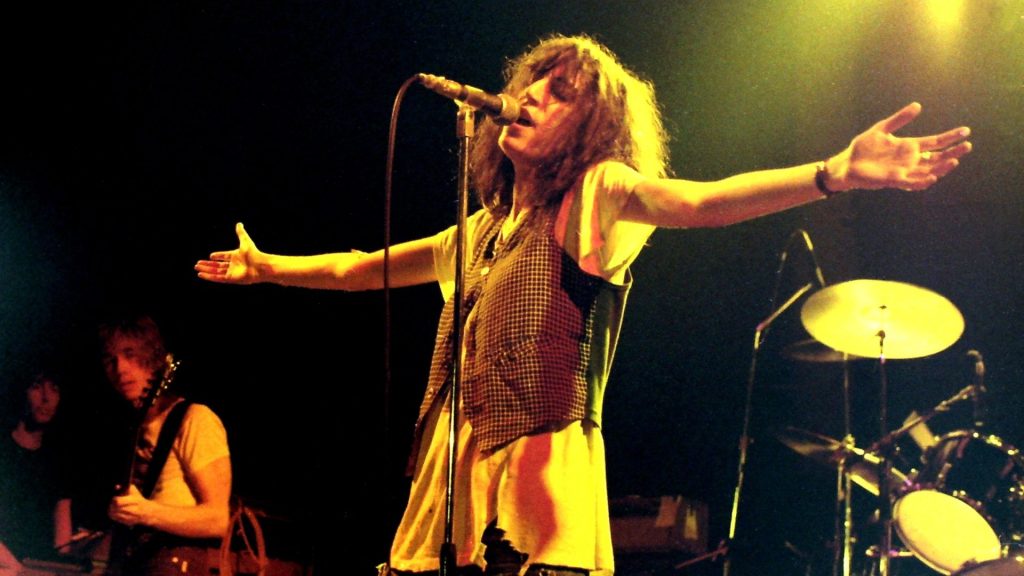
Patti Smith has performed “Gimme Shelter” live many times over the decades, and her versions consistently strip the song back to its essential terror. Where the Stones built the track around the apocalyptic interplay between Mick Jagger and Merry Clayton, Smith leans into the bleakness as pure poetry.
The 1969 original was recorded in the shadow of Vietnam and Altamont. Smith treats it like a warning that never expired.
5. Beck — “Paint It Black” (1994)
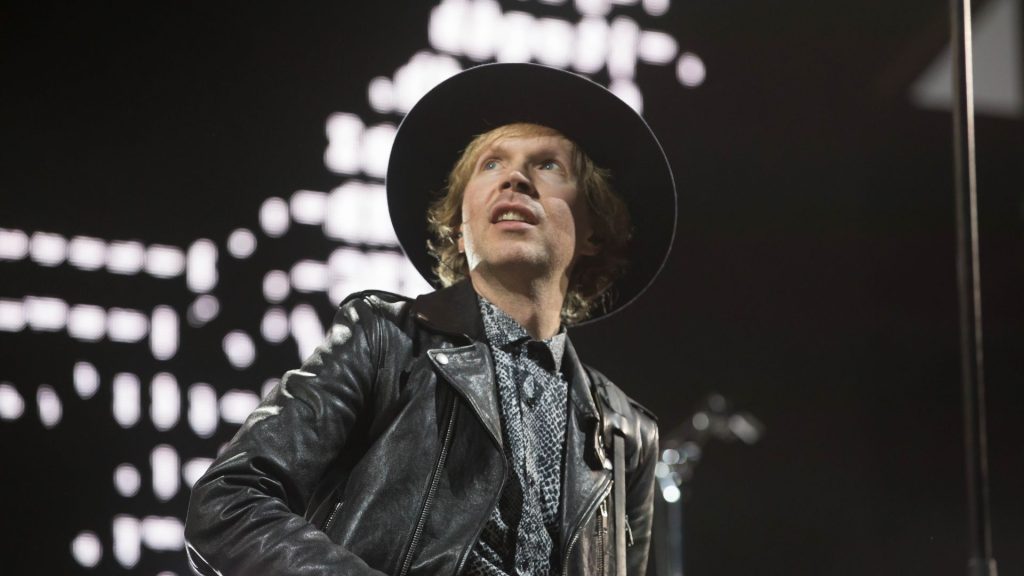
Beck’s early acoustic take on “Paint It Black” circulated on bootlegs before it received a proper release, and it’s one of those covers that succeeds precisely because it sounds almost accidental.
Recorded before Mellow Gold made him famous, the version reduces one of the Stones’ most produced songs to a single guitar and a voice. The darkness in the lyric becomes more apparent without the sitar and the driving percussion. It’s a sketch that reveals the structure underneath.
6. Hank Williams Jr. — “Honky Tonk Women” (1974)
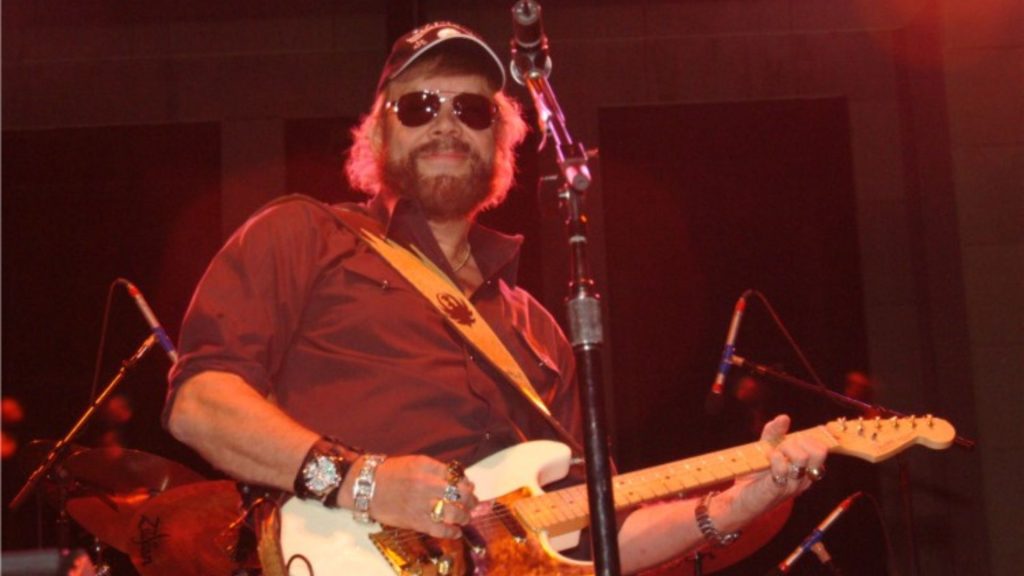
Country artists have covered the Stones with mixed results over the years, but Hank Williams Jr.’s take on “Honky Tonk Women” works because he doesn’t try to translate the song. He simply relocates it, and it turns out the song was never very far from country music to begin with.
The original has a loose, roadhouse quality that Williams emphasizes, and the result sounds less like a cover than a parallel version that happened to exist in a different musical universe.
7. Vanessa Carlton — “Paint It Black” (2002)

Singer-songwriter Vanessa Carlton released her version of “Paint It Black” on her 2002 debut album Be Not Nobody, and it’s one of the more unexpected Stones covers to find a mass audience during that era. Carlton’s piano-driven arrangement strips away the original’s sitar and replaces the driving momentum with something more atmospheric and inward.
The aggression of the Stones’ version gives way to something quieter and more unsettling, which in its own way matches the lyric’s emotional pitch. It introduced a generation of younger listeners to the song, which is about as good a result as a cover can produce.