Hollywood has always run on ambition, and ambition tends to create friction. Some of the industry’s most celebrated figures have also been its most difficult to work with, generating behind-the-scenes stories that outlast the films themselves. These aren’t rumors spread by tabloids chasing clicks. Many of these accounts come from directors, co-stars, and crew members who worked alongside these personalities firsthand. The names on this list span decades and genres, and what connects them isn’t failure but rather the complicated reality that talent and temperament don’t always travel together.
1. Marlon Brando
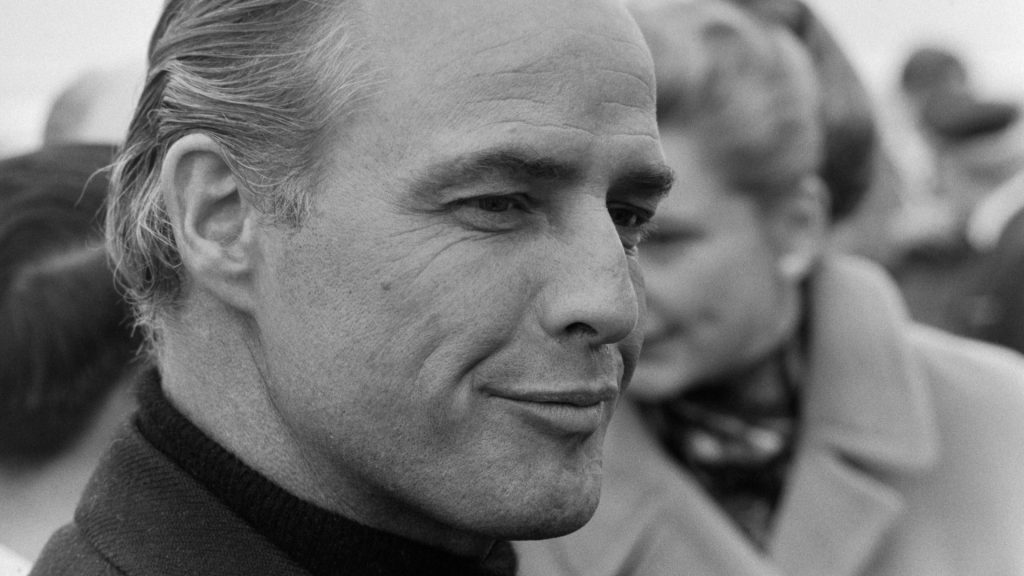
Marlon Brando rewrote the rules of screen acting, and then spent much of his later career defying everyone who tried to direct him. On the set of Apocalypse Now in 1979, Francis Ford Coppola found Brando grossly overweight, unprepared, and unwilling to memorize lines.
Cue cards were taped just off camera throughout filming. Brando also allegedly refused to share scenes with fellow cast members he found beneath him. His genius was never in question. His cooperation was another matter entirely.
2. Sharon Stone
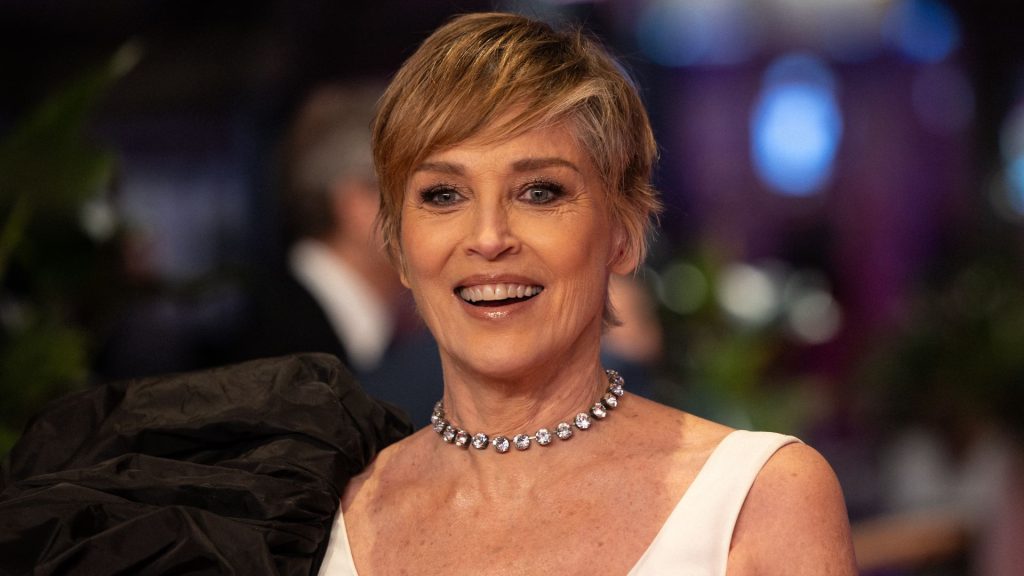
Sharon Stone earned a reputation on multiple productions for clashing with directors and co-stars alike. On Basic Instinct 2 in 2006, producers and crew reportedly struggled with erratic onset behavior. Earlier in her career, stories circulated about tense dynamics with costars on various projects.
Stone herself has addressed her reputation in interviews, framing it as a woman refusing to be pushed around in a male-dominated industry, and there’s genuine substance to that argument. The line between standing your ground and making a set hostile is one that different people draw differently.
3. Bill Murray
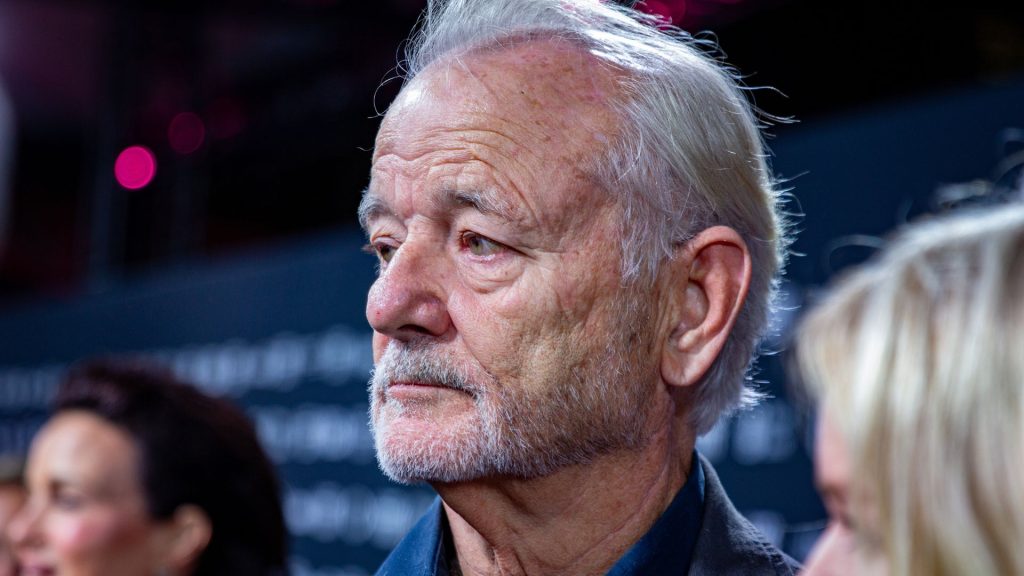
Bill Murray’s brilliance has often been paired with stories about unpredictability. One of the most widely discussed examples came from the set of Charlie’s Angels, where co-star Lucy Liu later said Murray directed insulting language toward her during filming. Liu said she confronted him because she felt the remarks were unacceptable.
Murray has also built a reputation for being difficult to reach professionally. His long-discussed use of a personal phone line rather than a conventional agent has become part of his Hollywood legend. For some collaborators, that mystery adds to his charm; for others, it can make the logistics of working with him more complicated.
4. Faye Dunaway
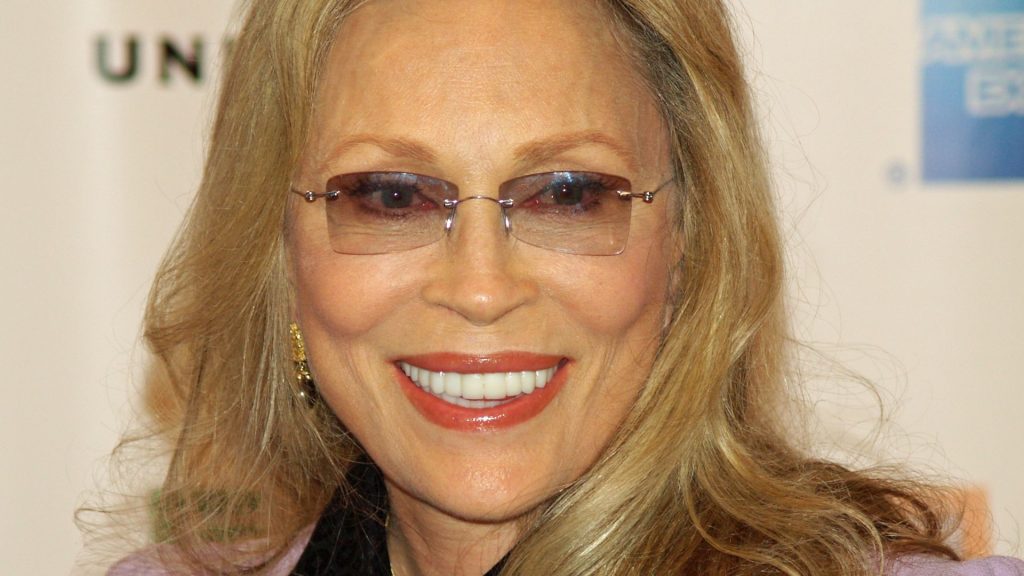
Faye Dunaway is one of the finest actresses of the 20th century, and numerous directors have said they would never work with her again. Roman Polanski, who directed her in Chinatown, has spoken candidly about the difficulty of their professional relationship.
Barbet Schroeder, who directed her in Barfly in 1987, reportedly threatened to cut off his own finger with a power drill unless the studio replaced her. Andrew Lloyd Webber publicly clashed with Dunaway during the Broadway run of Sunset Boulevard in the mid-1990s, ultimately pushing her out of the production. The pattern across decades is hard to dismiss.
5. Vin Diesel
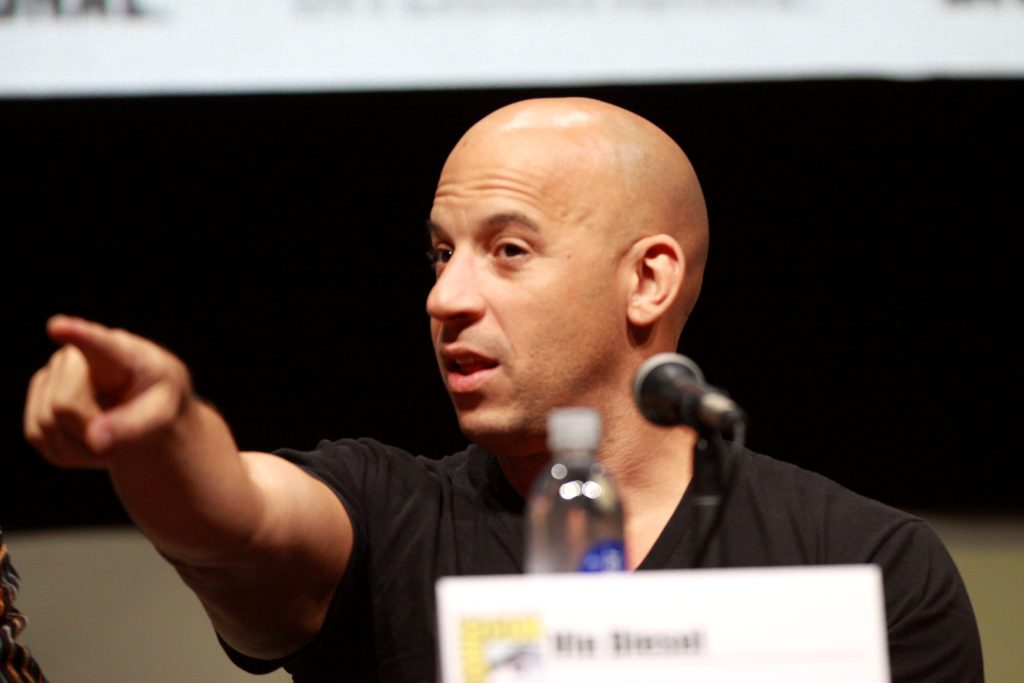
Vin Diesel’s conflicts on the Fast & Furious franchise became tabloid staples for years. Dwayne Johnson made headlines in 2016 when he criticized an unnamed male costar on social media in terms that left little doubt he meant Diesel, citing unprofessional behavior and chronic lateness to set.
Diesel has suggested his approach was a form of “tough love” to get better performances. Johnson departed the main franchise and launched the spinoff Hobbs & Shaw, which arrived in 2019. The two reportedly reconciled enough for a brief appearance together in Fast X, though the relationship has remained visibly strained.
6. Shirley MacLaine
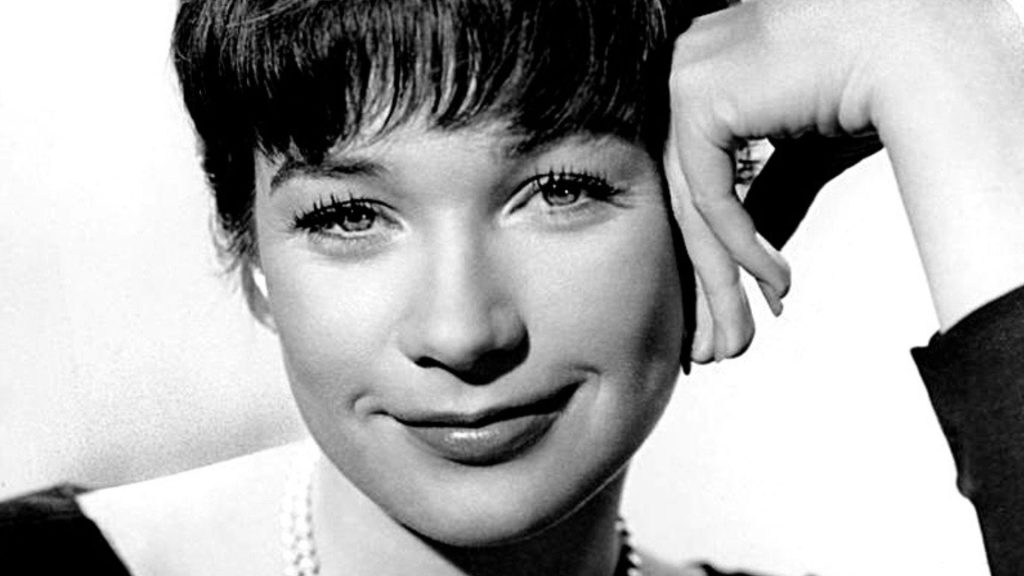
Shirley MacLaine has never been shy about making her expectations clear. Debra Winger, who starred alongside her in Terms of Endearment in 1983, described the experience in unflattering terms, and accounts from that production suggest a competitive and chilly dynamic between them.
MacLaine has clashed with directors across multiple decades, and those who know her work describe someone who holds exacting standards and makes no effort to soften that. The film won Best Picture. The relationship between the two women reportedly did not survive production.
7. Edward Norton
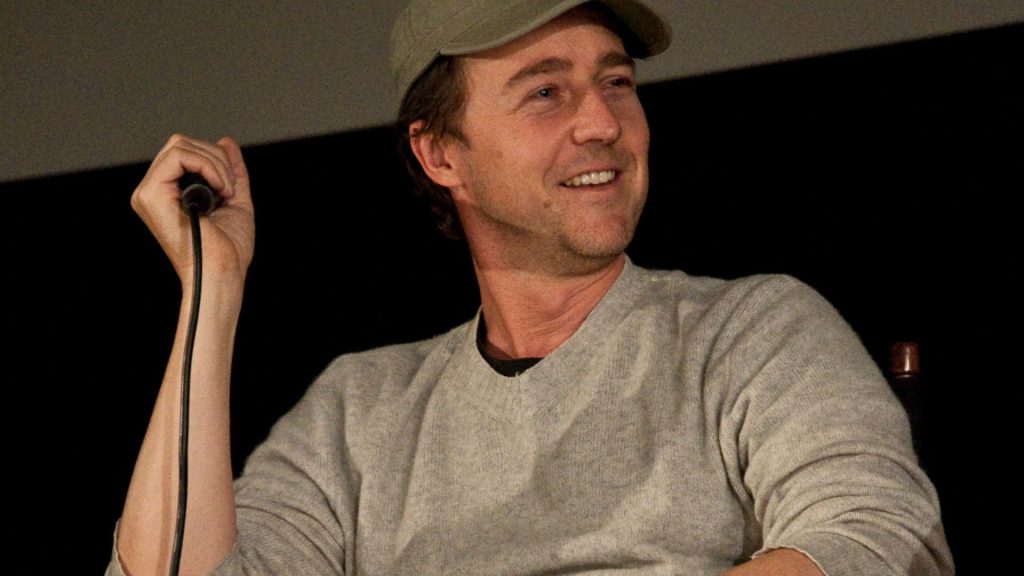
Edward Norton arrived in Hollywood with extraordinary talent and an almost immediate reputation for trying to control everything around him. On American History X in 1998, director Tony Kaye was so frustrated with Norton’s involvement in the editing process that Kaye attempted to have his own name removed from the film. Norton reportedly worked directly with the studio to shape the final cut over Kaye’s objections.
David Fincher, who directed Norton in Fight Club, has been diplomatically cool on the subject in interviews. Stories about Norton’s reputation for difficult collaborations have circulated within the industry for years, though specific sourced incidents remain hard to pin down.
8. Dustin Hoffman
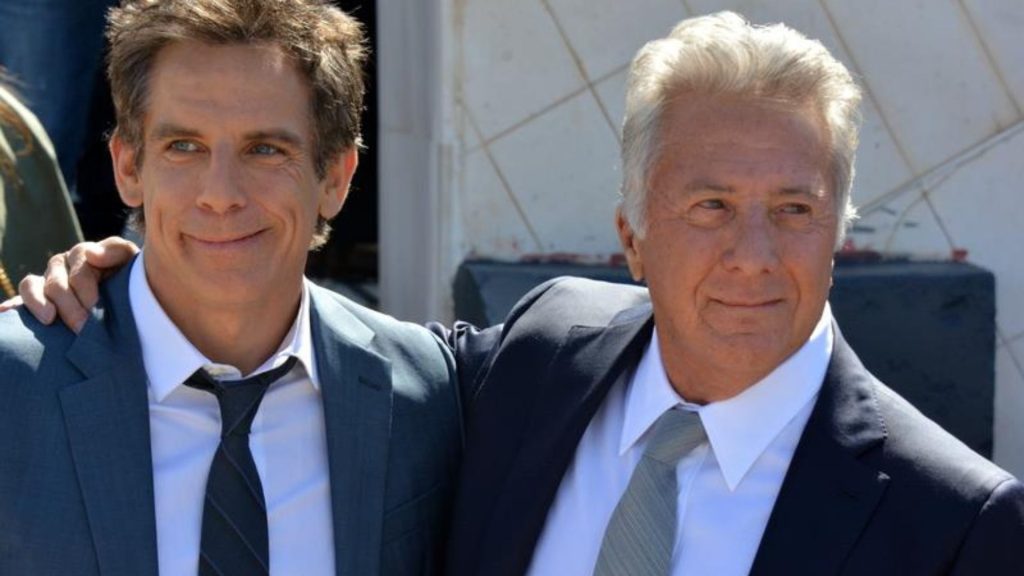
Dustin Hoffman’s commitment to his craft crossed lines on more than one occasion. During Marathon Man in 1976, he famously stayed awake for days to prepare for a scene depicting exhaustion. Laurence Olivier’s reported response, that Hoffman should try “acting, dear boy,” has become one of cinema’s most repeated anecdotes. More seriously, multiple women came forward during the 2017 reckoning to describe inappropriate behavior by Hoffman on past productions.
Anna Graham Hunter published a detailed account in The Hollywood Reporter describing incidents from the set of Death of a Salesman in 1985. The craft and the conduct have to be discussed together.
9. Katherine Heigl
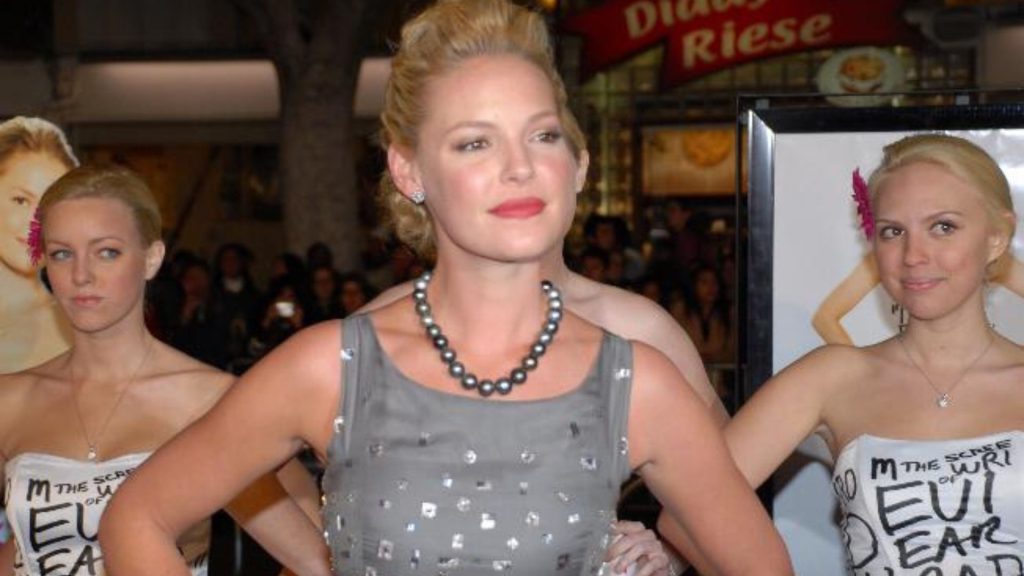
Katherine Heigl’s career became one of Hollywood’s most discussed examples of how quickly industry goodwill can shift. After starring in Grey’s Anatomy and the 2007 hit Knocked Up, she publicly withdrew herself from Emmy consideration, saying she did not feel the material she had been given that season warranted a nomination. She also later criticized Knocked Up, saying the film painted women in an unflattering way.
Those comments contributed to a difficult public narrative around Heigl, and later coverage often framed her as challenging to work with. Her momentum slowed in the early 2010s, though she has since spoken openly about the toll that period took on her career and personal life.
In later years, Heigl returned to television with roles including Samantha Wheeler on Suits during its final two seasons and Tully Hart on Firefly Lane, helping shift the conversation back toward her work rather than the “difficult” label.