Amputation carries a weight in public perception that most people never have to think about. Yet some of the most recognizable names in entertainment, sports, and public life have navigated exactly that reality, often without making it the defining headline of their careers.
Some were open about it from the start. Others quietly went about their work for years before anyone thought to ask. Here are nine celebrities whose stories deserve more than a passing footnote.
1. Viktoria Modesta
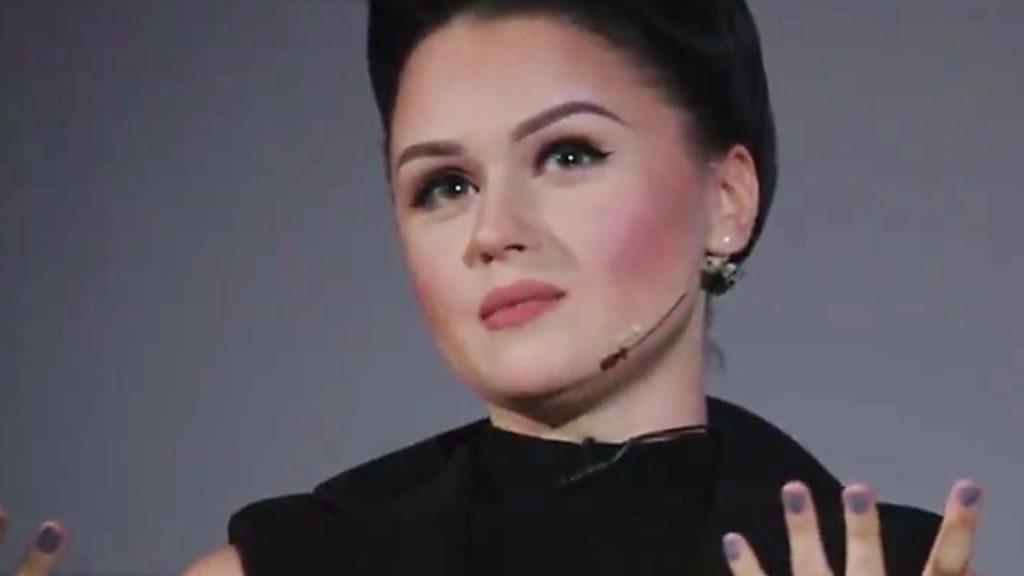
Latvian-British artist Viktoria Modesta had her left leg amputated below the knee at 20, after years of surgeries following a birth complication. Rather than stepping back from performance, she stepped forward, eventually becoming the first amputee pop artist to appear in a major UK television commercial.
Her performance as the Snow Queen at the 2012 Paralympic closing ceremony in London introduced her to millions. The prosthetics she wears on stage are custom-designed, architectural, and frequently striking enough to anchor an entire visual concept. She has been explicit about viewing her body as something to build around rather than work around.
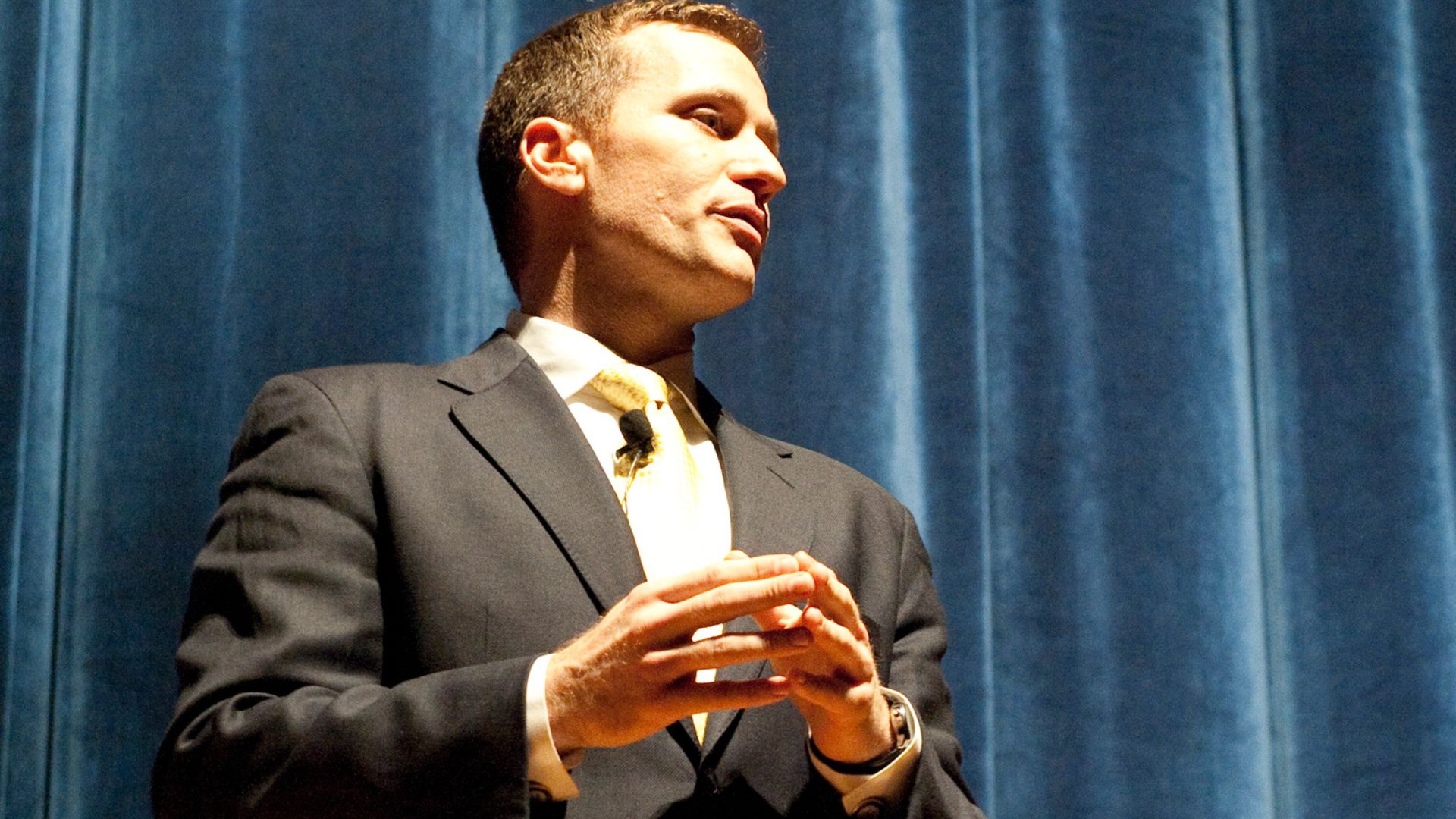
2. Eric Greitens
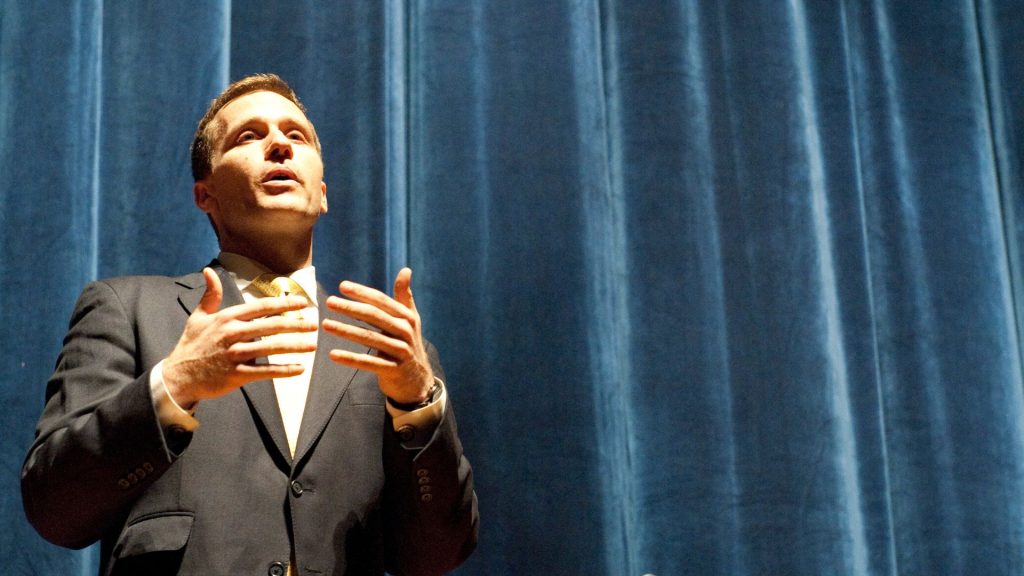
Before his political career in Missouri, Eric Greitens was a Navy SEAL and Rhodes Scholar. He lost partial use of his right hand during a training accident, though the full extent of his injuries was not widely reported during his time as governor.
Greitens has spoken about physical resilience extensively, both through his nonprofit work with veterans and in his writing. His memoir, “The Heart and the Fist,” touched on endurance under physical hardship, though he kept the specifics of his own injuries relatively private.
3. Aimee Mullins
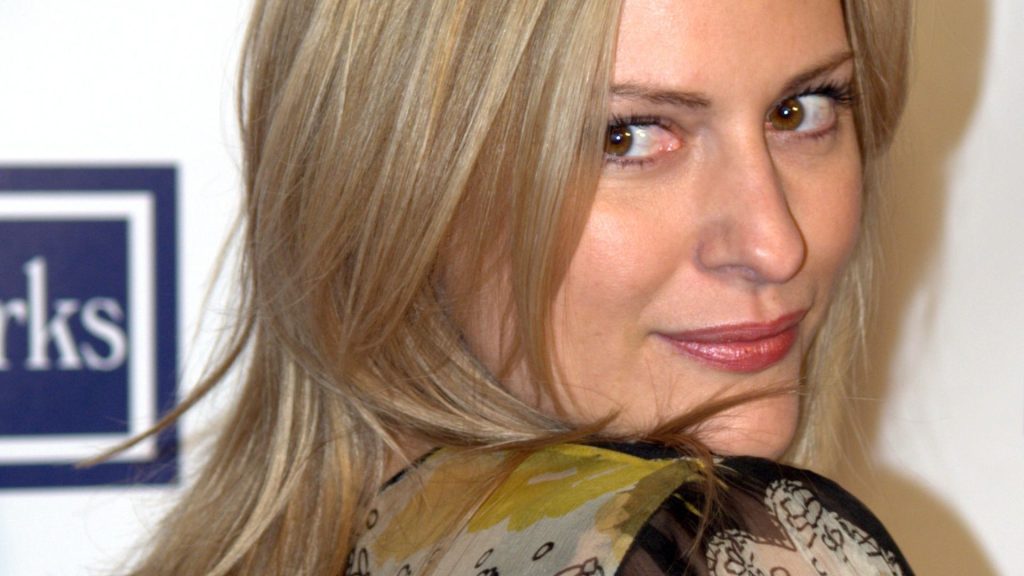
Aimee Mullins was born without fibulas and had both legs amputated below the knee before her first birthday. She went on to compete in the 1996 Paralympics, set three world records, and then built a second career entirely in modeling and acting.
She appeared in Matthew Barney’s Cremaster Cycle, walked the runway for Alexander McQueen wearing hand-carved wooden prosthetic legs, and later became a global brand ambassador for L’Oréal. Mullins has given one of the more watched TED Talks on the subject of ability and identity, arguing that the word “disabled” itself does more harm than the condition it describes.
4. Heather Mills
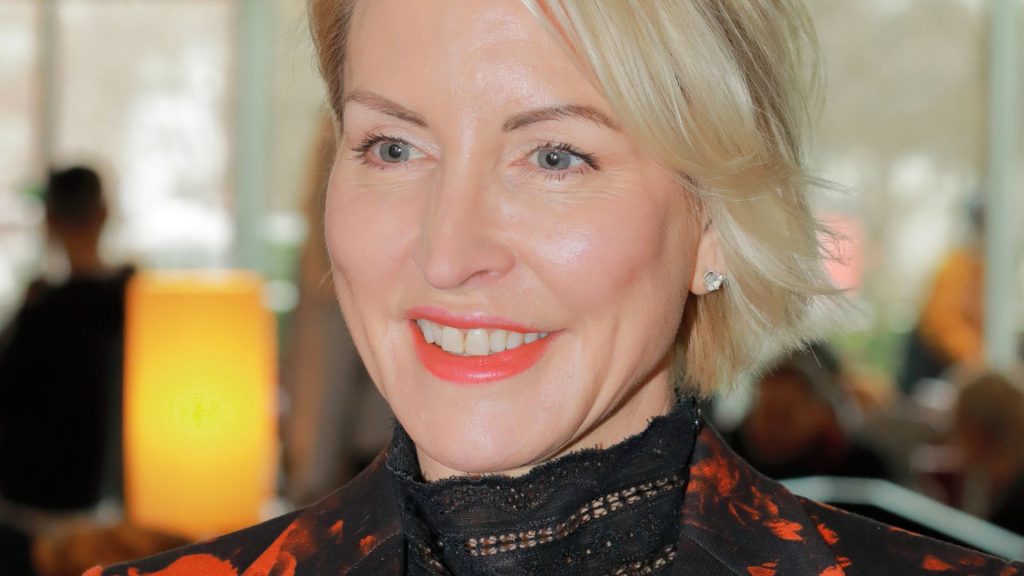
Heather Mills lost her left leg below the knee in 1993 after a police motorcycle struck her on a London street. At the time, she was a model and humanitarian activist.
She later married Paul McCartney, and the subsequent divorce drew far more tabloid coverage than her decades of advocacy work for landmine victims, much of it done on a prosthetic leg she has occasionally removed and placed on a table for emphasis during public appearances. She competed on Dancing With the Stars in 2007, finishing seventh out of eleven contestants.
5. Kirstie Ennis
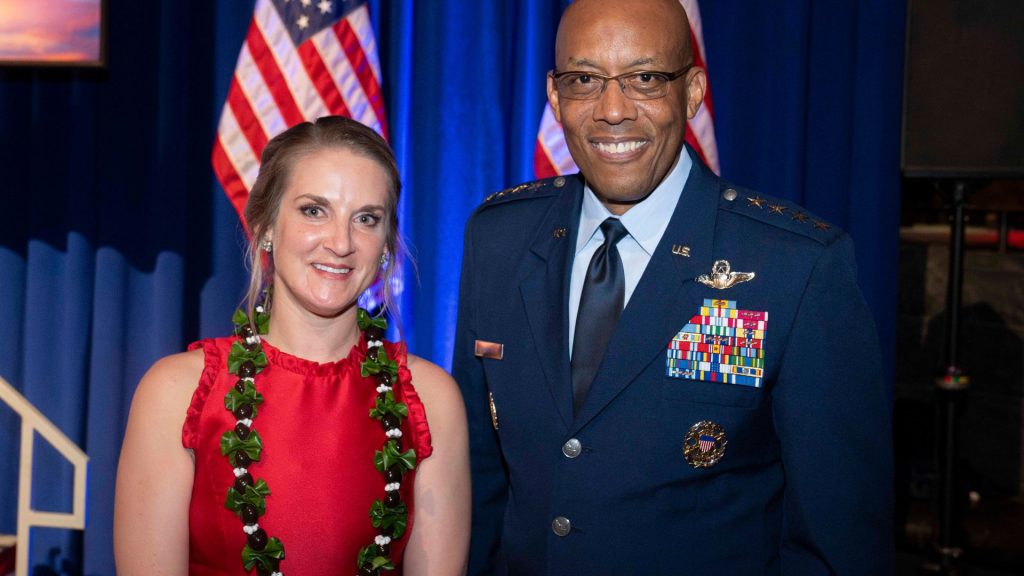
Former Marine Sergeant Kirstie Ennis survived a helicopter crash in Afghanistan in 2012 that left her with severe injuries, ultimately resulting in the above-the-knee amputation of her left leg. She went on to compete in adaptive sports at a high level, summiting the seven highest peaks on each continent and completing a 1,000-mile walk across Britain.
Ennis has also worked as a model and appeared in ESPN’s Body Issue, and has been direct in interviews about the psychological and physical demands of recovery, which tend to get less coverage than the more triumphant arc of her story.
6. Paddy Ashdown
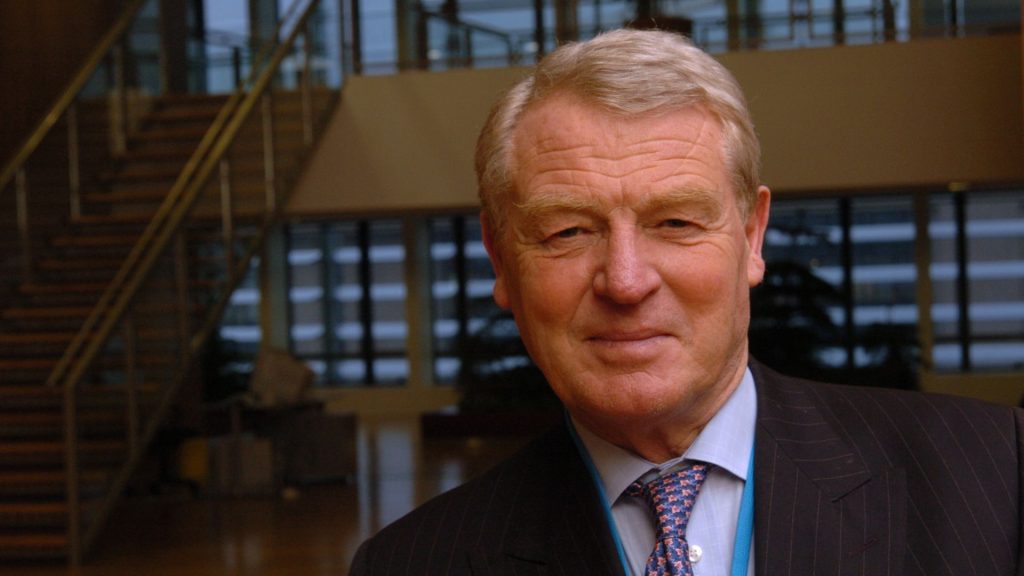
British politician Paddy Ashdown, the former leader of the Liberal Democrats who died in 2018, had a finger amputated following an injury during his time in the Special Boat Service.
It rarely came up in political coverage, which spent far more time on his diplomatic work in Bosnia and his attempts to hold together coalition negotiations. The physical detail was simply not considered part of his public story, which says something about how selective media attention tends to be when covering figures with power.
7. Alex Minsky
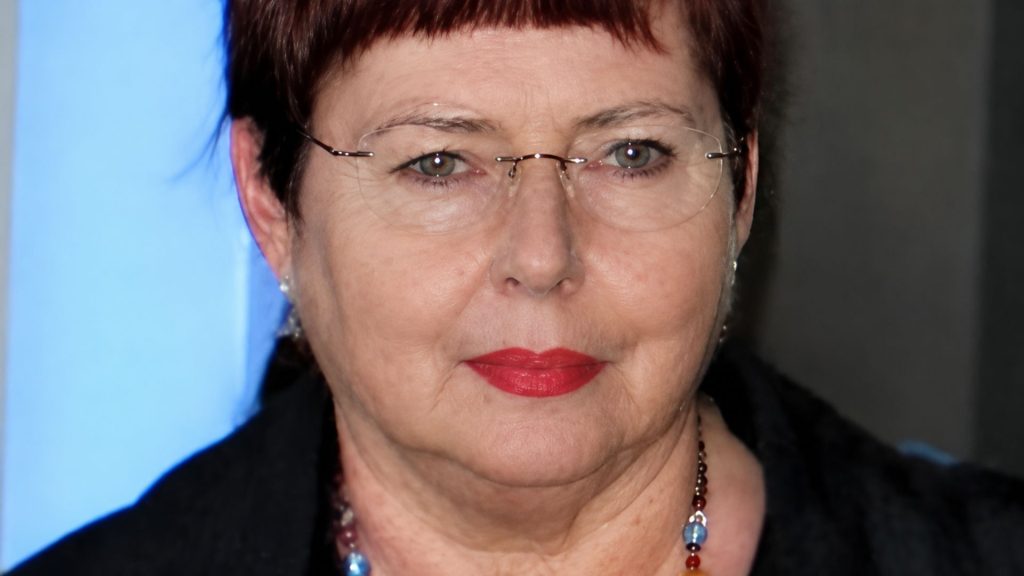
Alex Minsky, a former Marine and model, lost his right leg above the knee after his vehicle struck an IED in Afghanistan in 2009. He was 20 at the time. During recovery, he struggled with depression and alcohol before a photographer named Tom Cullis approached him at the gym and encouraged him to start modeling.
He has appeared in major campaigns and has been direct in interviews about the psychological difficulty of the years following his injury, which tends to get glossed over in the more triumphant version of his story.
8. Bethany Hamilton
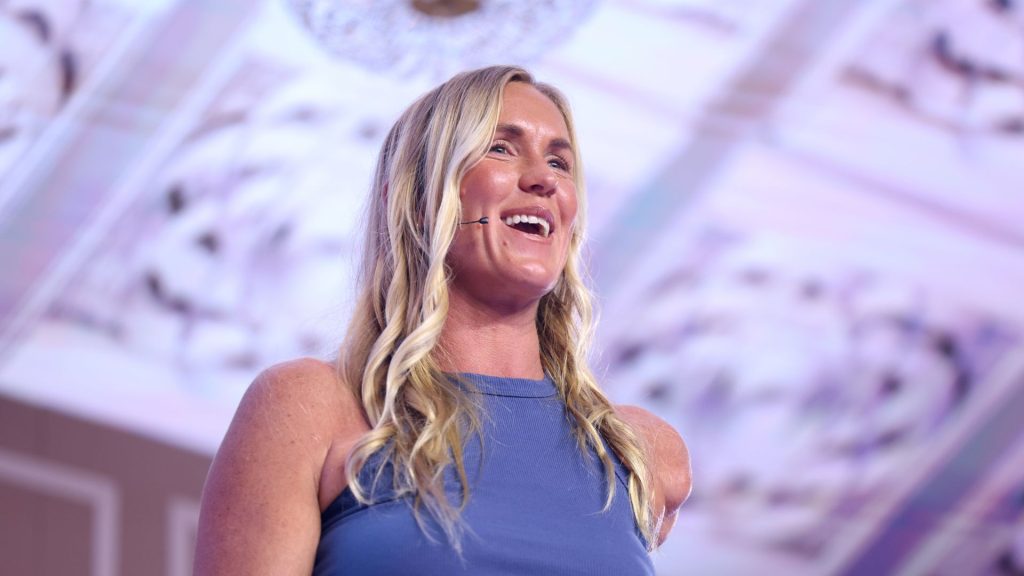
Bethany Hamilton lost her left arm at 13 when a tiger shark attacked her while she was surfing off the coast of Kauai in 2003. She was back on a board within a month. By 2004 she had returned to competition. She later turned professional and has continued competing at an elite level for more than two decades.
The 2011 film “Soul Surfer” dramatized the attack and recovery. What gets less coverage is her career longevity: Hamilton was still surfing competitively in 2025, raising a family and training between events, which is a more interesting story than the attack itself.
9. Katy Sullivan
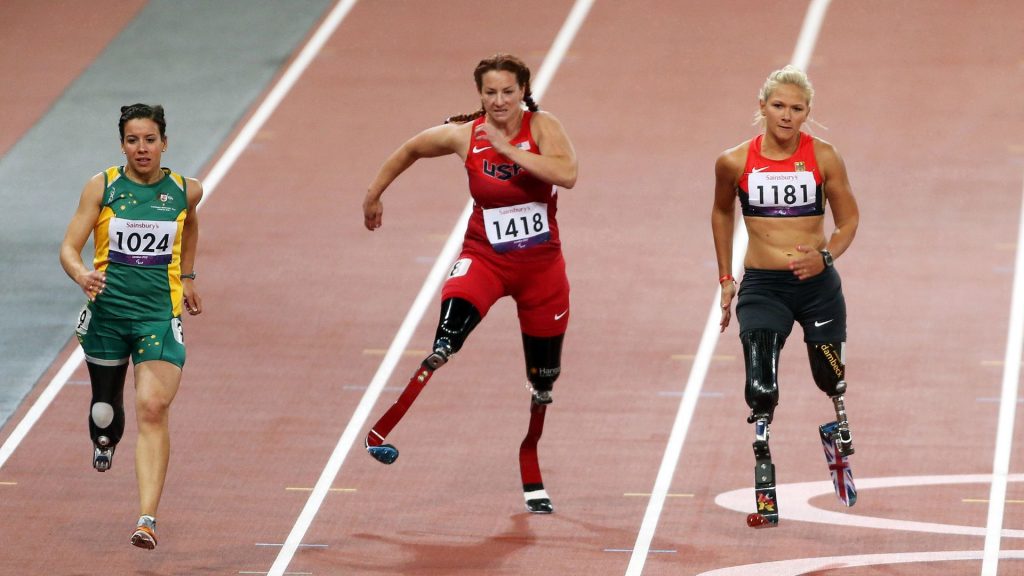
Actress and Paralympic sprinter Katy Sullivan was born without lower legs and has used prosthetics her entire life. She competed in the 2012 Paralympics in London, finishing sixth in the world in the 100 meter sprint and setting an American record in the process. She covered the 2016 Rio Paralympic Games as a sports analyst for NBC.
Her acting career has included recurring television roles, and she has been vocal about the lack of disabled characters played by disabled actors in Hollywood. Sullivan has pointed out that the industry’s habit of casting able-bodied actors in disabled roles removes both representation and employment from people with actual lived experience, an argument that has gained more traction in recent years.