Some bands sell out arenas for decades and still can’t escape the argument about whether they’re genuinely great or just popular.
Popularity and critical respect don’t always travel together, and with certain acts, the gap between devoted fans and outspoken detractors is wide enough to drive a tour bus through. These eight bands have built massive careers while consistently splitting opinion down the middle.
1. Nickelback

No band in recent memory has absorbed more cultural mockery than Nickelback, yet the Canadian rock group has sold over 50 million albums worldwide. Their post-grunge sound, built around Chad Kroeger’s gravelly vocals and radio-ready hooks, became so commercially dominant in the early 2000s that a backlash was almost inevitable.
Critics have long dismissed them as formulaic, but songs like “How You Remind Me” and “Photograph” still fill bars when they come on. The derision became a meme long before anyone was really sure why it started.
2. Coldplay
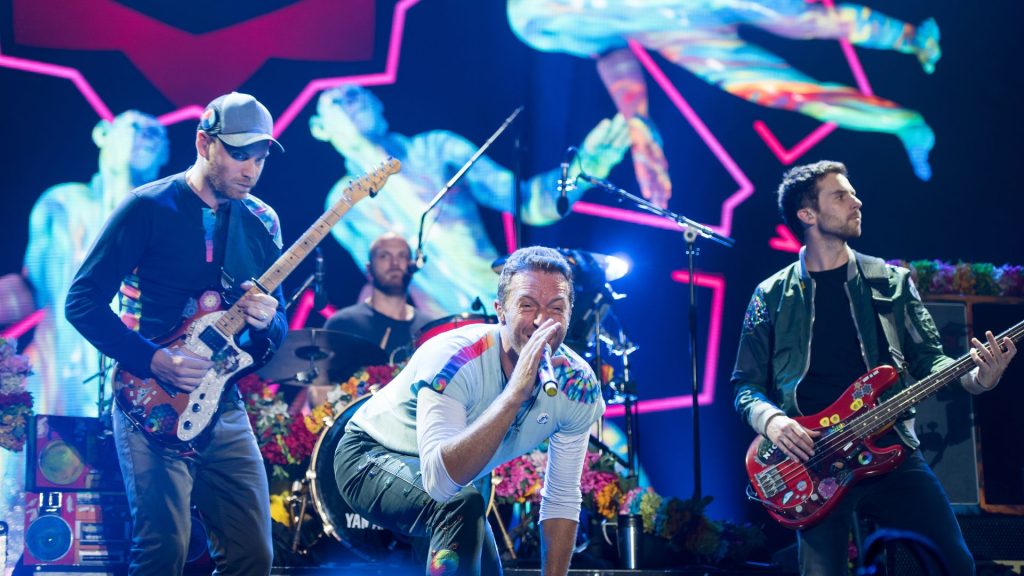
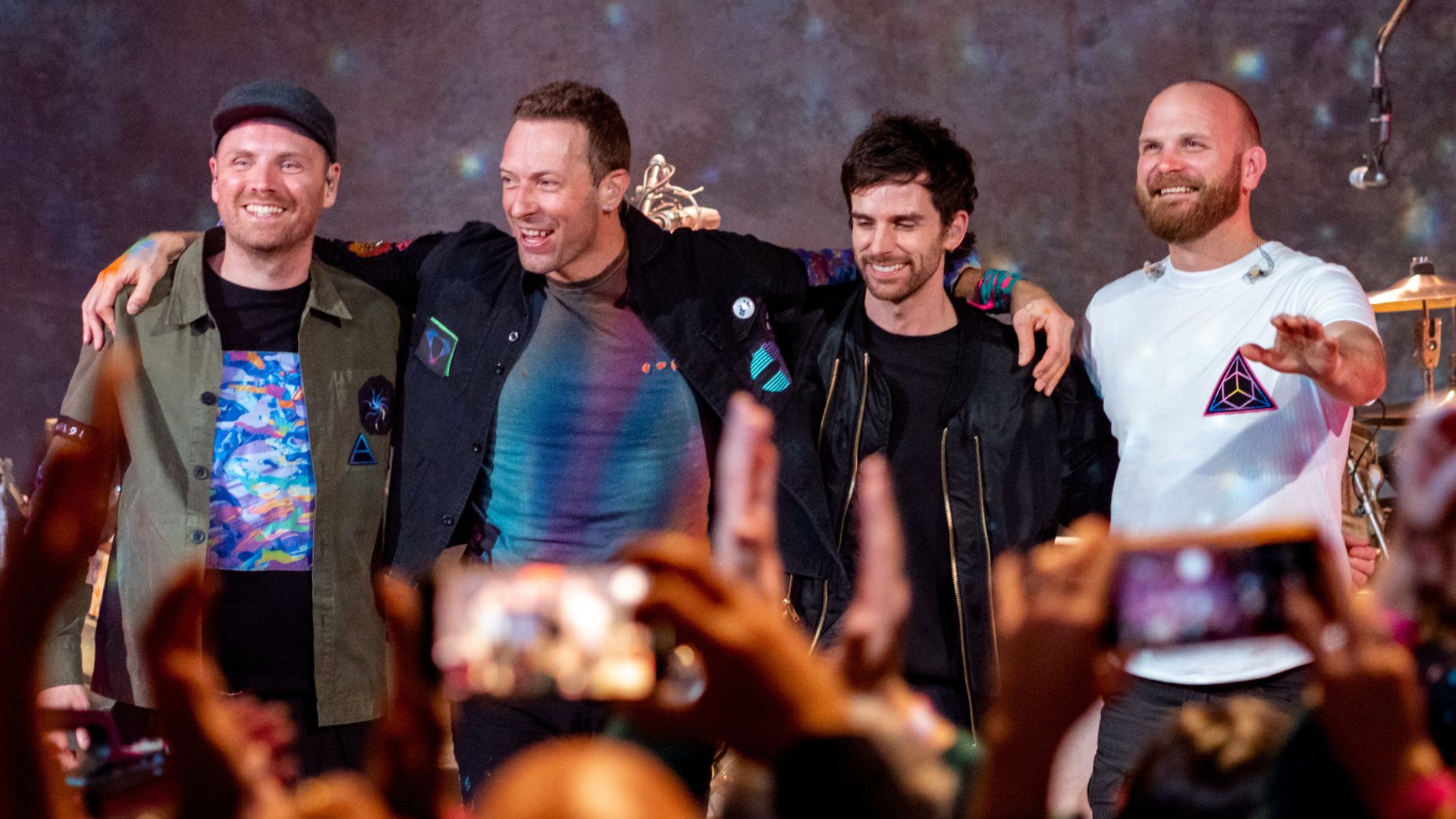
Coldplay occupies a strange position: one of the best-selling acts in history, yet consistently treated as background music by a certain segment of music fans. Chris Martin and the band have released anthems that stadiums across the world have sung back at full volume, from “The Scientist” to “Yellow” to “A Sky Full of Stars.”
The criticism tends to revolve around a perceived blandness, a softness that some listeners find comforting and others find empty. Their 2022 and 2026 tour runs both broke attendance records, which settles at least part of the argument.
3. U2
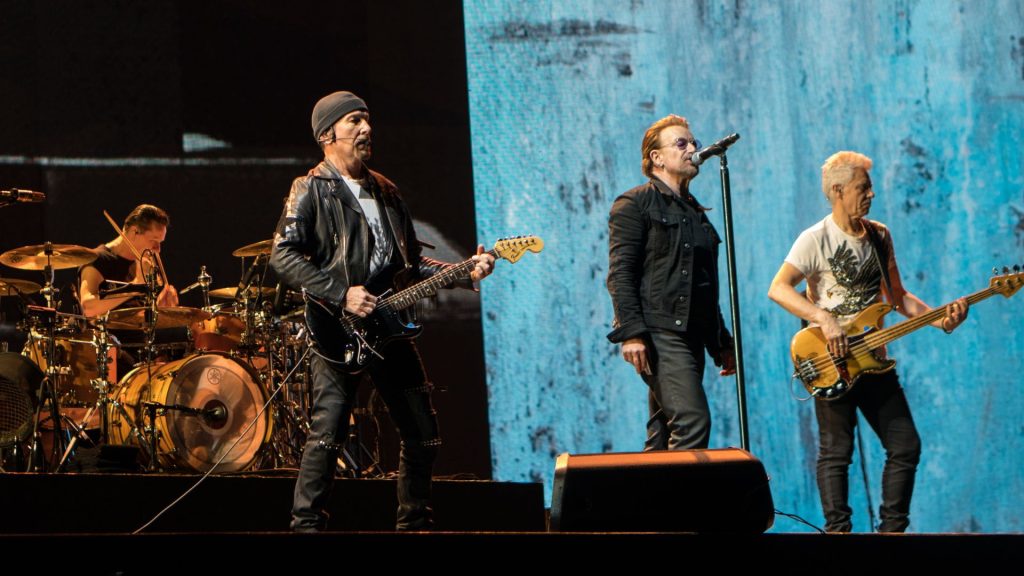
Few bands have inspired more eye-rolls per Grammy than U2. Bono’s public persona, earnest to the point of parody, has made the band an easy target for decades. The 2014 forced iTunes album drop, where “Songs of Innocence” appeared in hundreds of millions of Apple accounts without consent, genuinely annoyed people who had never thought twice about the band before.
Still, “Achtung Baby” is widely considered one of the great rock albums, and their live shows remain a serious production. The music and the image have always pulled in different directions.
4. Metallica
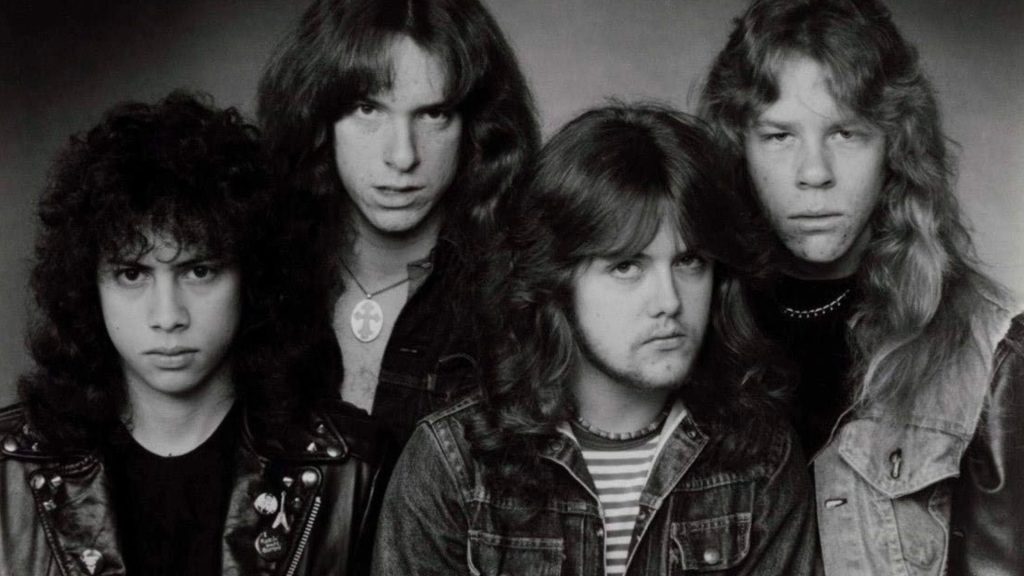
Metallica built their reputation on uncompromising thrash metal, so the backlash when “The Black Album” arrived in 1991 was real and lasting. Longtime fans felt the band had traded aggression for accessibility, and the Napster lawsuit in 2000 added a layer of resentment that some corners of the internet still haven’t let go.
At the same time, “Master of Puppets” sits on virtually every serious list of the greatest metal records ever made. The tension between the early catalog and the later commercial success defines how people talk about them.
5. The Eagles
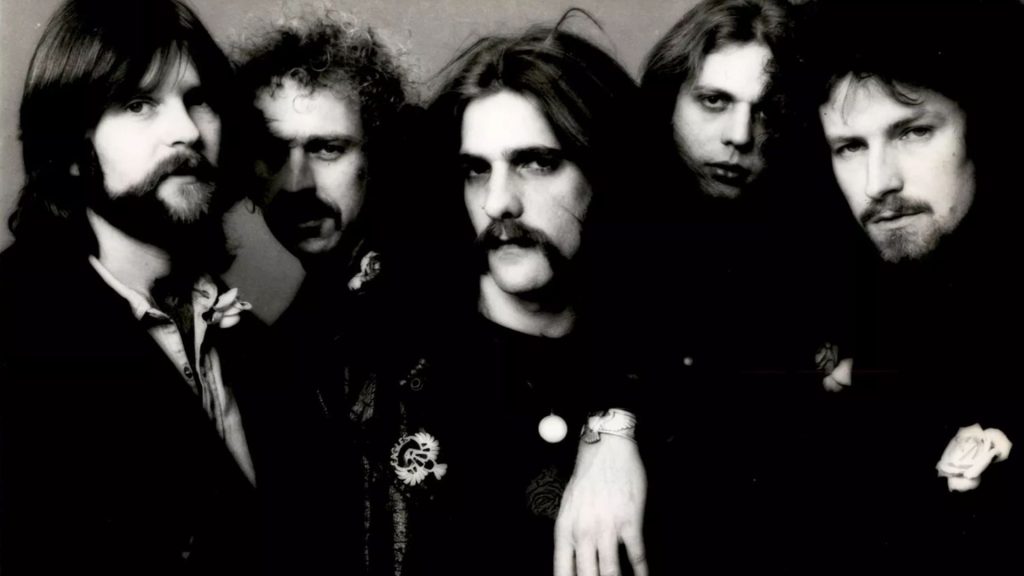
The Eagles are the subject of one of rock’s more famous feuds with a critic: the late Glenn Frey and Don Henley had a very public contempt for those who dismissed their sound as overproduced country-rock. “Hotel California” has been called both a masterpiece and overplayed to the point of meaninglessness, sometimes by the same person.
Their 1994 reunion tour, one of the highest-grossing in history at the time, proved the audience was there regardless of what the critics thought. The detractors tend to focus on a certain slickness in the production that makes the music feel engineered rather than felt.
6. Imagine Dragons
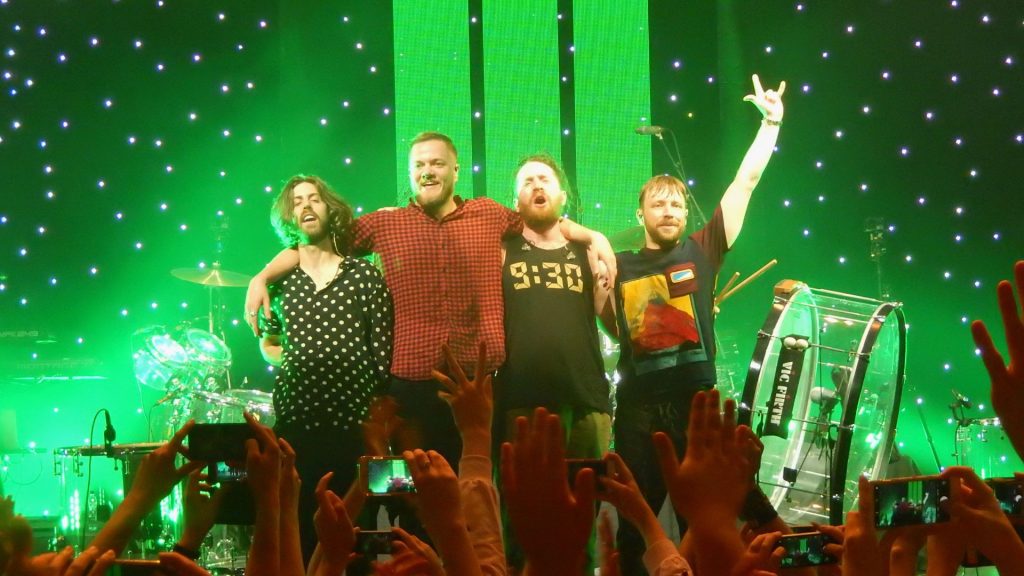
Imagine Dragons became one of the most streamed bands of the 2010s while also becoming a reliable punchline among rock purists. Dan Reynolds’ vocal style and the band’s arena-ready sound drew accusations of being calculated rather than organic.
“Radioactive” alone accumulated billions of streams, and their music has been licensed so widely that it’s become almost synonymous with certain film trailers. The criticism has always been that the emotion feels borrowed rather than lived-in, which is a hard charge to shake once it sticks.
7. Maroon 5
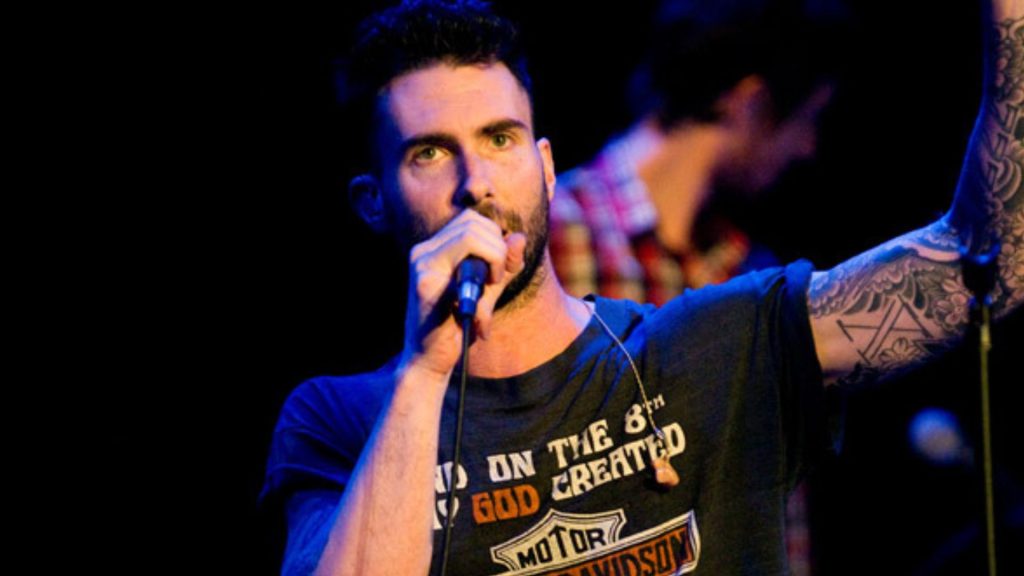
Maroon 5 circa 2002, when “Songs About Jane” came out, had genuine soul credibility. Adam Levine’s falsetto sat over a funky, Stevie Wonder-adjacent groove that critics actually praised. What followed over the next two decades was a gradual pivot toward pure pop that alienated much of that early audience.
“Payphone,” “Sugar,” and “Girls Like You” were enormous hits and almost unrecognizable as the work of the same band. The split between fans of the early material and casual pop listeners is essentially permanent at this point.
8. Radiohead

Radiohead draws the opposite kind of division from most bands on this list. Rather than being too accessible, the argument against them is that the music is cold, deliberately difficult, and more interested in alienating listeners than connecting with them. “OK Computer” and “Kid A” both receive near-universal critical praise, but plenty of general listeners find the catalog joyless.
Thom Yorke’s vocal style alone has a way of sorting audiences. The band’s defenders tend to be extremely vocal, which has given Radiohead a reputation for having an insufferable fanbase, fair or not.
What the Divide Really Says

The bands that attract the most divided reactions tend to be the ones that hit some kind of cultural nerve, either by being too big, too strange, too earnest, or too willing to change.
Commercial success invites suspicion, and any band that crosses into mainstream territory risks losing the audience that found them first. Mixed reactions aren’t necessarily a sign that something is mediocre. Sometimes they mean the music is actually doing something worth arguing about.