Rock music has never been a genre that handed anyone a seat at the table. The women who carved out space in it did so by being louder, stranger, more committed, or more talented than anyone who tried to push them aside. Some rewrote what a rock frontwoman could sound like.
Others changed what the music itself could be. This list covers eight of them, not the eight most famous women in rock (though some certainly qualify), but eight who actually shifted what the genre looked like after they arrived.
1. Janis Joplin
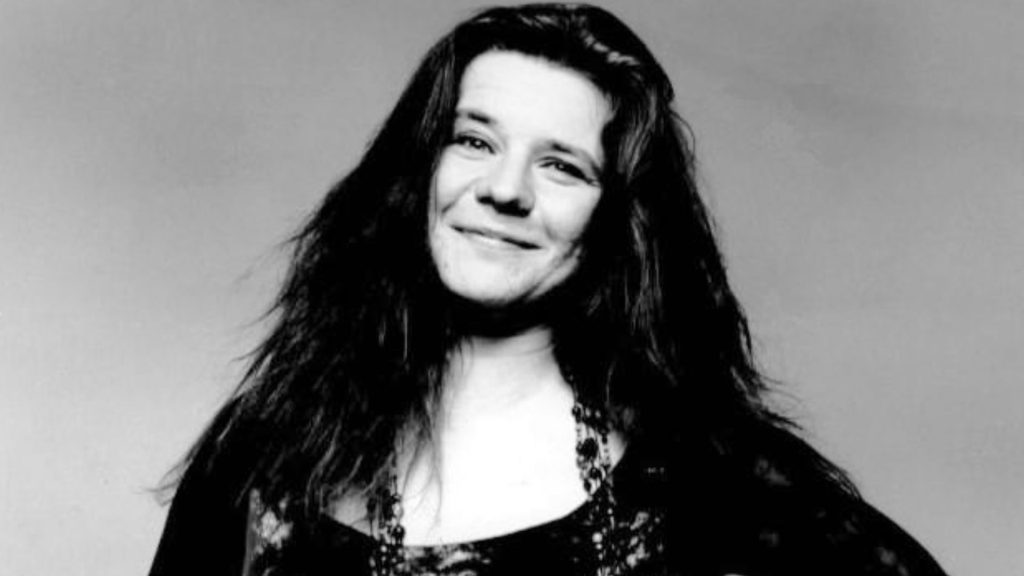
Janis Joplin sang like she had nothing left to lose, and in many ways, that was the whole point. Coming out of Port Arthur, Texas, she arrived in San Francisco in the mid-1960s and fronted Big Brother and the Holding Company before going solo.
Her voice was raw, bluesy, and almost uncomfortably exposed. Tracks like “Piece of My Heart” and “Cry Baby” were performances more than songs. She died in 1970 at 27, but her influence on female vocalists in rock is still felt whenever someone prioritizes emotional honesty over technical polish.
2. Patti Smith
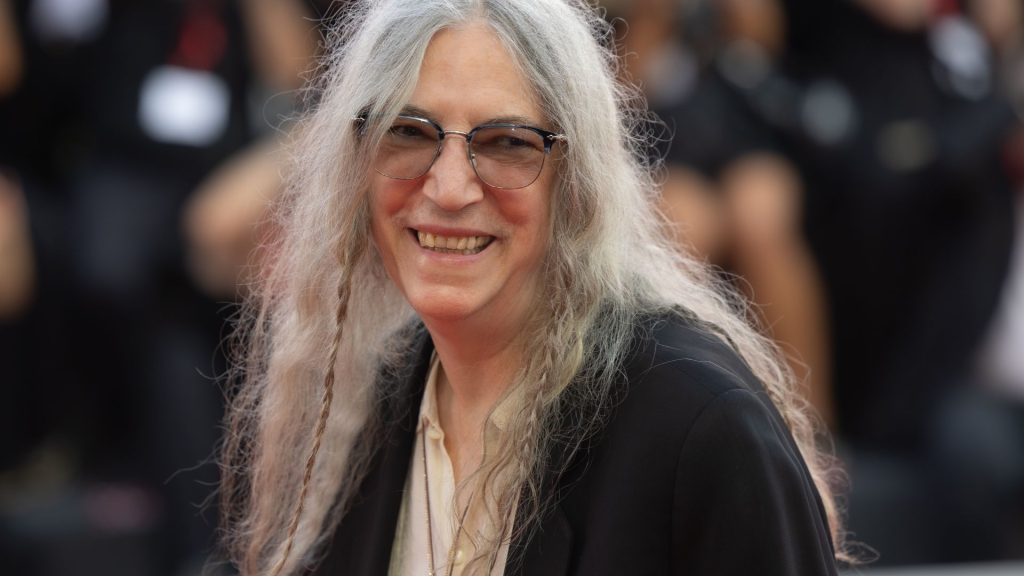
Patti Smith was a poet before she was a rock musician, and she never really stopped being one. Her 1975 debut Horses opened with a reinterpretation of Van Morrison’s “Gloria” that announced she was playing by different rules. Smith connected punk, poetry, and visual art into something that didn’t fit neatly anywhere.
She gave permission to an entire generation of artists to lead with intellect and refusal rather than spectacle. That still matters.
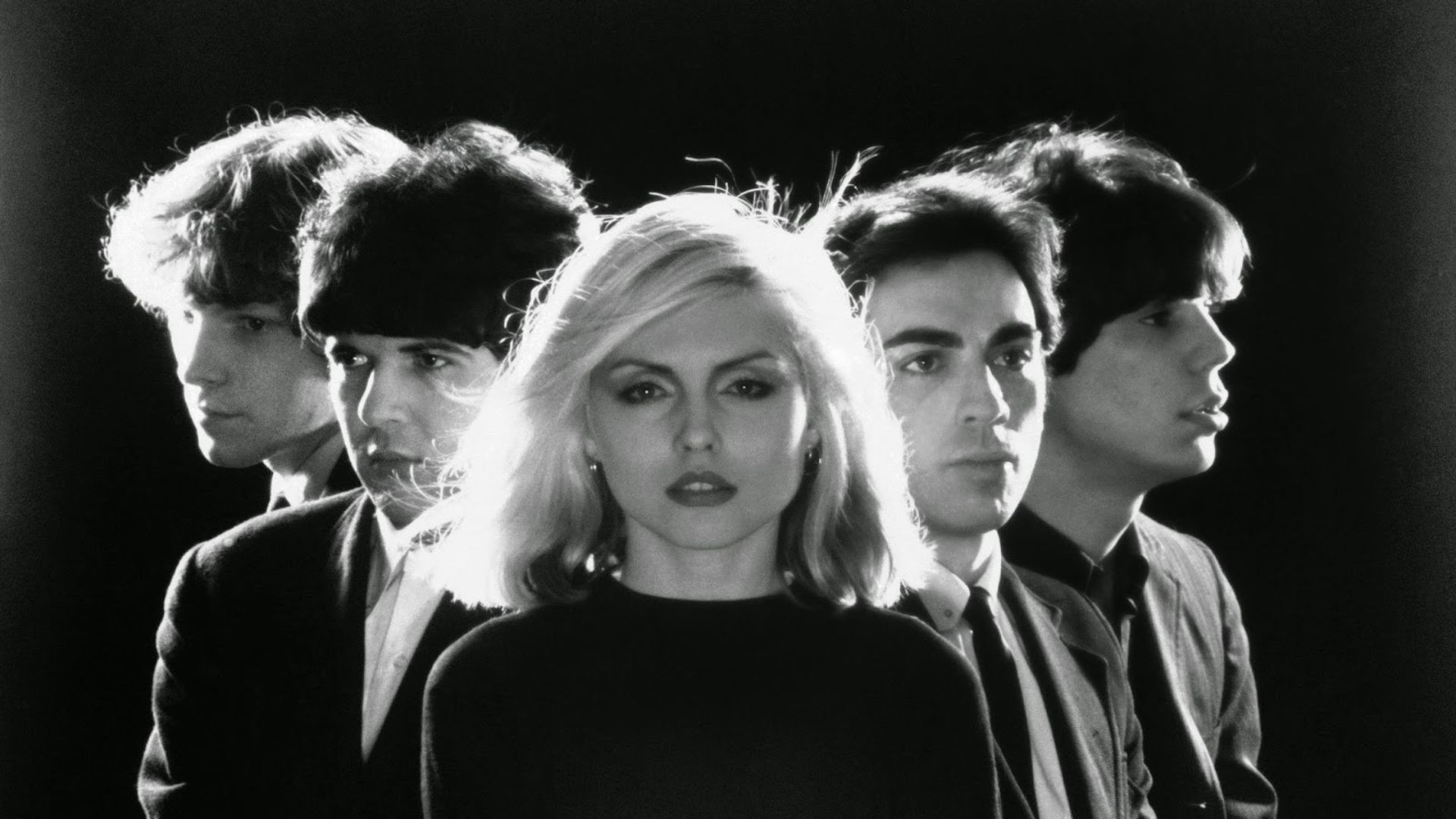
3. Debbie Harry
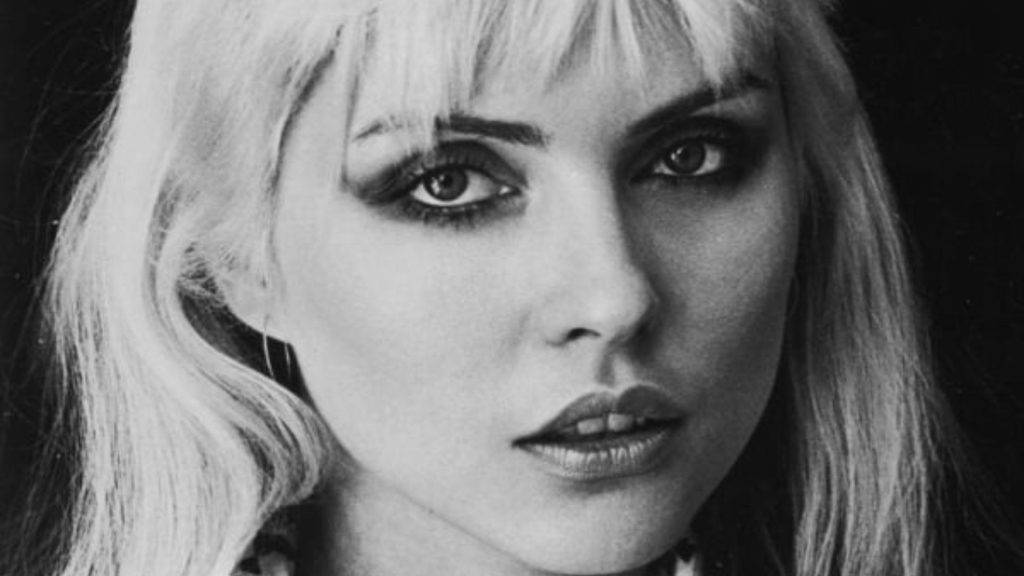
Debbie Harry made Blondie one of the most commercially successful acts of the late 1970s and early 1980s, but she also quietly broke down a wall.
As a woman fronting a rock band that absorbed new wave, punk, disco, and eventually hip-hop, she moved across genres without losing her edge. “Heart of Glass” and “Rapture” charted massive, but Harry’s image and delivery, detached, slightly dangerous, entirely in control, shifted what female rock stardom could look like.
4. Joan Jett

Joan Jett got dropped by 23 record labels before “I Love Rock ‘n’ Roll” became one of the best-selling singles of 1982. She had already spent years with The Runaways, a teenage all-female rock band that was either dismissed as a gimmick or taken seriously depending on who was watching.
Jett founded her own label, Blackheart Records, and proceeded to prove every rejection wrong. The stubbornness was the point. She made a career out of not needing anyone’s approval.
5. Stevie Nicks
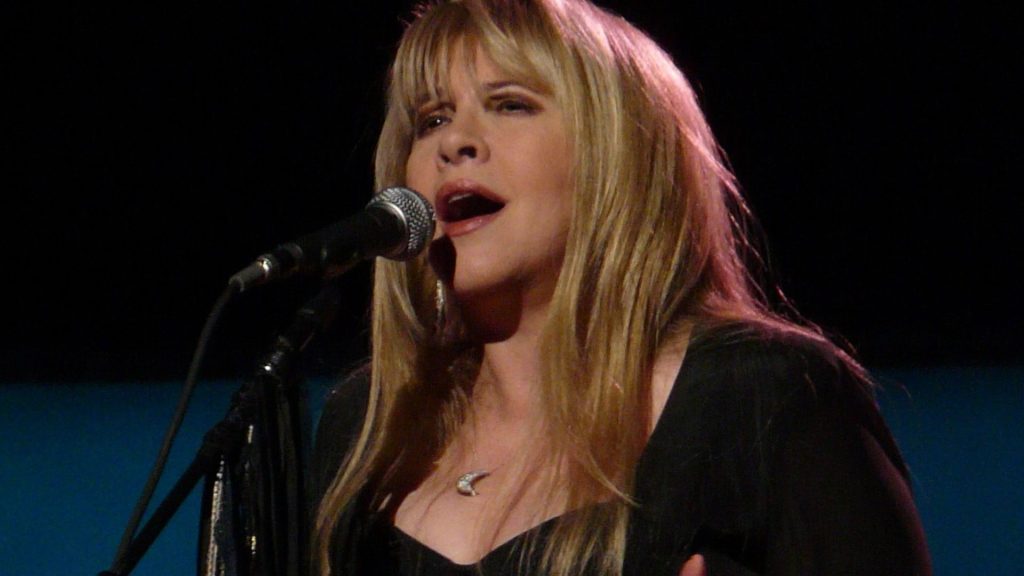
Stevie Nicks brought something to rock that the genre didn’t always welcome: mysticism, romanticism, and a voice that worked on feeling rather than force. As part of Fleetwood Mac and as a solo artist, she wrote songs that were unabashedly emotional without being soft.
“Gold Dust Woman,” “Edge of Seventeen,” “Sara”, these are songs built around imagery and atmosphere. Nicks became one of the few artists inducted into the Rock and Roll Hall of Fame twice, once with Fleetwood Mac in 1998 and again as a solo artist in 2019.
6. Courtney Love

Courtney Love is a complicated figure, and that’s part of what makes her legacy worth examining. Hole’s 1994 album Live Through This arrived the same week as Kurt Cobain’s death and still managed to stand entirely on its own. It was a furious, melodic, and brutally self-aware record that got buried under tabloid coverage at the time. Twenty-plus years later, it holds up better than most of what surrounded it.
Love never got credit proportional to her talent, which turned out to be a recurring story for women in 1990s alternative rock.
7. PJ Harvey

Polly Jean Harvey has spent over three decades refusing to repeat herself. From the raw, blues-drenched guitar of her early 1990s work to the orchestral, war-examining Let England Shake in 2011, she has consistently moved toward whatever she finds interesting rather than what consolidates an audience.
She won the Mercury Prize twice, a record, and has never made the same album twice. In a genre that rewards consistency, that kind of restlessness is rare.
8. Liz Phair

Liz Phair self-released Exile in Guyville in 1993 as a track-by-track response to the Rolling Stones’ Exile on Main St. The ambition alone would have been notable. The album itself was something else: quietly radical, sexually frank, lo-fi in recording but sharp in observation.
Phair wrote about desire, frustration, and domesticity with a specificity that felt closer to a short story than a rock record. The album’s reputation has only grown. A 30th anniversary reissue in 2023 introduced it to a new generation, and the response confirmed it as a genuine landmark.
What They Built

These eight women didn’t arrive in the same era or come from the same corner of rock. What connects them is that each one left the genre genuinely different from how she found it. The template for a rock musician, the image, the sound, the range of acceptable emotion, expanded because of what they did. That expansion is still ongoing.
Artists working now, across indie, alternative, and hard rock, are building on a foundation that these women helped lay, whether or not they always get the credit for it.