Faith has always had a complicated relationship with Hollywood. The entertainment industry tends to celebrate reinvention, but when celebrities announce they’ve become born-again Christians, the reaction is often skepticism, curiosity, or outright mockery.
Some of these conversions didn’t stick. Others genuinely reshaped careers and public personas in ways nobody predicted. The eight stories below range from quietly profound to headline-grabbing, and a few are more complicated than the simple redemption narratives that typically get told about them.
1. Bob Dylan
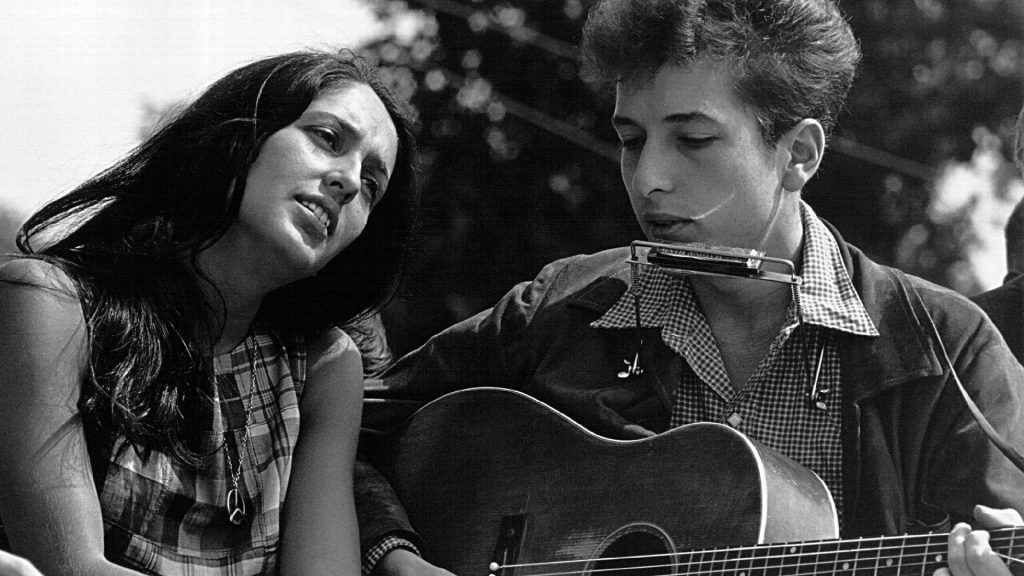
Bob Dylan’s 1979 conversion to born-again Christianity blindsided a fanbase that had spent years treating him as a secular prophet. He released three consecutive gospel albums, Slow Train Coming, Saved, and Shot of Love, and during his 1979-1980 tours he refused to play his older catalogue. Audiences booed.
Critics were baffled. Dylan was unapologetic. Slow Train Coming won him his first Grammy, the inaugural award for Best Male Rock Vocal Performance, for the single “Gotta Serve Somebody.” His faith shifted again in later years, and he has since identified with his Jewish heritage, but those three years produced some of the most committed religious music any major rock artist has ever recorded.
2. Alice Cooper
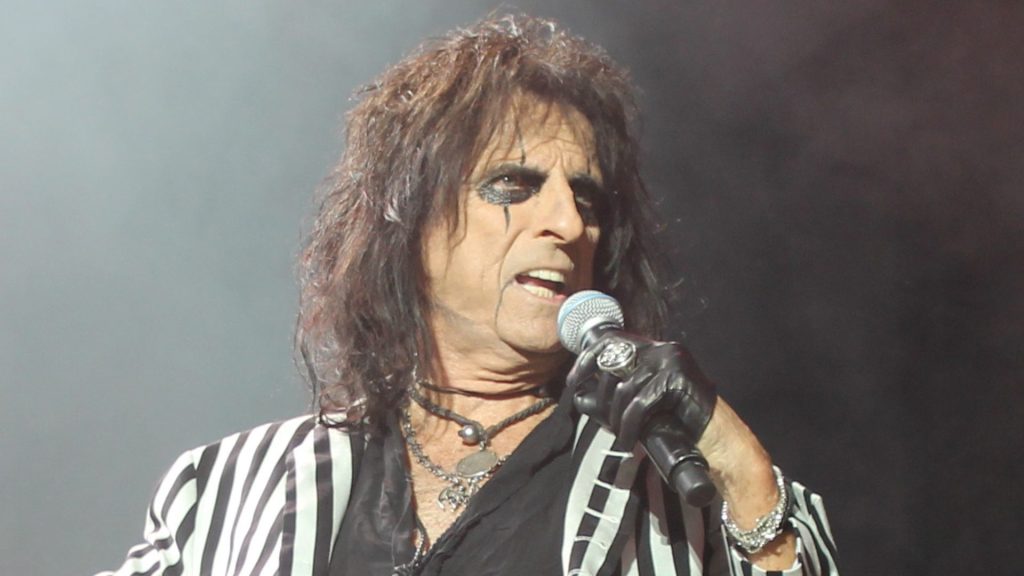
Alice Cooper built one of rock’s most enduring shock-horror personas, which makes his devout Christian faith genuinely surprising to people who discover it. Cooper has described his rededication to Christianity, which came in the early 1980s after years of serious alcoholism and cocaine addiction, as the turning point that saved his life and his marriage. Sheryl Goddard filed for divorce in 1983, and Cooper committed to sobriety that same year. The two reconciled and he has been married to her since 1976.
He attends Camelback Bible Church in Paradise Valley, Arizona and has spoken openly about his faith in dozens of interviews, though he’s never moralized about it from the stage. The guillotines and fake blood stayed. The drinking didn’t.
3. Kanye West
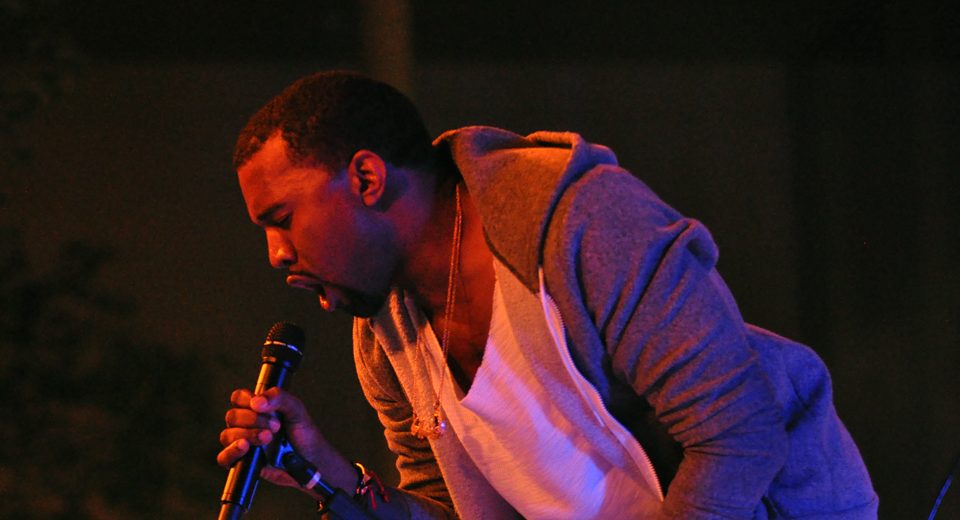
Kanye West’s 2019 pivot to gospel was the most commercially successful religious reinvention in recent memory. His album Jesus Is King debuted at number one and won the Grammy for Best Contemporary Christian Music Album.
The Sunday Service performances he staged across the country drew enormous crowds. By the early 2020s, however, his public behavior had become increasingly erratic and his statements increasingly extreme, making it difficult to separate sincere faith from spectacle. Whatever the internal truth, the music from that period stands on its own terms.
4. Little Richard
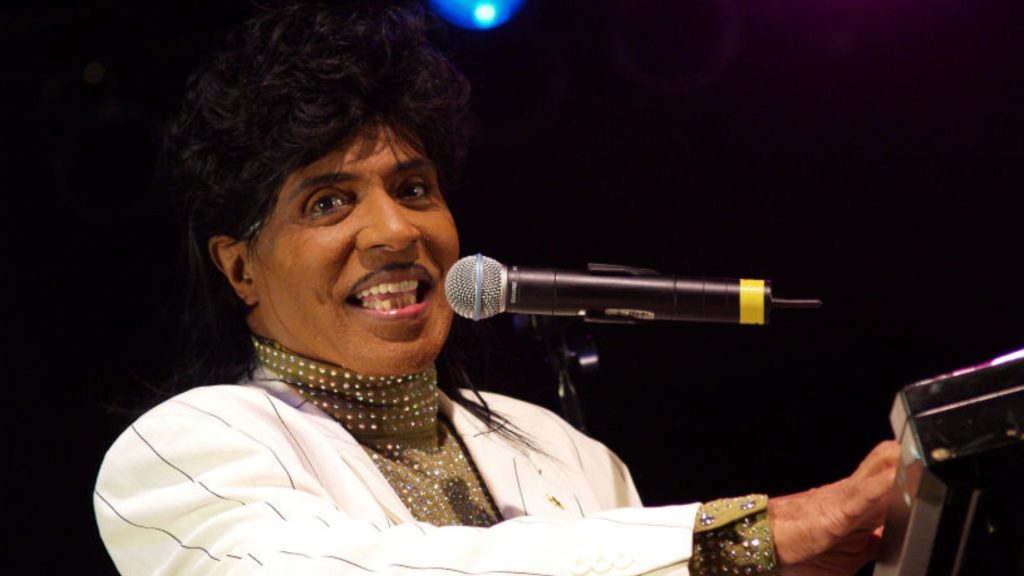
Little Richard oscillated between rock and roll and the church for most of his adult life, and the tension between those two worlds defined him.
He was ordained as a minister in 1957, quit secular music, came back, quit again. He told GQ in 2012 that he believed homosexuality was not something God approved of, statements that put him at odds with many of his longtime fans. When he died in 2020, he had spent his final years in Tullahoma, Tennessee, living quietly and attending church. His faith was never performative. It was also never simple.
5. Justin Bieber

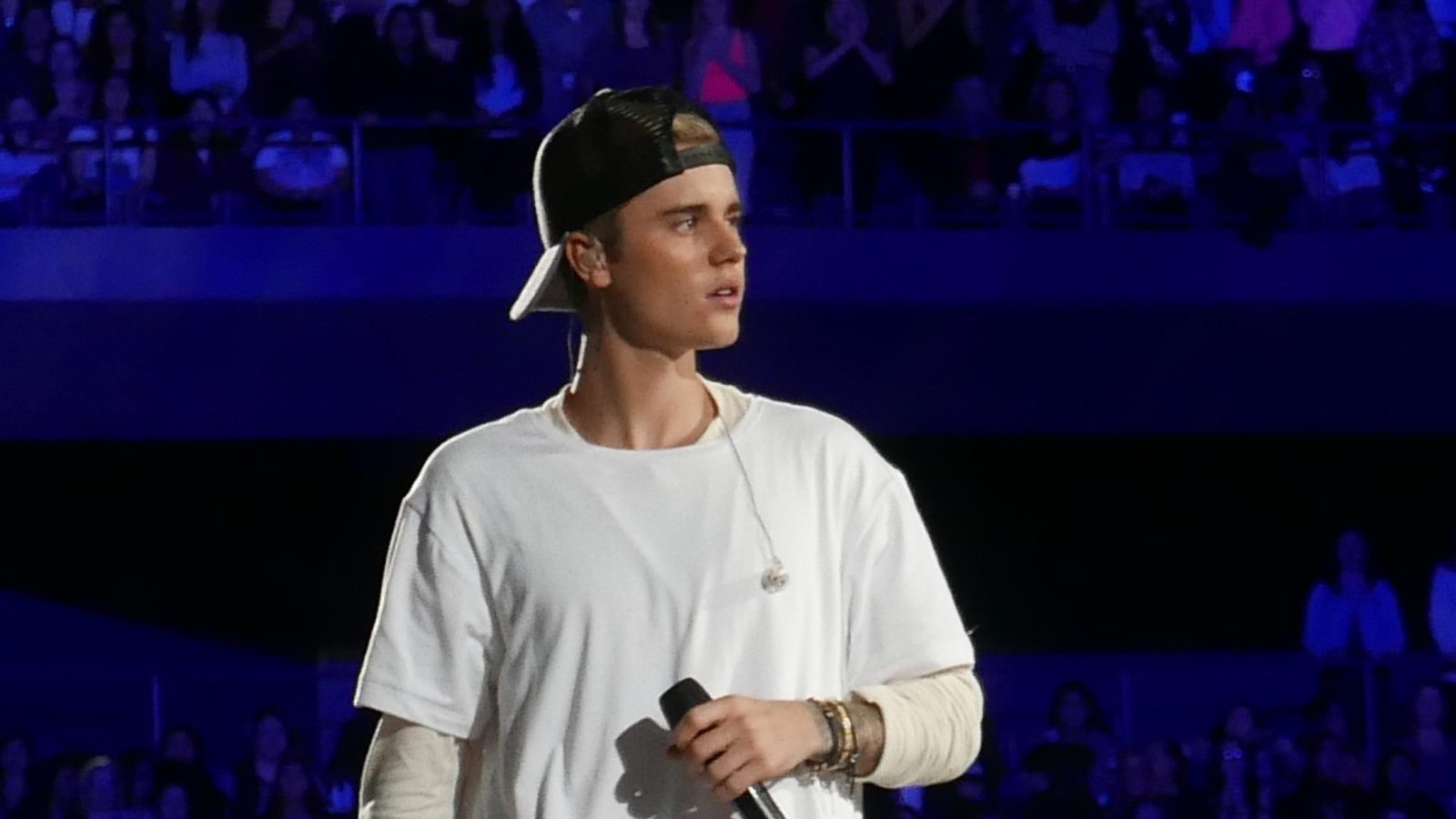
Justin Bieber publicly rededicated his life to Christianity around 2014, largely through his relationship with Hillsong Church and pastor Carl Lentz, who was later fired from the church in 2020 for infidelity. Bieber subsequently clarified he had moved on to Churchome, a congregation led by pastors Judah and Chelsea Smith. His 2021 album Justice carried significant spiritual themes.
He’s been candid about struggling with depression and the psychological costs of childhood fame, and he credits faith as central to his stability. Whether or not people find that compelling, it’s clearly not a phase. He’s been consistent about it for over a decade.
5. Jane Fonda
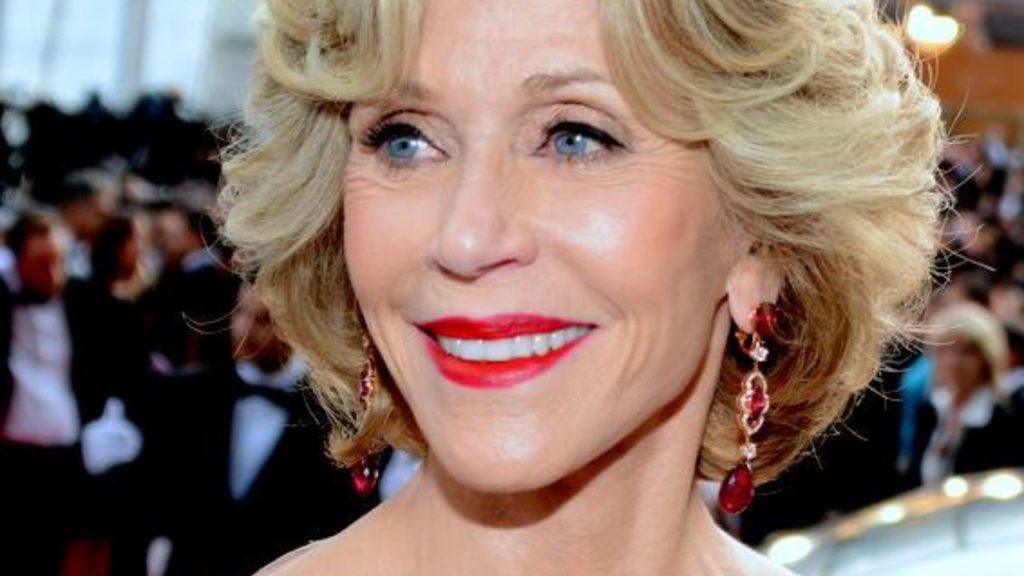
Jane Fonda became a born-again Christian around the time of her 2001 divorce from Ted Turner, a conversion she has described as unexpected given her lifelong atheism. She wrote about it in her 2005 memoir, My Life So Far, noting that her faith developed gradually after years of spiritual searching while living in the South and encountering people of deep belief.
Turner later said in his own memoir that her conversion was not the primary cause of their split, though he acknowledged being upset she hadn’t discussed it with him. Fonda has continued to speak about her Christianity in interviews while remaining politically progressive, a combination that tends to confuse people who assume faith maps neatly onto ideology.
6. Stephen Baldwin
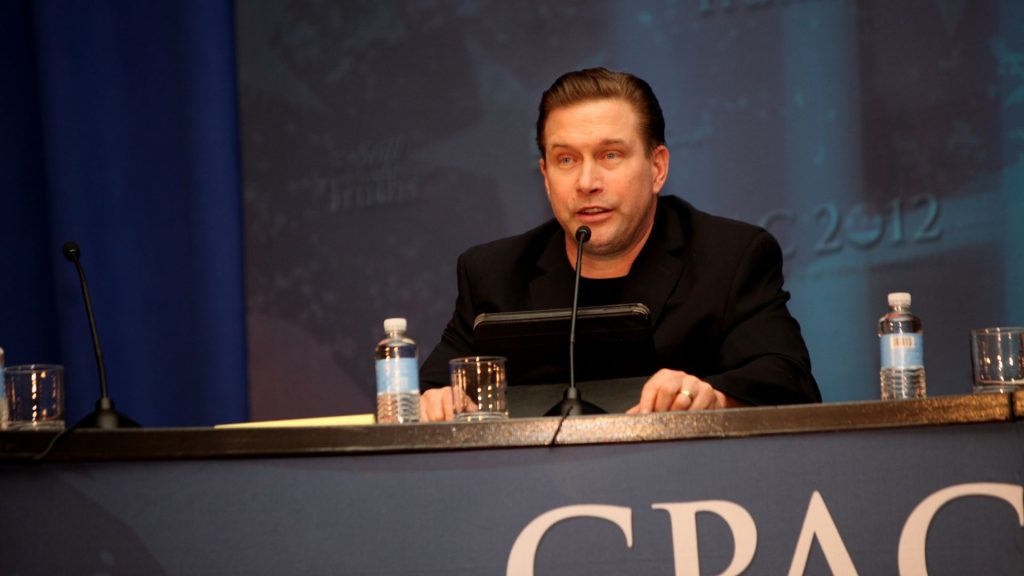
Stephen Baldwin’s born-again conversion happened after the September 11 attacks and has been among the most public and occasionally turbulent of any celebrity in this category.
He’s written about his faith, appeared on Christian broadcasting platforms, and has spoken about how it reshaped his relationship with Hollywood. His career trajectory changed noticeably after his conversion, though the degree to which faith versus other factors drove that is hard to measure. He has remained outspoken regardless.
7. Carrie Underwood
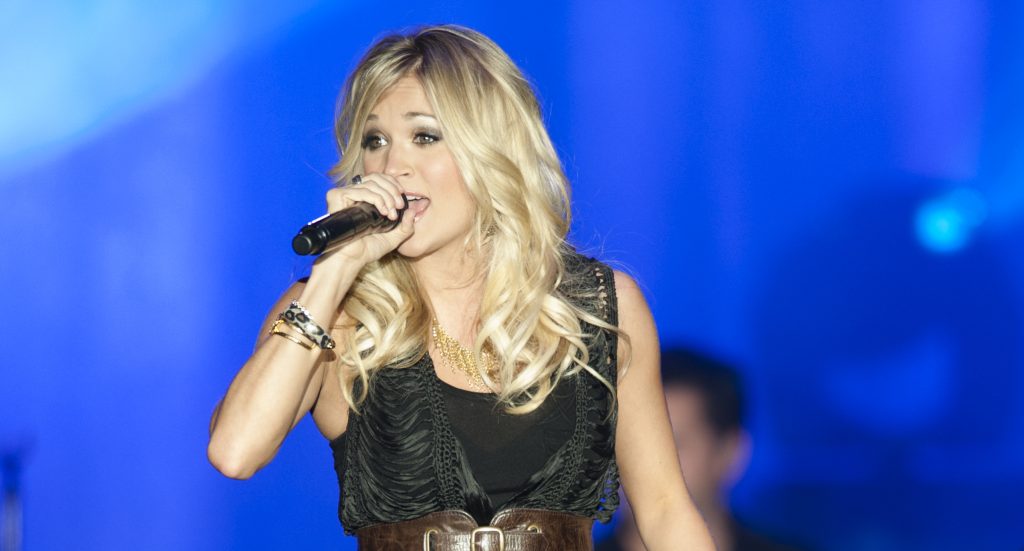
Carrie Underwood’s Christian faith has been central to her public identity since she first appeared on American Idol in 2005, but her relationship with born-again Christianity specifically has deepened over the years.
Her 2021 gospel album My Savior reached number one on the Christian albums chart, and she has spoken in interviews about how her faith guides her daily life and her approach to raising her two sons with husband Mike Fisher. Underwood doesn’t treat her beliefs as a backstory detail. They’re front and center.
8. Mr. T
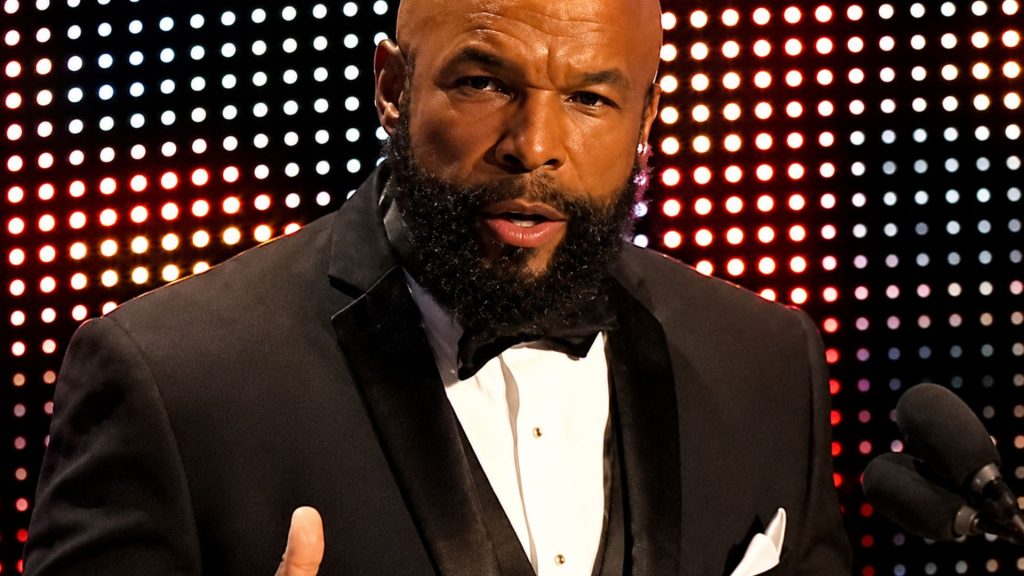
Mr. T became a born-again Christian in the 1980s and has credited the experience with fundamentally changing how he carried himself publicly. After a T-cell lymphoma diagnosis in 1995, he spoke extensively about his faith being the foundation of his recovery, saying he held to the same God he had preached about to sick children who visited the set of The A-Team.
He has been a Sunday school teacher and has spoken at churches and Christian events for decades. The persona, the gold chains, the catchphrases, all of it remained intact. The man underneath had genuinely shifted, and he’s never been shy about saying so.
Not a Rebrand

Born-again conversions tend to get treated as celebrity rebranding exercises, but the stories here suggest something more complicated. Some of these figures changed careers entirely. Others kept doing exactly what they had always done while claiming a different reason for doing it. A few sparked controversy that never really went away.
What unites them isn’t theology or politics. It’s the fact that each publicly attached their identity to a faith that many people assumed would be incompatible with the worlds they inhabited. Whether audiences believed them was often beside the point. For better or worse, the conversion itself became part of their story, and in some cases, one of the most defining chapters of it.