Most actors are replaced quietly. A character stops showing up, a vague explanation gets dropped into the dialogue, and the show moves on. But some performers pushed back against that kind of unceremonious exit and specifically requested that their characters receive a proper send-off on screen. Sometimes the production agreed.
Sometimes it got complicated. Either way, the stories behind these departures are often more dramatic than the exits themselves.
1. Daniel Craig (James Bond)
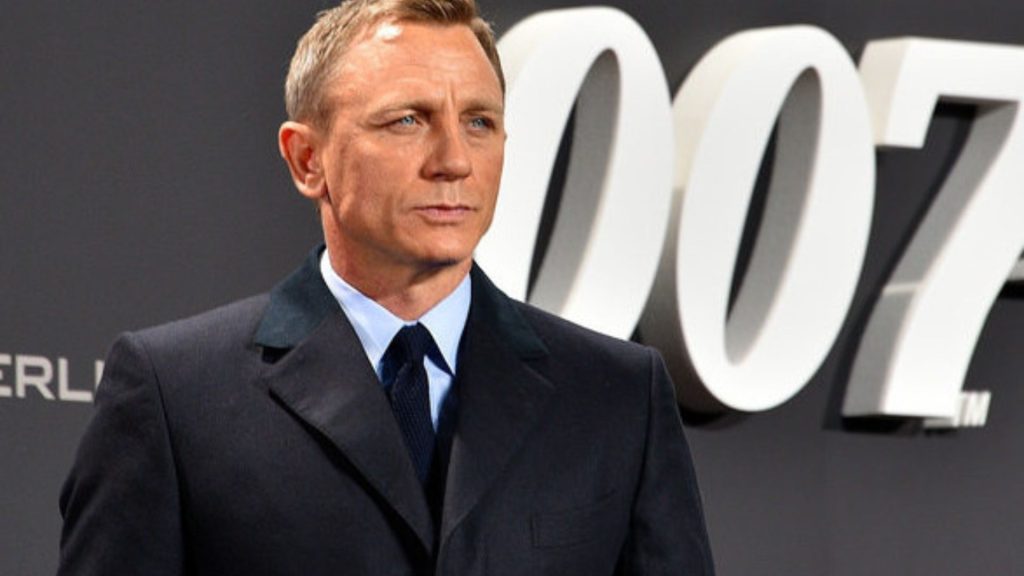
Daniel Craig made no secret of his mixed feelings about playing Bond during his earlier years in the role, but by the time “No Time to Die” arrived in 2021, his position had completely changed. Craig reportedly pushed for a conclusive ending rather than leaving the character in narrative limbo, and the record backs that up.
In a companion book for the film, he confirmed that when he joined Casino Royale, one of his first conversations with producers Barbara Broccoli and Michael G. Wilson was that he wanted to be killed off when he was finished. The result was the first Bond film to actually kill off 007, a decision that divided audiences but gave Craig a definitive closing chapter after five films.
2. Ed O’Neill (Al Bundy, “Married… with Children”)
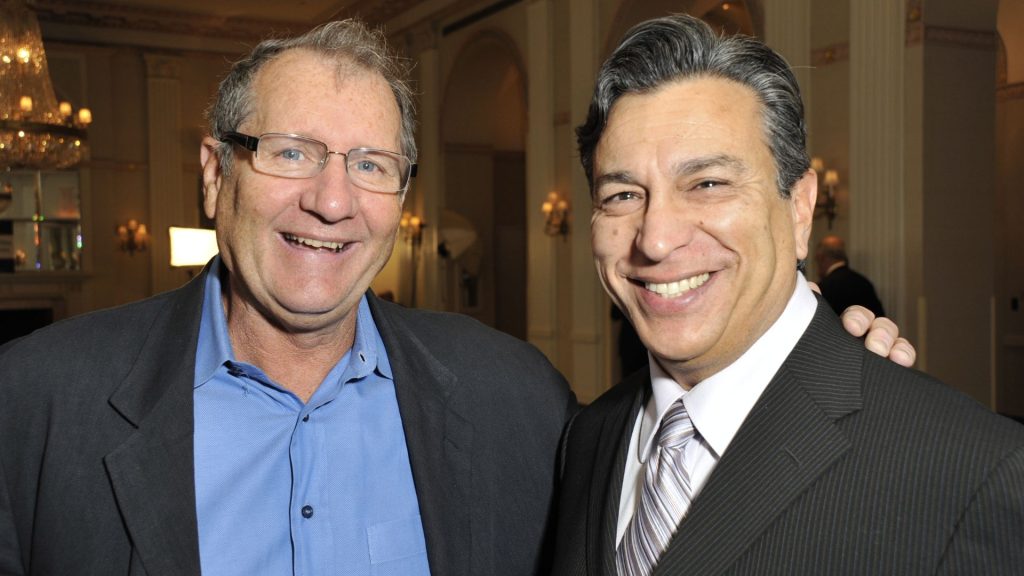
The original run of “Married… with Children” ended without a formal finale because Fox canceled it abruptly in 1997. O’Neill found out from a newlywed couple at a bed and breakfast in Ohio, who heard the news on the radio before he did. The network never called the cast. O’Neill has spoken about this openly, and his frustration with the lack of closure has been consistent across interviews for years.
When an animated revival began circulating to networks and streaming services in 2022, with O’Neill among the core four original stars on board, the appeal was clear: a chance to give the Bundys an ending on their own terms rather than the one Fox handed them by saying nothing at all.
3. Sarah Michelle Gellar (Buffy Summers)
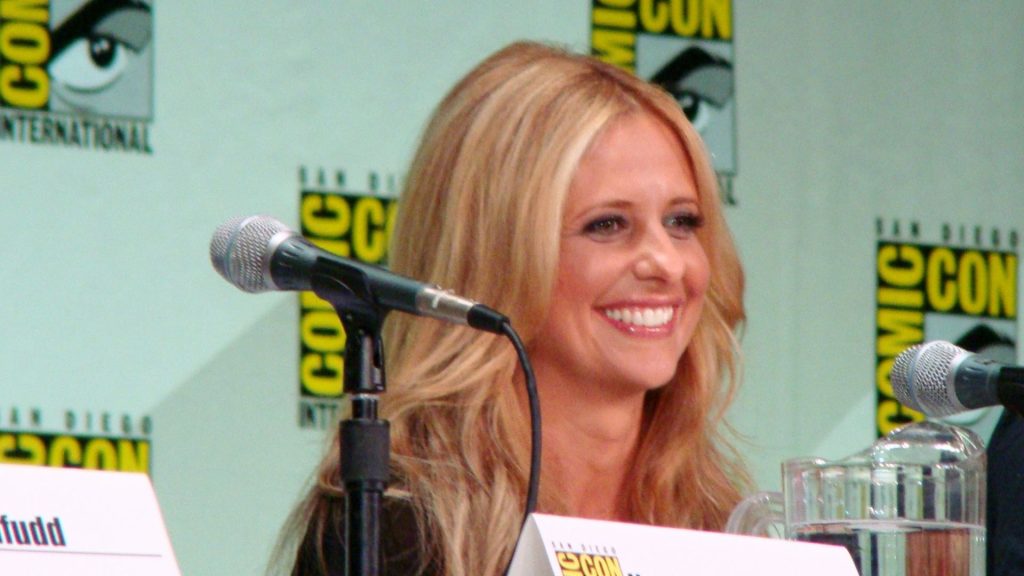
When “Buffy the Vampire Slayer” ended in 2003, Gellar was candid that the final two seasons were not her favorite and that the contractual obligations of a seven-year deal had shaped the show’s timeline more than any creative decision she could make.
She has described filming the finale as a disjointed experience, leaving the soundstage at five in the morning while most of the crew had already gone home. What she has consistently said, though, is that the seventh season’s ending mattered to her. The finale, which gave Buffy an army of newly activated slayers and a genuine sense of resolution, was the kind of closing image she felt the character deserved.
4. Chadwick Boseman and the Question Left Open
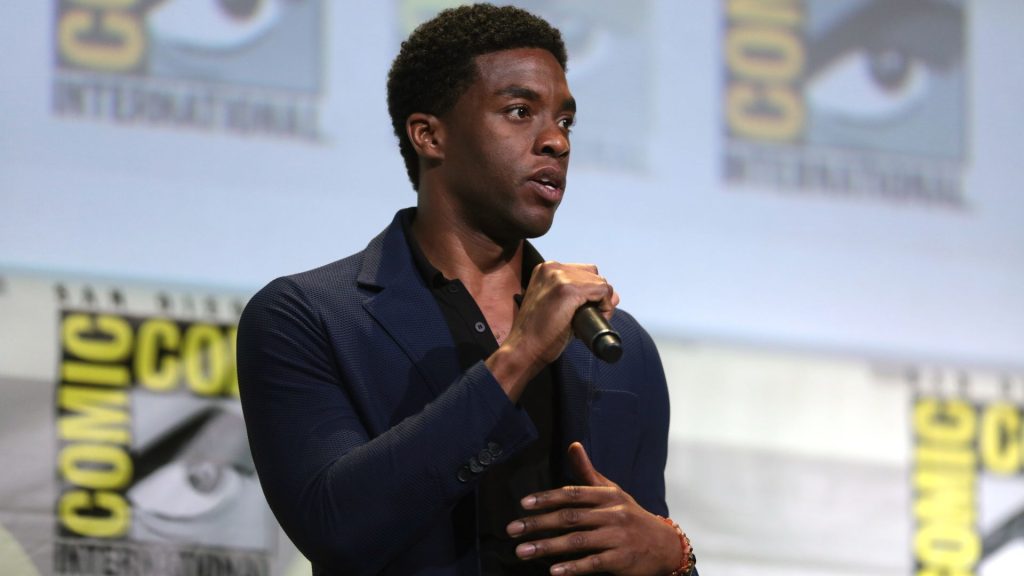
This one sits differently. After Boseman’s death in 2020, Marvel faced the decision of how to handle T’Challa. Rather than recasting, they retired the character, giving him an off-screen death addressed directly in “Black Panther: Wakanda Forever.”
The film’s opening is essentially an on-screen farewell crafted in his honor, built partly around conversations the production had with Boseman’s family. It wasn’t a request from the actor himself, but the spirit of giving the character a proper goodbye came from people close to him.
5. Mary McDonnell (President Roslin, “Battlestar Galactica”)
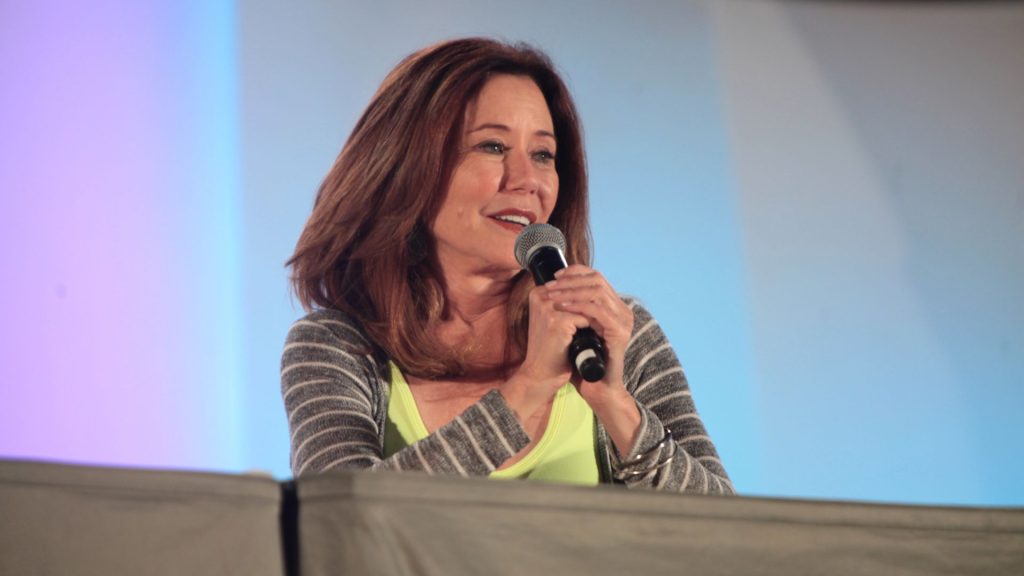
Mary McDonnell committed to “Battlestar Galactica” knowing the character she was playing had terminal cancer from the very first scene. She has spoken about asking showrunner Ronald D. Moore directly at their first meeting whether the role was a short job. Moore’s answer was that the dying leader arc was the spine of the whole series, and that Roslin’s death would be the ending it was always building toward.
McDonnell stayed through all four seasons, and the quiet, restrained death scene in the 2009 finale, Adama realizing she is gone, the silence that follows — became one of the most discussed endings in prestige television. Her investment in how Roslin’s death was handled was evident throughout production.
6. Logan Lerman (Percy Jackson)
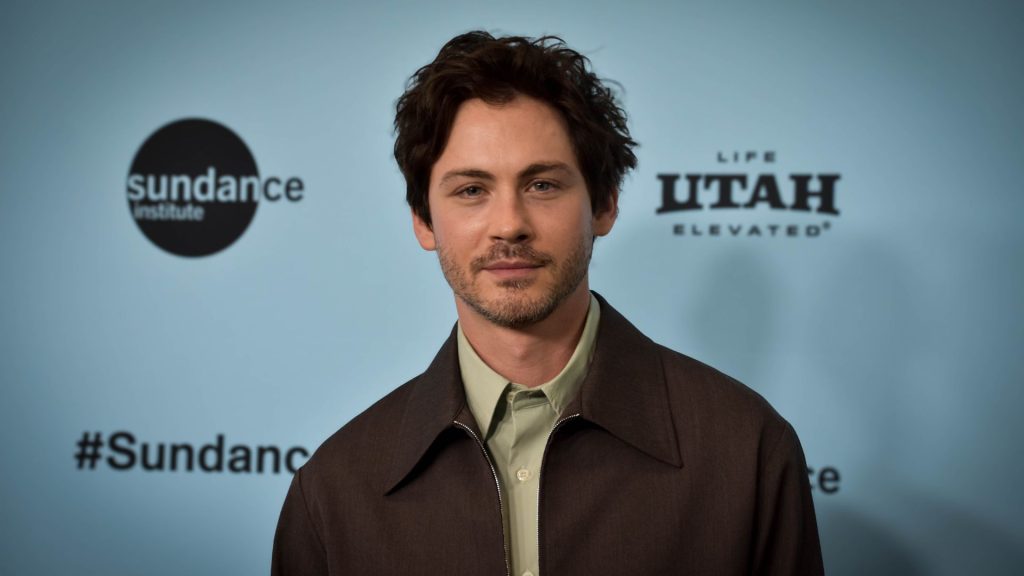
When the original Percy Jackson film series was discontinued after two poorly received movies, Lerman was gracious about the transition. When the Disney+ reboot was announced, he praised the casting and Rick Riordan’s involvement publicly and sent the new cast a personal message of support, telling them they had a hit show on their hands.
He has also said he’d be open to appearing in some capacity if the right situation came up, though no conversation with the production has taken place. His position has been consistent: he wants the story told properly more than he wants to be part of it, which is a more dignified response than most actors manage when their version of a character gets replaced.
7. Yvonne Strahovski (Hannah McKay, “Dexter”)
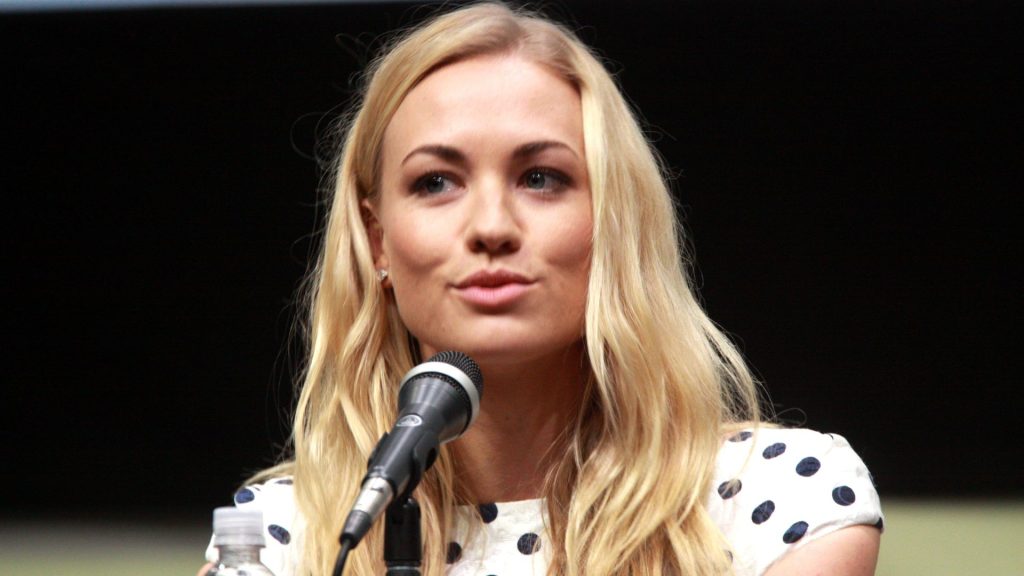
Strahovski’s character on “Dexter” was written out in a way that left many viewers unsatisfied, and when “Dexter: New Blood” was in development, she found out through public channels that a revival was happening rather than from anyone on the production.
She told Andy Cohen on Watch What Happens Live that she hadn’t heard anything about the reboot and that it didn’t seem Hannah McKay was returning. The character was eventually confirmed dead off-screen, killed by pancreatic cancer between series. It wasn’t the ending fans wanted for her, and it wasn’t one Strahovski had any input on. Sometimes the request never gets made because nobody thought to ask.
8. John Hurt (Ollivander, “Harry Potter”)
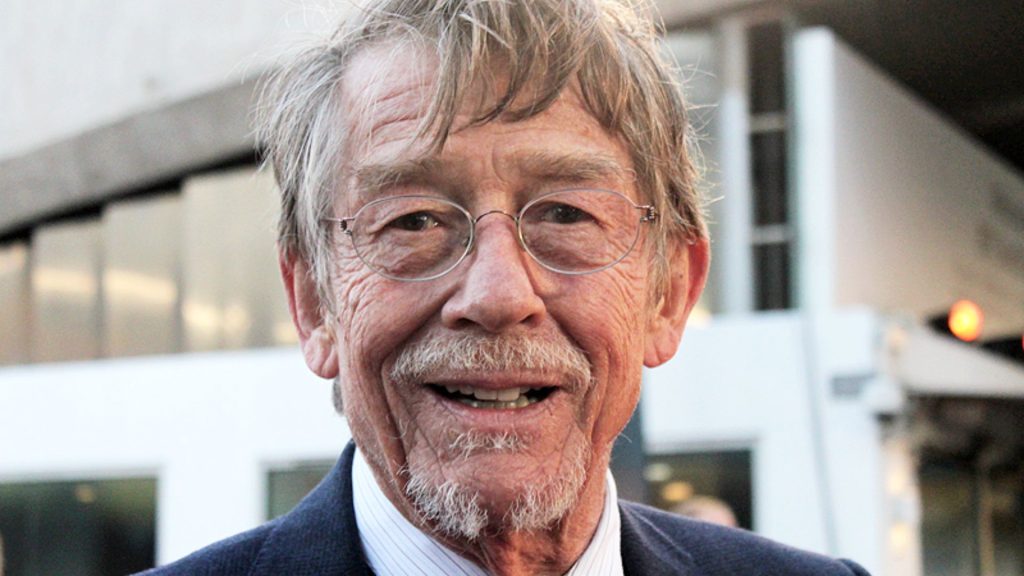
John Hurt appeared briefly as the wandmaker Ollivander in the first Harry Potter film in 2001, then wasn’t seen again until the Deathly Hallows films nearly a decade later. The gap was partly structural, Ollivander’s disappearance was written into the story, but Hurt expressed openness to returning before it was confirmed, telling a reporter while promoting another film that he might be spending more time in the Potter world.
He ended up appearing in both Deathly Hallows installments, and the character survived to the end: rescued from Malfoy Manor, providing Harry with the knowledge he needed about the Elder Wand. It was a more complete arc than the one-scene appearance of 2001 suggested he’d get.
What These Stories Actually Say
Actors who fight for their character’s ending usually do so because they’ve spent years inside that role and genuinely care how it lands. That investment isn’t always rewarded.
Studios have their own timelines, budgets, and plans. But the performers who push for a proper farewell tend to understand something that networks occasionally forget: audiences remember endings. A character who just disappears leaves a quiet frustration that lingers long after the show is gone.