The 1980s produced some of the most commercially successful music in pop history, and decades later, much of it still gets heavy radio rotation. But nostalgia has a funny way of smoothing over the cracks.
A closer listen to some of the era’s biggest hits reveals lyrics, themes, or artistic choices that sit differently with modern ears. These eight songs were hugely popular at the time. Today, audiences often disagree about what they mean, how well they’ve aged, or whether they deserve their legendary status.
1. “Every Breath You Take” – The Police (1983)
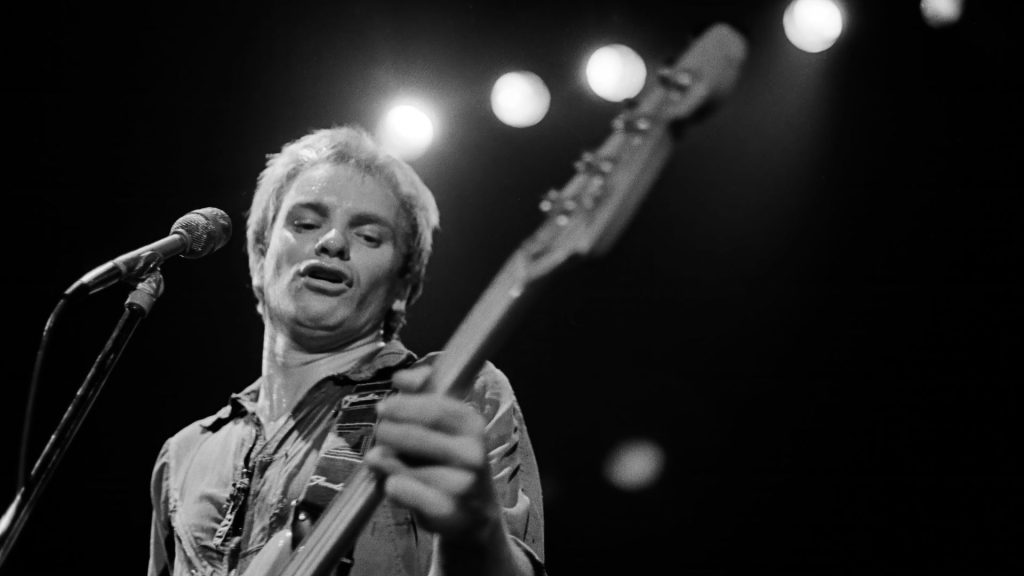
Sting has said publicly that he’s baffled by how many couples choose this as their wedding song. The track is written from the perspective of a controlling, obsessive ex-lover cataloguing every move his former partner makes. It topped charts worldwide and won Grammy Awards.
The melody is undeniably beautiful, which is exactly why the lyrical content keeps generating debate. Some hear a love song. Others hear a warning sign. Sting himself has called it “very, very sinister.”
2. “Girls Just Want to Have Fun” – Cyndi Lauper (1983)

The defense of this song is straightforward: it’s a feminist anthem about women claiming the right to pleasure and freedom on their own terms.
The criticism is that it reduces that claim to something frivolous. Both readings have persisted for decades. Lauper’s version was actually a reworking of a Robert Hazard song written from a male perspective, which adds another layer to the discussion.
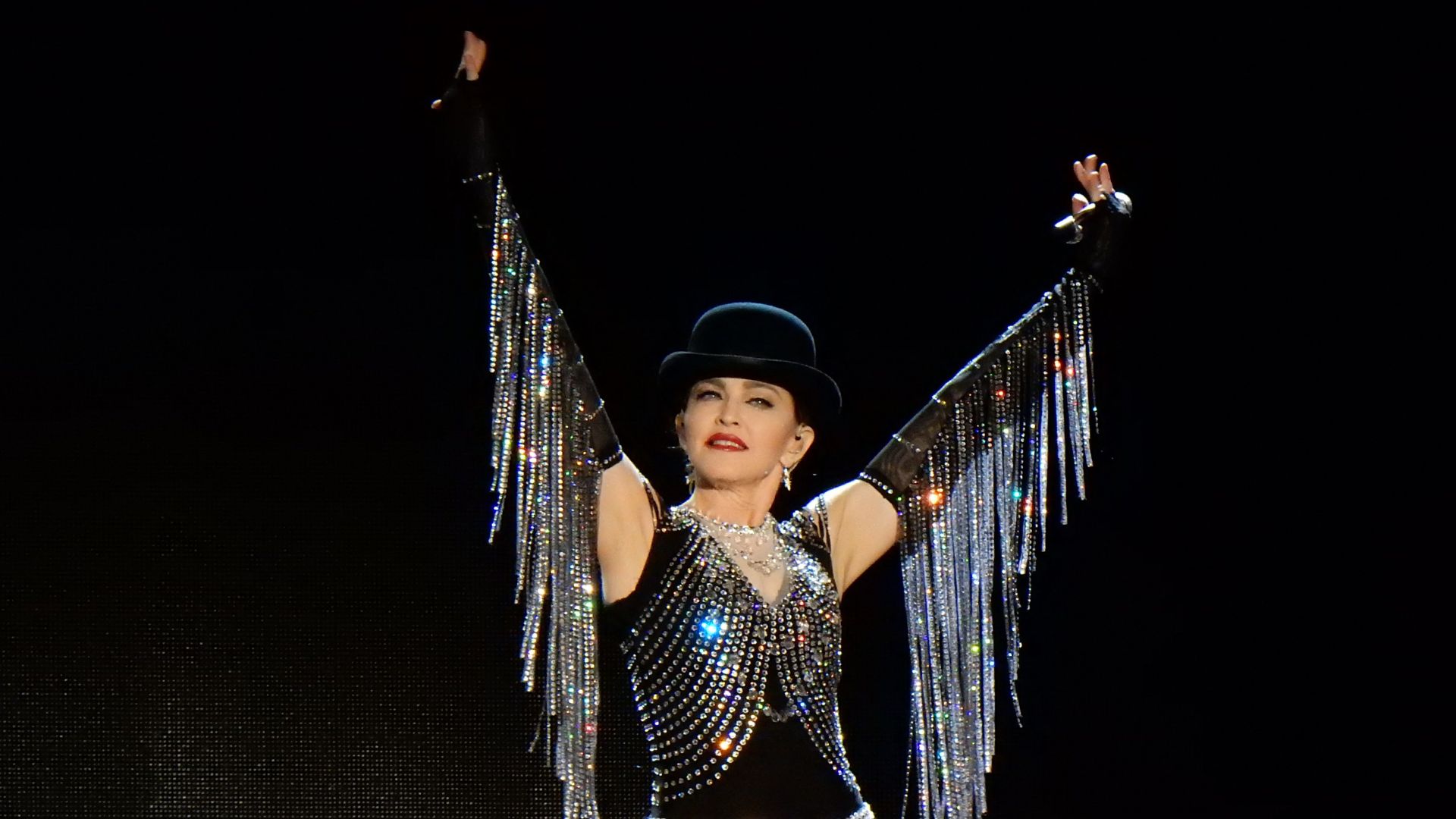
3. “Material Girl” – Madonna (1984)
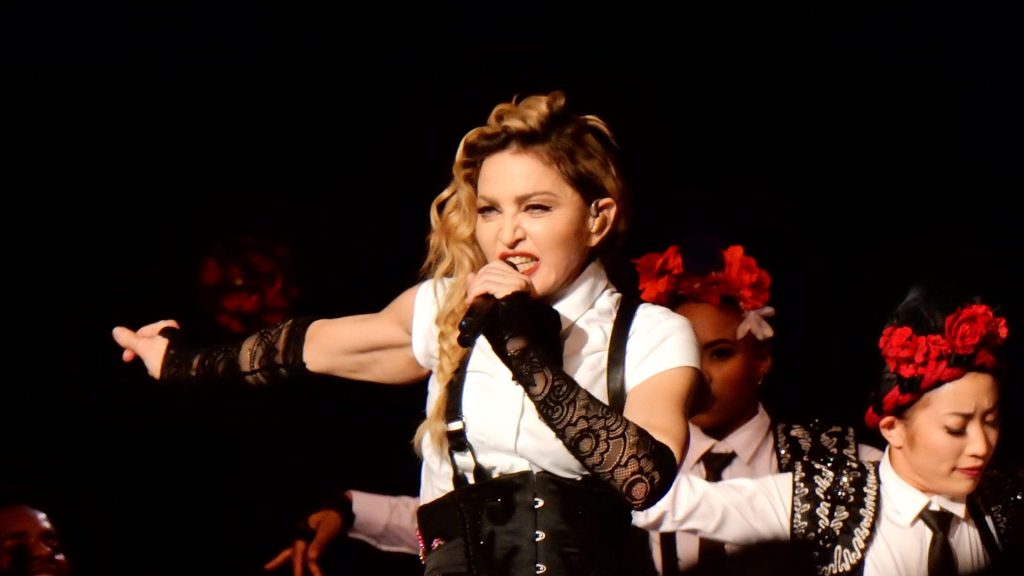
Few songs are more closely tied to a pop star’s public image than “Material Girl.” Some listeners view it as a clever satire of consumer culture and expectations placed on women, while others take it at face value as a celebration of materialism.
Madonna herself spent years trying to distance herself from the label the song helped create. Whether it’s misunderstood social commentary or exactly what it appears to be remains a surprisingly lively debate.
4. “Don’t You (Forget About Me)” – Simple Minds (1985)
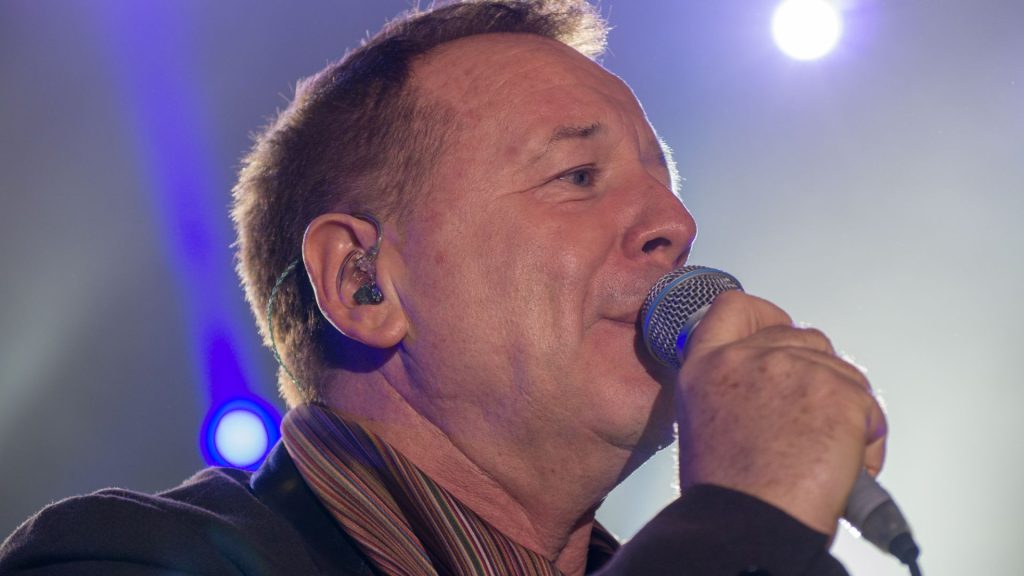
Few songs are more tied to a single cultural artifact. The closing scene of The Breakfast Club essentially fused itself to this track permanently.
That’s both the song’s greatest asset and, for some listeners, its central problem. Strip away John Hughes and the raised fist, and what remains is, depending on your perspective, either a timeless anthem or a fairly standard new wave hit. Simple Minds initially didn’t want to record the song and nearly turned it down, a fact that tends to reframe how people hear it.
5. “We Built This City” – Starship (1985)
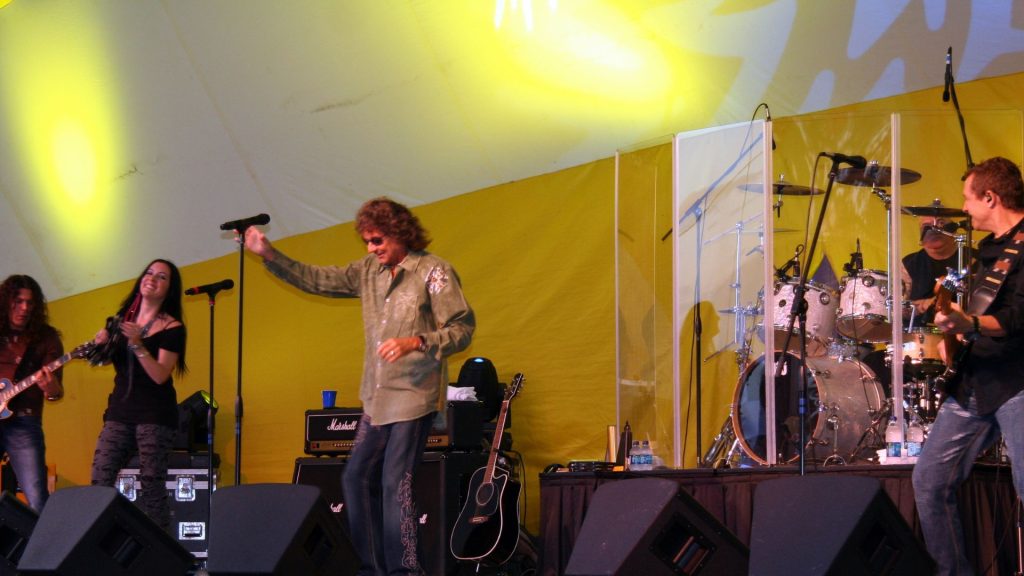
Few songs have inspired stronger reactions. Starship had evolved from the psychedelic rock of Jefferson Airplane into a polished radio-friendly act, and “We Built This City” became the clearest symbol of that transformation. In later years, the song frequently appeared on lists of the worst songs ever recorded and was voted the worst song of the 1980s in a Rolling Stone readers’ poll.
Some listeners genuinely love it and always have. Others see it as a symbol of corporate rock at its most hollow. The disagreement is rarely mild.
6. “99 Luftballons” – Nena (1983)

The original German version and the English adaptation carry slightly different emotional tones, and that alone has generated ongoing discussion among fans. The song is an anti-war track built around the absurd premise of 99 balloons triggering a military catastrophe.
Many listeners feel the German version preserves more of the original nuance and bleakness, while others prefer the accessibility of the English version. Which version you heard first often shapes how you feel about the other.
7. “Roxanne” – The Police (1978, charted widely in 1980)
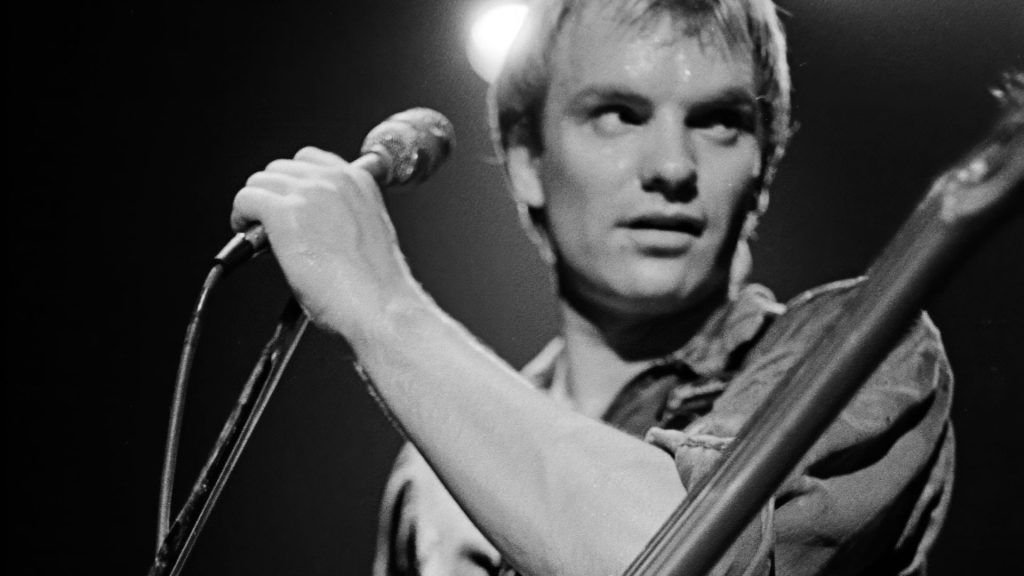
The song tells the story of a man urging Roxanne to leave her lifestyle, but listeners continue to debate his motives. Some hear genuine concern.
Others hear jealousy and possessiveness. Musically, the track remains a masterclass in tension and restraint. The discussion usually lands somewhere between appreciating the craft and questioning the narrator’s perspective.
8. “Take On Me” – a-ha (1985)
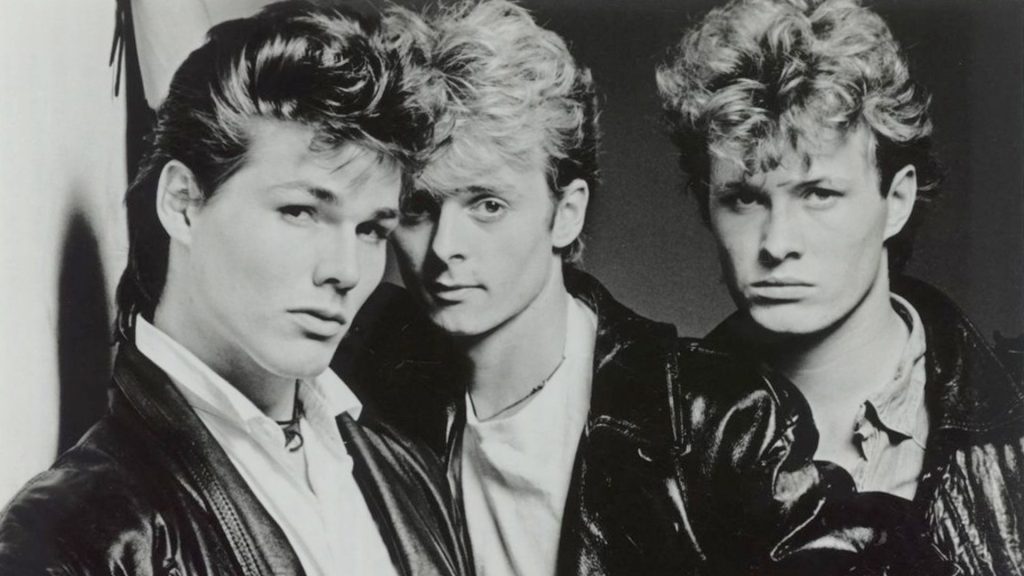
The music video is a genuine artistic achievement and probably the reason this song gets more grace than it might otherwise. The iconic pencil-sketch animation directed by Steve Barron won six MTV Video Music Awards in 1986, and that visual legacy has become inseparable from the song itself.
Critics who find the lyrics or songwriting relatively slight are often met by fans who see the entire package as a classic. Either way, the video remains one of the defining achievements of the MTV era.
9. “Don’t Stop Believin'” – Journey (1981)
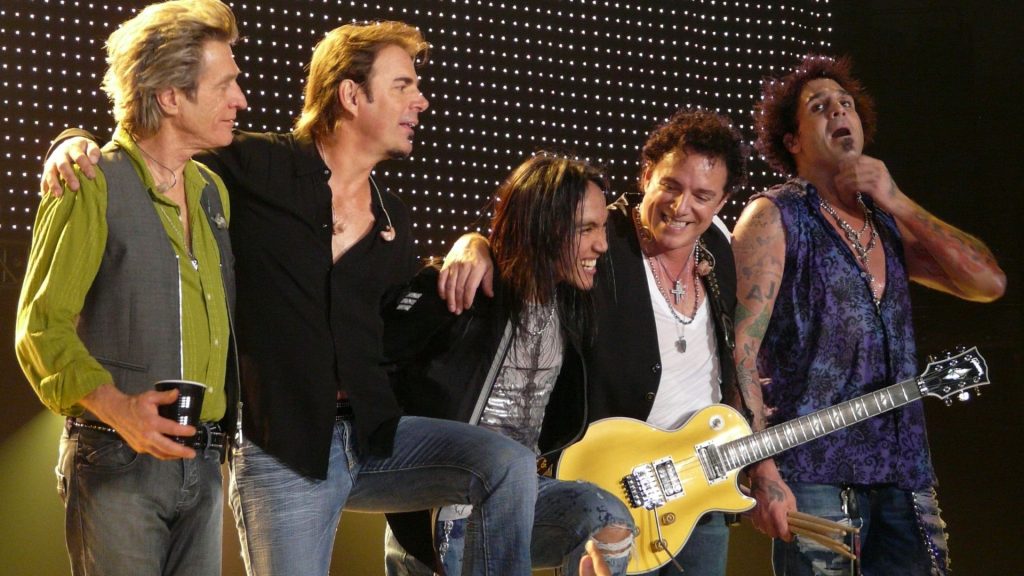
Technically a 1981 release that dominated the rest of the decade and never really left. By 2026, this song has been used in so many TV finales, sports montages, and karaoke nights that the original recording can almost feel secondary.
Journey’s original vision was a story about strangers chasing hope and opportunity. What it became is something closer to a cultural reflex. Some listeners find the ubiquity charming. Others find it exhausting. The song didn’t ask to become shorthand for “emotional ending,” but here it is.