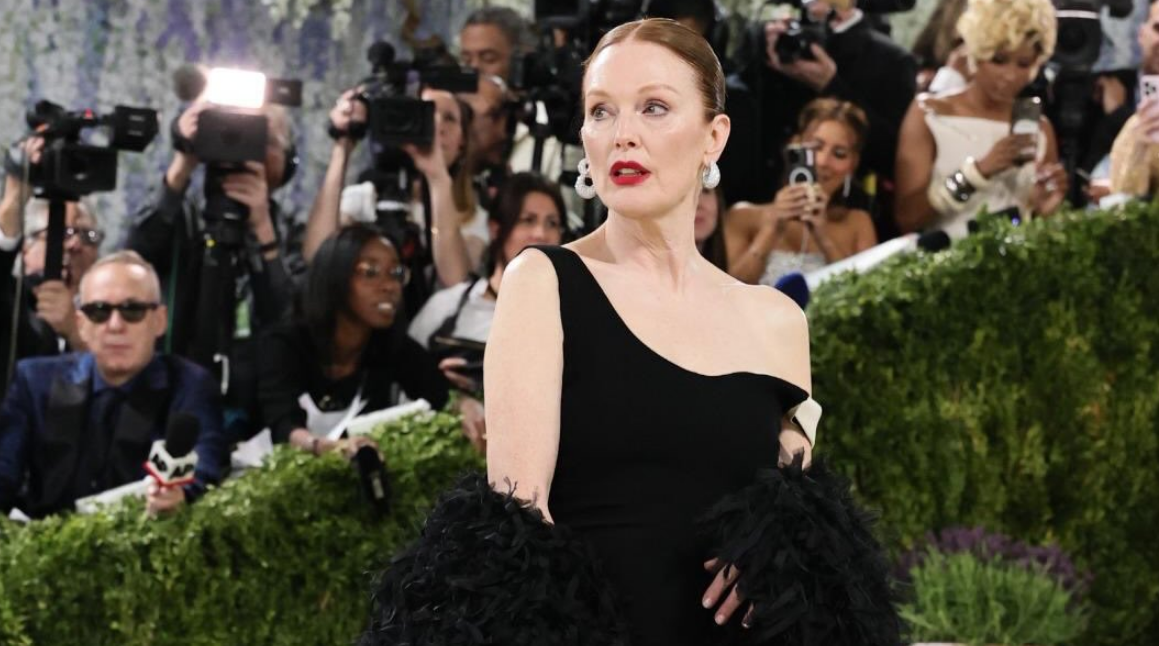
Julianne Moore did not chase fame. She built her career one honest performance at a time. Today she stands among the most respected actors working in Hollywood, trusted equally by studios and arthouse directors.
Her path from daytime soap operas to an Academy Award was slow and deliberate. It rewarded patience over hype every time. Here is how she became one of the finest actors working in film today.
A military childhood shaped by constant change
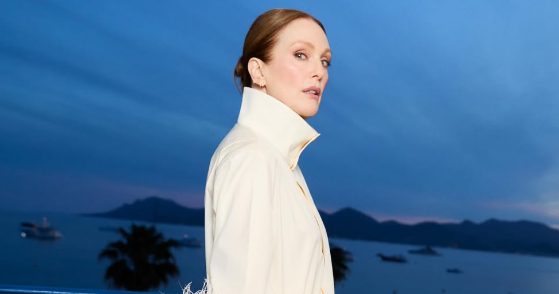
Born Julie Anne Smith in Fayetteville, North Carolina, Moore grew up moving often across many different towns. Her father served as a military lawyer and judge, while her mother worked as a psychiatric social worker.
That constant relocation forced young Moore to adapt quickly to new schools and unfamiliar people. Friends later said this instability greatly sharpened her observational skills, a trait that eventually fueled her detailed character work onscreen.
Finding her voice on the stage and screen
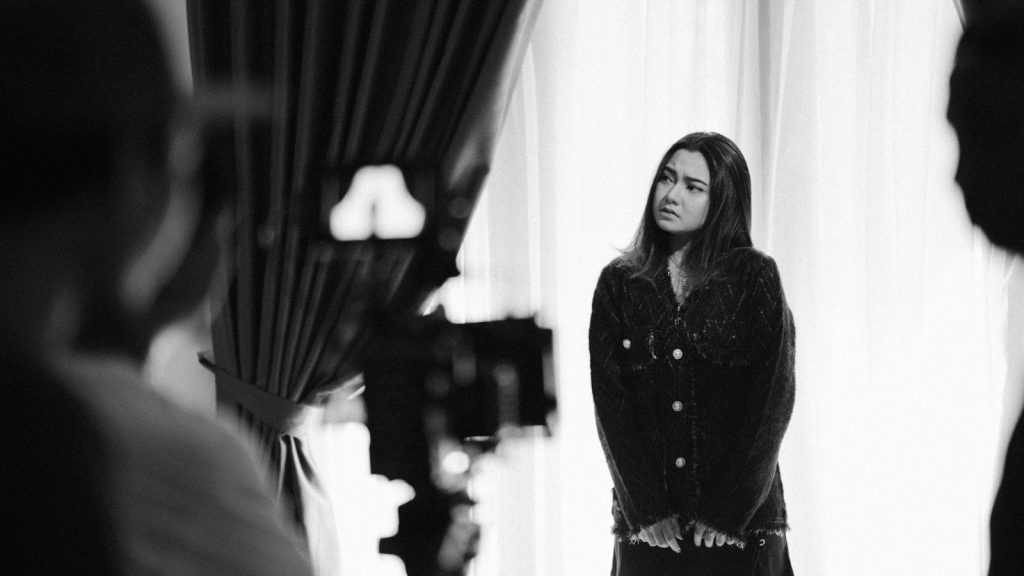
Moore studied acting at Boston University, graduating from its School of Performing Arts in 1983. She then quickly moved to New York City, determined to build a serious career in professional theater rather than television.
Early-stage work taught her discipline and precision under real pressure. Those lessons stayed with her for decades. She later credited theater training with teaching her how to sustain difficult emotions across a full performance.
Daytime television built her foundation
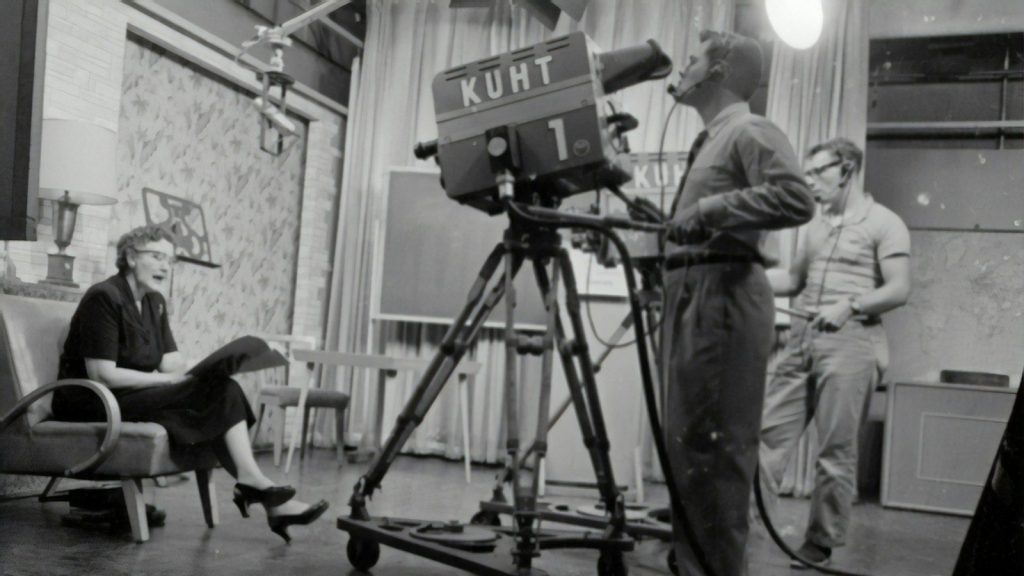
In 1985, Moore joined the soap opera As the World Turns, playing Frannie Hughes and later her twin sister Sabrina. The demanding daily television schedule quickly taught her to work fast without sacrificing emotional truth.
Her dedication paid off quickly and clearly. Moore won a Daytime Emmy Award in 1988 for the dual role. That early recognition gave her the confidence to pursue feature films with much greater career ambition.
Robert Altman opened the door to film

After a string of small supporting parts, Moore’s breakthrough arrived through Robert Altman’s ensemble drama Short Cuts in 1993. The sprawling film introduced her to serious critics who finally noticed her raw natural screen presence.
Altman gave her room to experiment without judgment or interference. That creative freedom shaped how she approached future roles. She began seeking directors who valued nuance over spectacle, a preference that defined her entire career.
Todd Haynes became her creative partner

Director Todd Haynes cast Moore in Safe in 1995, a haunting drama about isolation and illness. Critics praised her restrained performance, calling it easily one of the most quietly unsettling portrayals of that entire decade.
Their creative partnership continued for decades, including Far from Heaven and May December. Haynes consistently trusted Moore with complicated women. That trust let her explore quiet suffering with remarkable emotional subtlety and steady artistic control.
Boogie Nights announced a serious talent

In 1997, Moore played Amber Waves, a struggling adult film star fighting for custody of her young son, in Paul Thomas Anderson’s Boogie Nights. The demanding role earned her her very first Academy Award nomination ever.
Critics praised how she balanced raw vulnerability with fierce maternal determination throughout the film. That performance proved Moore could anchor an ensemble cast. Hollywood began viewing her as a serious dramatic force, not just a support.
A decade of Oscar-worthy performances

Between 1999 and 2002, Moore earned three additional Oscar nominations for The End of the Affair, Far from Heaven, and The Hours. Each demanding role explored complicated women confined tightly by expectation, longing, or circumstance.
This remarkable stretch established her as one of the most consistently nominated actors of her entire generation. Despite the acclaim, the golden statue itself remained frustratingly out of reach for several more difficult years.
Sarah Palin and the power of reinvention
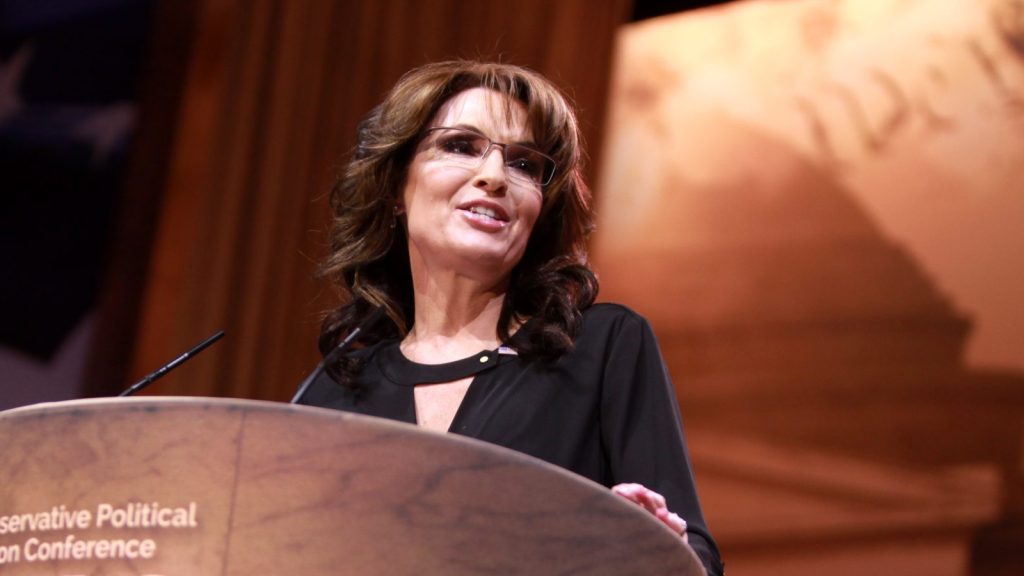
In 2012, Moore surprised audiences by portraying Sarah Palin in the HBO film Game Change. Her transformation felt uncanny, blending sharp physical mimicry with genuine psychological insight into a truly deeply polarizing national political figure.
The performance won her a Primetime Emmy Award for her work. It also proved that her range extended far beyond quiet dramas. Moore could tackle satire, politics, and heightened performance with equal confidence, wit, and skill.
Cannes and the long road to Still Alice
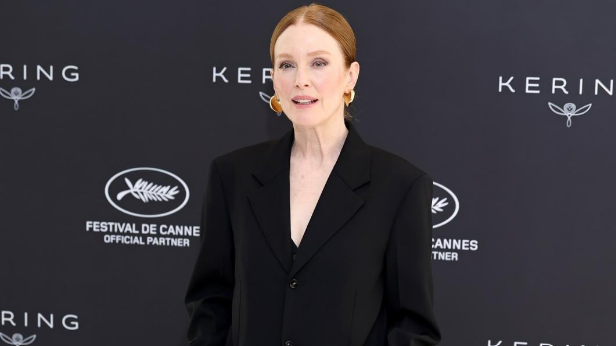
In 2014, Moore won the Cannes Film Festival Award for Best Actress for Maps to the Stars, playing a truly desperate, fading actress in David Cronenberg’s darkly biting Hollywood satire released that same eventful year.
That same year, she starred in Still Alice as a linguistics professor facing early-onset Alzheimer’s disease. The role finally earned her the well-deserved Academy Award for Best Actress after five career nominations total.
A legacy that keeps expanding
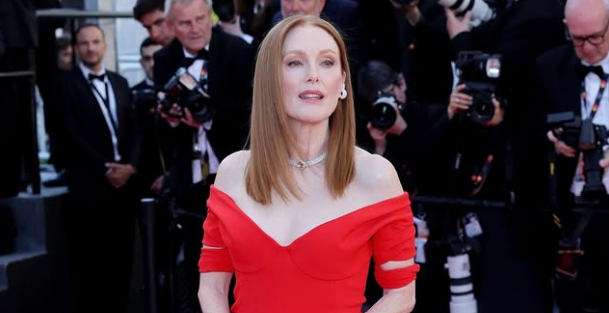
Moore’s highest-grossing films include The Hunger Games sequels and Kingsman: The Golden Circle, proving she could thrive inside big studio blockbusters. Yet she consistently returned to smaller, riskier independent projects between major franchise commitments.
Recent work in May, December, and the miniseries Mary and George shows absolutely no signs of slowing down. Decades after her soap opera debut, Julianne Moore remains one of cinema’s most respected and trusted storytellers.
Featured Image: instagram.com/juliannemoore