Hollywood does not have a written handbook. Nobody sits a new star down and explains what to do and what to never do. The rules exist in whispers, in watched consequences, and in the careers of those who broke them without realizing what they had done.
These unwritten rules govern everything from how you dress to who you publicly support to whether your phone comes out inside the Met Gala. They are not official policies. But every working A-lister knows them by heart because ignoring them almost always costs something. Here is what the rulebook actually says.
Zendaya, never outshine the designer who dressed you
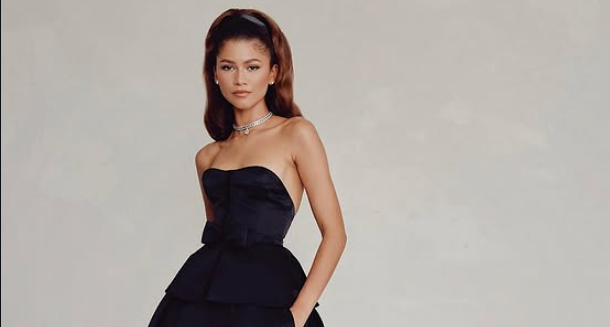
At the Met Gala, every celebrity is seated at a designer’s table and expected to wear that designer’s creation. Vogue global editorial director Anna Wintour has final approval over every guest and every outfit, a system confirmed by Vogue and documented in the 2016 film The First Monday in May.
Zendaya has attended the Met Gala multiple times dressed exclusively by Valentino and Versace at the invitation of those houses. A solo ticket costs $75,000 as of 2023 and the celebrity rarely pays. The designer does. The star becomes a walking advertisement. Breaking that relationship is one of the quietest and most permanent ways to lose a powerful fashion ally.
Kim Kardashian, put your phone away at the right events
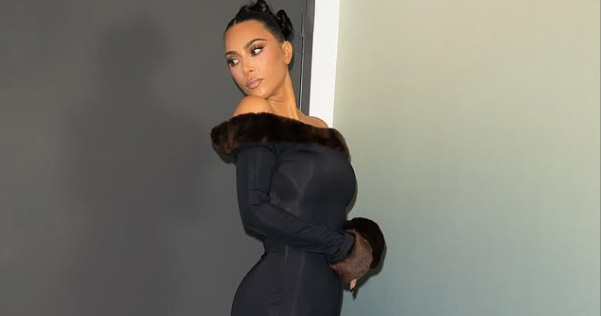
Since 2015, phones have been banned inside the Met Gala by Anna Wintour. A notice was sent to all invitees warning that photography and social media would not be permitted inside the event. The Hollywood Reporter confirmed the ban was driven by concerns around guest security and the experience of the evening.
Kim Kardashian is one of the most digitally active celebrities in the world, yet she has consistently complied with the no-phone policy at the Met Gala. The only portion of the night officially documented is the red carpet. Knowing when to put the phone down is a signal of status not a sacrifice of it, and Kardashian has understood that distinction for years.
Ryan Reynolds, show up for your franchise or lose it
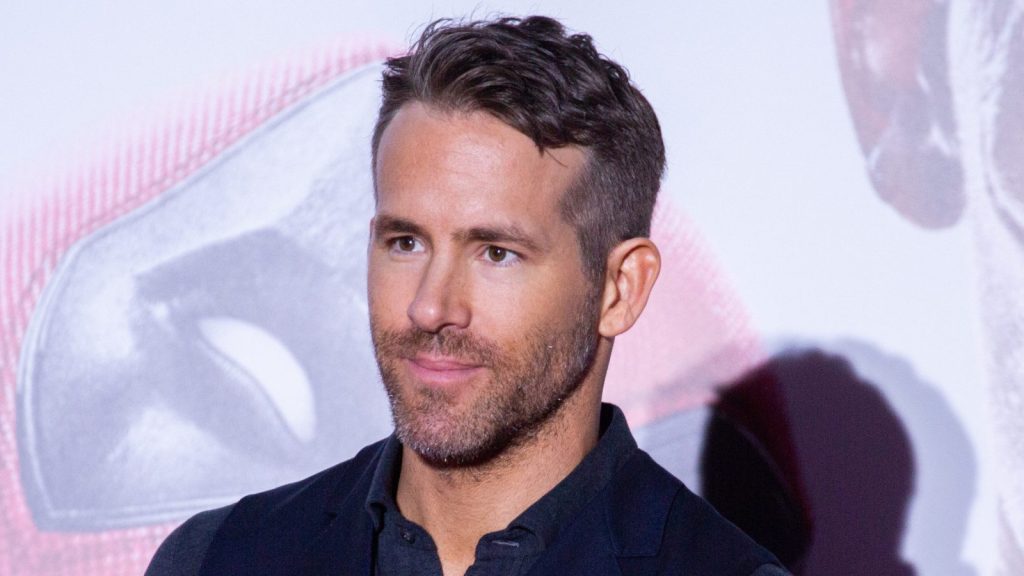
A-listers who anchor blockbuster franchises operate under an unspoken obligation to promote the work publicly. Ryan Reynolds spent months before the release of Deadpool and Wolverine in July 2024 personally running the film’s social media campaign with Hugh Jackman, generating billions of earned media impressions before the film opened.
The film grossed $1.338 billion worldwide and became the highest-grossing R-rated film in history. Reynolds understood that the promotional commitment is inseparable from the financial reward. Franchise anchors who skip press tours or create on-set conflicts often find their contract extensions get shorter and their paychecks get smaller.
Taylor Swift, your tour numbers are a negotiating tool
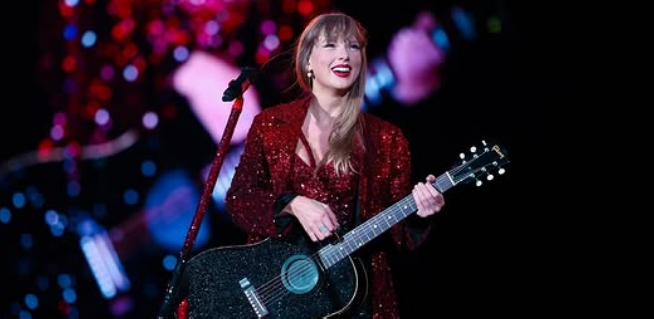
Taylor Swift’s Eras Tour grossed approximately $2.08 billion across 149 shows attended by more than 10 million people between March 2023 and December 2024. It became the highest-grossing concert tour ever reported and the first to surpass $2 billion in ticket sales.
The tour’s scale strengthened Swift’s influence across touring, distribution, branding and catalog ownership. Combined with her re-recording project, its success demonstrated the commercial value of controlling and reintroducing her music to new audiences. In the entertainment industry, box-office and touring figures serve as evidence of market power as well as revenue, and the Eras Tour gave Swift an unmatched recent record of both.
Scarlett Johansson, you do not publicly negotiate your own salary
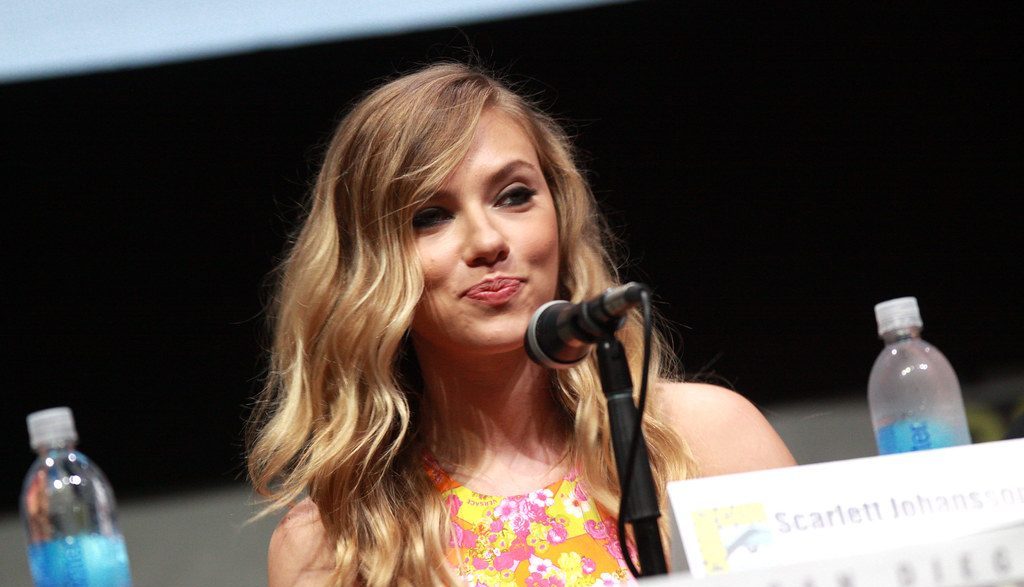
When Scarlett Johansson filed a lawsuit against Disney in July 2021 over the simultaneous Disney Plus release of Black Widow, which she alleged broke her contract by reducing her theatrical bonus, the move made headlines globally. The lawsuit was settled in September 2021 on undisclosed terms.
The episode highlighted one of Hollywood’s most sensitive unwritten rules. Stars do not air financial disputes publicly. Most salary negotiations and contractual disagreements are resolved through agents and lawyers in rooms no journalist ever enters. Taking a dispute to the press is seen as a last resort and carries professional risk regardless of who is legally correct.
Adrien Brody, accept your Oscar speech time limit and mean it
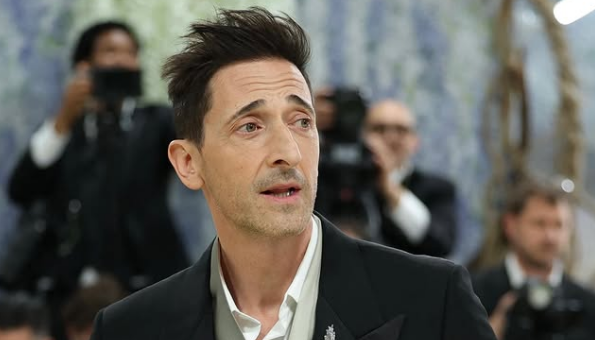
The Academy Awards imposes a 45-second limit on all acceptance speeches, confirmed by The Hollywood Reporter. In 2016, Oscar producers asked nominees to submit thank-you lists in advance so names could be posted on the Academy website instead of being read aloud on live television.
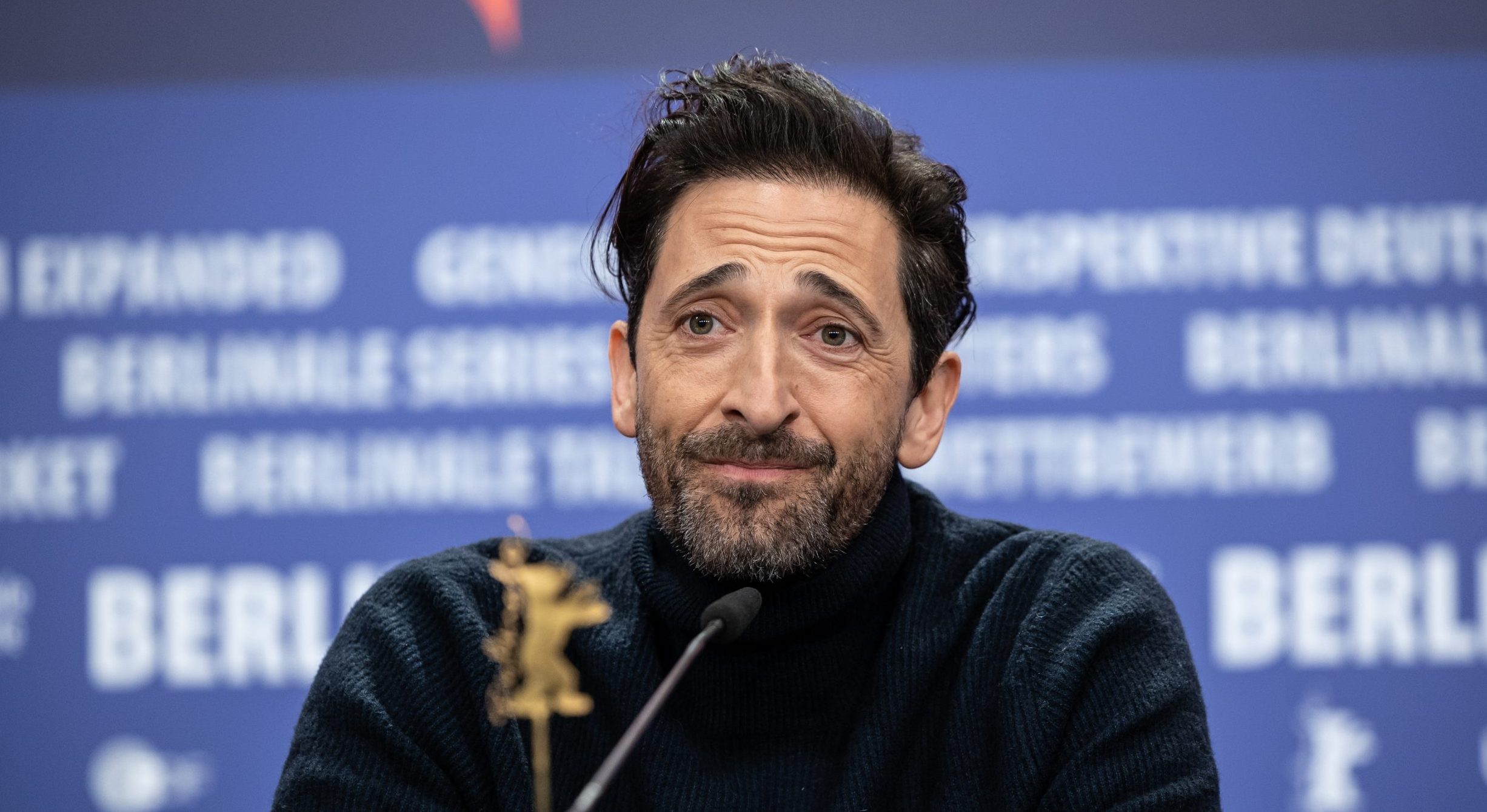
When Adrien Brody won Best Actor for The Brutalist at the 2025 Oscars, he ignored the music cutoff and told the orchestra to stop playing. His speech ran 5 minutes and 40 seconds, officially breaking the previous record held by Greer Garson since 1943. Guinness World Records confirmed Brody’s speech as the longest in Academy Awards history. The rule exists precisely because moments like his remind producers why the limit was introduced in the first place.
Timothée Chalamet, control what you say on press tours
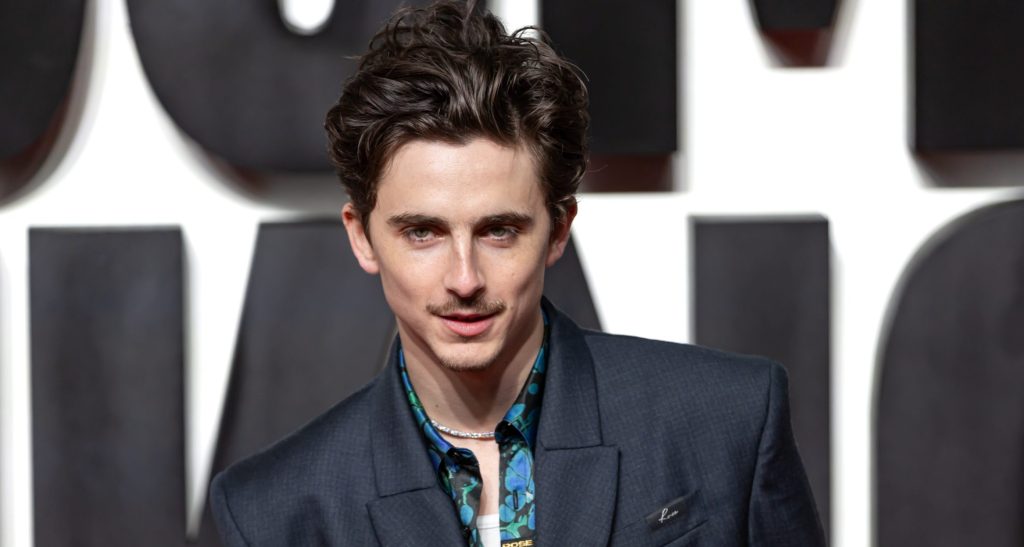
Publicists and studios carefully manage what stars say during press tours for major releases. A-listers often receive guidance on topics that are off-limits in interviews. When talent goes off-script, studios notice and the fallout can follow the actor for months in trade coverage.
When Timothee Chalamet gave candid comments during the Dune Part Two press tour in 2024, his team carefully managed the context of those remarks in follow-up outlets within hours. Chalamet has also spoken openly about the discipline required to stay interesting in interviews without saying anything that derails a film’s release. The skill looks effortless. It is not.
Beyonce, never compete publicly with another star’s moment
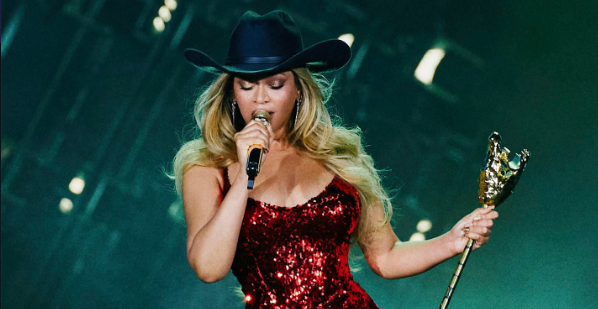
When Beyonce’s Renaissance World Tour ran in 2023 and grossed $579 million across 56 shows, no major artist scheduled a competing arena tour for the same window. The industry understood it would be commercial suicide. Beyonce’s draw was too dominant and the press coverage too complete to fight against.
The unwritten rule is that certain cultural moments belong to certain stars. You do not release a major project on the same day as a dominant competitor unless you are prepared to be buried. Beyonce has enforced this rule from the other side too, dropping her own projects strategically in windows where no one else could match her scale.
Morgan Wallen, philanthropy must match your public identity
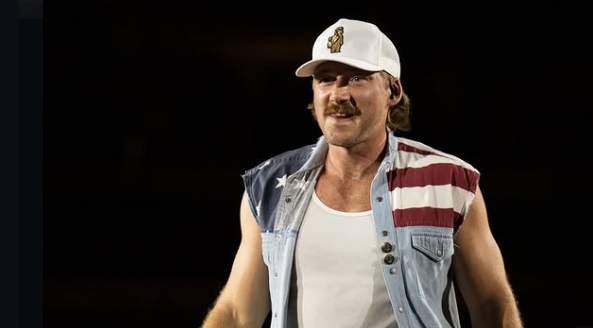
When Morgan Wallen was caught on video using a racial slur in February 2021, his label Big Loud Records suspended his contract and radio stations pulled his music. As part of his public response, Wallen donated $500,000 to Black-led organizations including the Black Music Action Coalition and the NAACP Legal Defense Fund.
The industry noted that the donation was substantial and the organizations were credible. The unwritten rule is that philanthropy in the wake of a scandal must feel targeted and genuine to matter. Stars who give to organizations with no connection to the damage they caused receive far less benefit of the doubt than those whose giving directly addresses the harm.
Selena Gomez, never let the public see the calculation
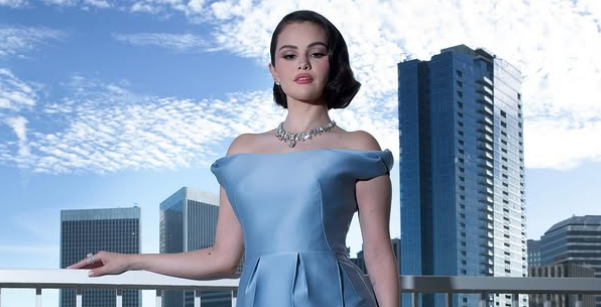
The most important unwritten rule is about the appearance of authenticity. Selena Gomez was the most-followed person on Instagram in 2016. She quietly removed all social media apps from her personal devices in 2018, telling WWD’s Beauty Inc in 2021 that the constant flow of information felt uncontrollable and gave her nothing back.
On April 5, 2022, Gomez told Good Morning America the decision had changed her life completely. She said she was happier, more present, and connected more with real people. Her team convinced her not to delete the accounts entirely, so she uses friends’ phones to post when needed. The result is an online presence that feels deliberate and human rather than managed. That distinction is the whole game at the A-list level.
Featured Image: Photo by Harald Krichel on Wikimedia Commons