Authenticity is the most coveted quality in modern celebrity culture. Fans want real. They want honest. They want raw. But there is a fine line between genuine honesty and chaos, and these celebrities crossed it in spectacular fashion.
Some shared too much at the wrong moment. Others said something true that the world was not ready to hear. A few tried to be honest and ended up looking like anything but. These are the stars who proved that messy authenticity can cost just as much as a polished lie.
Ye and the rants that burned an empire

Ye, born Kanye Omari West on June 8, 1977, in Atlanta, Georgia, had built one of the most lucrative brands in fashion and music history by 2022. His Yeezy partnership with Adidas generated over $1.5 billion in annual revenue according to Forbes. He had always been known for unfiltered opinions. But in October 2022 a series of antisemitic posts on social media finally exhausted every partner he had. Adidas terminated the Yeezy deal on October 25, 2022. Gap and Balenciaga had already cut ties weeks earlier.
He then appeared on Alex Jones’ Infowars show on December 1, 2022 and praised Adolf Hitler, denying the Holocaust while saying he liked everything about the Nazi leader. Forbes reported he lost his billionaire status immediately. He had frequently framed his unfiltered behavior as the truest form of self-expression. When his authenticity became undeniable, it cost him an estimated $2 billion in partnerships and his entire mainstream career standing in less than 90 days.
Amber Heard and the trial that played out live
Amber Heard, born April 22, 1986, in Austin, Texas, published a Washington Post op-ed in December 2018 identifying herself as a survivor of domestic abuse without naming her ex-husband Johnny Depp. Depp sued her for $50 million for defamation. The trial began April 11, 2022 in Fairfax County, Virginia and was livestreamed globally, the first celebrity trial to be so. Heard took the stand and shared deeply personal details about their relationship including alleged sexual violence and physical abuse.
Her testimony generated over 8.4 billion TikTok views under the tag AmberHeard versus nearly 10 billion under JusticeForJohnnyDepp. On June 1, 2022 the jury found she had defamed Depp and ordered her to pay over $10 million in damages. Heard was awarded just $2 million in her countersuit. The trial became a defining example of what happens when raw personal testimony meets an uncontrolled social media audience. The most honest things she said were also the things that cost her the most.
Pete Davidson and the suicide post nobody expected
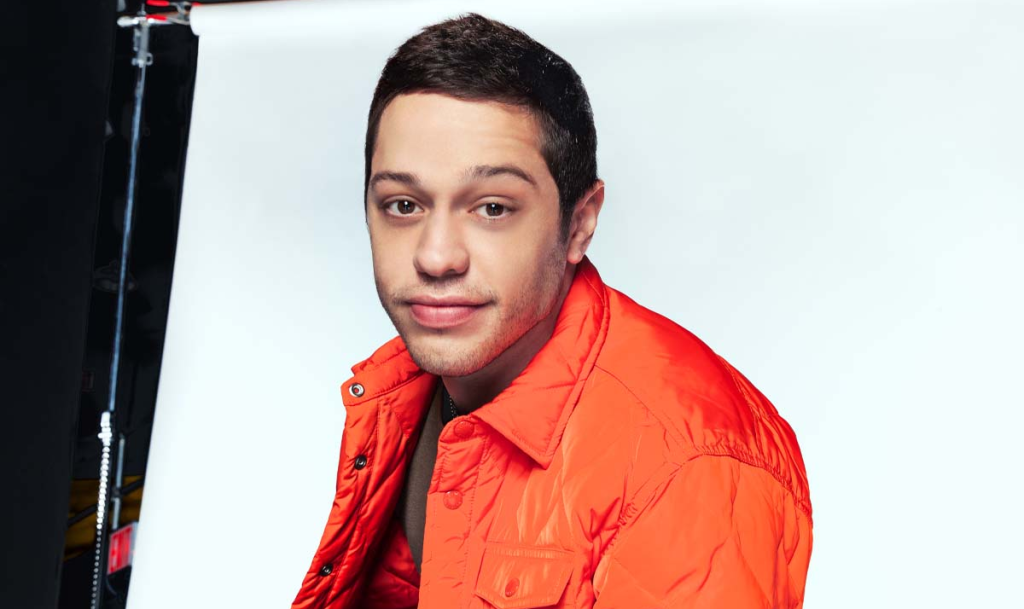
Pete Davidson, born November 16, 1993, in Staten Island, New York, lost his father Scott Davidson, a New York City firefighter, on September 11, 2001 when Pete was just seven years old. He joined Saturday Night Live in 2014 at age 20, becoming one of its youngest cast members ever. In 2017 he revealed he had been diagnosed with borderline personality disorder. He told Variety in 2021 that the diagnosis finally made him feel that “the weight of the world feels lifted off your shoulders.”
On December 3, 2018 he posted a candid Instagram note saying he did not want to be on earth anymore and did not know how much longer he could hold on. The post went viral within minutes and law enforcement conducted a welfare check at the SNL studios. He deleted the post and his Instagram account shortly after. He later said the public response that night, which included thousands of messages of support, was part of what pulled him back. His honesty in that moment was both deeply alarming and possibly lifesaving at the same time.
Colleen Ballinger and the Ukulele that backfired
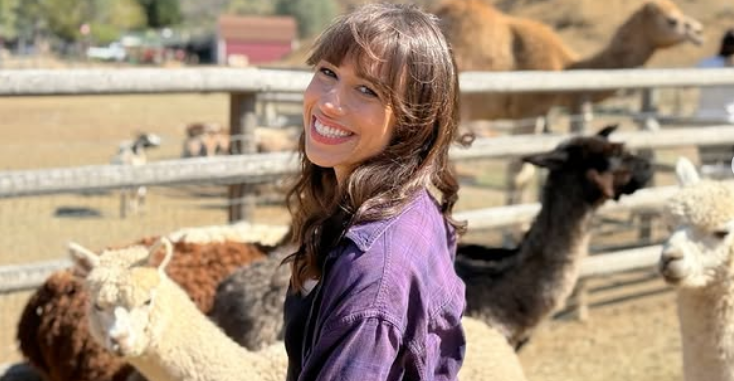
Colleen Ballinger, born November 21, 1986, in Santa Barbara, California, built a YouTube empire with her satirical character Miranda Sings, amassing more than 22 million subscribers across three channels. She also starred in the Netflix show Haters Back Off, which ran two seasons from 2016 to 2017. In June 2023 former fans accused her of having inappropriate and emotionally manipulative interactions with underage followers over many years, including sending lingerie to a minor.
Rather than issue a standard apology, she posted a 10-minute video on June 28, 2023, titled “hi,” in which she strummed a ukulele and sang about “the toxic gossip train.” The video earned over 20 million views and near-universal condemnation. She lost over 1.5 million YouTube subscribers. Her Miranda Sings tour was cancelled, her podcast with Trisha Paytas ended after three episodes, and multiple brand deals collapsed. She returned to YouTube in November 2023 calling the ukulele video “really embarrassing.” Her attempt to be her authentic, comedic self became the worst professional decision of her career.
Will Smith and the slap seen around the world
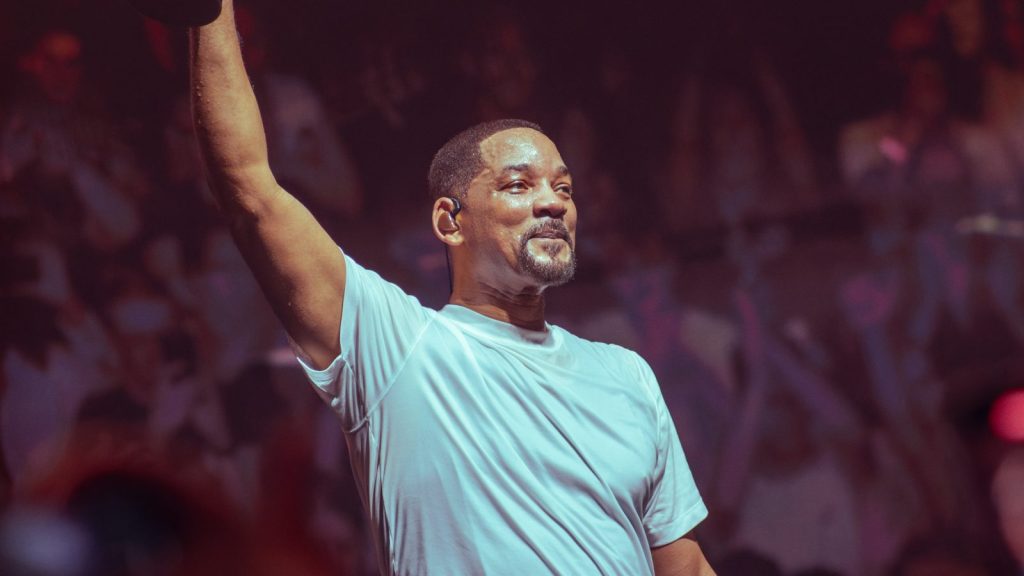
Will Smith had spent years crafting one of the most carefully managed images in Hollywood. In November 2021 he published his memoir “Will” revealing depression, childhood trauma, and complicated feelings about his marriage to Jada Pinkett Smith. He had worked hard to be seen as a genuine and thoughtful person. Then on March 27, 2022 at the 94th Academy Awards in Los Angeles he walked on stage and slapped host Chris Rock across the face after Rock made a joke about Jada’s shaved head, a result of her alopecia diagnosis.
He then sat back down, won the Best Actor Oscar for King Richard, and tearfully dedicated his acceptance speech to protecting his family. The Academy banned him from attending any Academy events for 10 years on April 8, 2022. He later posted a nearly six-minute video on Instagram and YouTube on July 29, 2022 apologizing directly to Rock, saying he was “deeply remorseful” and that his behavior was “unacceptable.” Every attempt at public authenticity after the slap felt complicated by the very public nature of what he had done. His honest emotion in that moment redefined his entire legacy.
Justin Bieber and the Instagram he could not control
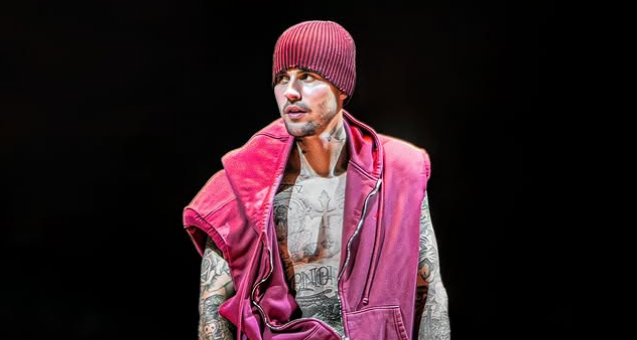
Justin Bieber, born March 1, 1994, in London, Ontario, Canada, has used social media as a real-time diary since the beginning of his fame. In 2016 he deleted his Instagram account entirely after fans attacked his then-girlfriend Sofia Richie in his comments. He returned, deleted it again, and returned once more in a pattern that repeated throughout his career. He revealed a Lyme disease diagnosis in January 2020 and later disclosed he had been suffering from Ramsay Hunt syndrome, which left half of his face temporarily paralyzed in June 2022.
In March 2025 he posted a raw message on Instagram Stories writing that he had “always felt unworthy, like I was a fraud.” Reports from Us Weekly around the same period cited sources saying Hailey Bieber was worried about his mental state. His unfiltered social media posts have repeatedly sparked global concern, media cycles, and fan anxiety rather than the connection he sought. Justin Bieber’s authenticity has always been real but has rarely been controlled, and the gap between those two things has defined his public life for over a decade.
Jada Pinkett Smith and the separation she told on live TV
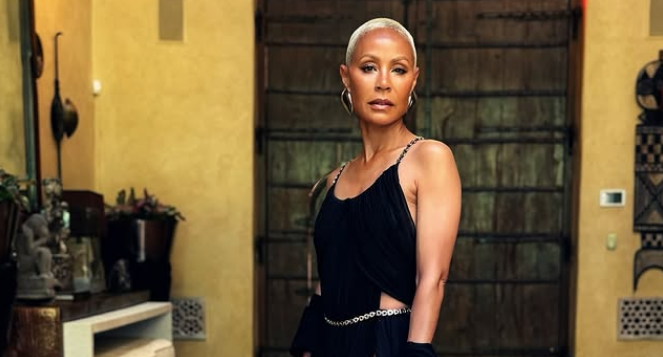
Jada Pinkett Smith, born September 18, 1971, in Baltimore, Maryland, built her platform on radical honesty through Red Table Talk, a Facebook Watch show she launched in 2018 with her daughter Willow and her mother Adrienne Banfield-Norris. In July 2020 she sat down with her husband Will Smith on the show and used the word “entanglement” to describe her relationship with singer August Alsina while she and Will were married. The word became one of the most mocked celebrity phrases of the year.
In October 2023 she released her memoir “Worthy” and gave an interview to NBC’s Today show in which she confirmed she and Will had been living separately since 2016. She told host Hoda Kotb they had not filed for divorce because neither of them had “figured out” what they wanted. The timing came just three days before the book hit shelves. Critics accused her of using Will’s Oscars fallout and their private marriage to sell a book at the worst possible moment. Her honesty may have been real. But the method and timing made nearly everyone uncomfortable.
Demi Lovato and the gender reveal that kept changing
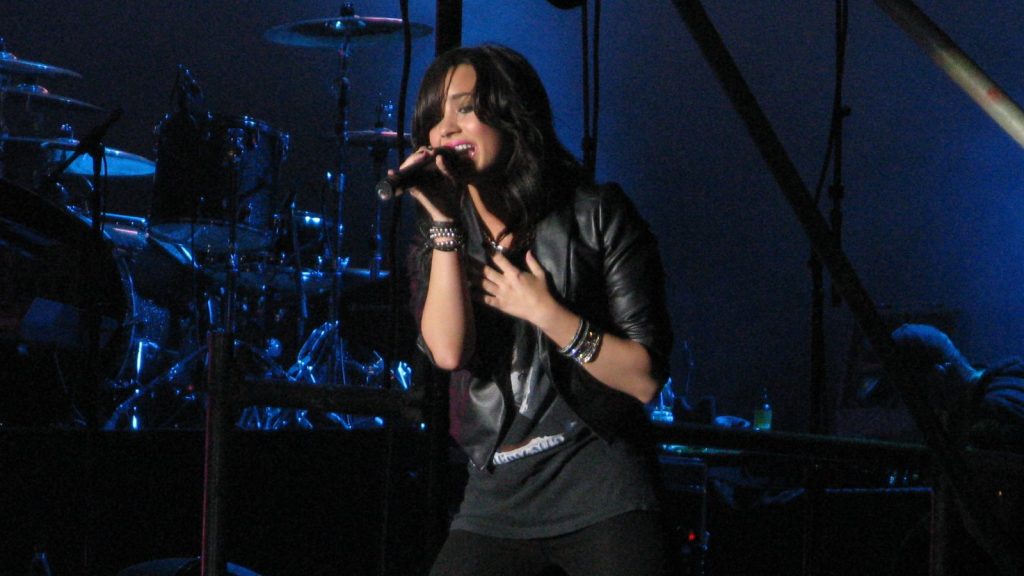
Demi Lovato, born August 20, 1992, in Albuquerque, New Mexico, came out as nonbinary in May 2021 and announced they were changing their pronouns to they/them in an episode of their YouTube docuseries “Dancing with the Devil.” They said the decision reflected “who I feel I am most authentically.” In July 2022, less than 14 months later, they told the Spout Podcast that they had updated their pronouns again to include she/her, saying they had become more comfortable with their femininity.
Critics questioned the rapid public shifts. Supporters argued that gender identity is genuinely fluid and that both announcements were authentic. Lovato also shared their 2018 overdose in exhaustive detail in the four-part documentary “Demi Lovato: Dancing with the Devil” released on YouTube in March 2021. They revealed that they had suffered three strokes and a heart attack during the overdose and were left with blind spots in their vision. Their willingness to share every stage of their evolution publicly made every update feel both brave and at times unsettling to watch in real time.
Trisha Paytas and the internet that never looked away
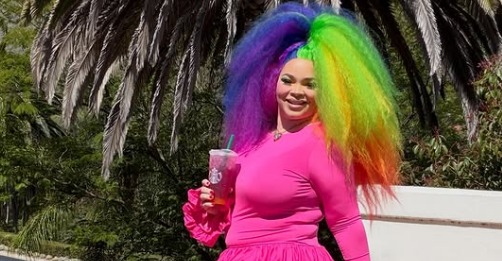
Trisha Paytas, born May 8, 1988, in Riverside, California, created their YouTube channel in 2007 and built a following by sharing everything from crying on kitchen floors to detailed accounts of breakups, drug addiction, and mental health crises. Their videos accumulated over 1.9 billion views across multiple channels. They co-hosted the podcast Frenemies with Ethan Klein from September 2020 until its collapse in June 2021, which itself became one of YouTube’s most publicly documented falling-outs.
Paytas was hospitalized three times in 2019 and later disclosed a methamphetamine addiction in a Rolling Stone interview published in March 2024. Their daughter Malibu Barbie was born in September 2022 and became the subject of a viral internet meme linking celebrity births to famous deaths. Paytas has described their public persona as simultaneously their greatest tool and their greatest wound. They told Rolling Stone they were “a really not-well person” for years, but that becoming a mother finally gave them a reason to try to love themselves. Their entire career is a case study in what happens when radical transparency becomes the only mode you know.
Chrissy Teigen and the Tweets that erased a brand
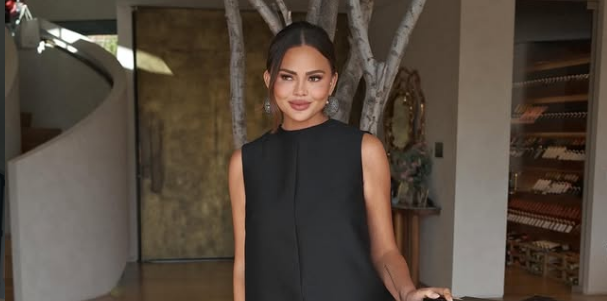
Chrissy Teigen, born November 30, 1985, in Delta, Utah, built her entire public identity on radical unfiltered honesty. She had 13.5 million Twitter followers and was widely praised for being one of the few celebrities who felt genuinely real online. Then in May 2021 a Daily Beast interview with model Courtney Stodden surfaced decade-old tweets Teigen had sent. Stodden, who was a teenager at the time, said Teigen had publicly tweeted phrases like “my Friday fantasy: you. dirt nap” and privately sent direct messages saying “I can’t wait for you to die.”
Teigen first apologized on Twitter on May 12, 2021, calling herself “an insecure, attention seeking troll.” She then published a longer apology on Medium admitting there was “simply no excuse” for her past tweets. Stodden publicly accepted the apology but said Teigen had never reached out privately and had still blocked them on social media. Target mutually ended her cookware line and Macy’s removed it from its website. She was dropped from her voiceover role in Netflix’s Never Have I Ever. The woman who had built a career on being the most honest person in any room turned out to have a private online history that contradicted everything her brand stood for.
Featured Image: Photo by Gage Skidmore on Wikimedia Commons