Canada has produced solo artists who became genuine global phenomena, Neil Young, Joni Mitchell, Drake, but the country’s bands often get less credit than they deserve. That’s a mistake. Several Canadian groups didn’t just chart well in their home country.
They reshaped genres, sold tens of millions of records worldwide, and left marks on music that are still audible decades later. Some of them built their reputations on relentless touring before anyone outside Ontario or Quebec knew their names. Others broke through almost overnight. What most of them share is a refusal to stay neatly inside one sound.
1. Rush
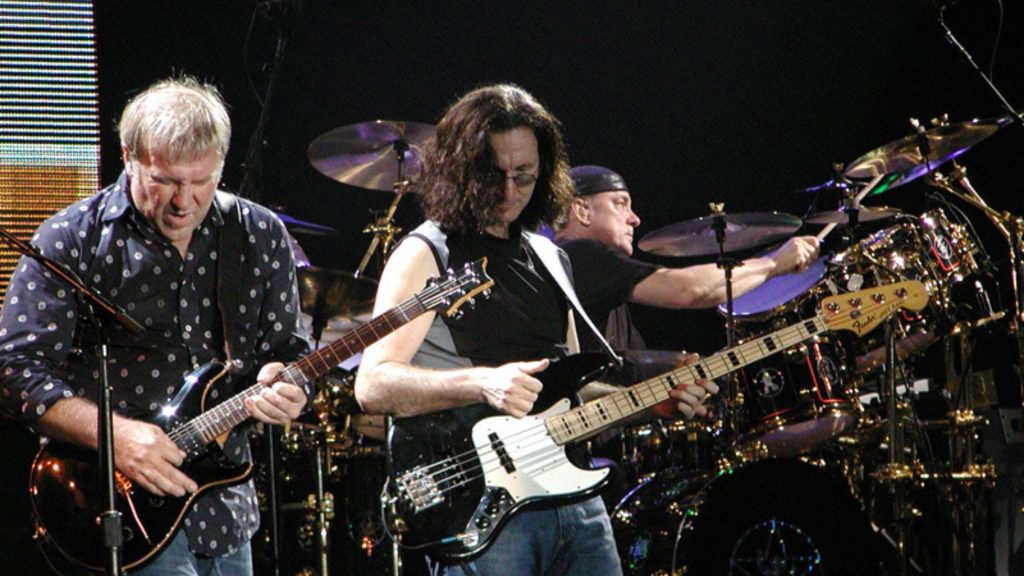
No conversation about Canadian rock starts anywhere other than Rush. The Toronto power trio of Geddy Lee, Alex Lifeson, and Neil Peart spent the 1970s and ’80s building one of the most technically demanding catalogs in rock history. Peart’s drumming became a benchmark that drummers still measure themselves against.
Albums like Permanent Waves and Moving Pictures sold millions while blending hard rock with progressive structure and oddly literary lyrics. They were inducted into the Rock and Roll Hall of Fame in 2013, after years of fan campaigns that turned into something of a pop culture running joke. The induction was long overdue.
2. The Tragically Hip

In the United States, The Tragically Hip remain something of a cult act. In Canada, they were essentially a national institution. The Kingston, Ontario band, fronted by Gord Downie, sold out arenas for two decades on the strength of songs that referenced Canadian history, hockey, and small-town life in ways that felt deeply specific rather than generic.
Their 2016 farewell tour, announced after Downie’s terminal brain cancer diagnosis, drew an estimated 11.7 million viewers in Canada for the final broadcast, roughly a third of the country’s population.
3. Arcade Fire
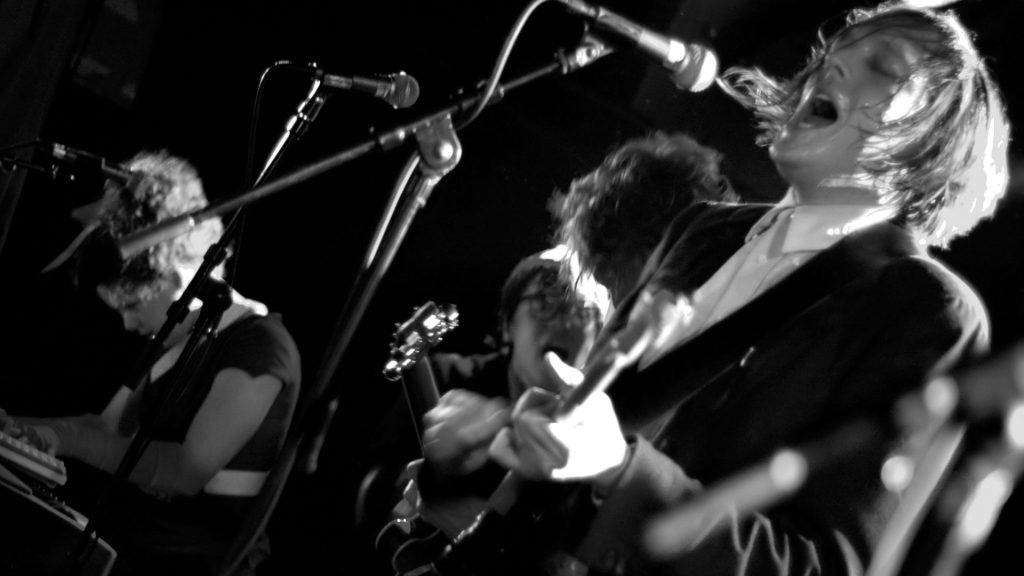
When Arcade Fire released Funeral in 2004, it arrived like something that shouldn’t have worked on paper: an eight-piece Montreal band playing orchestral indie rock about suburban alienation and childhood grief. It worked spectacularly.
The Suburbs, their 2010 follow-up, won the Grammy for Album of the Year, which surprised enough people that the reaction itself became a minor cultural moment. Win Butler and Régine Chassagne built a band that expanded the emotional range of what indie rock could do.
4. Barenaked Ladies
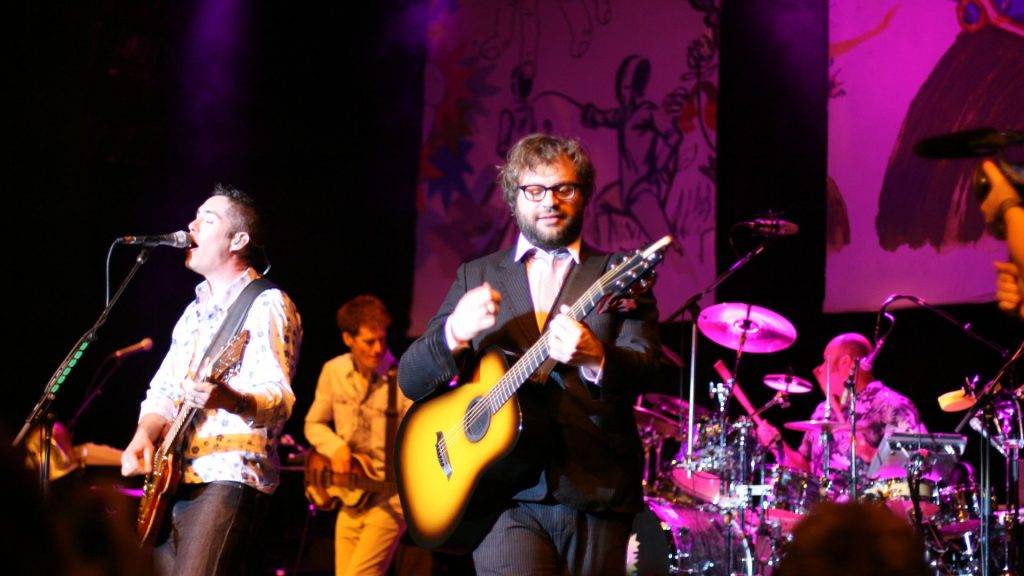
Before Ed Robertson and Steven Page became known for novelty radio hits, Barenaked Ladies spent years in Toronto coffeehouses developing a live show built on improvisation, wordplay, and musicianship sharp enough to back up the jokes.
“One Week” hit number one in the U.S. in 1998 and became inescapable, but albums like Gordon and Stunt showed a band with genuine range. They could be funny and melancholy in the same song without either quality undermining the other.
5. The Band
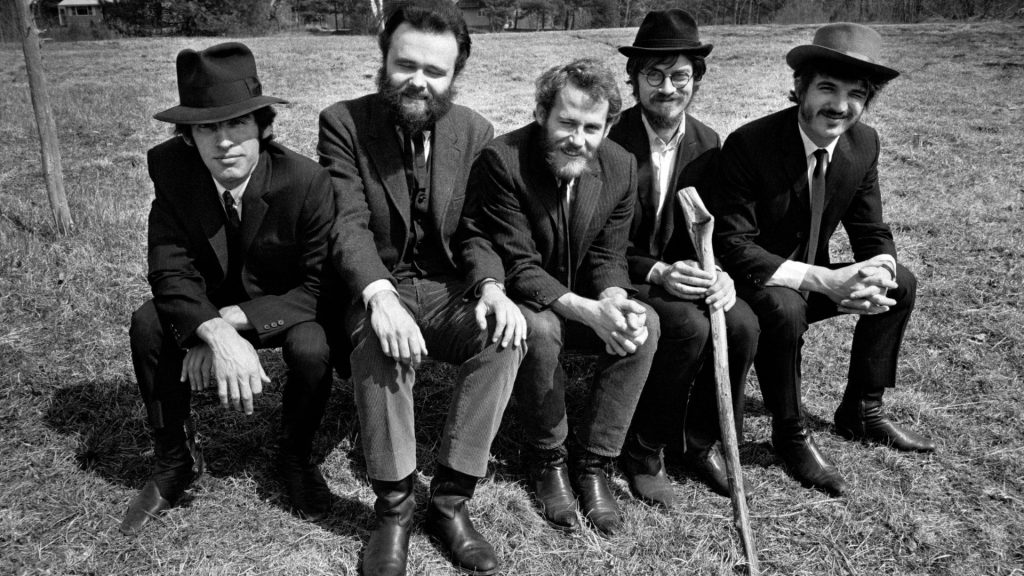
Four of The Band’s five members were Canadian, even though the group is almost always discussed in the context of American roots music.
Robbie Robertson, Rick Danko, Richard Manuel, Garth Hudson, and Levon Helm (the lone American) created a sound on Music from Big Pink and The Band that drew from Appalachian folk, R&B, and country in proportions nobody else had thought to try. Bob Dylan recognized what they were before most of the world did, which is why he chose them as his backing group.
6. Godspeed You! Black Emperor
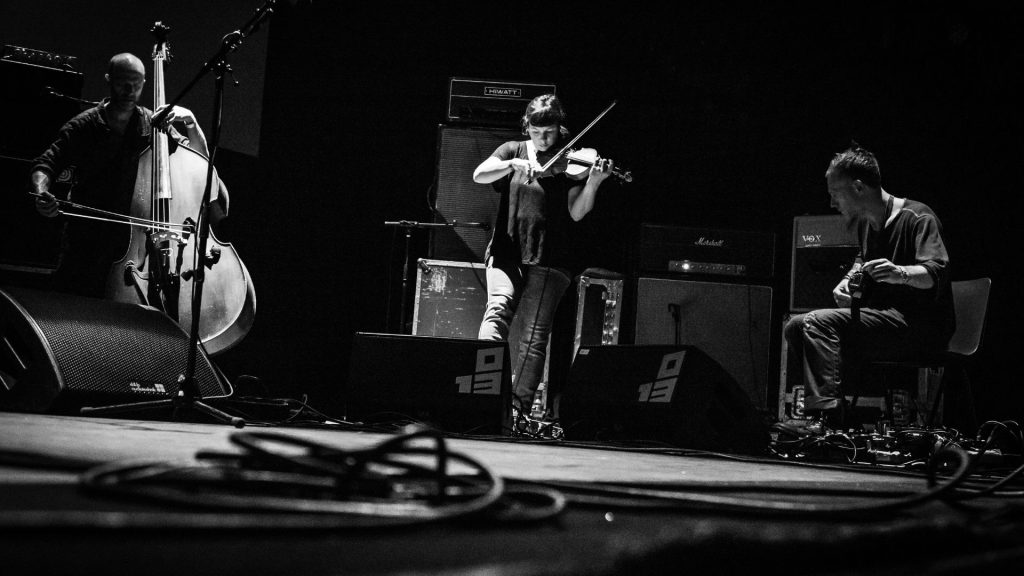
Montreal’s Godspeed You! Black Emperor operate at the far end of the musical spectrum from radio-friendly, and that has never appeared to bother them. The nine-piece collective makes long, mostly instrumental pieces that move through tension and release over twenty or thirty minutes.
Their 2000 album Lift Your Skinny Fists Like Antennas to Heaven became a cornerstone of post-rock. They’ve never chased crossover success and have built a devoted following on exactly those terms.
7. Nickelback

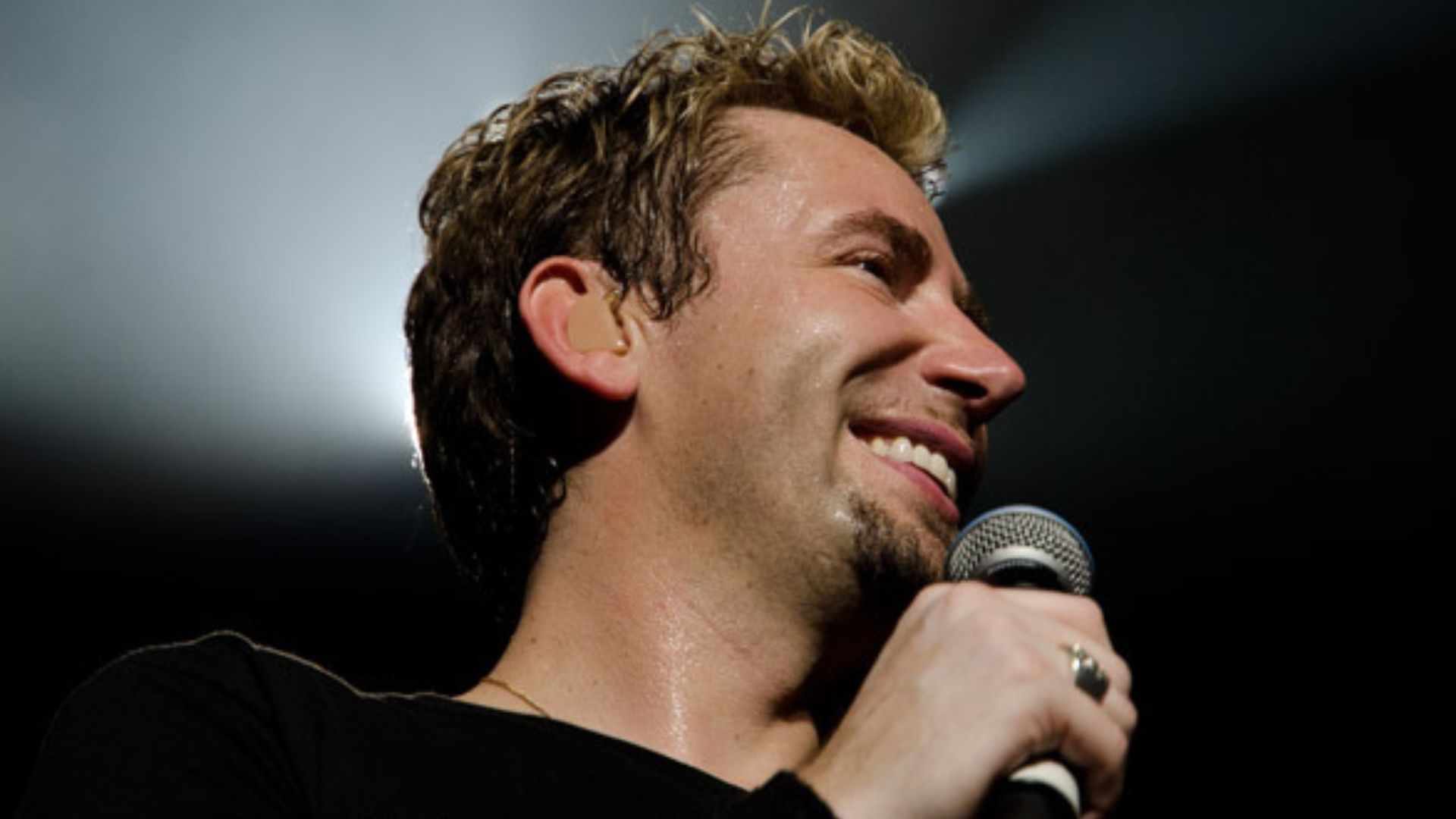
Nickelback became the internet’s favorite punching bag sometime around 2005, and the mockery stuck long enough that it obscured something worth acknowledging: the Alberta band sold over 50 million records worldwide.
Silver Side Up and The Long Road connected with an enormous audience who responded to Chad Kroeger’s rasp and the band’s blunt, melodic approach to post-grunge. Critical consensus and commercial reality have rarely diverged so sharply.
8. Propagandhi
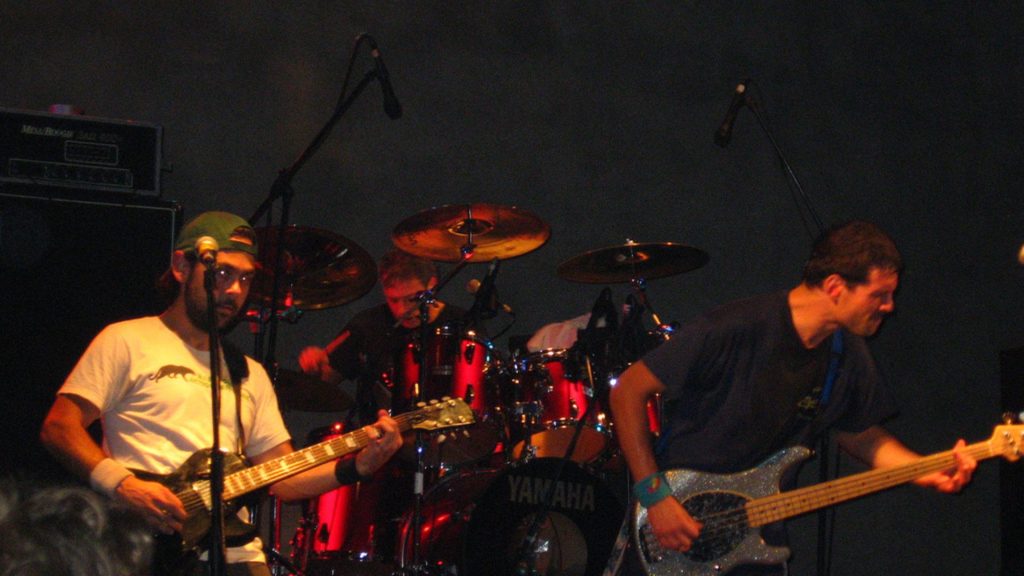
Winnipeg’s Propagandhi never sold 50 million records and never tried to. Since forming in 1986, they’ve released a catalog of technically ferocious punk and metal that also functions as political philosophy.
Albums like How to Clean Everything and Supporting Caste influenced an entire generation of politically engaged punk bands. They are a textbook case of a band that built its reputation entirely through music and consistency rather than image management.
9. Simple Plan

Montreal’s Simple Plan arrived in 2002 with No Pads, No Helmets…Just Balls and promptly became one of the defining pop-punk acts of the decade. They were never critics’ darlings, but they understood their audience with precision. Songs like “I’m Just a Kid” and “Addicted” captured adolescent frustration in terms that resonated across borders.
Their reach extended into Japan, Southeast Asia, and Latin America in ways that most rock bands of that era never managed, giving them a global footprint that still holds up as an underappreciated part of the early 2000s pop-punk story.