Hollywood has a short memory. An actor can spend years at the top of the call sheet, commanding eight-figure salaries and awards attention, and then find themselves fielding offers that would have embarrassed them a decade earlier. It happens more often than the industry likes to admit, and the reasons are rarely as simple as talent fading.
Tastes shift. Franchises end. One or two box office disappointments in a row can quietly reclassify a “star” as a “risk.” These nine names all know what it feels like when the momentum stops.
1. Macaulay Culkin
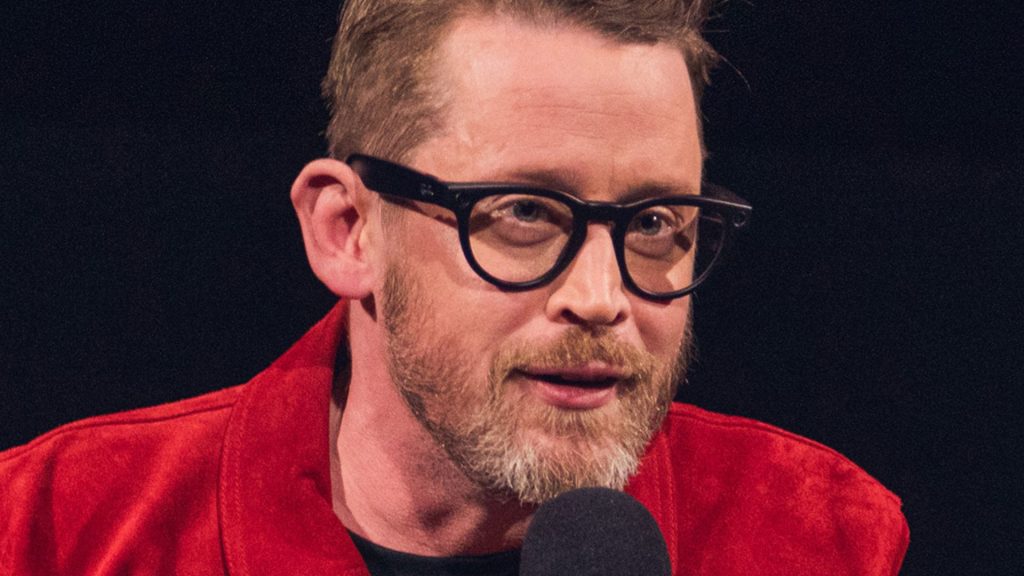
Few child stars burned as brightly as Culkin did in the early 1990s. “Home Alone” turned him into a genuine phenomenon at age ten, and for a brief stretch he was the most recognizable kid on the planet. By his mid-teens, the offers had dried up substantially.
A difficult relationship with his father, who also served as his manager, played out publicly in ways that made studios uncomfortable. Culkin largely stepped back from acting through his twenties. He found a second act of sorts through the Bunny Ears podcast and a recurring role on “American Horror Story,” but the blockbuster trajectory never resumed.
2. Eddie Murphy
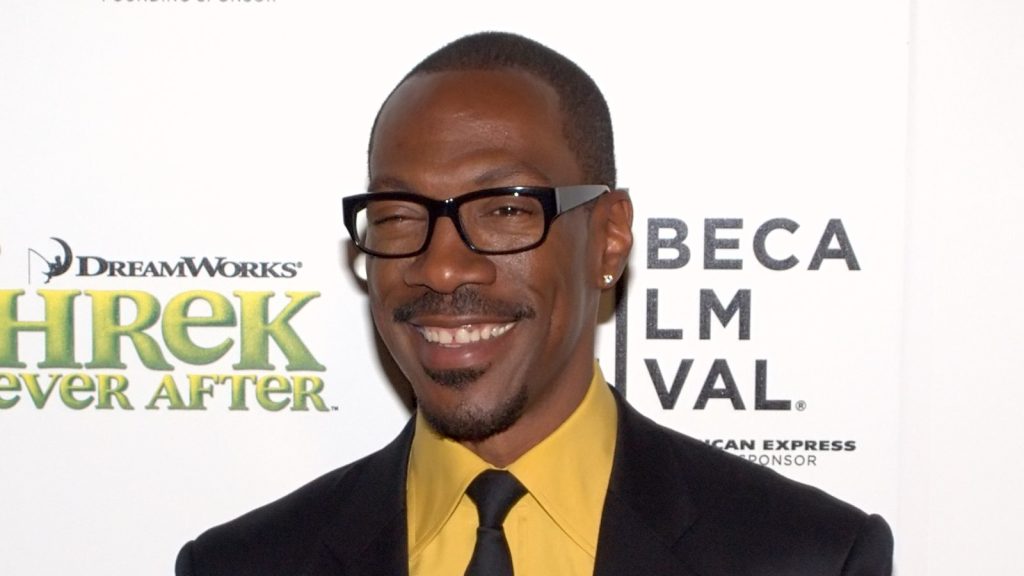
There is arguably no steeper fall in modern Hollywood than Eddie Murphy’s run from 1996 to 2010. After “Beverly Hills Cop,” “Coming to America,” and “Trading Places,” he became one of the highest-paid actors in the business.
Then came a string of critically dismissed family comedies and the catastrophic “Norbit,” which is widely credited with damaging his Oscar chances for “Dreamgirls” that same year. Murphy retreated from films almost entirely before “Dolemite Is My Name” in 2019 reminded audiences what he was capable of. The comeback was real, though it took the better part of two decades to arrive.
3. Lindsay Lohan
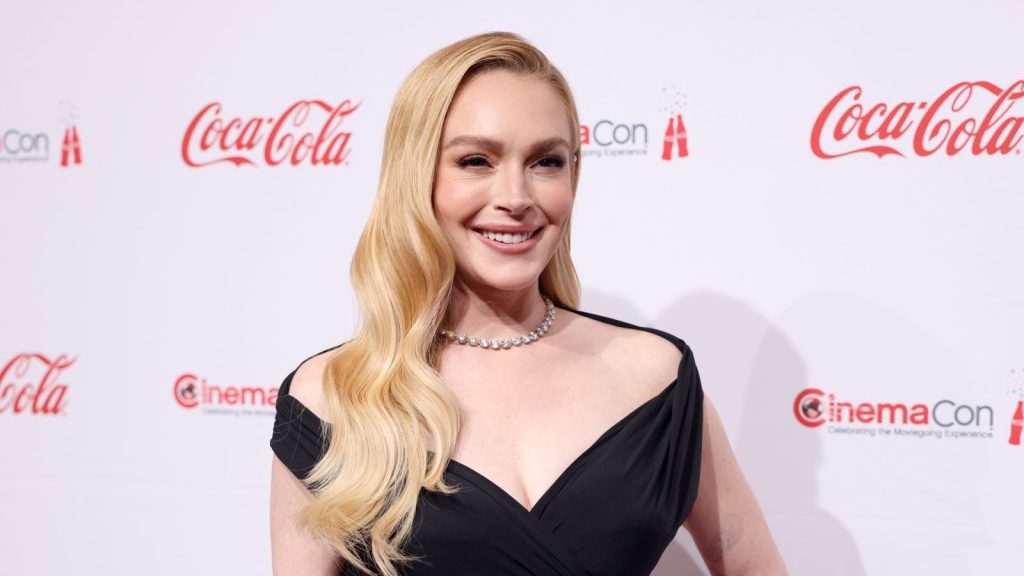
Lohan delivered genuinely strong performances in “Mean Girls” and “Freaky Friday” and seemed positioned for a long career in her early twenties. Repeated legal troubles and a series of high-profile personal crises made her effectively uninsurable for major productions.
Directors who wanted her couldn’t get her bonded. By the early 2010s, the roles had essentially stopped. She has made efforts at rehabilitation, both personal and professional, including a Netflix holiday film in 2022 and its sequel in 2023, though nothing has approached the commercial weight of her peak years.
4. Cuba Gooding Jr.

“Jerry Maguire” won him an Oscar in 1997 and should have opened every door in town. What followed instead was a baffling series of choices: “Boat Trip,” “Daddy Day Camp,” “Norbit.” He became something of a cautionary reference point in Hollywood for squandering post-Oscar momentum.
Legal troubles beginning around 2019 further complicated his standing in the industry. His career trajectory remains one of the more puzzling in recent memory given the talent he clearly demonstrated early on.
5. Brendan Fraser
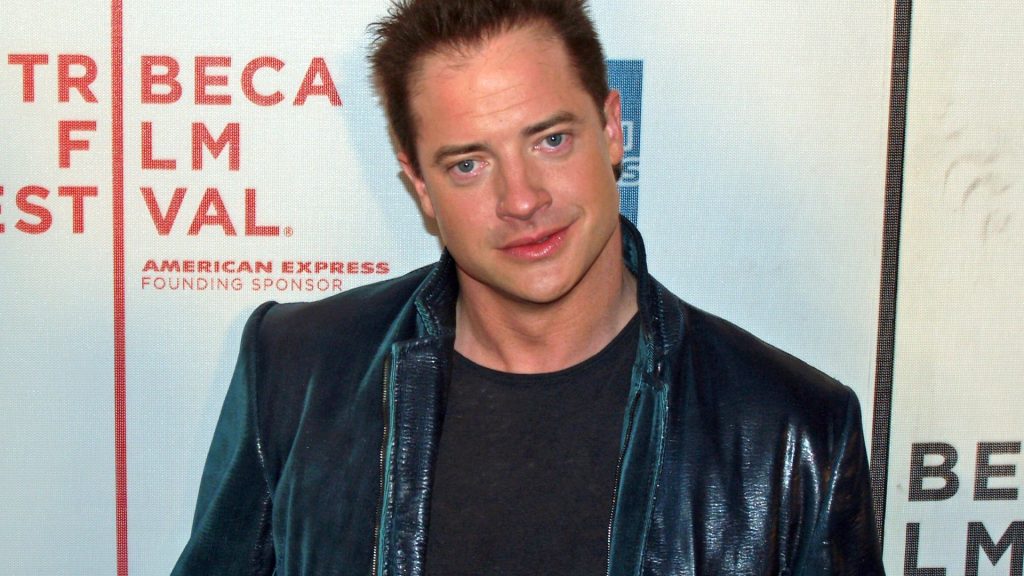
Fraser was everywhere in the late 1990s and early 2000s. “The Mummy,” “George of the Jungle,” and “Bedazzled” made him a reliable draw. He has spoken openly about how an alleged assault by former Hollywood Foreign Press Association president Philip Berk in 2003 led him to withdraw from the industry.
His physical and emotional health suffered during that period, and the leading-man offers stopped. The 2022 film “The Whale” brought him back into serious awards conversation, and his Oscar win that year was one of the more emotionally charged moments in recent Academy history.
6. Pauly Shore
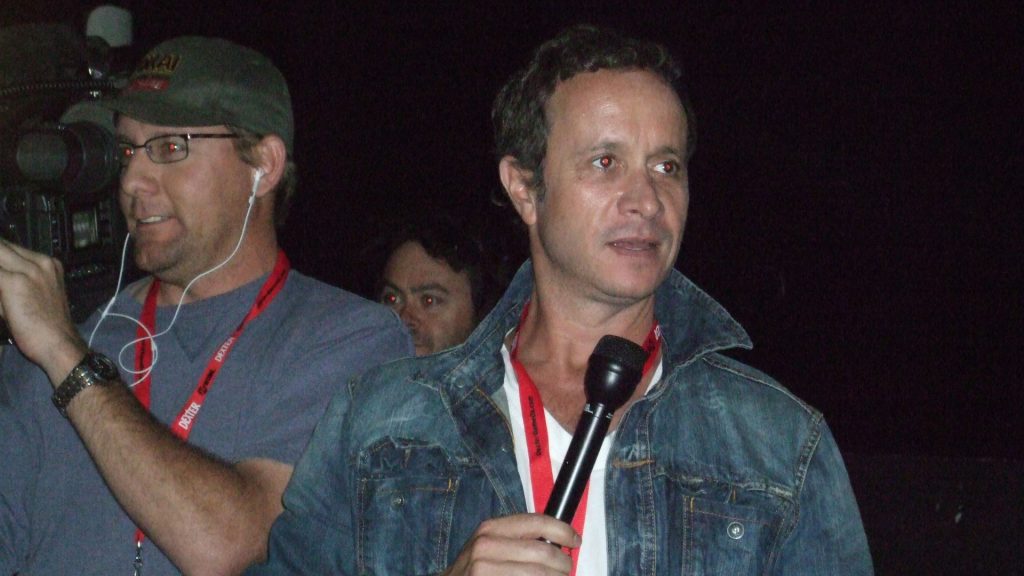
Shore’s particular brand of comedy connected hard with a specific early-1990s audience. “Encino Man,” “Son in Law,” and “Bio-Dome” each found a crowd. By the mid-1990s the formula had exhausted itself, and the theatrical offers disappeared almost completely.
Shore has continued working in stand-up and has made occasional film appearances, but the studio system moved on from him quickly and never looked back.
7. Megan Fox
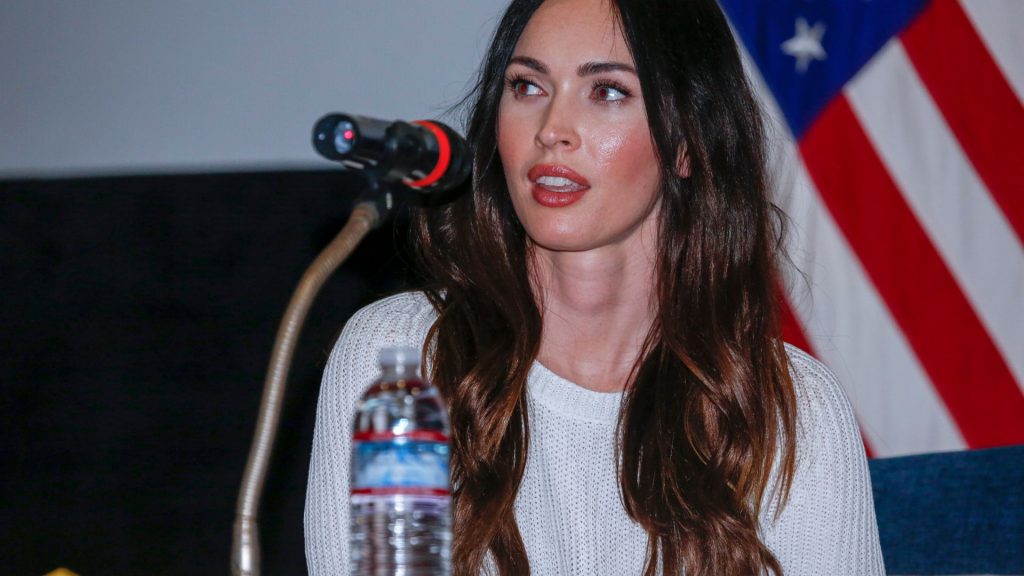
Fox’s career after “Transformers” should have been straightforward. She was one of the most searched celebrities on the internet in 2009. Public friction with director Michael Bay, including comments that drew comparisons to Adolf Hitler in a magazine profile, led to her removal from the third “Transformers” film.
The roles she was offered afterward were smaller, and several projects she headlined underperformed. She has remained a visible public figure, though the level of studio investment in her as a lead has never returned to what it was around 2008 and 2009.
8. Val Kilmer
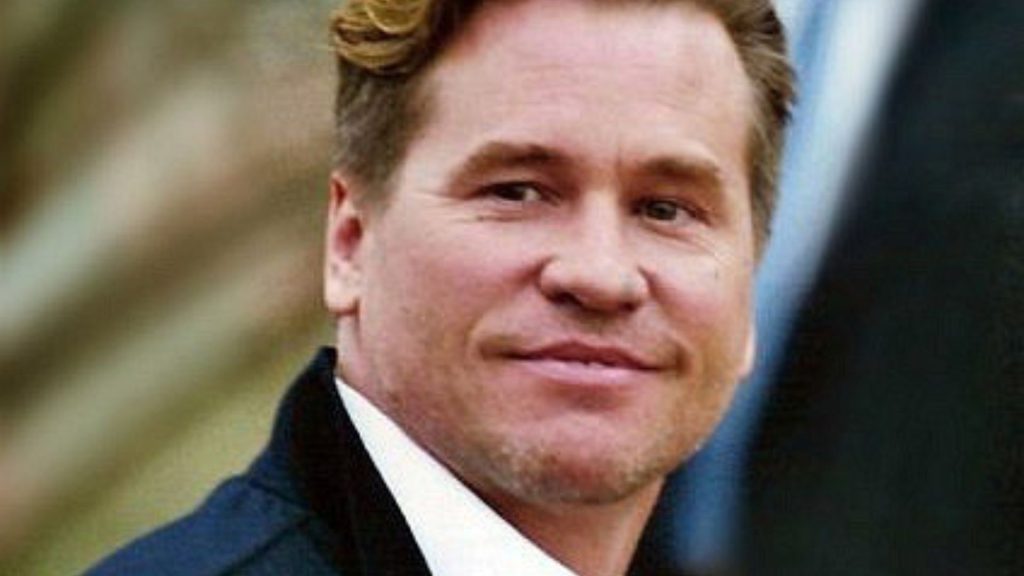
Kilmer was a credible candidate to be the biggest movie star of his generation in the mid-1990s. “Top Gun,” “Batman Forever,” and “Heat” all arrived within a few years of each other. His reputation for being difficult on set followed him throughout that decade, and by the early 2000s, major productions were steering around him.
A throat cancer diagnosis in 2015 affected his voice and his ability to work extensively. He appeared in “Top Gun: Maverick” in 2022 in a limited but meaningful role before his death in April 2025.
9. John Travolta
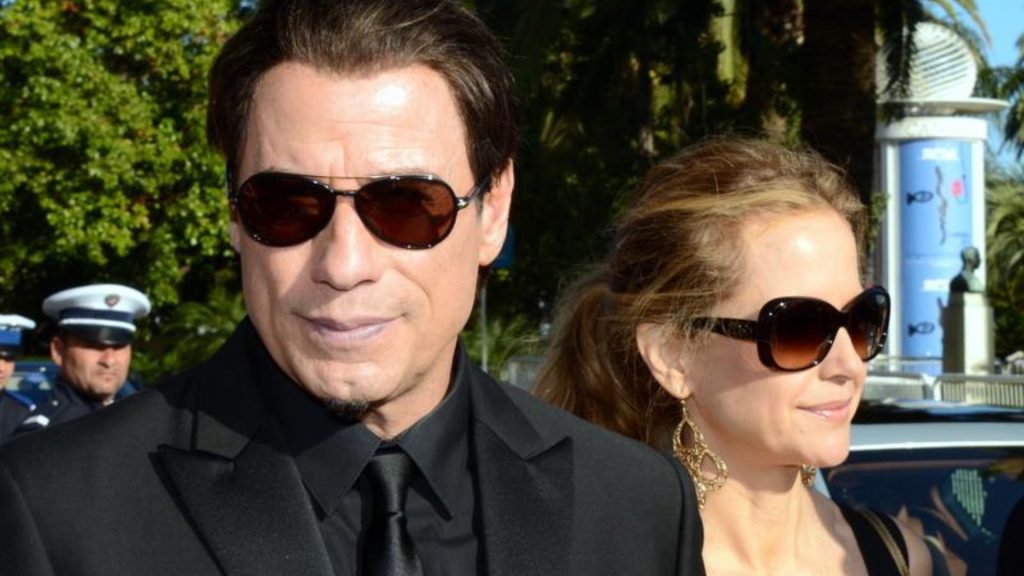
Travolta’s first decline came after “Saturday Night Fever” and “Grease,” when a series of flops through the 1980s nearly ended his career entirely. Quentin Tarantino cast him in “Pulp Fiction” in 1994 and reset everything.
Then it happened again: “Battlefield Earth,” the Scientology-linked passion project he spent years trying to get made, arrived in 2000 to some of the worst reviews in Hollywood history and effectively derailed his second act. He has continued working steadily, but the credibility he rebuilt in the 1990s never fully recovered from that one film.