Fame and credibility tend to travel together, whether or not they should. When a celebrity endorses a product, promotes a lifestyle, or makes public claims about health, finance, or science, millions of people pay attention. That trust has sometimes been tested when public statements, endorsements, or business ventures later became the subject of controversy.
Some cases involved regulatory action or legal findings. Others sparked debate about whether public figures were promoting ideas that lacked sufficient evidence. Either way, these controversies attracted widespread attention and raised questions about the responsibility that comes with influence.
1. Gwyneth Paltrow and Goop
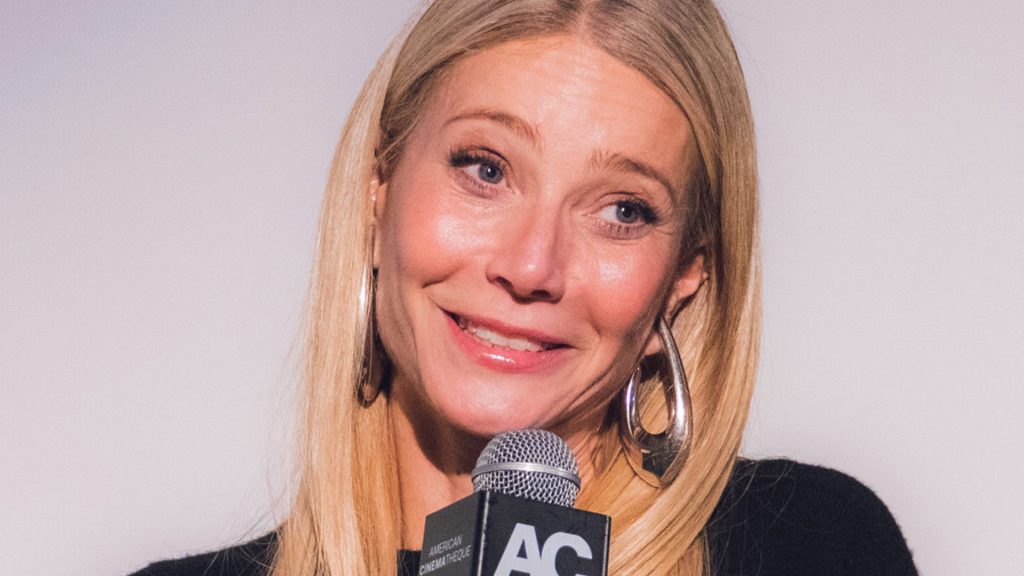
Gwyneth Paltrow built Goop into a wellness empire, but the products and claims behind it drew serious regulatory scrutiny. In 2018, Goop paid $145,000 to settle a lawsuit over unsubstantiated health claims tied to jade eggs and other products.
Critics, including medical professionals, argued the brand routinely promoted ideas that were not supported by scientific evidence. The settlement required no admission of wrongdoing, but the controversy helped fuel an ongoing debate about celebrity influence in the wellness industry.
2. Kim Kardashian and the SEC
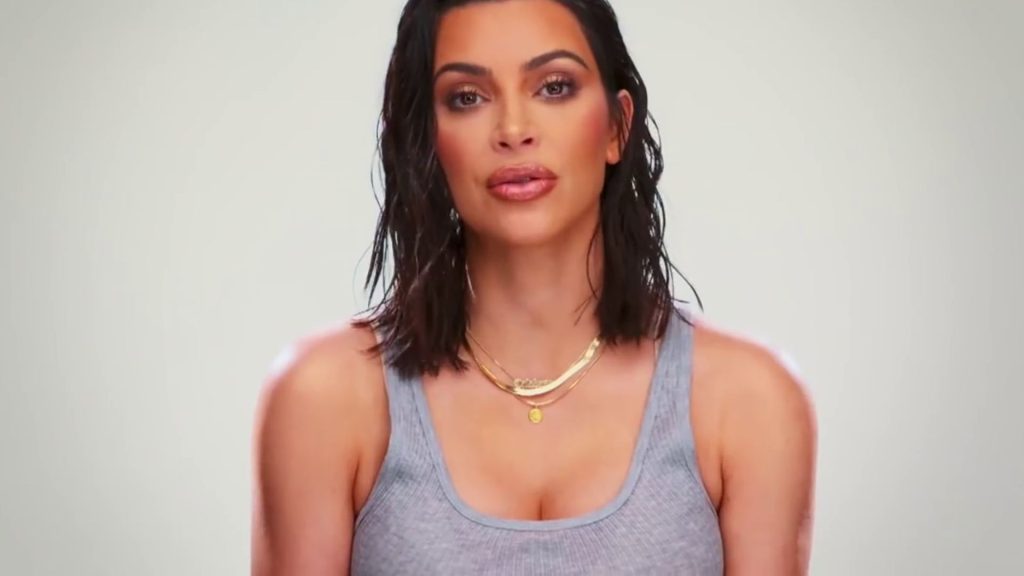
In 2022, the SEC charged Kim Kardashian for promoting EthereumMax tokens on Instagram without disclosing she had been paid $250,000 to do so.
She agreed to pay roughly $1.26 million in penalties, disgorgement, and interest. The case became one of the most high-profile examples of celebrity cryptocurrency promotion attracting regulatory attention. Many investors who bought the token during its period of intense publicity later saw its value decline significantly.
3. Logan Paul and CryptoZoo
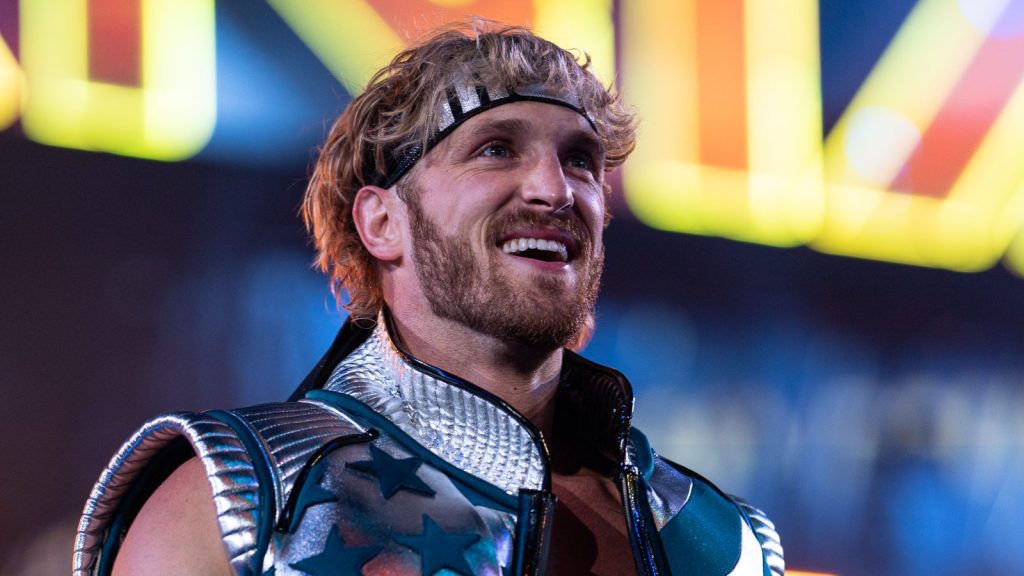
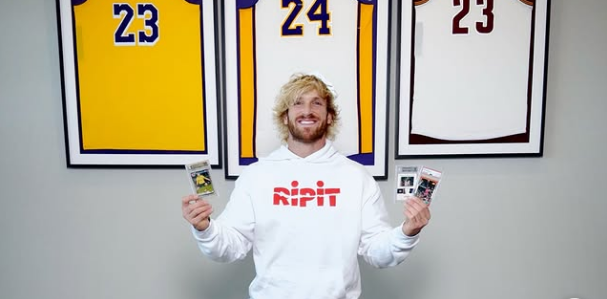
Logan Paul promoted CryptoZoo as a blockchain-based game where users could buy NFT eggs, hatch rare animals, and potentially earn rewards through gameplay. The project attracted significant attention from his large online following and generated substantial investment from supporters.
However, buyers later complained that many promised features never materialized and that the game was effectively unusable. Investigations by online journalists and YouTubers brought renewed scrutiny to the project, leading to allegations that investors had been misled about what CryptoZoo would ultimately deliver.
Paul denied that CryptoZoo was a scam and announced plans for a recovery program for eligible purchasers. Nevertheless, the controversy remains one of the most widely discussed examples of a celebrity-backed crypto project becoming the subject of investor complaints and public criticism.
4. Lance Armstrong
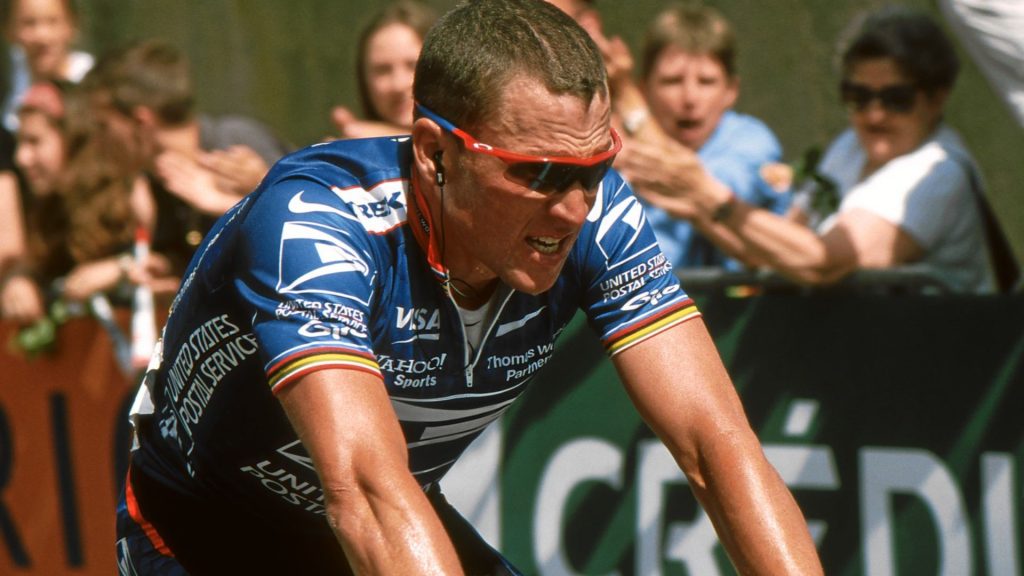
For years, Lance Armstrong denied doping allegations with unusual intensity. He pursued legal action against accusers, criticized critics publicly, and maintained his innocence throughout his run of seven Tour de France titles.
The story unraveled in 2012 when the U.S. Anti-Doping Agency released a detailed report, and Armstrong later admitted to using performance-enhancing drugs during a 2013 interview with Oprah Winfrey. Sponsors had invested heavily in his image, and some later sought to recover funds through legal action.
6. Billy McFarland and Fyre Festival
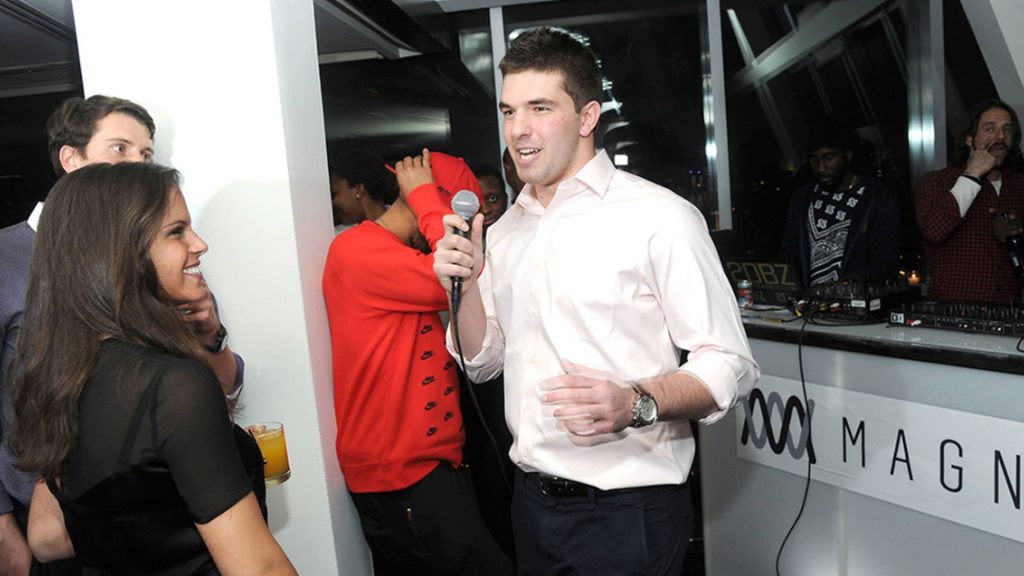
Billy McFarland was not a traditional celebrity, but he used celebrity partnerships, including with Ja Rule and a roster of supermodels, to market a luxury music festival experience in 2017.
Thousands paid premium prices for what ultimately became one of the most infamous event failures in recent memory. McFarland was later sentenced to six years in federal prison for wire fraud. The celebrities who appeared in promotional campaigns were not criminally charged, but the event generated substantial public criticism and media attention.
7. Jenny McCarthy and Vaccine Controversies
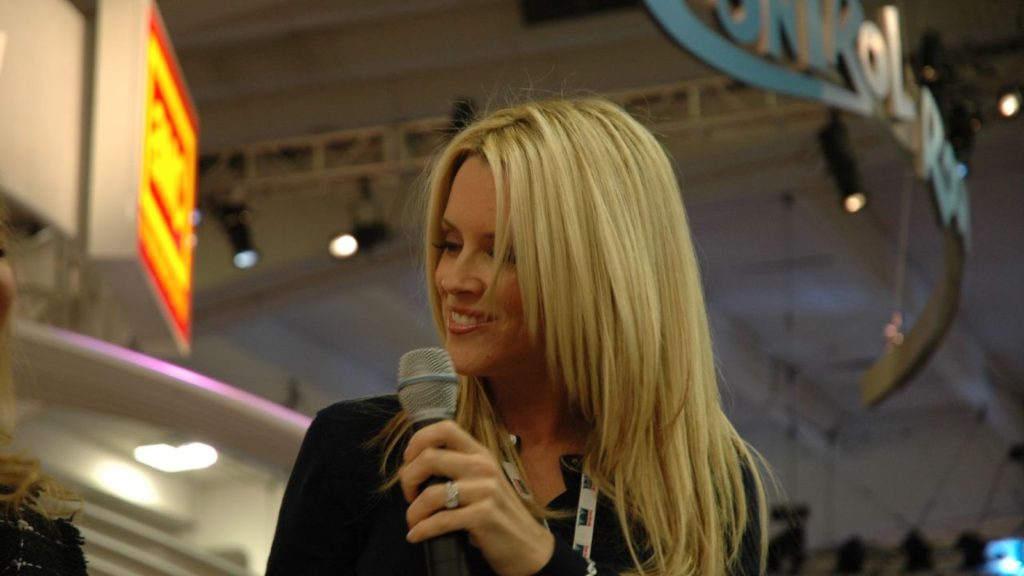
Jenny McCarthy became one of the most prominent public figures associated with claims linking vaccines to autism during the 2000s. She frequently discussed her views in interviews, television appearances, and public advocacy efforts.
Medical organizations and scientific researchers strongly disputed those claims, citing extensive studies that found no evidence of a causal link between vaccines and autism. McCarthy has maintained that her goal was to encourage discussion about children’s health, but her comments remain a major point of debate in conversations about celebrity influence and public health information.
8. Elizabeth Holmes
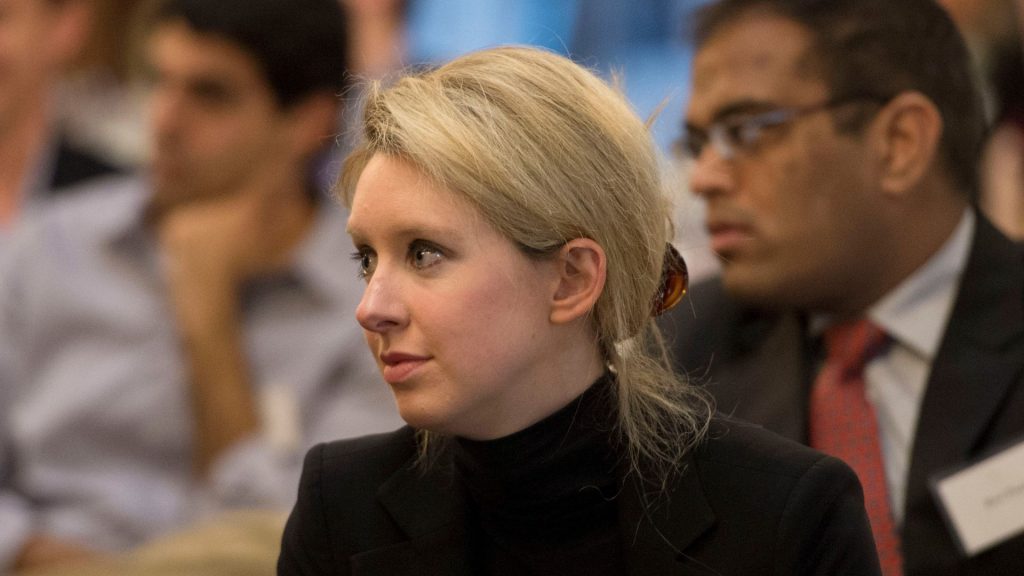
Elizabeth Holmes convinced investors, business partners, and the public that Theranos had developed blood-testing technology capable of running hundreds of tests from a single finger prick. She raised more than $700 million from investors and became one of Silicon Valley’s most celebrated entrepreneurs.
The technology ultimately failed to perform as advertised, and Holmes was convicted of fraud in 2022. She was later sentenced to more than 11 years in federal prison. The Theranos saga remains one of the most significant corporate scandals of the modern era.
The Pattern Worth Recognizing
What connects many of these cases is the gap between public perception and reality. In some instances, regulators, courts, or investigators concluded that important information had been withheld or misrepresented. In others, critics argued that public claims were presented with greater certainty than the available evidence justified.
Celebrity trust is often borrowed from one area of achievement and applied to another. A successful actor, athlete, influencer, or entrepreneur may command public attention, but that visibility does not automatically make their views reliable in fields such as medicine, investing, or science. These controversies serve as reminders that popularity and expertise are not always the same thing.