A handful of songs have crossed from popular music into something closer to financial institutions. They collect money from radio stations, streaming services, TV commercials, movie soundtracks, wedding playlists, and elevator speakers. Some of them have been earning royalties for decades and show no signs of stopping.
The numbers attached to these songs are genuinely staggering, and the stories behind how they got there are often stranger than people expect.
1. “Happy Birthday to You”
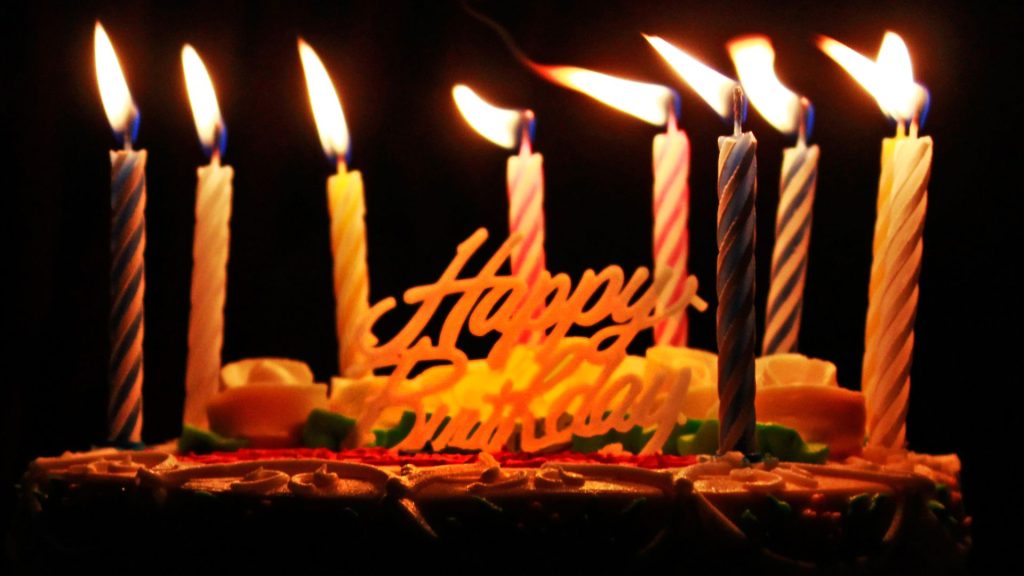
For most of the 20th century, “Happy Birthday to You” was under copyright, and the royalties it generated were extraordinary. Warner/Chappell Music collected an estimated $2 million per year from licensing fees before a federal court ruled in 2015 that the copyright was invalid.
Over its commercial lifespan, the song is believed to have earned over $50 million. It is, by most measures, the most performed song in the English language, and for a long time, every restaurant chain, movie, and TV show that used it had to pay up.
2. “White Christmas” by Bing Crosby
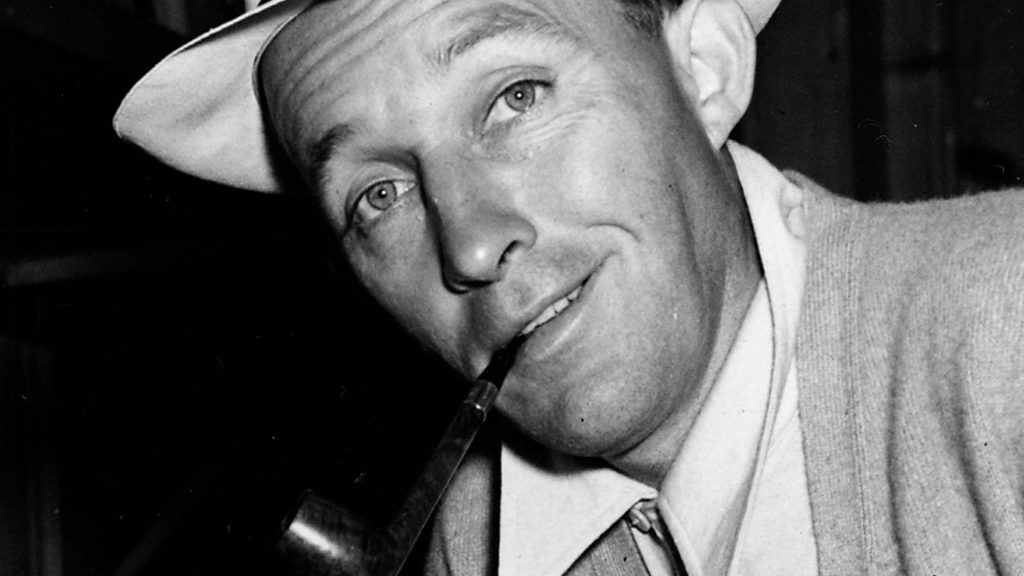
Bing Crosby recorded “White Christmas” in 1942, and it has never really stopped selling. The song holds the Guinness World Record for best-selling physical single of all time, with estimated sales exceeding 50 million copies worldwide.
Songwriter Irving Berlin earned royalties from it for decades, and the song continues to generate licensing income every holiday season. Berlin famously said it was the greatest song anyone had ever written. That kind of confidence looks reasonable from a financial standpoint.
3. “Every Breath You Take” by The Police
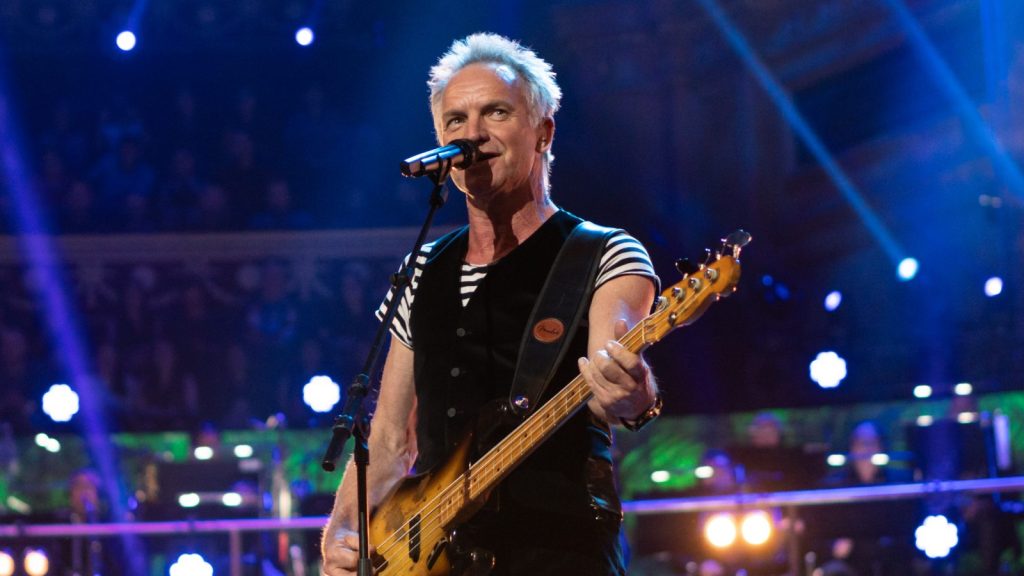
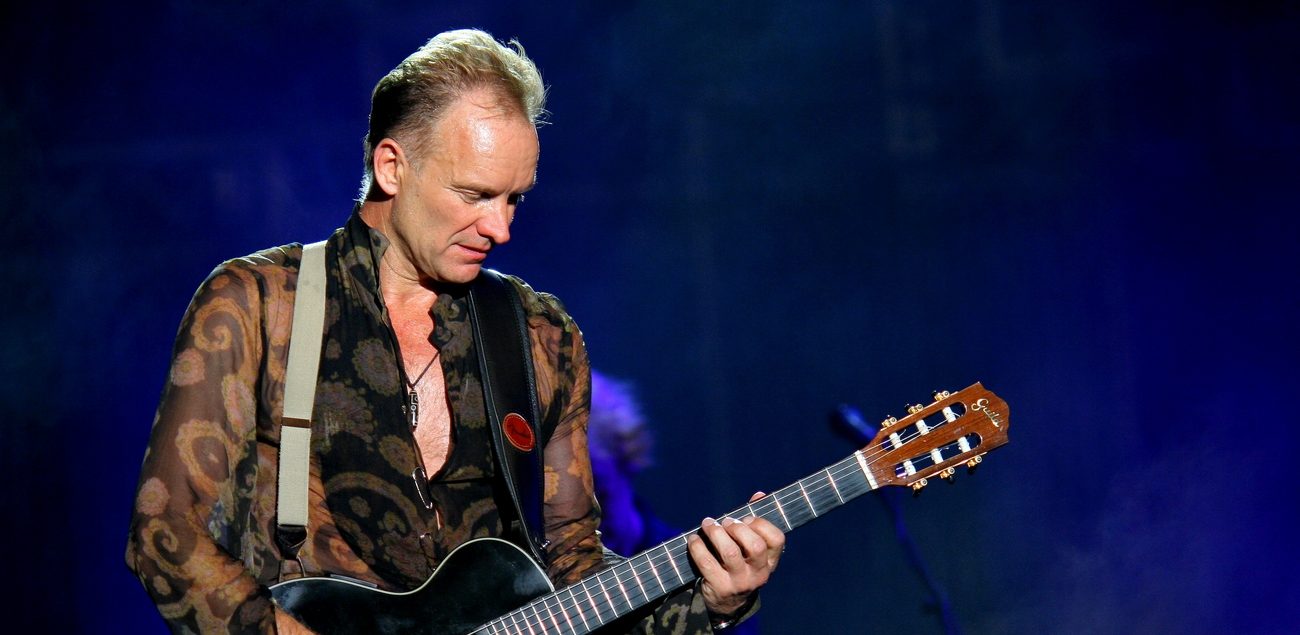
Sting has publicly described “Every Breath You Take” as his most reliable income stream, earning him around $2,000 every single day.
The song was written in 1983 and remains one of the most licensed tracks in pop history. Its usage exploded further after Puff Daddy built “I’ll Be Missing You” around it in 1997, a tribute to the Notorious B.I.G. that spent 11 weeks at number one. As the original composer, Sting collected royalties from that track too, adding significantly to his earnings.
4. “We Will Rock You” and “We Are the Champions” by Queen
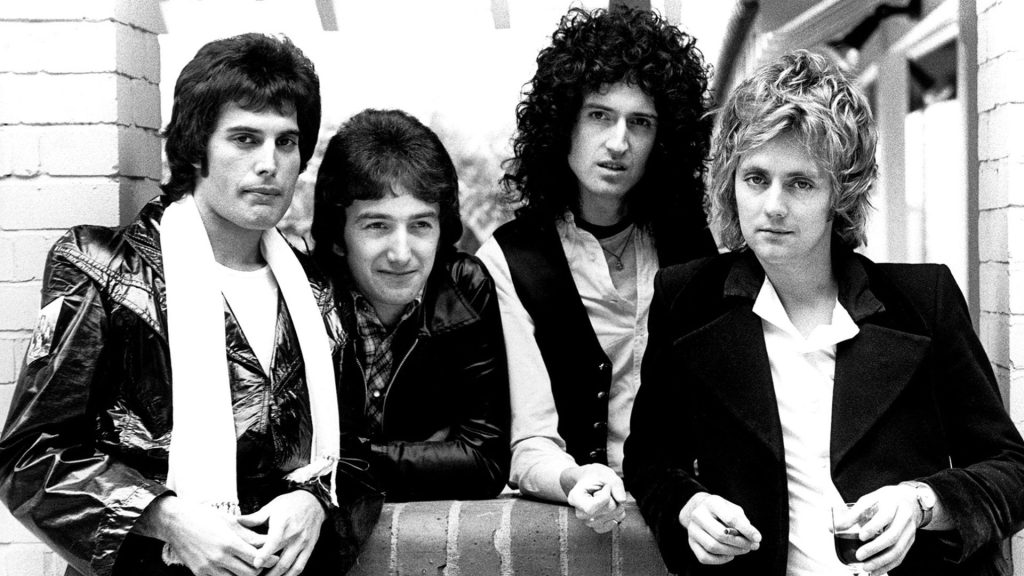
These two songs are almost always licensed together. Sports arenas around the world have been paying to use them for over 40 years, and their combined licensing revenue is estimated in the hundreds of millions. Queen’s full catalog, recordings, publishing, and related rights, was acquired by Sony Music in a deal reported in 2024 and valued at over $1 billion.
“We Will Rock You” alone appears in so many films, ads, and broadcasts that tracking its individual earnings becomes almost impossible.
5. “Jingle Bells”

The original “Jingle Bells” copyright expired long ago, but that has not stopped the song from generating enormous commercial revenue through new recordings and licensing deals. Thousands of artists have recorded versions, each generating separate royalties for those recordings’ copyright holders.
The song surfaces in advertising, film, and television every November and December without fail. By some estimates, new and existing recordings of “Jingle Bells” collectively earn tens of millions of dollars each year during the holiday season alone.
6. “Yesterday” by The Beatles
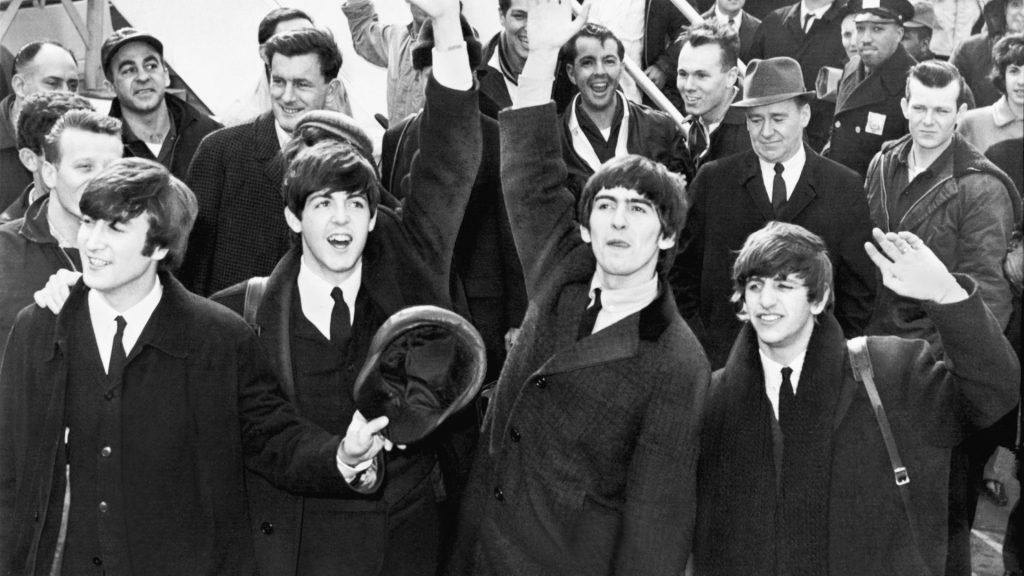
“Yesterday” holds the record for the most cover versions of any song in history, with Guinness logging over 1,600 versions as far back as 1986, a number that has since grown well past 2,000. Paul McCartney wrote it in 1965, reportedly waking up with the melody fully formed.
The song generates royalties from performances, covers, sync licenses, and streaming continuously. After a legal battle spanning decades, McCartney reached a private settlement with Sony/ATV in 2017, and his U.S. publishing rights began reverting to him starting in 2018 under the Copyright Act of 1976.
7. “You’ve Lost That Lovin’ Feelin'” by The Righteous Brothers
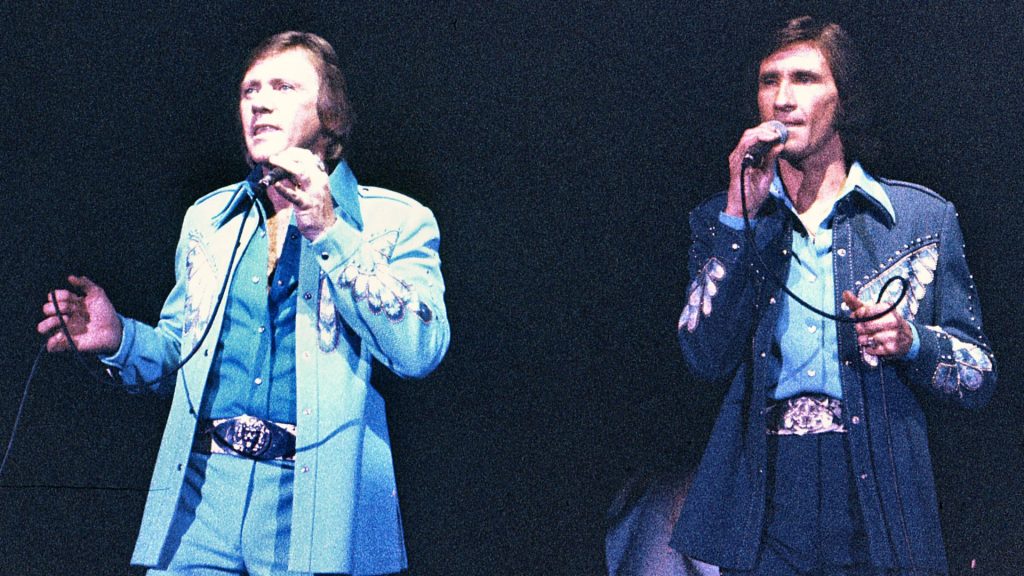
BMI once declared “You’ve Lost That Lovin’ Feelin'” the most performed song in American broadcast history. By 1999 it had logged over 8 million airplays, a number that climbed to nearly 15 million by 2011.
Written by Barry Mann, Cynthia Weil, and Phil Spector, the track earns performance royalties every time it plays on American radio, television, or in a public venue. Those accumulated performances add up to a number most artists would not see across their entire catalogs combined.
8. “Bohemian Rhapsody” by Queen
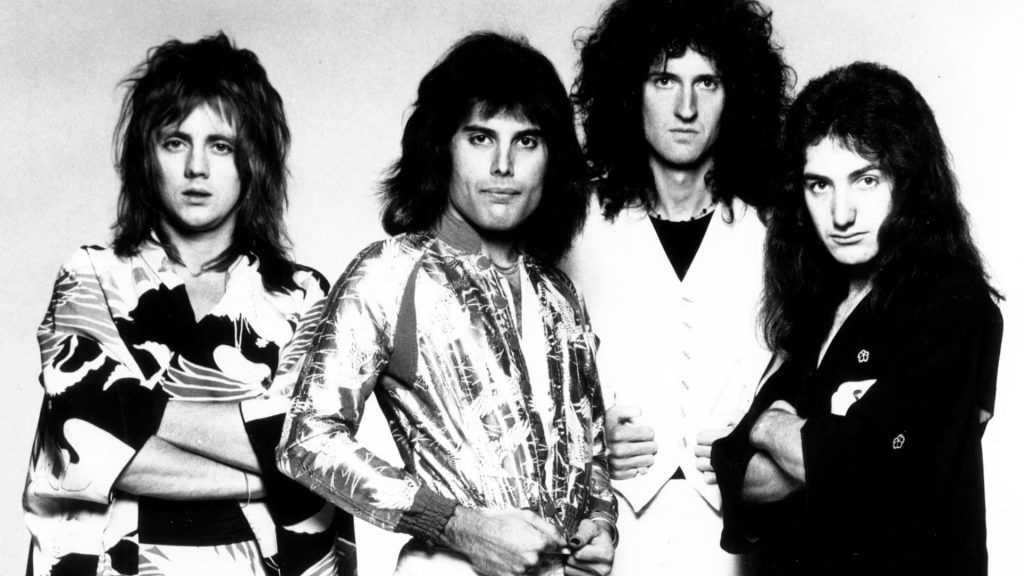
After the 2018 biographical film of the same name, streaming numbers for “Bohemian Rhapsody” surged to a degree that put it in a different category from most classic rock songs.
In December 2018, Universal Music Group announced it had become the most-streamed song from the 20th century, with over 1.6 billion combined streams across Spotify, Apple Music, YouTube, and other major platforms. Combined with decades of radio play, sync licensing, and physical sales, the song’s total earnings are estimated in the range of $500 million or more. The film essentially gave the song a second commercial life.
9. “Shape of You” by Ed Sheeran
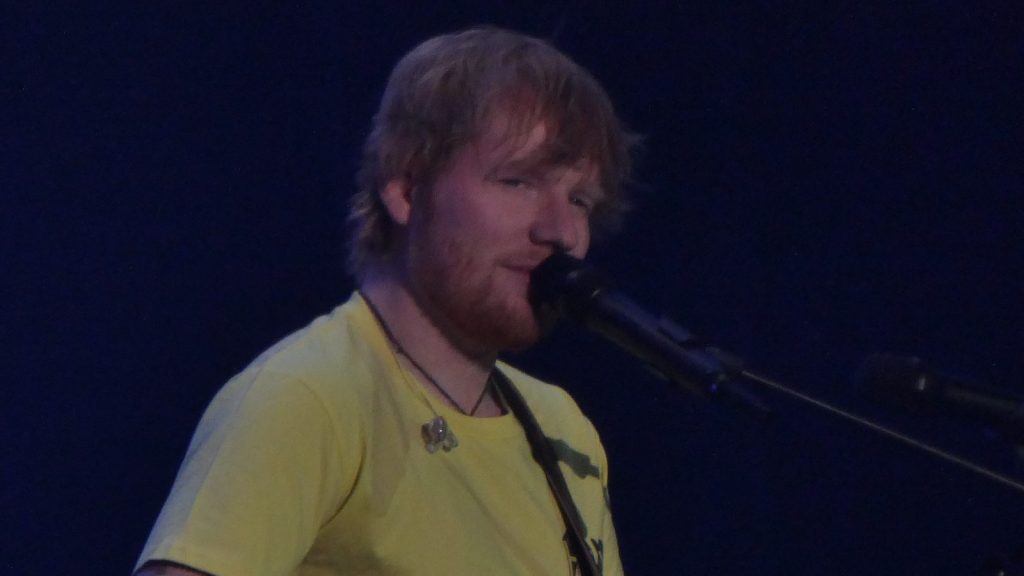
In the streaming era, “Shape of You” has become the benchmark for sustained digital earnings. Released in January 2017, it became the first song to hit 3 billion streams on Spotify and has since passed 4 billion.
Sheeran co-wrote and owns a share of the publishing, which means those streams translate directly into significant royalty income. A 2022 copyright trial in the U.K. threatened to complicate his ownership, but Sheeran won the case and retained full credit. Few songs released in the streaming era have matched its financial footprint.