Every year, hundreds of films get made, and a handful of them turn out genuinely terrible. Not just forgettable or mediocre, but catastrophically, memorably bad in ways that stick around for decades. Some of these movies bombed so hard they effectively ended careers.
Others became punchlines that outlasted the studios that made them. A few somehow developed cult followings, which is its own strange phenomenon. What follows are eight films that critics, audiences, and film historians have repeatedly placed at the very bottom of cinema’s long, messy history.
1. Plan 9 from Outer Space (1957)
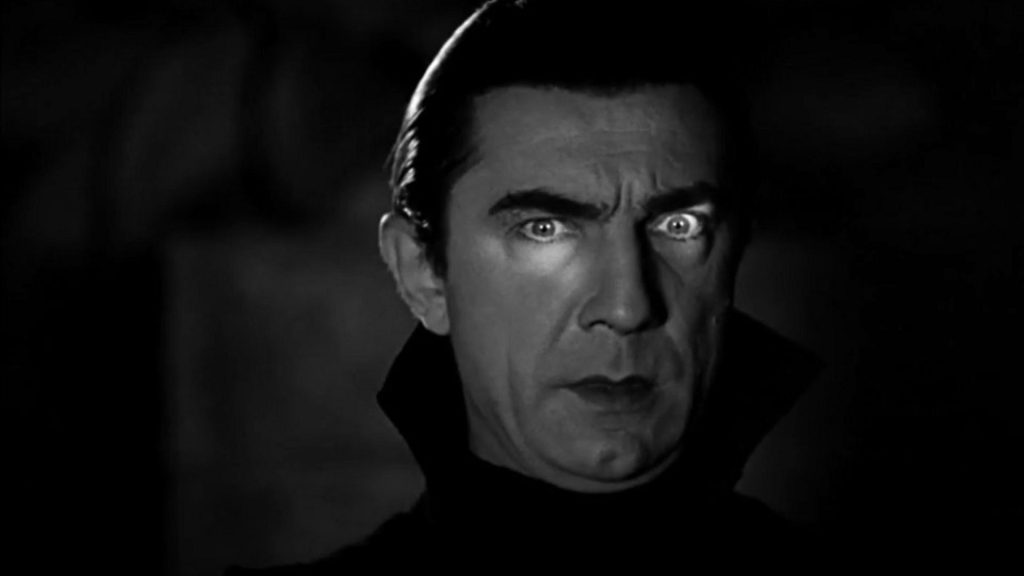
Ed Wood’s science fiction horror film has held the title of “worst movie ever made” for so long that the label almost feels affectionate at this point. The plot involves aliens resurrecting the dead to prevent humanity from developing a doomsday weapon, but the execution is something else entirely. Cardboard sets wobble on camera. Actors hold up pie plates as flying saucers.
Wood’s lead actor, Bela Lugosi, died before filming began, so Wood used existing footage shot for a separate, unfinished project. He then hired Vampira’s chiropractor, Tom Mason, to stand in for the remaining scenes, having the man cover his face with a cape for every shot. The film became a cultural artifact, in part because Tim Burton’s 1994 biopic brought fresh attention to Wood’s singular, oblivious ambition.
2. Manos: The Hands of Fate (1966)
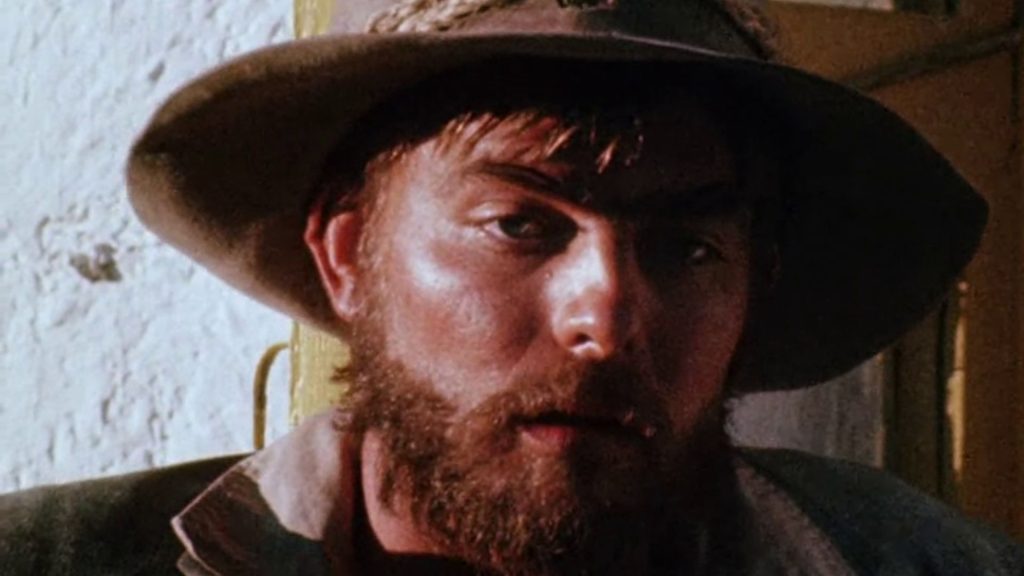
Harold P. Warren, a fertilizer salesman from El Paso, made a bet with a Hollywood screenwriter that anyone could make a profitable horror film. The result was Manos, shot on a camera that could only record 32 seconds of footage at a time, with no sound recorded on set.
Every line of dialogue was dubbed in post-production by a small group of voices, giving the finished film an eerie, disconnected quality that adds to its strangeness. The film disappeared into obscurity until Mystery Science Theater 3000 featured it in 1993, at which point it became widely regarded as among the worst films ever produced. Watching it is a genuinely disorienting experience.
3. Birdemic: Shock and Terror (2010)
Director James Nguyen spent four years making this romantic thriller about eagles and vultures attacking a small California town. The birds themselves are animated GIFs, hovering in place, occasionally exploding on contact with the ground. The sound design cuts in and out randomly.
Dialogue scenes run twice as long as they need to. Nguyen distributed the film himself by driving a van through Sundance with loudspeakers on the roof. Despite all of this, or perhaps because of it, the film earned a sequel and a devoted following that continues to screen it at events across the country.
4. Catwoman (2004)

Halle Berry had just won an Academy Award for Monster’s Ball two years before she appeared in Catwoman, which made the film’s failure all the more jarring. The movie replaced Selina Kyle with an entirely new character named Patience Phillips, abandoned most of what made the comics interesting, and delivered action sequences that critics described as incoherent.
Berry accepted her Razzie Award for Worst Actress in person, clutching her Oscar alongside it, which at least showed self-awareness. The film earned approximately $82 million worldwide against a $100 million budget and effectively stalled a planned DC Comics film franchise.
5. Battlefield Earth (2000)

John Travolta spent a decade trying to get this adaptation of L. Ron Hubbard’s novel made, and the finished product felt like it. The film is set in the year 3000, features humans enslaved by nine-foot alien Psychlos, and was shot almost entirely with the camera tilted at a 45-degree angle for reasons no one has fully explained.
It earned roughly $21 million domestically against a production budget reported around $73 million, swept the Razzies, and contributed to a prolonged downturn in Travolta’s career. The film’s connections to Scientology generated additional controversy that followed it long after release.
6. The Room (2003)

Tommy Wiseau wrote, directed, produced, and starred in this drama about romantic betrayal in San Francisco, spending an estimated $6 million of his own money in the process. The film’s origins remain genuinely mysterious. Wiseau’s age, nationality, and the source of his financing have never been confirmed.
The script includes subplots that disappear entirely, a cancer diagnosis mentioned once and never referenced again, and framed photos of spoons that appear throughout the set for no apparent reason. Audiences started bringing plastic spoons to screenings to throw at the screen whenever the photos appeared. The film has been playing in midnight screenings continuously since 2003 and inspired the 2017 James Franco film The Disaster Artist.
7. Showgirls (1995)

Paul Verhoeven’s NC-17 drama about a young woman climbing the Las Vegas showbiz ladder was one of the most anticipated films of its year, arriving on the heels of Verhoeven’s Basic Instinct. It earned approximately $37.8 million domestically against a $45 million budget and was almost unanimously dismissed by critics.
The performance by Elizabeth Berkley, who was trying to break away from her Saved by the Bell image, drew particular criticism. Over time, though, the film’s reputation has shifted considerably. Scholars and queer film critics have reexamined it as a deliberately campy satire of ambition and exploitation, and it now has a serious academic following that would have seemed unlikely in 1995.
8. Santa Claus Conquers the Martians (1964)
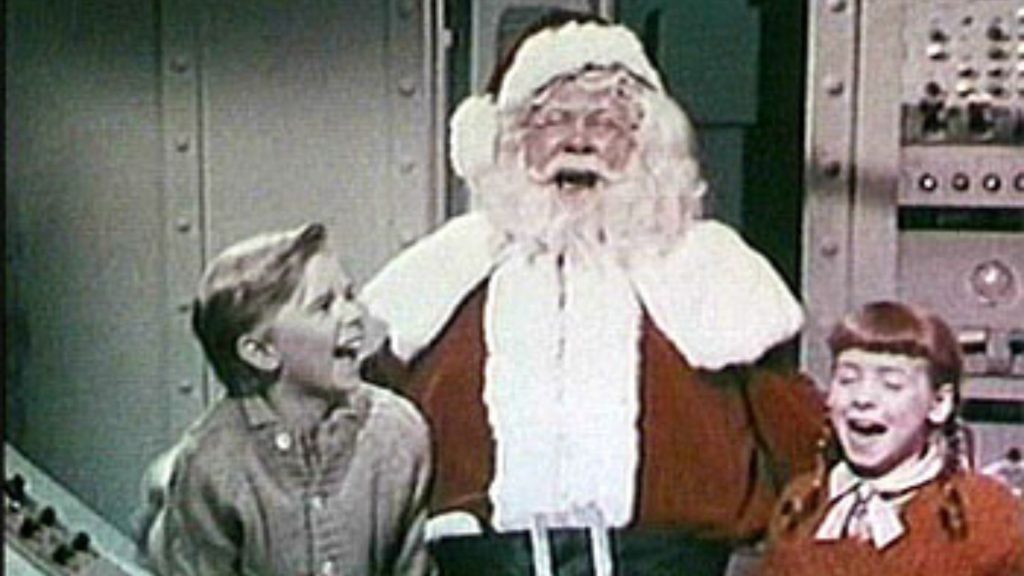
This low-budget holiday film involves Martians kidnapping Santa Claus because Martian children have become too absorbed in Earth television broadcasts. It was shot in an abandoned aircraft hangar in Long Island over a couple of weeks, and the production values make that obvious.
A polar bear costume appears briefly, operated by someone who clearly had limited visibility. The film entered the public domain decades ago and has been released on hundreds of compilation DVDs since. Mystery Science Theater 3000 featured it as well, which seems to be a recurring honor for films in this category. It regularly appears on worst-of lists alongside films made with far larger budgets and, in some cases, genuine ambition.