Fame opens a lot of doors, but it turns out some governments keep theirs locked regardless of who’s knocking. Border control officers have no interest in your Grammy nominations or your Instagram following, and a handful of major celebrities have learned that the hard way.
The reasons vary widely: criminal convictions, political missteps, a dress worn at the wrong concert in the wrong city. Some bans have been lifted. Others are still very much in effect.
1. Chris Brown — Australia, Canada, New Zealand
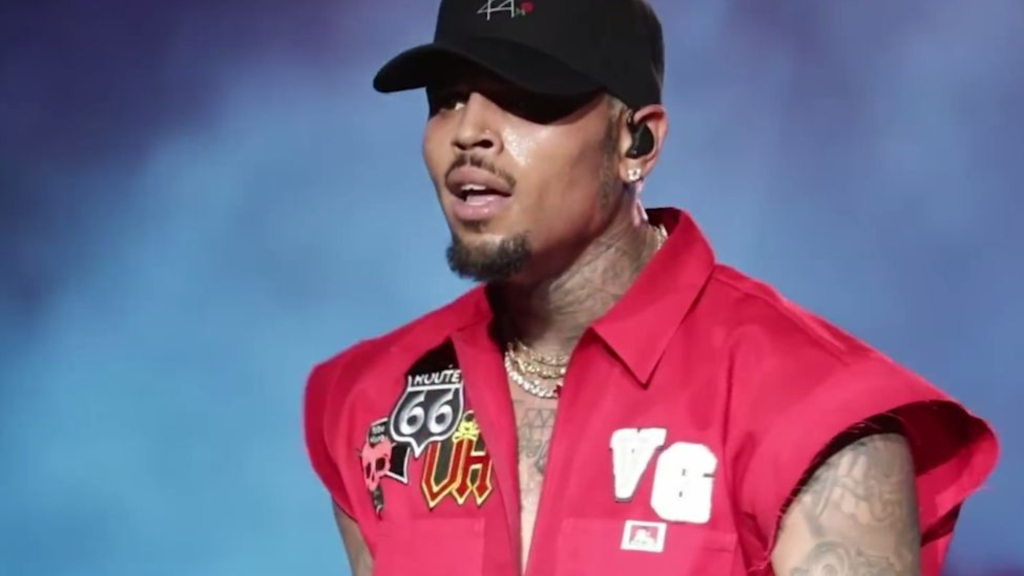
No celebrity on this list has been turned away at more borders than Chris Brown, and the reason is consistent across all of them. His 2009 guilty plea for felony assault against Rihanna has followed him globally. Australia denied him a visa on character grounds in 2015, then again in 2023 for his Under the Influence World Tour. Canada and New Zealand have both refused him entry as well.
The UK situation is more complicated: Brown was arrested in Manchester in May 2025 and charged with grievous bodily harm with intent in connection with an alleged 2023 nightclub assault in London, in which he is accused of striking a music producer with a bottle. He pleaded not guilty and was released on bail, continuing his UK tour while the case proceeds, with a trial scheduled to begin in October 2026.
2. Katy Perry — China (2017–2025)
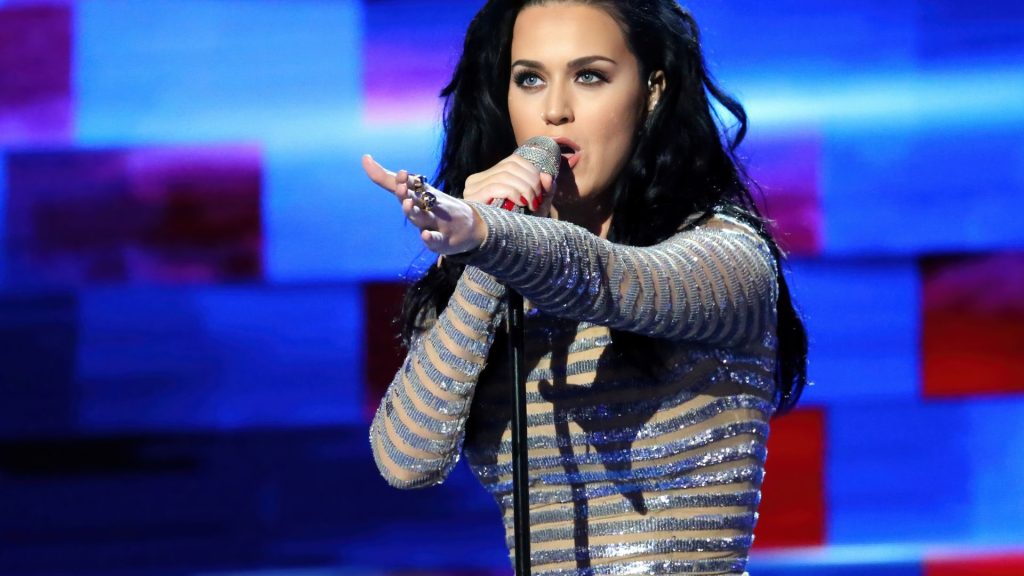
Perry’s ban from China traced back to a single outfit and a sunflower. During a 2015 concert in Taipei, Taiwan, she performed in a dress covered in sunflower prints. The sunflower had become the emblem of a Taiwanese student movement opposing a trade agreement with Beijing, and Chinese authorities took note. She compounded the issue by waving the Taiwanese flag during the show.
When Perry was set to perform at the 2017 Victoria’s Secret Fashion Show in Shanghai, her visa was revoked. She was notably absent from that show along with Gigi Hadid, who was denied entry for a separate reason. The ban held for nearly a decade before Perry returned to mainland China in November 2025 for a series of concerts in Hangzhou and Shanghai, her first performances in the country in ten years.
3. Lady Gaga — Indonesia and China
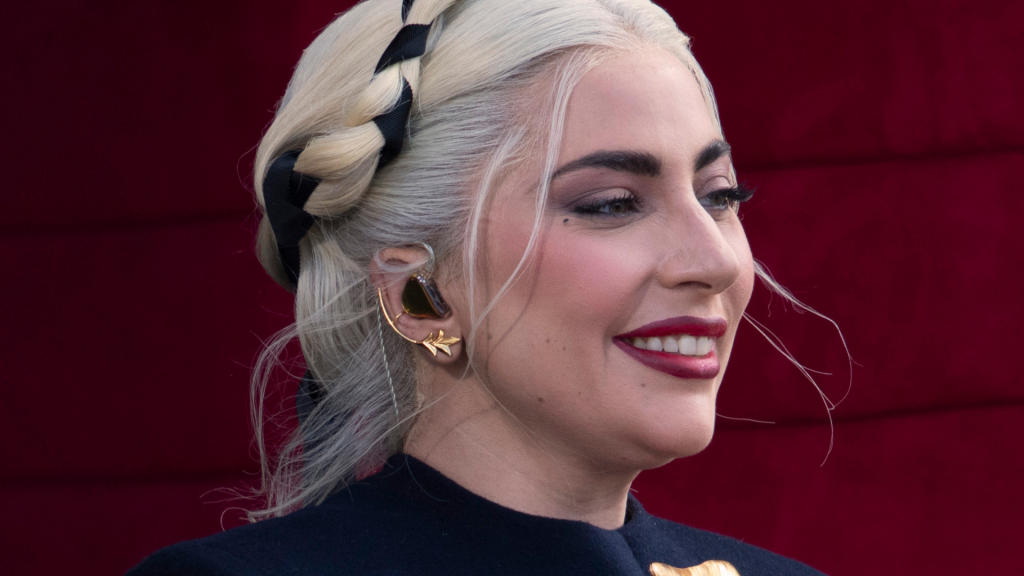
Indonesia canceled Gaga’s planned Jakarta concert in 2012, about a week before the June 3 show date, after religious groups lobbied the government to block her entry. The stated concern was that her performances would corrupt public morality.
By that point, more than 52,000 tickets had already been sold. China added its own ban in 2016 after Gaga publicly met with the Dalai Lama at the 84th annual U.S. Conference of Mayors in Indianapolis. Meeting with him is treated by Beijing as a political statement, and that was enough for Chinese authorities to ban her music and bar her from the country.
4. Snoop Dogg — Norway, Australia, the Netherlands
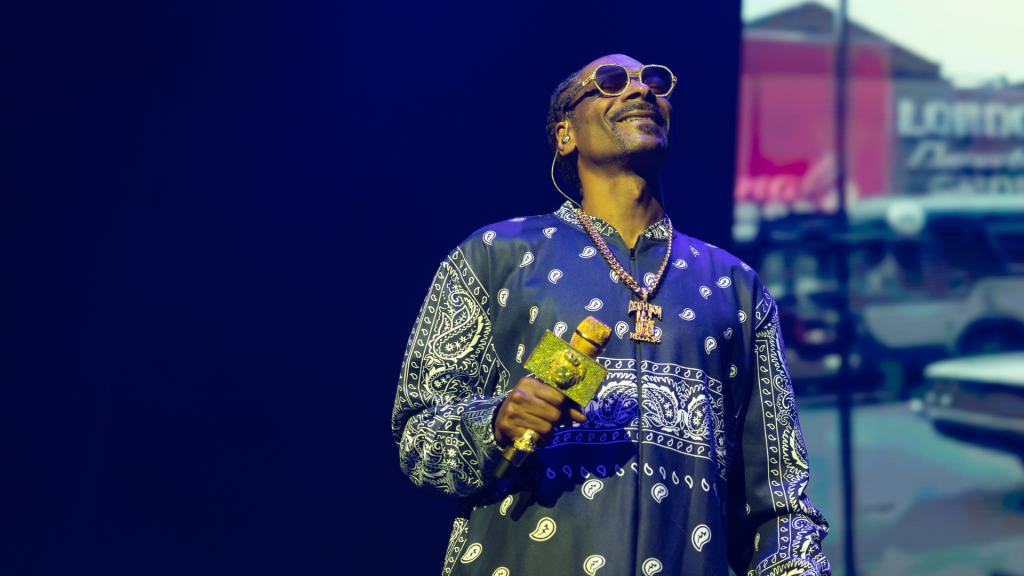
Snoop has collected travel bans the way most people collect frequent flyer miles. The UK banned him in 2006 after a brawl involving members of his entourage at Heathrow Airport, during which bottles were smashed in a duty-free area, though that ban was lifted in 2008 after an immigration tribunal ruled the denial of entry had been wrong. Australia blocked him in 2007 on character grounds, citing his criminal record, though they eventually let him in.
Norway imposed a two-year ban in 2012 after sniffer dogs at Kjevik Airport found eight grams of marijuana in his luggage, and he was also carrying more cash than Norwegian law allows. The combined fine for both offenses came to $8,600. The Netherlands has also denied him entry on past occasions.
5. Brad Pitt — China

Pitt’s ban from China goes back to 1997 and proved surprisingly durable. His role in the film Seven Years in Tibet drew the fury of Chinese officials because of its sympathetic portrayal of the Dalai Lama and its negative depiction of Chinese soldiers in Tibet.
The director, Jean-Jacques Annaud, was banned along with Pitt and co-star David Thewlis. Annaud was eventually invited back in 2012 to chair the jury at the Shanghai International Film Festival, and Pitt managed to visit China in 2014 and 2016, suggesting a gradual thaw, though the film itself remains banned in the country.
6. Beyoncé — Malaysia
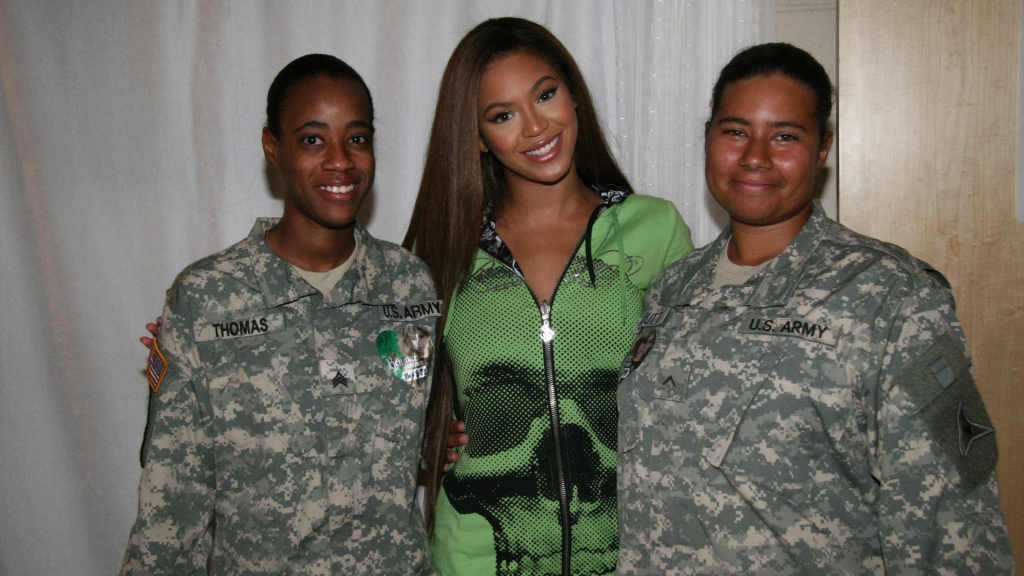
Malaysia’s government, operating under conservative Islamic guidelines around public performance, deemed Beyoncé too provocative to perform in the country.
The ban has been attributed to concerns about her costuming and choreography, with officials deciding her stage presentation conflicted with local cultural and religious standards. Malaysia has applied similar logic to several other Western artists, but Beyoncé’s global profile made this one of the more high-profile rejections.
7. Justin Bieber — China
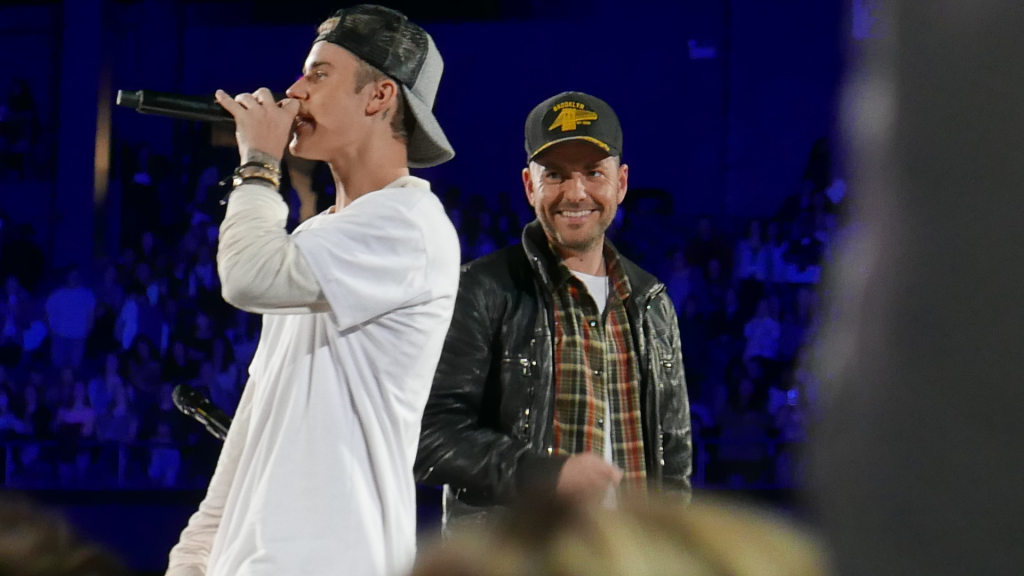
China banned Bieber in 2017, with Beijing’s Municipal Bureau of Culture citing his “bad behavior” as the reason. The statement was unusually blunt, referencing the need to “purify” the domestic performance market.
The bureau did not specify which incidents it had in mind, though Bieber’s legal troubles in the U.S. and a widely criticized 2014 visit to the Yasukuni Shrine in Tokyo had already drawn official Chinese displeasure. For a country that often bars artists for political reasons, the Bieber decision was almost refreshingly personal.
8. Claire Danes — Philippines

Danes filmed portions of the 1999 movie Brokedown Palace in Manila and later gave interviews describing the city in deeply unflattering terms, calling it dirty and rat-infested. Manila’s city council declared her persona non grata, a decision endorsed by then-president Joseph Estrada, and the ban has technically remained in place ever since.
Danes issued a statement saying her comments referred only to the impoverished locations used for filming, but city officials dismissed it as falling short of a genuine apology, making this one of the more low-key but genuinely enduring bans on the list.
9. Russell Brand — Japan
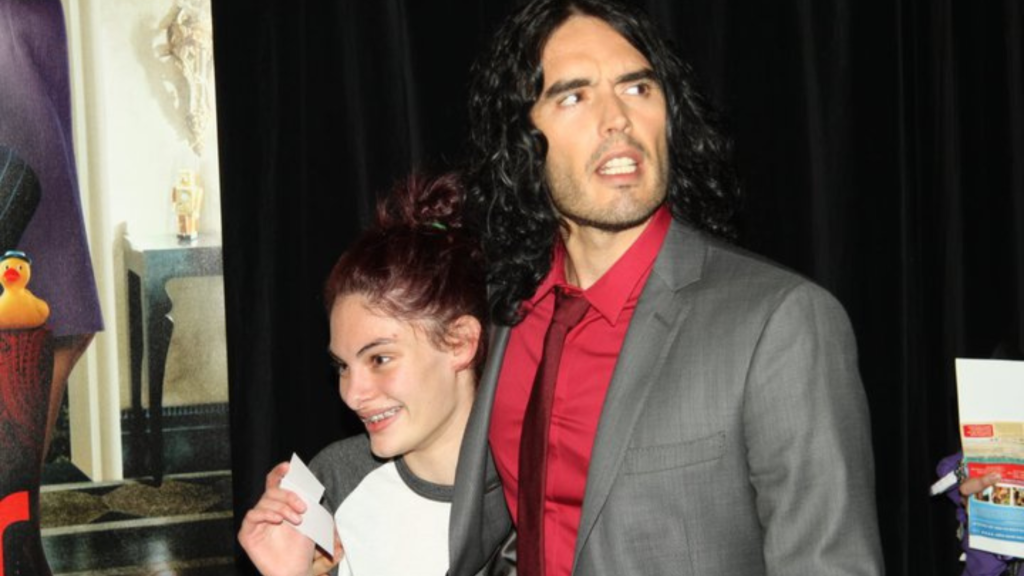
Brand was deported from Japan in 2011 before he could even clear the airport. Japanese immigration officials never gave a formal explanation, but Japan has some of the strictest border policies around past criminal records, and Brand’s well-documented history of drug offenses and other legal troubles is the widely accepted reason.
Japan applies this standard broadly: Paul McCartney was arrested at Tokyo’s Narita Airport in January 1980 after customs officials found nearly half a pound of marijuana in his luggage, derailing an 11-city Wings tour, and Keith Richards was denied entry in the 1970s for similar reasons. Brand’s deportation fit a clear pattern, even if officials never spelled it out.