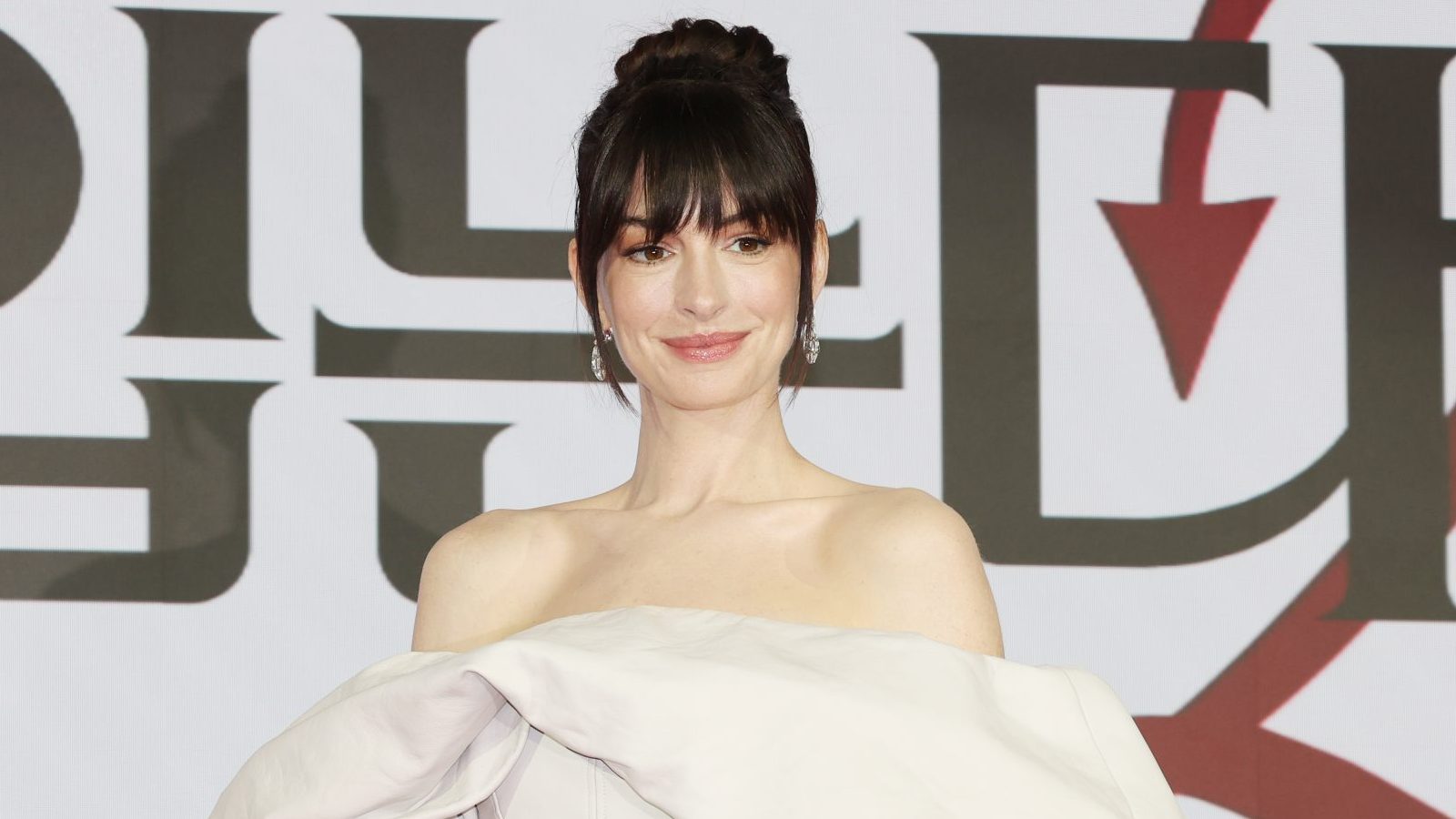
Anne Hathaway did everything right. She trained hard, earned critical praise, and won Hollywood’s highest honor. Yet, in 2013, the internet declared open season on her with a wave of hatred that had almost no real cause at all.
The backlash was so intense it spawned its own name: “Hathahate.” It cost her real career opportunities and damaged her mental health. This is the full, strange story of how one of Hollywood’s brightest stars became its most unlikely punching bag.
A star on the rise
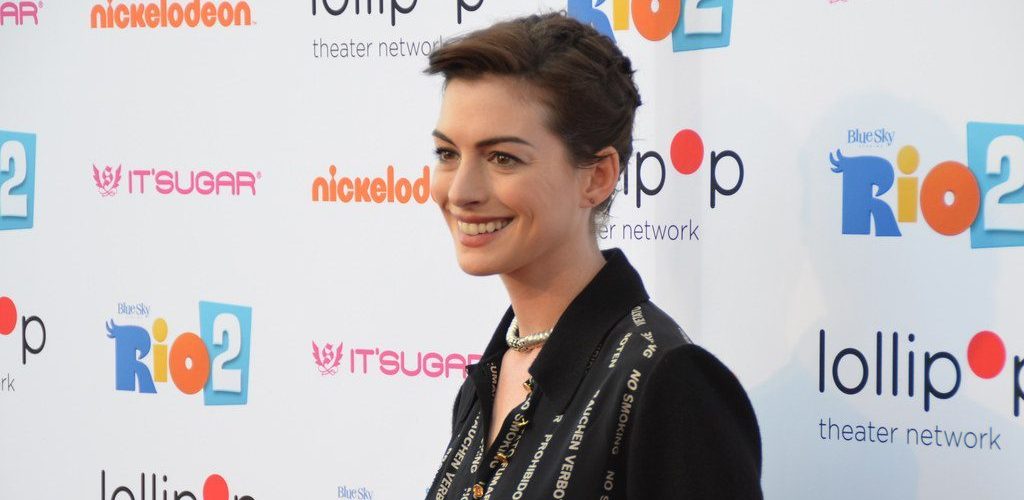
Anne Hathaway burst onto screens in 2001 with The Princess Diaries and quickly became a beloved Hollywood figure. She earned an Academy Award nomination in 2009 for Rachel Getting Married and was seen as a genuine, talented force in the industry.
By the early 2010s, she had starred in major films like The Devil Wears Prada and Alice in Wonderland. Audiences admired her energy and passion. She seemed untouchable, a success story in every sense of the word.
The Oscars hosting disaster of 2011
The first crack appeared when Hathaway co-hosted the 83rd Academy Awards in 2011 alongside James Franco. Critics panned the pair for their lack of chemistry. Franco appeared disengaged while Hathaway overcompensated with boundless enthusiasm.
She later admitted the gig did not go well, famously telling Andy Cohen in one word that they simply “sucked.” In a 2019 interview, she revealed Franco had persuaded her to take the job despite her own initial reservations. Her first instinct, she said, had been right all along.
The Les Misérables Oscar win

Hathaway won the Best Supporting Actress Oscar in 2013 for her gut-wrenching portrayal of Fantine in Les Misérables. The win was widely expected, as she had already swept the Golden Globes, SAG Awards, and BAFTAs that same awards season.
However, her acceptance speech became a target for ridicule. She opened with the words “It came true,” referencing the film’s iconic song “I Dreamed a Dream.” Critics called the line over-rehearsed. She was labeled inauthentic before she had even left the stage.
The birth of “Hathahate”
After the Oscar win, a coordinated wave of online hatred exploded across social media. The term “Hathahate” began trending on Twitter and quickly spread across the internet. People called her annoying, fake, and insufferably eager to please.
A widely shared BuzzFeed article summed up the bizarre paradox perfectly. It described “Anne Hathaway Syndrome” as the strange phenomenon of doing everything right yet still being hated for an unknown flaw. There was no real crime. There was no scandal. The hate itself was the story.
What actually fueled the hate
Analysts and commentators pointed to several overlapping triggers. The failed 2011 Oscars hosting, her overly earnest awards season campaigning, and her very visible enthusiasm for acting all rubbed people the wrong way online.
Reports also circulated that she was difficult on sets, including stories of sending food back at restaurants repeatedly. Her ex-boyfriend, Raffaello Follieri, had also been arrested in 2008 for fraud and money laundering. None of that was her fault, but the association fed the narrative.
Jennifer Lawrence and the contrast effect
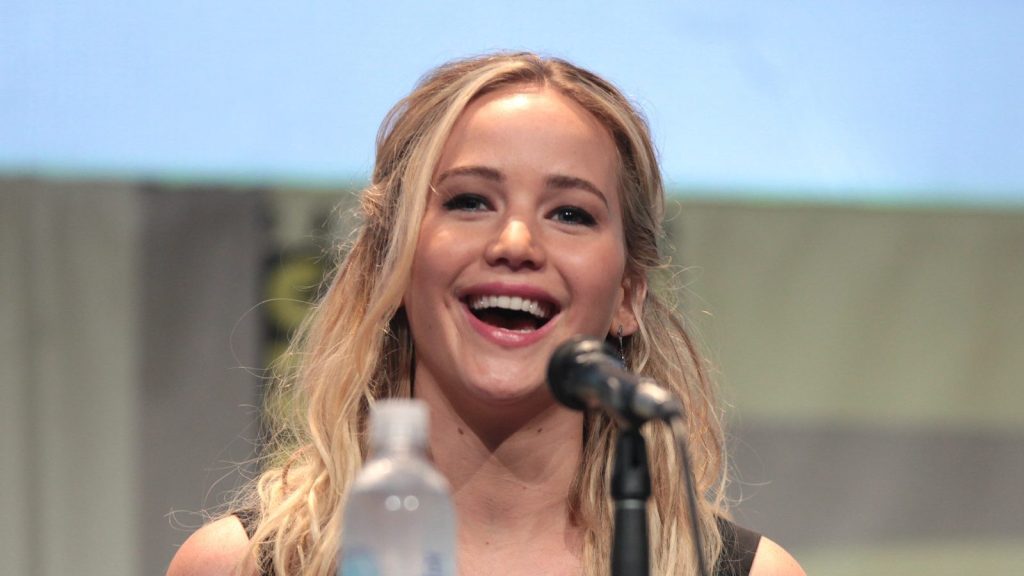
The timing of the backlash was also shaped by her rival in the awards race. Jennifer Lawrence was seen as cool, funny, and relatable. Hathaway’s earnestness was contrasted unfavorably against Lawrence’s casual charm at every awards ceremony.
The press played up the rivalry to fuel clicks and engagement. Hathaway never publicly fed into it, but the framing stuck. The internet had decided who the hero was. By default, someone else had to be the villain.
The real cost to her career
The damage went far beyond mean tweets. In a 2024 Vanity Fair interview, Hathaway revealed that many directors refused to cast her because they were worried about how toxic her public identity had become online. Real job opportunities disappeared because of a social media pile-on.
She stepped away from public life for roughly a year. She later told the Huffington Post that she believed people simply needed a break from her. She was essentially punished for a personality that the internet had decided, without evidence, that it disliked.
Christopher Nolan saved her career
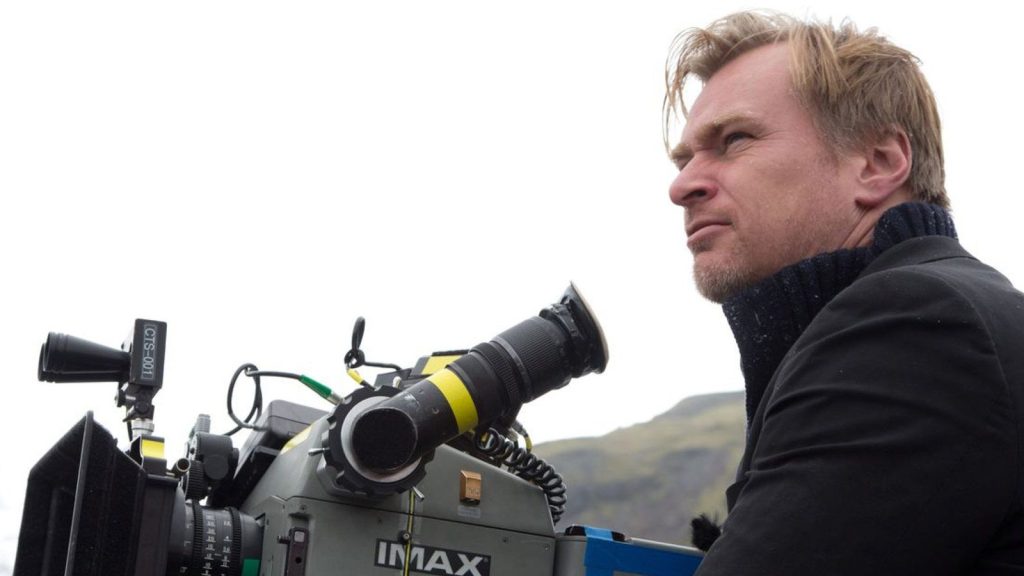
The turning point came when director Christopher Nolan cast her in his 2014 science fiction epic Interstellar. He gave her the role of Dr. Amelia Brand, a NASA scientist, at a time when most of Hollywood was avoiding her entirely.
Hathaway has called Nolan her “angel” in multiple interviews. She stated that her career did not lose momentum the way it could have if he had not stepped in and backed her. She had previously worked with him in 2012’s The Dark Knight Rises, and his loyalty proved decisive.
How she fought back
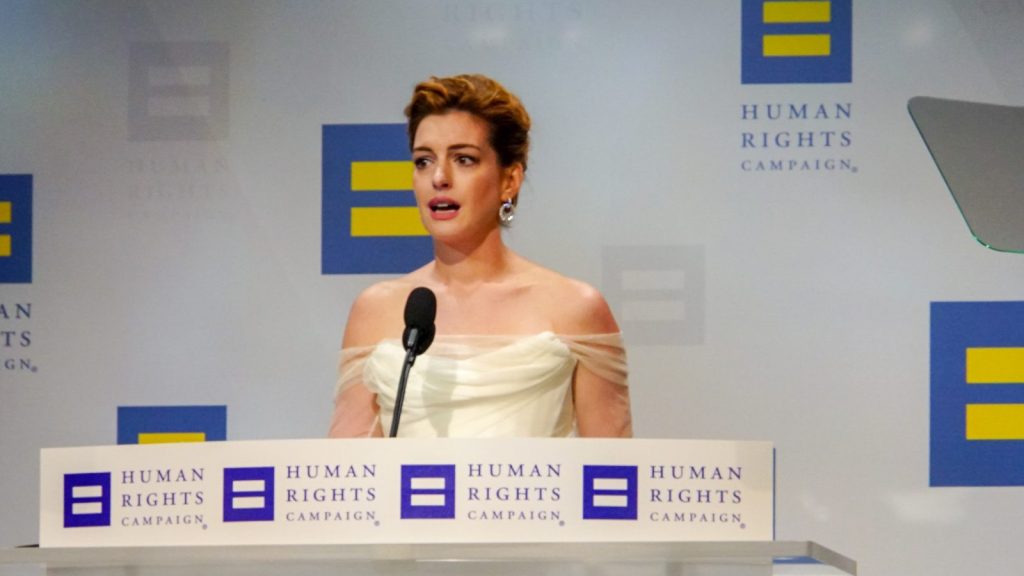
Rather than hiding from the criticism, Hathaway eventually addressed it head-on. At Elle’s Women in Hollywood event in October 2022, she delivered a powerful speech about her experience with online hatred. She spoke about how pain had been amplified at full internet volume.
She also drew a clear line between judging behavior and hating someone simply for existing. She refused to let the experience close her down creatively. Instead, she chose to use it as fuel for personal growth and artistic openness.
The comeback and the apology the internet owes her
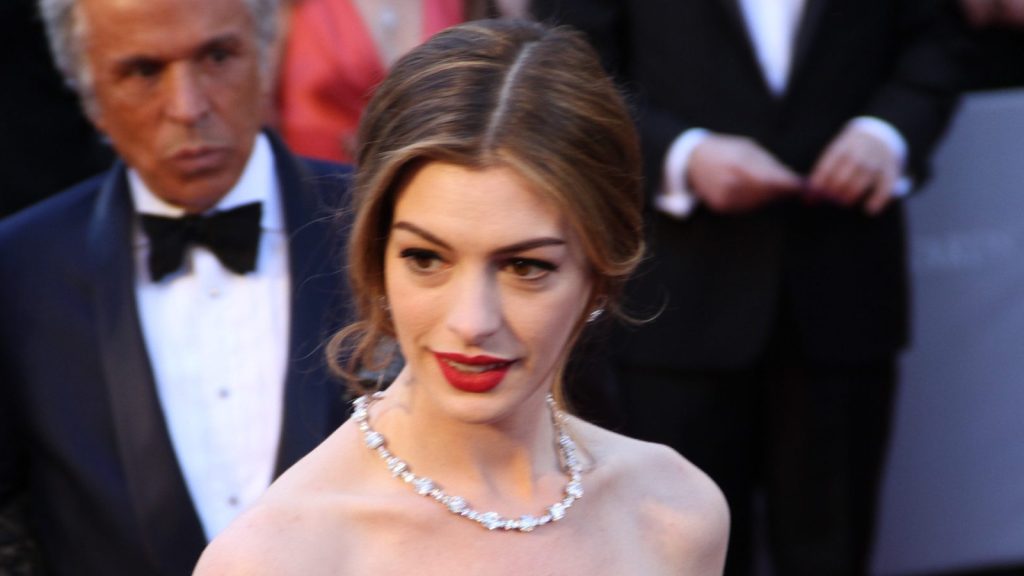
By the mid-2020s, the cultural tide had shifted. Critics and audiences began reexamining the “Hathahate” era with fresh eyes. Many concluded that the backlash said far more about internet mob mentality and misogyny than it ever said about Hathaway herself.
Her subsequent work in The Idea of You and other acclaimed projects only reinforced what was always true. She is one of the most talented actresses of her generation. The internet turned against her for being too good at caring, and that is perhaps the strangest reason of all.
Featured Image: Photo by Lee Jeong-woo on Wikimedia Commons